
Anaphylaxis in Dogs and Cats: Recognizing a Severe Allergic Reaction Before It Becomes an Emergency
This guide covers what makes anaphylaxis especially tricky to detect in cats and dogs. Learn what to watch for, what an emergency vet will do, and how to support your pet's oxygen levels on the way to care.
⏱ 10-minute read | Updated September 2026 | Reviewed by Pawprint Oxygen Veterinary Team | Browse more articles →
Table of Contents
A bee sting. A new medication. A vaccine your pet has had before without any problem. Most of the time, none of these cause more than mild, local irritation. But for a pet whose immune system has quietly become sensitized to one of these triggers, the next exposure can set off anaphylaxis, a whole-body allergic reaction that can move from first symptom to life-threatening shock in a matter of minutes.
What makes anaphylaxis especially tricky for pet owners is that dogs and cats don't show it the same way, and neither one shows it the way a person would. Knowing what to watch for in your specific pet, what an emergency vet will do, and how to support your pet's oxygen levels on the way to care can make all the difference in an emergency that unfolds fast.

What Is Anaphylaxis, and Why Does It Take a Second Exposure?
Anaphylaxis is an immediate, severe hypersensitivity reaction to a foreign substance, an allergen, that the immune system has mistakenly identified as dangerous. It almost always requires two exposures to develop. The first time a pet encounters the trigger (a bee sting is the classic example), the immune system quietly produces antibodies and becomes "sensitized," often with only a mild, localized reaction like swelling at the site. The second time that same pet is exposed, those sensitized cells release a flood of histamines and other inflammatory chemicals throughout the body, all at once.
Veterinary sources are consistent on one important point: localized allergic reactions are common, while true systemic anaphylaxis is rare. Most pets who react to a sting or a new food get hives, facial swelling, or itchiness that resolves with antihistamines. Anaphylaxis is the far less common, far more dangerous version, and because reactions tend to worsen with each subsequent exposure, a pet who's had one anaphylactic episode is at real risk for a more severe one next time.

Know the Difference Between How Dogs and Cats Show Symptoms
This is the detail that catches a lot of pet owners off guard, and it comes down to which organ system carries the largest concentration of mast cells, the "shock organ", in each species.
In Dogs: Watch the Gut and the Gums
In dogs, the liver and GI tract are the primary shock organ. That means a dog in anaphylactic shock is more likely to show:
- Sudden, repeated vomiting
- Diarrhea, sometimes with blood
- Pale or muddy-colored gums
- Extreme lethargy or sudden collapse
- Hives, facial or muzzle swelling, and intense itching in milder or earlier-stage reactions
Vets diagnosing severe cases in dogs often look for elevated liver enzymes and a specific ultrasound finding called the "halo sign", fluid buildup around the gallbladder wall, which can show up within minutes of a reaction starting. Breathing difficulty absolutely can occur in dogs too, especially as the reaction progresses and blood pressure drops, but GI signs are frequently the first clue something serious is happening.

In Cats: A Respiratory Emergency First
Cats are wired differently. The lungs are the primary shock organ in cats, which means feline anaphylaxis tends to present as a breathing crisis from the start:
- Open-mouth breathing or panting (highly abnormal for a resting cat)
- A stretched-out neck and exaggerated abdominal breathing effort
- Bluish or gray-tinged gums and tongue (cyanosis)
- Sudden collapse or extreme weakness
This overlaps closely with the presentation of a feline asthma attack, which is part of why any cat showing sudden, severe breathing distress, regardless of the suspected cause, needs oxygen support and an emergency vet visit without delay.


Warning Signs That Mean "Go Now," Not "Watch and Wait"
Call your vet or the nearest emergency clinic immediately if your dog or cat shows any of the following symptoms:
- Bluish, gray, or pale gums and tongue
- Labored, rapid, or open-mouth breathing
- Repeated vomiting or diarrhea appearing suddenly
- Facial or muzzle swelling combined with any breathing change
- Sudden weakness, staggering, or collapse
- Hives or widespread itching that's rapidly worsening rather than settling down
None of these are symptoms to sit with at home. Anaphylaxis can progress from mild swelling to full systemic shock quickly, and the pets with the best outcomes are almost always the ones who reach treatment fast.

What Happens at the Emergency Vet
Anaphylaxis is treated as a true medical emergency. The typical protocol includes:
1. Removing the trigger when possible. For example, scraping out a bee's stinger.
2. Administering epinephrine, the frontline drug for reversing the reaction.
3. Providing IV fluids to counter the drop in blood pressure caused by widespread vasodilation.
4. Providing supplemental oxygen, and in severe cases a breathing tube, to support a pet whose airway or circulation is compromised.
5. Administering corticosteroids and antihistamines to calm the underlying immune response.
6. Hospitalization and monitoring, often for 24 to 72 hours, since organs can still deteriorate even after a pet appears to be stabilizing.
How a Rescue Oxygen Kit Helps Before You Reach the Vet
Anaphylaxis rarely happens outside an emergency clinic. It happens at home, in the backyard, or on a walk, meaning there is often a critical drive between recognizing a reaction and reaching veterinary care.
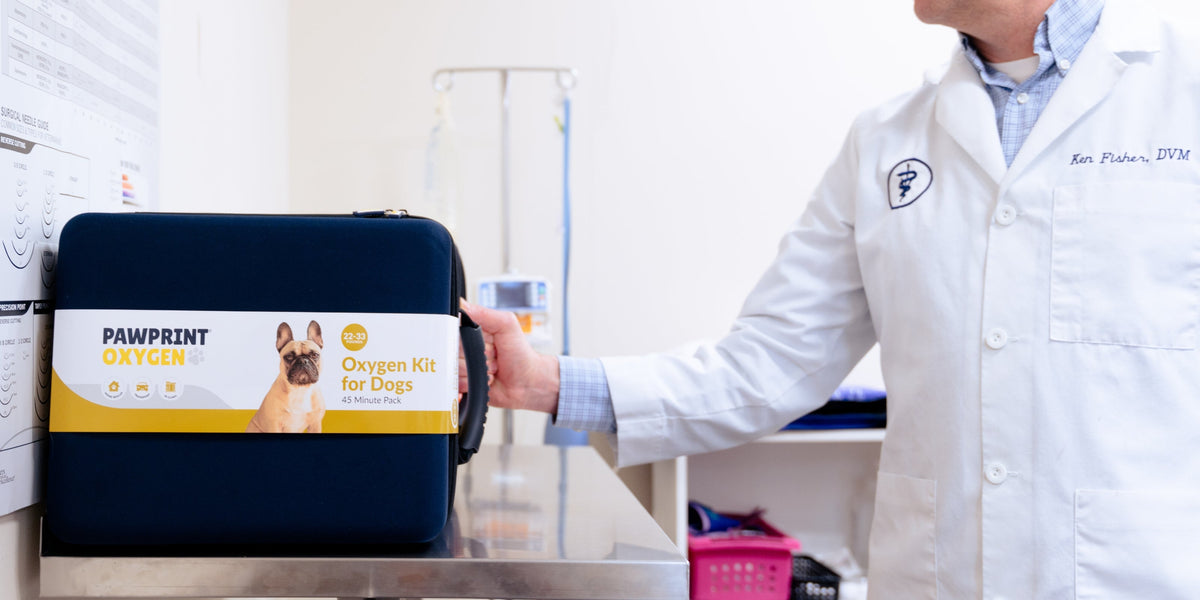
During anaphylactic shock, low blood pressure and impaired circulation can limit oxygen delivery to the body, while cats may develop severe respiratory signs. Supplemental oxygen during transport can help support a struggling pet until emergency treatment is available. A Rescue Oxygen Kit is designed for that window, with oxygen ready to use and a properly fitted PureVent mask sized for dogs, cats, and pocket pets.
Oxygen does not replace epinephrine or stop the allergic reaction. It provides supportive care during transport while you get your pet to the veterinary team that can treat the underlying emergency.
Reducing the Risk of a Repeat Reaction
Anaphylactic reactions tend to get more severe with each subsequent exposure, not less, which makes prevention the priority once a pet has recovered from a first episode:
- Ask your vet about keeping emergency medication on hand (some vets will prescribe an at-home injectable for high-risk pets)
- Avoid re-exposure to the confirmed or suspected trigger whenever possible
- Flag the reaction in your pet's medical record before any future vaccines or new medications
- Ask about intradermal skin testing or IgE blood testing if the specific allergen isn't obvious
- Keep a Rescue Oxygen Kit accessible at home and in the car, especially during spring and summer stinging-insect season
Building a Simple Pet Anaphylaxis Emergency Plan
- Save the number and address of the nearest 24-hour emergency vet in your phone
- Keep a Rescue Oxygen Kit within reach, not buried in a closet or garage
- Know your pet's known allergies and any past reaction history, and share it before every new vaccine or medication
- Watch closely for the first 30–60 minutes after any new exposure, since that's the window most reactions appear in
- If your pet has already had one anaphylactic episode, talk to your vet about a written action plan for the next one

Frequently Asked Questions
How fast does anaphylaxis happen after a sting, vaccine, or new medication?
It can begin within minutes of exposure, though the timing varies. This is part of why the first 30 to 60 minutes after any new exposure deserve close observation, especially in a pet with a known allergy history.
Can a dog or cat survive anaphylaxis without going to the vet?
Mild, localized reactions often resolve with antihistamines your vet prescribes. But true systemic anaphylaxis is a medical emergency, and it requires epinephrine and professional monitoring. Delaying care significantly increases the risk of a poor outcome.
What's the difference between a normal allergic reaction and anaphylaxis?
A normal reaction is usually localized: swelling at a sting site, some facial puffiness, mild itching. Anaphylaxis is systemic meaning it affects the whole body at once, most often through the GI tract in dogs and the lungs in cats, and it can progress to shock quickly.
Should I keep Benadryl (diphenhydramine) at home for allergic reactions?
Some vets recommend keeping an antihistamine on hand for mild reactions, but always confirm the correct product, dose, and situations where it's appropriate with your veterinarian first. Antihistamines are not a substitute for emergency treatment of true anaphylaxis.
Can anaphylaxis happen after years of no reaction to something?
Yes. Sensitization can build quietly over repeated exposures, and a pet who has tolerated a vaccine, medication, or food for years can still develop a reaction on a later exposure.
Is a Rescue Oxygen Kit enough to treat anaphylaxis on its own?
No. Oxygen support helps stabilize a struggling pet during transport, but it doesn't reverse the allergic reaction itself. A pet showing signs of anaphylaxis always needs epinephrine and emergency veterinary treatment as soon as possible.
Be Ready Before the Emergency Starts
Anaphylaxis moves fast, and it doesn't always look the same in your dog as it would in your cat. Knowing the signs for your specific pet and having oxygen support ready for the minutes before you reach the vet puts you in a far better position if the moment ever comes.
Related Reading
- Does My Cat Have Feline Asthma? Early Warning Signs Every Pet Parent Should Know
- Brachycephalic Breeds and Breathing Emergencies: Why Flat-Faced Dogs Need an Oxygen Kit at Home
- Congestive Heart Failure in Dogs and Cats: Recognizing a Breathing Emergency and the Role of Oxygen
- Dog Choking Emergency: Airway Obstruction Signs, First Aid, and Why Oxygen Support Matters After
- Dog Hit by Car: The Hidden Lung Injury That Shows Up Hours Later
This article is for educational purposes and does not replace veterinary care. If your pet shows any signs of a severe allergic reaction, contact your veterinarian or nearest emergency animal hospital immediately.