Feline asthma is a chronic airway condition that can cause subtle early symptoms like coughing, wheezing, reduced activity, or breathing changes that are easy to miss. If your cat shows signs such as persistent coughing, open-mouth breathing, or sudden breathing distress, feline asthma may be the cause and veterinary evaluation is essential. With early diagnosis, trigger management, and supportive tools like oxygen therapy during flare-ups, many cats with asthma can live long, comfortable lives.

Feline asthma is a chronic inflammatory condition that affects a cat’s lower airways, making it harder for air to move in and out of the lungs. What makes feline asthma especially tricky is how subtle the early signs can be. Many cats show mild symptoms long before a dramatic breathing episode occurs.
In recent years, veterinarians have seen rising feline asthma cases, often linked to indoor air quality, allergens, stress, and environmental irritants. Recognizing early warning signs matters because untreated inflammation can worsen over time and lead to more severe flare-ups.
This article will help you understand common asthma symptoms, what’s normal versus concerning, when to contact your veterinarian, and supportive tools, including oxygen therapy, for managing asthma flare-ups safely.
What Is Feline Asthma?
Feline asthma occurs when the airways inside a cat’s lungs become inflamed and overly sensitive. This inflammation causes the airways to narrow, making breathing more difficult, especially during flare-ups. Feline asthma symptoms can resemble other conditions such as respiratory infections, heart disease, or hairball-related coughing, which is why a formal veterinary diagnosis is essential.
Common feline asthma triggers include:
- Environmental allergens (like dust or pollen)
- Cigarette smoke
- Aerosols
- Stress
- Cold air
- Physical exertion
While feline asthma can’t be cured, it can be successfully managed with proper veterinary care and environmental control.
Early Warning Signs of Feline Asthma
- Increased or Noisy Breathing: Cats with feline asthma may breathe faster than normal or produce wheezing sounds. Wheezing often sounds like a soft whistle, raspy exhale, or faint crackling noise caused by narrowed, inflamed airways.
- Persistent Coughing: A classic asthma symptom is a dry, hacking cough that many owners mistake for hairballs. Unlike hairball episodes, asthma coughing often happens in repeated fits and does not produce fur. Cats may crouch low and extend their neck while coughing.
- Open-Mouth Breathing or Panting: Open-mouth breathing or panting is never normal in cats. When it occurs, it usually means your cat is struggling to get enough oxygen and working much harder to breathe. This should always be taken seriously.
- Reduced Activity or Exercise Intolerance: Cats are experts at hiding discomfort. A cat with asthma may play less, avoid activity, or tire quickly because breathing becomes more difficult during movement.
- Blue or Pale Gums (Cyanosis): Bluish or pale gums indicate low oxygen levels in the blood. This is a medical emergency that requires immediate veterinary attention.
- Sudden Respiratory Distress (“Asthma Attacks”): During an asthma attack, cats often crouch close to the ground with their neck extended, breathe rapidly or shallowly, and show noticeable belly movement as they struggle for air.

When to Contact Your Veterinarian
You should contact your veterinarian if your cat has a cough lasting more than a few days, repeated wheezing episodes, any open-mouth breathing, or visible breathing distress. During an exam, your vet may recommend chest X-rays, bloodwork, bronchodilators, or steroids to confirm a diagnosis and reduce airway inflammation. Early diagnosis is critical as untreated feline asthma can lead to permanent airway damage and more frequent, severe flare-ups. If your cat ever shows signs of cyanosis or severe respiratory distress, seek emergency veterinary care immediately.
Is feline asthma a common condition in cats?
Yes, feline asthma is considered a relatively common condition in cats, affecting approximately 1-5% of the feline population. It is most frequently diagnosed in middle-aged cats, although cats of any age can develop the condition. Certain breeds, such as Siamese and Oriental breeds, may have a higher predisposition to asthma, suggesting a potential genetic component.
Can feline asthma be cured?
No, feline asthma cannot be cured. It is a chronic condition that requires ongoing management to control symptoms and prevent flare-ups. The goal of treatment is to minimize inflammation in the airways, reduce the frequency and severity of asthma attacks, and improve the cat’s quality of life. With proper management, many cats with asthma can live healthy, comfortable lives.
Can I adopt another pet if I have a cat with feline asthma?
Yes, you can adopt another pet if you have a cat with asthma, but it’s important to consider several factors to ensure the new pet won’t exacerbate your asthmatic cat’s condition. Cats with feline asthma are sensitive to environmental triggers, so careful planning is essential to create a harmonious and healthy environment for all pets. Prioritize compatibility, minimize allergens, and consult with your veterinarian for the best outcome.

Managing Feline Asthma at Home: Prevention & Daily Care
Daily feline asthma management focuses on minimizing triggers and supporting healthy breathing.
Here are some steps you can take to ensure your cat's asthma is well-controlled:
- Reduce exposure to dust, smoke, aerosols, candles, strong cleaners, and scented products.
- Use low-dust litter, maintain stable indoor humidity, and consider air purifiers to improve air quality.
- Reducing stress in multi-pet households can also help prevent flare-ups.
- Long-term veterinary management often includes inhaled steroids, bronchodilators, and careful monitoring of symptoms.
- Keeping a log of coughing episodes or breathing changes can help your veterinarian fine-tune your cat’s treatment plan.
Oxygen Therapy for Feline Asthma Flare-Ups
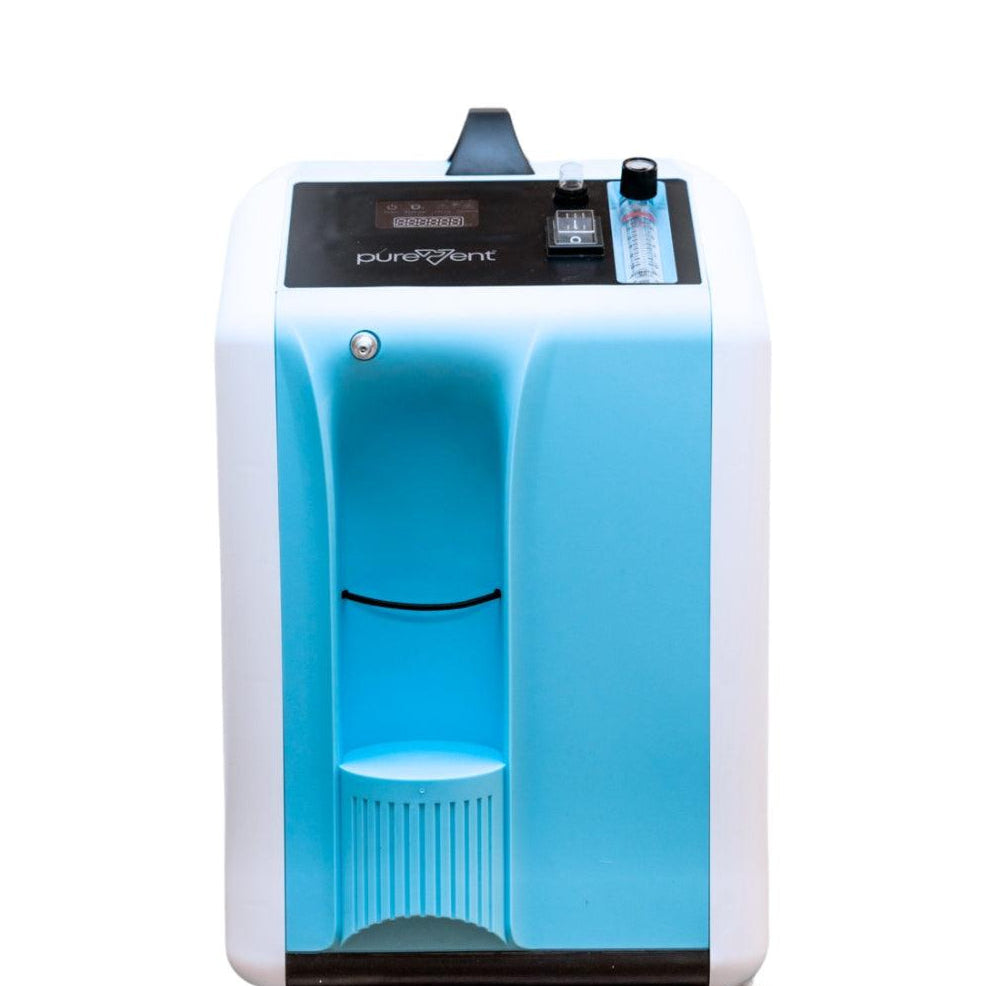
During a feline asthma flare-up, airway narrowing can quickly reduce oxygen levels and make breathing exhausting for your cat. In these situations, oxygen therapy is often recommended by veterinarians as a supportive tool to stabilize breathing. Supplemental oxygen increases oxygen availability, reduces the work of breathing, and helps support your cat while medications, such as bronchodilators or steroids, begin to take effect.
Oxygen therapy does not replace veterinary care, but it can be crucial during transport to an emergency clinic or while waiting for prescribed treatments to work. Many veterinarians recommend having an at-home oxygen resource for cats with recurrent asthma attacks. Pet-specific solutions, such as a portable oxygen kit from Pawprint Oxygen, are designed to deliver controlled oxygen safely and comfortably during emergencies.

Giving Your Cat the Best
With proper diagnosis and management, many cats with asthma live long, comfortable lives. Early recognition of symptoms and open communication with your veterinarian are key to preventing severe flare-ups. If your vet recommends oxygen therapy for emergencies at home, be sure to ask about safe, portable options designed specifically for pets to support your cat when breathing becomes difficult.