Feline Asthma Attacks: How to Recognize a Cat Breathing Emergency and the Role of Oxygen
This guide explains what feline asthma is, how to tell a flare apart from an everyday cough, which signs mean "get to the vet now," and why supplemental oxygen has become such a valued safety net for families living with an asthmatic cat.
⏱ 9-minute read | Updated July 2026 | Reviewed by Pawprint Oxygen Veterinary Team | Browse more articles →
Table of Contents
The first time many owners witness a feline asthma attack, they assume their cat is trying to cough up a hairball. The cat crouches low, neck stretched forward, body close to the floor, shoulders hunched, and heaves with an open mouth. But no hairball comes, just a dry, wheezing, hacking cough that can be frightening to watch and even more frightening for the cat. That posture isn't a hairball at all. It's very often an asthma flare, and in its worst moments it can become a genuine breathing emergency.
Feline asthma is the most commonly diagnosed lower-airway disease in cats, and veterinary estimates suggest it affects somewhere between 1% and 5% of cats, which, across the more than 80 million cats living in U.S. homes, works out to hundreds of thousands of affected animals. This guide explains what an asthma attack actually does inside your cat's chest, how to tell a flare apart from an everyday cough, which signs mean "get to the vet now," and why supplemental oxygen has become such a valued safety net for families living with an asthmatic cat.

What Is Feline Asthma?
Asthma in cats is a chronic inflammatory disease of the lower airways, which are the small bronchi and bronchioles deep in the lungs. In an affected cat, the immune system overreacts to inhaled triggers. When that happens, three things occur more or less at once: the airway walls swell with inflammation, the muscles wrapped around the airways tighten and spasm (bronchoconstriction), and the airways produce thick mucus. Each of these narrows the passages your cat needs to move air, and together they can shrink them dramatically.
The result is that your cat has to work much harder to push air in and out, and the narrowed, mucus-filled airways can't transfer oxygen into the bloodstream as efficiently. During a severe flare, the airways can constrict so much that the cat genuinely cannot get enough air, which is what turns a chronic, manageable condition into an acute emergency. Read more here: Recognizing Respiratory Distress in Pets.
Understanding this mechanism matters, because it explains why oxygen support is so useful in a crisis. The problem isn't only that your cat is anxious or coughing. It's that the working surface of the lungs is temporarily reduced, leaving less ability to pull oxygen from each labored breath.
Common Asthma Triggers in Cats
Asthma flares are usually set off by something a cat inhales. Knowing the usual culprits helps you reduce attacks at home:
- Cigarette and vape smoke
- Dust from clay or dusty cat litter
- Household aerosols, air fresheners, perfumes, and scented cleaners
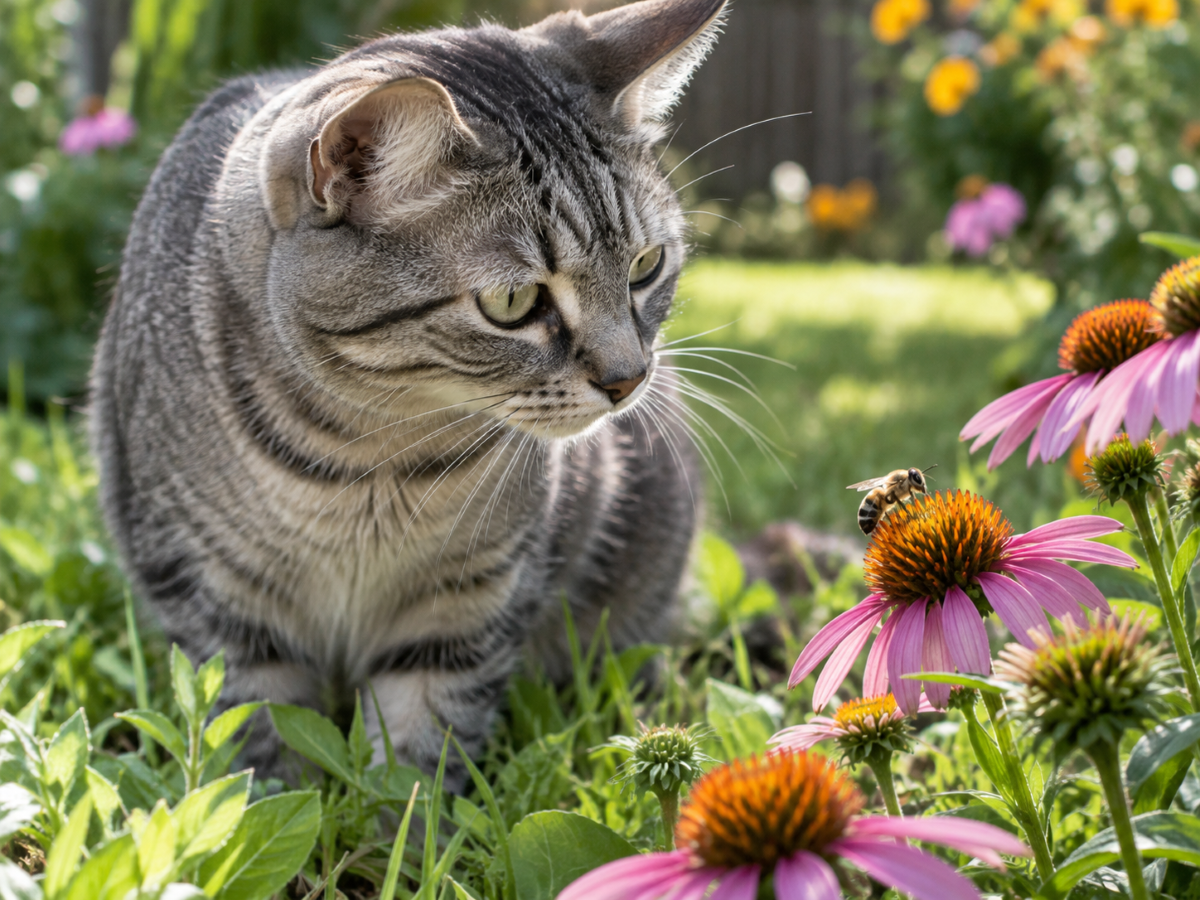
- Pollen, mold, and outdoor allergens
- Fireplace and candle smoke
- Dust from carpets, bedding, and HVAC systems
Not every cat reacts to the same trigger, and some flares have no obvious cause. But reducing the load of airborne irritants, switching to low-dust litter, avoiding smoking indoors, and running an air purifier are some of the most effective things an owner can do between vet visits.
Asthma Attack or Hairball? How to Tell the Difference
This is the single most common point of confusion, and getting it right can change how quickly you respond.
A hairball or gagging episode tends to involve the whole body in a retching, wave-like motion, usually ends with something coming up (or a clear attempt to), and is over fairly quickly. The cat typically returns to normal right afterward.
An asthma attack looks different. The cat crouches low with the neck and head extended toward the floor and the body hunched. The effort is centered in the chest and belly rather than the throat. You may hear wheezing (a high, whistling sound), and the cough is dry and hacking with nothing produced. Breathing stays rapid and labored even after the coughing fit, and the cat may seem unable to settle. Some cats sit with their elbows held away from the body, refusing to lie down, because that posture makes breathing slightly easier.
When in doubt, watch what happens after the episode. A cat that bounces back to normal likely had a hairball. A cat that keeps breathing hard, stays hunched, or has pale or bluish gums is in respiratory distress and needs help.

Warning Signs Every Cat Owner Should Know
Early and Chronic Signs
The earliest signs of asthma are easy to brush off until you know to look for them: occasional dry coughing or wheezing, especially at night; a persistent low-grade cough; mild exercise intolerance; and that distinctive crouched, neck-extended coughing posture. Many cats have these mild signs for months before a serious flare draws attention.
One of the most useful habits you can build is tracking your cat's resting respiratory rate. A healthy cat at rest or asleep typically breathes fewer than 30 times per minute, and many normal cats sit comfortably in the low-to-mid 20s. A sustained climb above 30 breaths per minute while your cat is sleeping is a meaningful red flag worth a call to your veterinarian.
Emergency Signs: Act Immediately
Some signs mean a flare has crossed into a true emergency and your cat needs veterinary care right away:
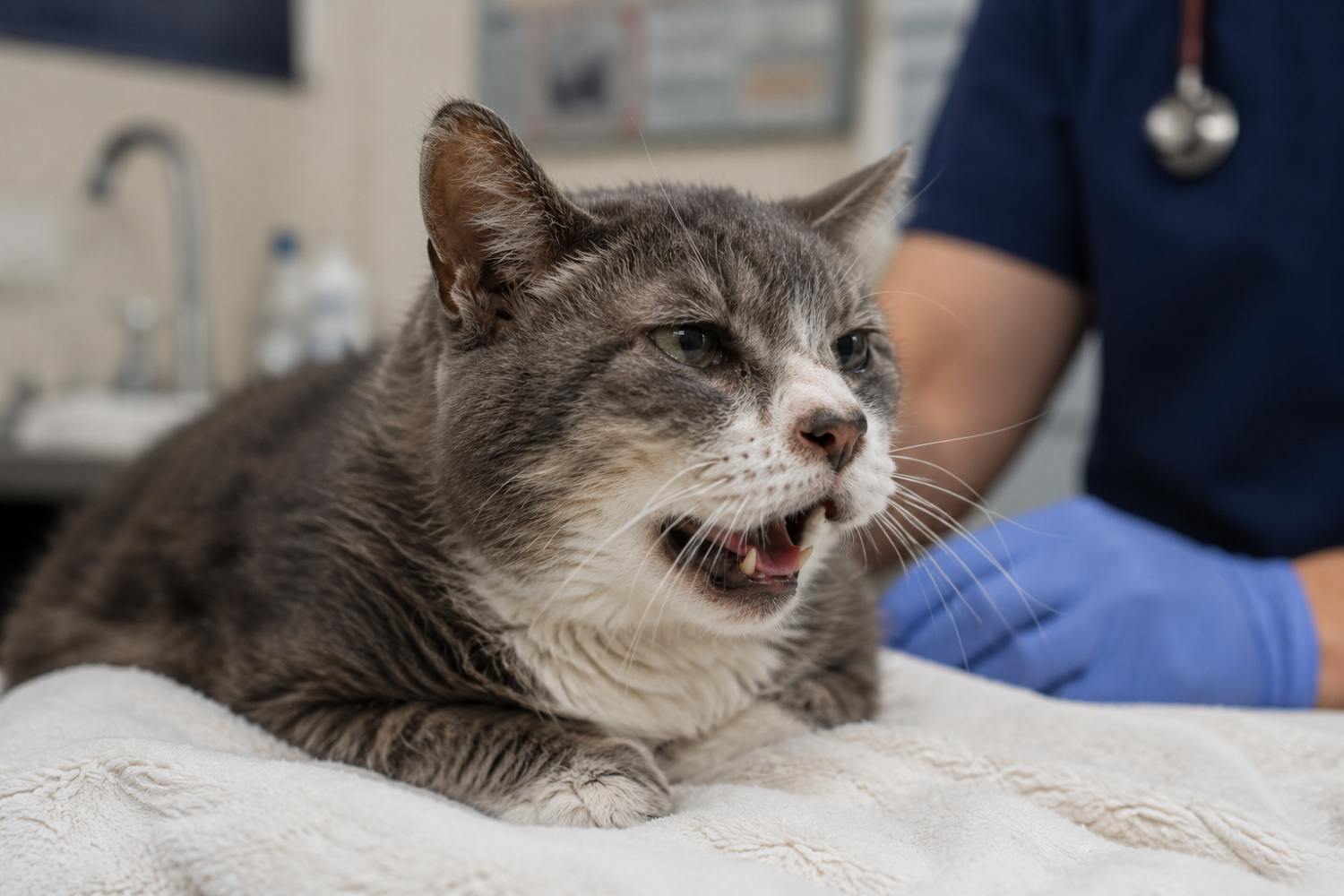
- Open-mouth breathing or panting: cats are obligate nose-breathers, so this is never normal and is always an emergency
- Pale, gray, blue, or purple gums and tongue (a sign of oxygen deprivation)
- Rapid, heaving breathing with exaggerated belly effort
- Sitting hunched with elbows splayed and neck extended, refusing to lie down
- Drooling, weakness, collapse, or unresponsiveness
- Audible wheezing or raspy breathing that doesn't ease within a few minutes
If you see any of these, this is not a "wait and watch" situation. Call your emergency veterinarian and head in.
Why Oxygen Is Central to an Asthma Emergency
When a cat is in the middle of a severe asthma attack, the immediate problem is hypoxemia, which means that too little oxygen reaches the blood because the airways are narrowed and inflamed. In the hospital, the first interventions are almost always the same pairing: medications to open the airways and reduce inflammation (bronchodilators and corticosteroids), and supplemental oxygen to keep blood oxygen levels up while those medications take hold.
Oxygen does two important things during a flare. It raises the concentration of oxygen in each breath, so the still-functional parts of the lung can do more with every effort. And it eases the frantic, exhausting work of breathing. A cat fighting for air is burning energy and spiraling into stress, which only tightens the airways further. Calmer, better-oxygenated breathing helps break that cycle and buys time for the medications to work.
This is where at-home oxygen has changed the picture for many families. Veterinary teams deliver oxygen through cages, masks, and chambers; a well-designed home kit brings a version of that same support into the place where most asthma flares actually begin: your home, often late at night, before you've even reached the car. For an obligate nose-breather already in distress, those first calm minutes can matter a great deal.

The Difference Between a Medical-Grade Setup and a Cheap Canister
Not all "pet oxygen" is created equal, and the distinction genuinely matters for an asthmatic cat. Many inexpensive oxygen canisters sold online deliver a brief, low-concentration puff that does little to meaningfully raise a distressed cat's blood oxygen. For a flare that may call for calm, sustained support, a 30-second spray simply isn't enough.
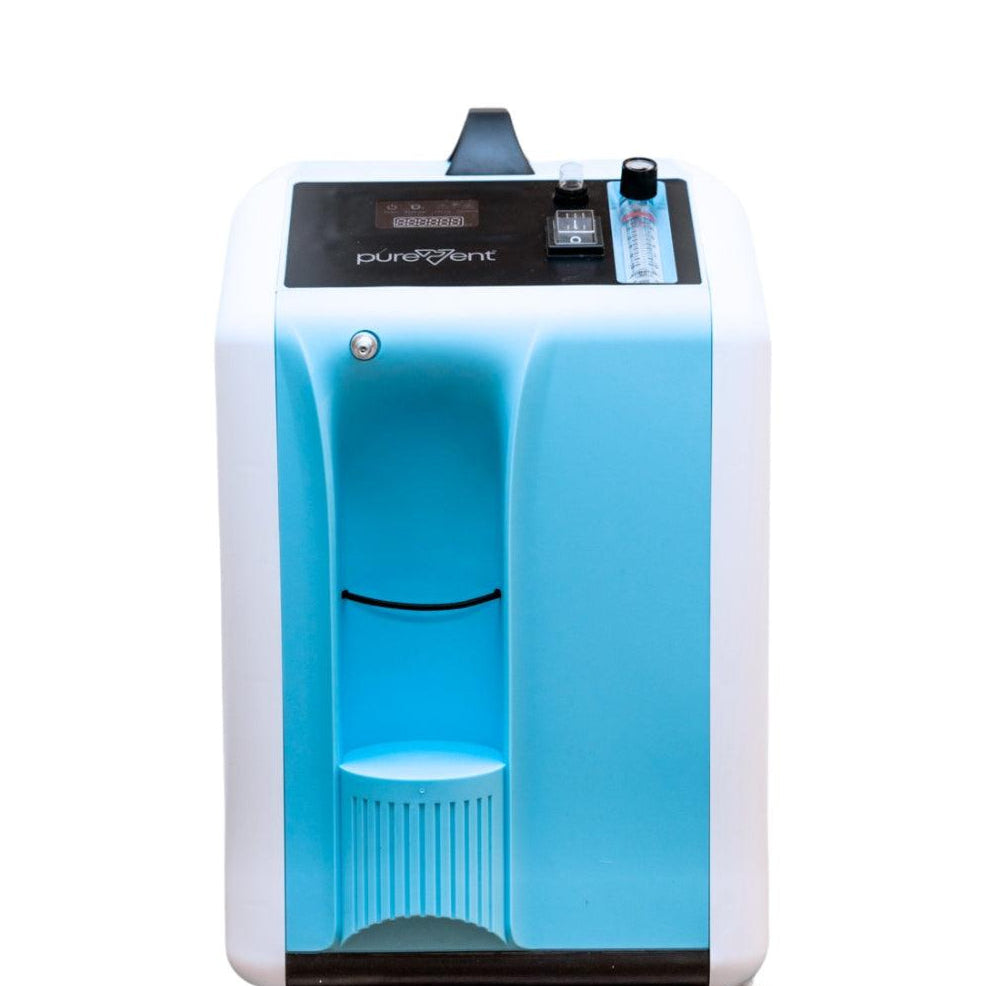
A medical-grade oxygen concentrator paired with a properly sized chamber is built to deliver a genuinely therapeutic oxygen concentration over an extended session. This is exactly why the Oxygen Bundles pair a concentrator with an oxygen chamber: asthma flares can call for longer or repeated sessions, and a concentrator pulls oxygen continuously from room air, so you will never run out of oxygen.
A chamber is also particularly well suited to cats, as many stressed cats tolerate resting inside a quiet, oxygen-rich enclosure far better than they tolerate a mask held to their face. For families who want a grab-and-go option as well, the Rescue Oxygen Kits offer portable support sized for dogs, cats, and working K9s.
To be clear about what home oxygen is and isn't: it is a bridge, not a cure. It supports your cat's oxygen levels while you arrange veterinary care, calm a flare, or manage the minutes before you reach the clinic. It does not replace your veterinarian's diagnosis, prescription medications, or emergency treatment. Used as part of a plan you've built with your vet, though, it can make those critical early minutes far less frightening and far safer.
⭐⭐⭐⭐⭐ Life-saving. Extremely mobile. Easily tailored to a cat's lifestyle. Oxygen can be applied anywhere. Chamber easily set up. Minor assembly questions instantly answered with one phone call. Highly recommended.
Living With an Asthmatic Cat: Building Your Plan
The families who manage feline asthma best tend to share a few habits. They know their cat's triggers and have reduced them at home by making some small changes:
- Purchasing low-dust litter
- Not allowing indoor smoking
- Using fewer aerosols
- Using purifiers for cleaner air
- Keeping prescribed medications on hand
- Never letting an inhaler or steroid course lapse
- Knowing their cat's baseline resting respiratory rate and checking it regularly
- Having their emergency vet's number and route saved before they ever need it
- Keeping an oxygen setup at home so they're not starting from zero when a flare hits at the worst possible hour
Frequently Asked Questions
Can a cat die from an asthma attack?
Yes, a severe asthma attack can be life-threatening. When the airways constrict severely, a cat may not be able to move enough air, leading to dangerous oxygen deprivation. This is why open-mouth breathing, blue-tinged gums, or collapse should always be treated as emergencies requiring immediate veterinary care.
How can I tell if my cat is coughing up a hairball or having an asthma attack?
A hairball episode usually involves whole-body retching that ends with something produced, and the cat returns to normal quickly. An asthma attack is a dry, hacking cough from a low, neck-extended crouch with nothing produced, and the cat often keeps breathing hard afterward. If your cat stays in distress after the episode, treat it as asthma and a possible emergency.
Can I give my cat oxygen at home during an asthma flare?
Supplemental oxygen can support a cat in respiratory distress while you arrange veterinary care, which is why many asthma families keep an at-home setup. It is a bridge to treatment, not a substitute for it. Always involve your veterinarian in building your plan, and never delay emergency care because you're giving oxygen at home.
Why is open-mouth breathing in a cat such a big deal?
Cats are built to breathe through their noses and are experts at hiding illness. By the time a cat is panting or breathing with its mouth open, the underlying problem is usually advanced and serious. Treat it as an emergency every time.
What's the difference between a Rescue Oxygen Kit and an Oxygen Bundle?
The Rescue Oxygen Kits are portable, grab-and-go kits sized for dogs, cats, and K9s and are ideal for quick response. The Oxygen Bundles pair a medical-grade concentrator with a chamber for longer, sustained sessions, which suits chronic conditions like asthma where repeated or extended support may be needed.

Be Ready Before the Next Flare
Feline asthma requires a quiet kind of vigilance from the families who live with it. Knowing the triggers, watching the breathing, and recognizing the difference between a hairball and a real emergency are all vitally important. You can't cure the disease, but you can control your readiness. Reduce your cat's triggers, keep your vet's information close, track your cat's resting respiratory rate, and have oxygen support on hand for the moments that count.
Explore the Oxygen Bundles for sustained at-home support, or the Rescue Oxygen Kits for portable, grab-and-go peace of mind, and build your cat's asthma emergency plan today.
Related Reading
Keep building your pet emergency plan with these guides:
- Congestive Heart Failure in Dogs and Cats: Recognizing a Breathing Emergency and the Role of Oxygen
- Senior Pets and Breathing Problems: A Guide to Aging Lungs, Hearts, and Airways
- Smoke Inhalation in Pets: Symptoms, Emergency Response, and How a Home Oxygen Kit Can Save Your Pet's Life
- Brachycephalic Breeds and Breathing Emergencies: Why Flat-Faced Dogs Need an Oxygen Kit at Home