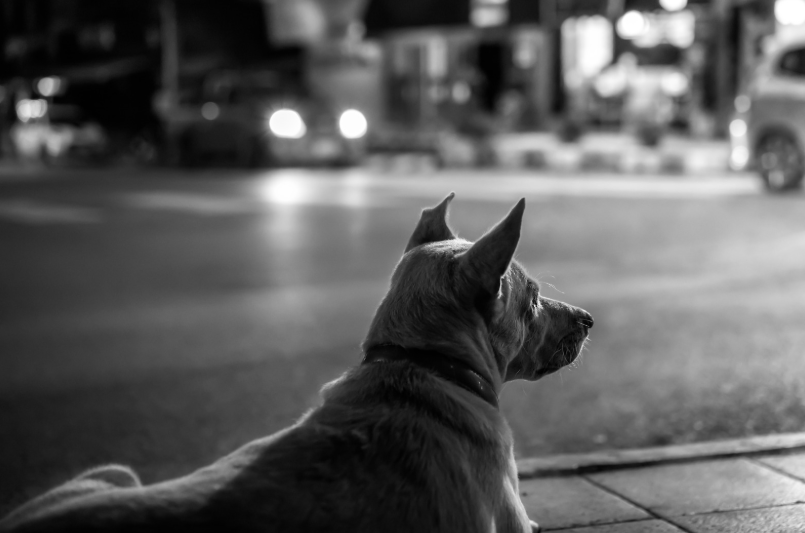
Dog Hit By Car: The Hidden Lung Injury That Shows Up Hours Later
This guide covers what happens inside a dog's chest after being struck by a car, the early warning signs to look for, immediate steps to take on the way to the vet, and why oxygen can be one of the most useful things you can have in the car during the drive.
⏱ 6-minute read | Updated September 2026 | Reviewed by Pawprint Oxygen Veterinary Team | Browse more articles →
Table of Contents
A dog hit by car can walk away from the impact, wag its tail at the door, and still be in serious danger. That's the cruelest part of vehicle trauma in pets: the injury you can see, a limp, a scrape, a yelp, is often not the one that kills. The damage that matters most frequently happens inside the chest, where lungs bruised by the force of impact can take a full day or two to reveal how serious they really are.
This guide covers what happens inside a dog's chest after being struck by a car, the early warning signs that separate a lucky miss from a life-threatening injury, immediate steps to take on the way to the vet, and why supplemental oxygen can be one of the most useful things you have in the car during that drive.

Why "He Seems Fine" Is the Most Dangerous Sentence After a Car Accident
Dogs are hardwired to hide pain and distress. It's a survival instinct left over from life in the wild, where looking weak invites predators. That instinct works against them after trauma. A dog can have fractured ribs, a bruised or bleeding lung, or internal bleeding from a lacerated organ and still stand up, walk a few steps, and seem alert in the first minutes after impact.
In veterinary studies of dogs hit by cars, skeletal injuries were found in the vast majority of cases and soft-organ injuries in roughly a quarter, with the pelvis the most commonly fractured bone and the liver the most commonly injured internal organ. None of that has to be visible from the outside. Shock also masks pain in the first stretch after an accident, so a dog running on adrenaline can look deceptively okay for 20–30 minutes before crashing.
The rule that matters most: any dog hit by a car needs an emergency veterinary exam immediately, regardless of how normal they look. Internal injuries and shock can turn life-threatening within hours, well after the scene of the accident is behind you.

Pulmonary Contusion: The Chest Injury That Gets Worse Overnight
One of the most common, and most underestimated, injuries from blunt vehicle trauma is a pulmonary contusion, essentially a bruise on the lung tissue itself caused by the force of impact against the chest wall.
Here's what makes it dangerous: a pulmonary contusion often does not announce itself right away. Small blood vessels in the lung tissue are damaged and begin to leak into the surrounding lung, but that process is gradual, not instant. A dog can look like it's breathing normally in the first hour, only for the injury to progress steadily over the next 24 to 48 hours as fluid and blood accumulate in the lungs and reduce the amount of working lung tissue available to move oxygen into the blood.

Signs a Pulmonary Contusion May Be Developing
- Rapid, shallow, or labored breathing that appears or worsens hours after the accident
- Coughing, sometimes with blood-tinged mucus
- Gums or tongue that look pale, gray, or blue-tinged (cyanosis), which is a direct sign of low blood oxygen
- Reluctance to lie down flat, or a preference for sitting upright with elbows out
- Visible pain, guarding of the chest, or flinching when the ribcage is touched
- General weakness, lethargy, or reluctance to move
Because this injury develops over time, veterinarians typically want to keep a hit-by-car dog under observation for 48 to 72 hours, even if initial X-rays look reasonably clear. Chest injuries from blunt trauma are, by nature, a moving target in the first two days.
What to Do in the First Minutes After Dog Hit By Car
1. Approach carefully.
A dog in pain and shock, even one who has never bitten anyone in its life, may snap reflexively when touched. Approach slowly, speak calmly, and if you have a soft muzzle or a strip of cloth on hand and your dog is not vomiting or struggling to breathe through the mouth, consider using it before handling an injured area.
2. Move your dog safely, without twisting the spine.
If your dog cannot walk or you suspect a back or neck injury, slide a flat board, a car floor mat, or even a sturdy blanket underneath them as a makeshift stretcher rather than lifting under the belly, which can worsen spinal or internal injuries.
3. Control visible bleeding.
Apply firm, direct pressure to any bleeding wound with a clean cloth. Don't stop to clean or probe road-rash wounds in the field, as that can wait for the vet. If your dog has visible cuts or abrasions from the pavement, a fast-acting hemostatic product like HemoSEAL Critical Pet Wound Spray can help control bleeding during transport, the same way it does for nail and paw injuries.


4. Watch the gums and breathing rate closely.
Check gum color and count breaths per minute if you can do so without stressing your dog further. A normal resting respiratory rate for a dog is roughly 15–30 breaths per minute; anything notably faster, shallower, or paired with pale or bluish gums is a signal that oxygen is not moving through the body normally.

5. Get to an emergency vet immediately. Don't wait to see if symptoms appear.
Call ahead so the clinic can prepare for a trauma case. Even a dog that seems completely normal needs imaging and observation, because the whole danger of chest and abdominal trauma is that it's invisible until it isn't.

Why Oxygen Support Matters on the Drive to the Vet
This is the piece of hit-by-car emergencies that most owners never think about until they're living through one: the trip to the emergency vet itself is a critical window, and it can take 20 minutes, 40 minutes, or longer depending on where you live relative to emergency veterinary care.
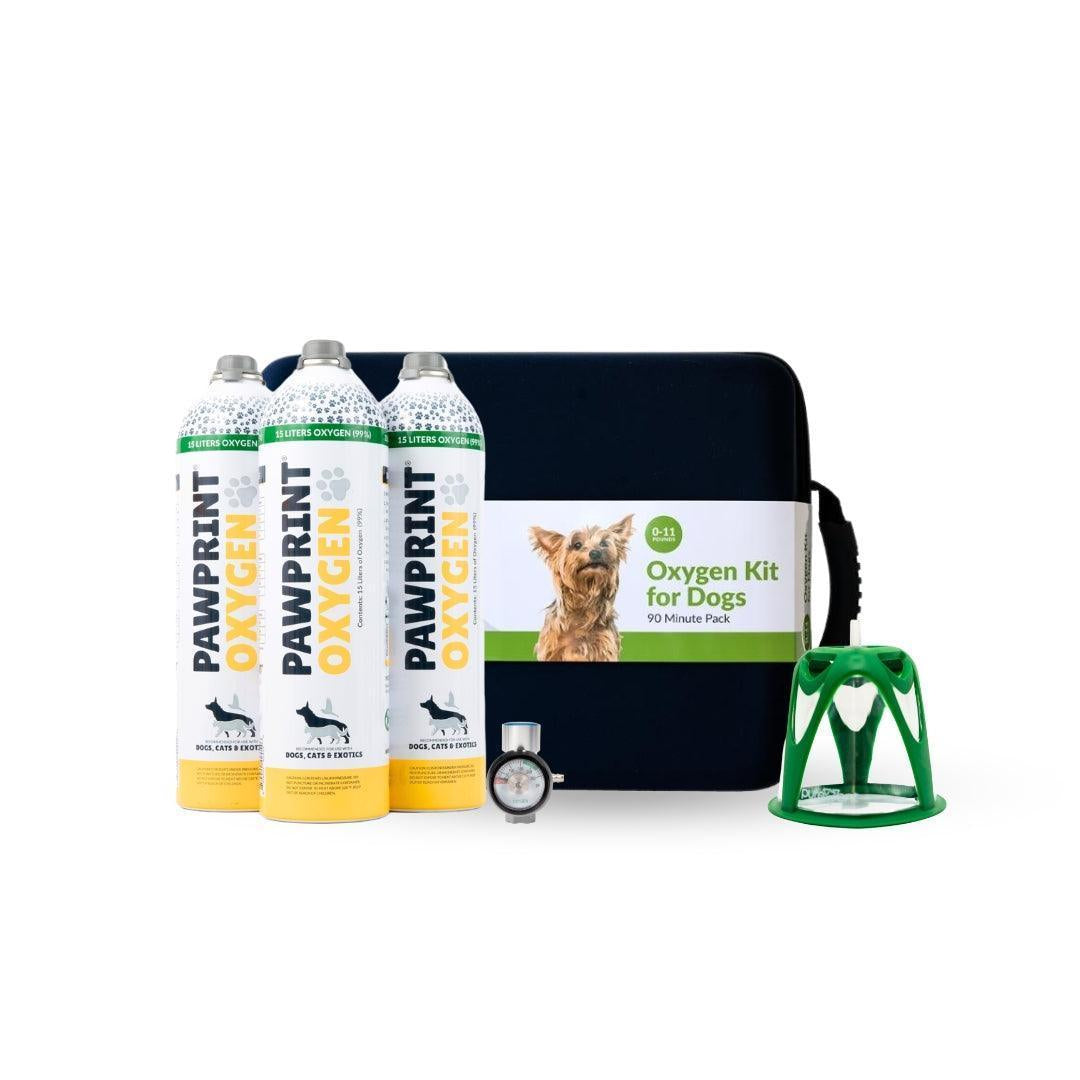
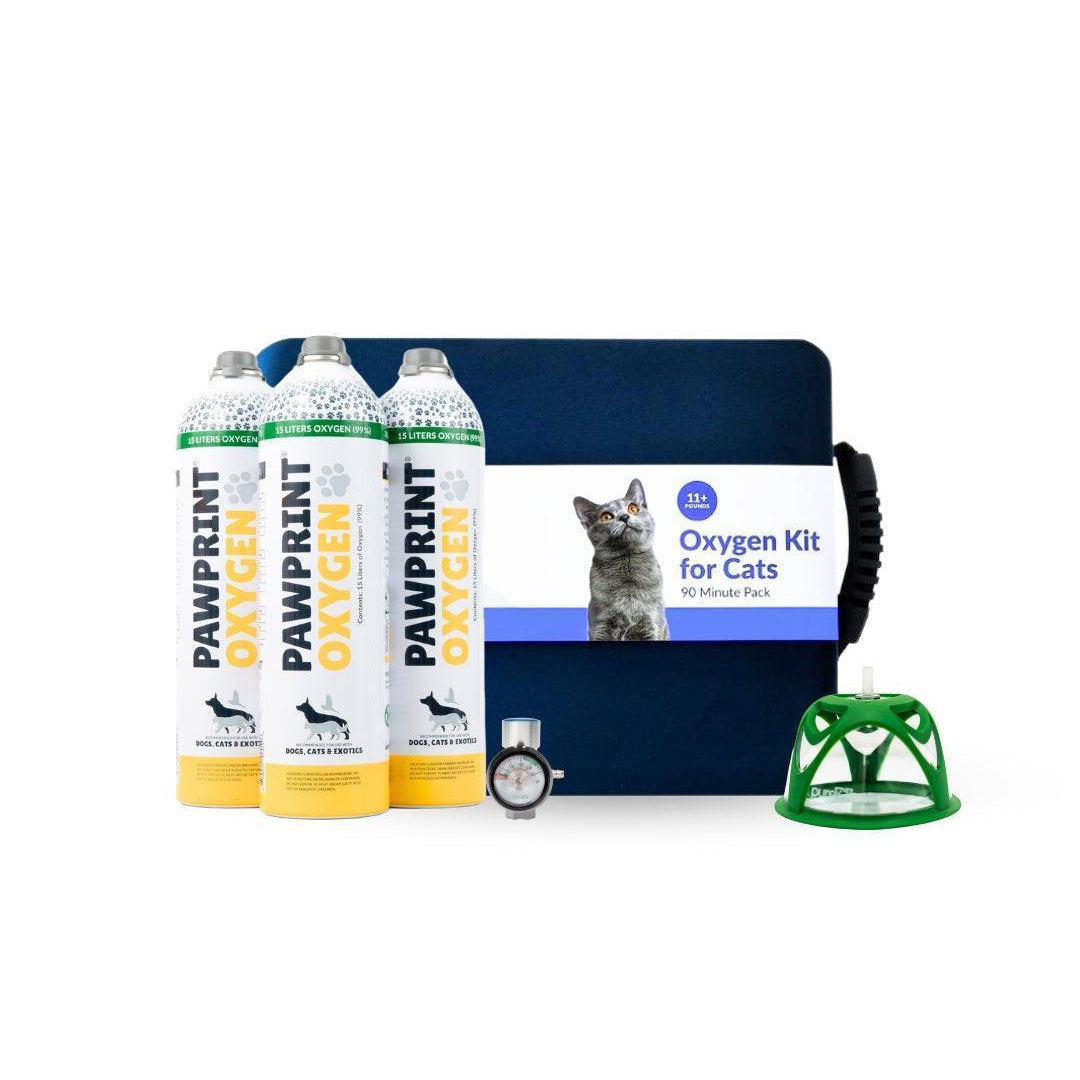
If a pulmonary contusion, rib fracture, or shock is already reducing how efficiently your dog's body is getting oxygen into the bloodstream, that drive is exactly when supplemental oxygen can help the most. A Rescue Oxygen Kit delivers pet-safe supplemental oxygen through a properly fitted mask, helping support a dog whose breathing is labored, whose gums have gone pale or blue, or who is in shock from blunt trauma, buying time and easing the work of breathing until your dog is in professional hands.
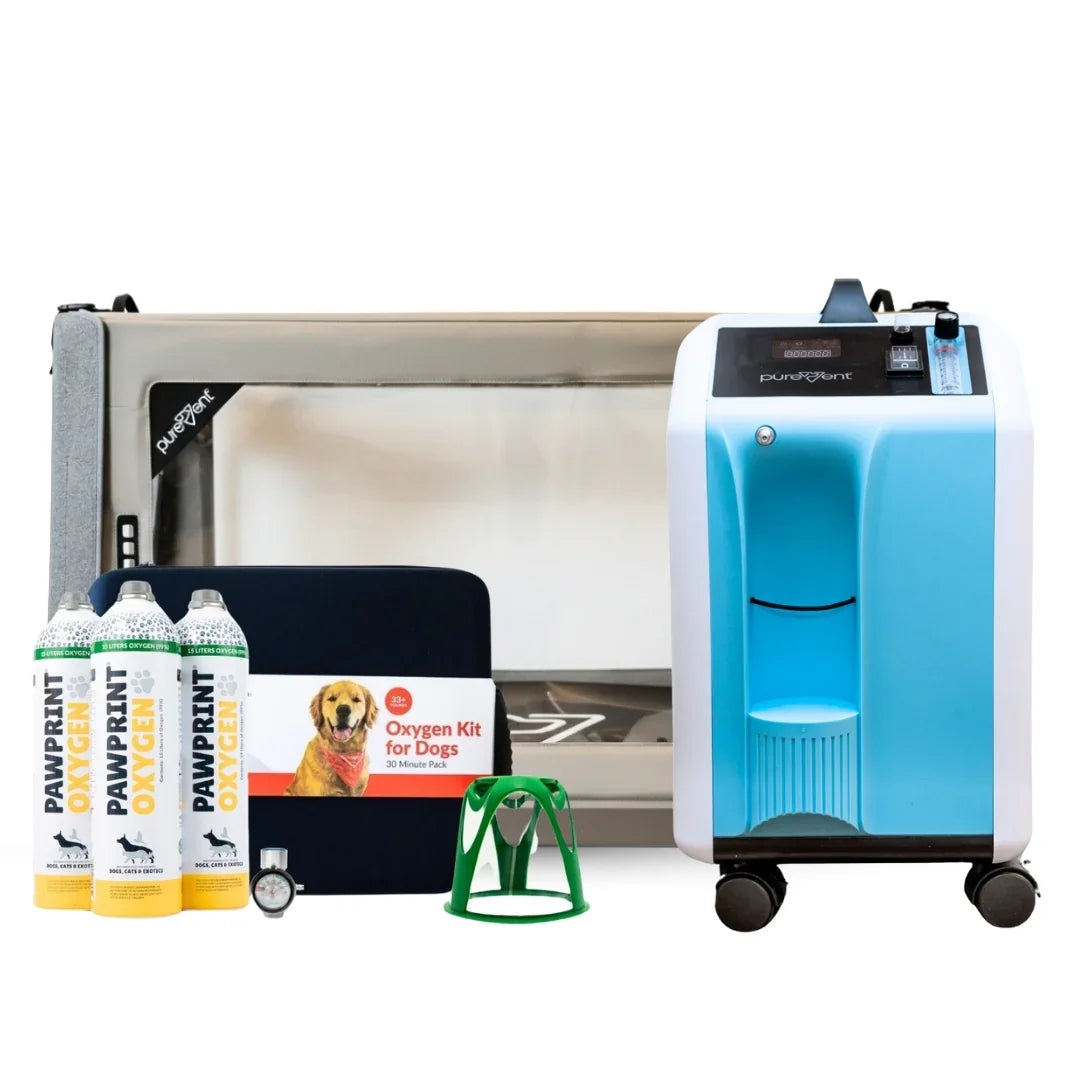
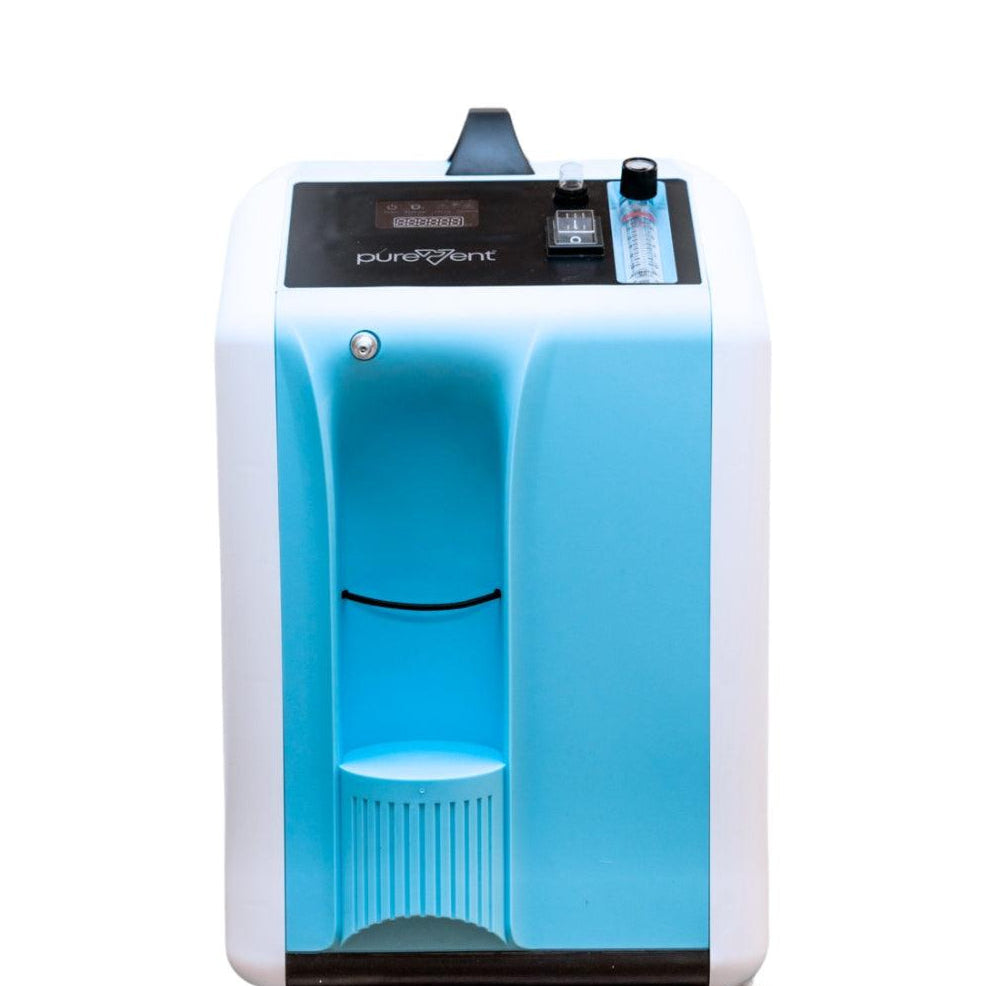
Because pulmonary contusions and post-trauma shock can take a day or two to fully resolve rather than clearing in minutes, some dogs benefit from oxygen support that extends well beyond a quick roadside session. For situations like extended monitoring at home after a vet visit, the Oxygen Bundles pair a medical-grade oxygen concentrator with an oxygen chamber built for sessions between 30 minutes and two hours, reaching therapeutic oxygen saturation levels that portable oxygen canisters simply aren't designed to sustain.
Oxygen support is a bridge, not a substitute for emergency veterinary care. It does not treat internal bleeding, stabilize fractures, or replace the imaging and monitoring a trauma case needs, it supports breathing and buys critical time while you get there.
Building a Trauma-Ready Kit Before You Need It
Car-related accidents happen without warning, on a walk, in the driveway, or when a gate is left open a few inches too many. Being ready ahead of time means:
- Keeping a Rescue Oxygen Kit in the car and at home, not just as an emergency-room afterthought.
- Keeping HemoSEAL or another hemostatic wound spray in your pet first-aid kit for road rash and lacerations.
- Know the location and phone number of the nearest 24-hour emergency vet before you're in a panic looking it up.
- Learn your dog's normal gum color and resting breathing rate so you can spot deviations quickly under stress.
- Consider a K9 Trauma First Aid Kit. The kit is stocked for blunt trauma, bleeding, and shock, useful well beyond hiking and trail emergencies.
Frequently Asked Questions
My dog was hit by a car but seems totally fine. Do I still need to see a vet?
Yes, immediately. Dogs mask pain instinctively, and injuries like internal bleeding or pulmonary contusion can take hours to show visible symptoms. A dog that looks normal in the first 20 minutes can deteriorate quickly once shock wears off.
How long does it take for a pulmonary contusion to show symptoms?
Symptoms often worsen over the first 24 to 48 hours after blunt chest trauma, as bleeding and fluid accumulate in the lung tissue. This is why veterinarians typically recommend observation for 48–72 hours after a car accident, even with initially clear imaging.
What do blue or pale gums mean after an accident?
Pale or bluish gums (cyanosis) indicate the blood isn't carrying enough oxygen, which can result from blood loss, shock, or lung injury reducing oxygen exchange. This is an emergency sign that requires immediate veterinary attention and can benefit from supplemental oxygen support in route.
Can I give my dog oxygen at home after a car accident?
Supplemental oxygen can help support a dog with labored breathing or pale/blue gums during transport to the vet, but it does not replace emergency veterinary evaluation. Internal injuries from vehicle trauma require diagnostic imaging and professional treatment that oxygen support alone cannot provide.
What are the most common injuries in dogs hit by cars?
Fractures, especially of the pelvis and legs, are the most frequent injury, followed by internal soft-organ injuries such as liver damage, along with road rash, head trauma, and chest injuries like pulmonary contusions. Many of these are not visible without veterinary imaging.

Be Ready for the Drive That Matters Most
The minutes after a dog is hit by a car are some of the most stressful an owner will ever face, and also some of the most consequential. Having oxygen support ready before you need it means you're not scrambling to figure out what to do while your dog struggles to breathe in the back seat.
Related Reading
- Dog Choking Emergency: Airway Obstruction, First Aid, and Oxygen
- Pneumonia in Dogs: Symptoms, Emergency Signs, and At-Home Oxygen
- Dog Cut Paw Pad: Field First Aid
- Dog Wheezing: Causes, What It Sounds Like, and When It's an Emergency
- Dog Flu Symptoms: Flu vs Kennel Cough and Emergency Signs
This article is for educational purposes and does not replace veterinary care. If your dog has been hit by a car or shows any signs of breathing difficulty after trauma, seek emergency veterinary attention immediately.