Congestive Heart Failure in Dogs and Cats: Recognizing a Breathing Emergency and the Role of Oxygen
This guide explains what's actually happening inside a pet with congestive heart failure, how to recognize the difference between a bad day and a true respiratory emergency, and why supplemental oxygen, including an at-home setup has become such a valued safety net for families living with a heart-failure pet.
⏱ 10-minute read | Updated July 2026 | Reviewed by Pawprint Oxygen Veterinary Team | Browse more articles →
Table of Contents

Few diagnoses change daily life for a pet owner the way congestive heart failure does. One day your dog or cat is managing a heart murmur that's been "watched" for years; the next, you're up at 2 a.m. listening to them breathe and wondering whether this is the night you need the emergency vet. Congestive heart failure (CHF) is one of the most common serious conditions in aging dogs and cats, and its most dangerous symptom isn't the heart itself; it's the breathing trouble that follows when fluid backs up into the lungs.
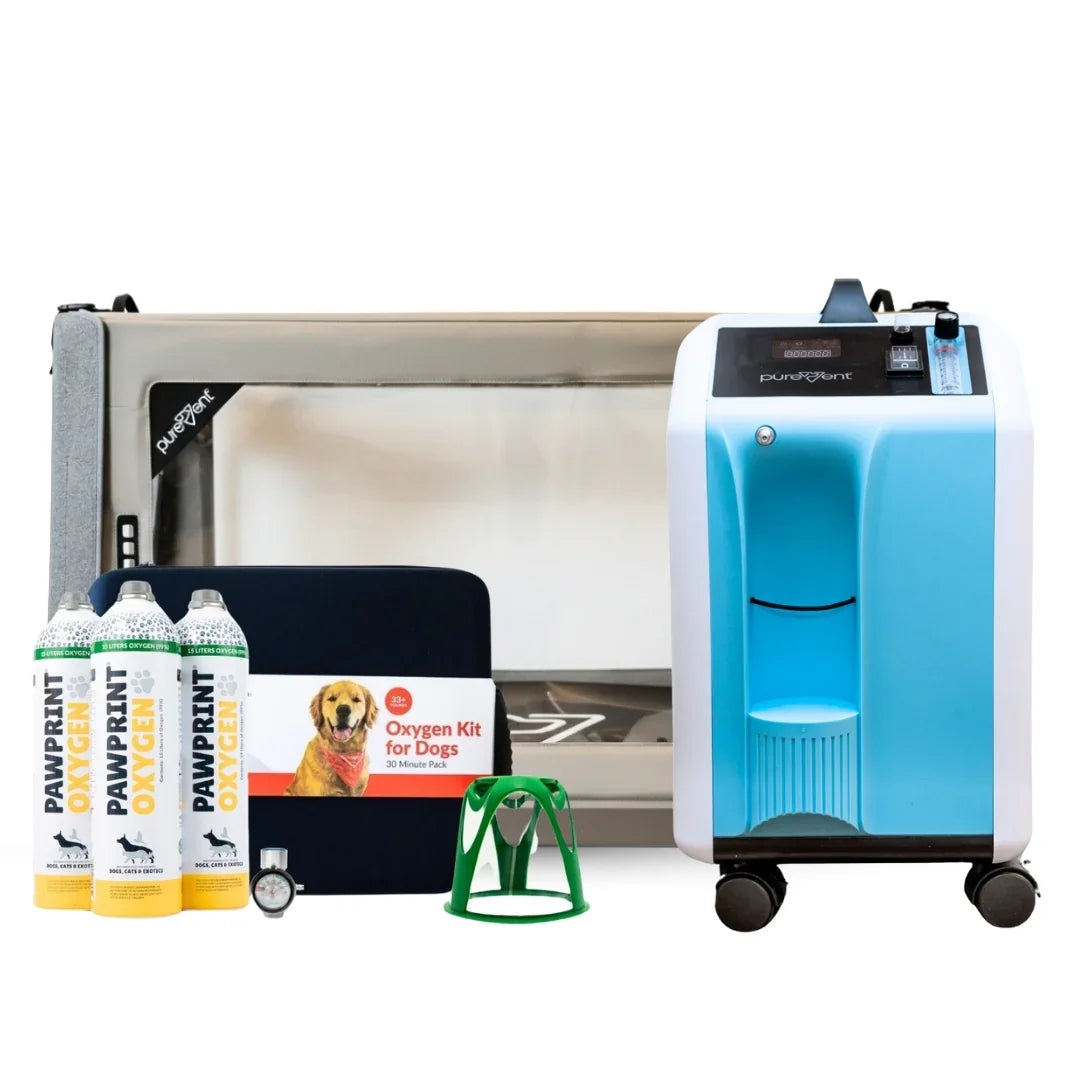
This guide explains what's actually happening inside a pet with congestive heart failure, how to recognize the difference between a manageable bad day and a true respiratory emergency, and why supplemental oxygen, including an at-home setup like the Oxygen Bundles has become such a valued safety net for families living with a heart-failure pet.
What Is Congestive Heart Failure in Dogs?
The heart is a pump, and congestive heart failure is what happens when that pump can no longer keep up. As underlying heart disease like leaky valves, an enlarged heart, or chronic strain, progresses, blood doesn't move forward as efficiently as it should. Pressure builds backward through the circulation, and fluid is forced out of the blood vessels into places it doesn't belong.
In left-sided CHF, the most common form in dogs, that fluid seeps into the lungs themselves. This is called pulmonary edema, and it's the reason heart failure becomes a breathing problem. The tiny air sacs that should be filling with air instead fill with fluid, and the lungs can no longer move oxygen into the bloodstream efficiently. In cats and in right-sided congestive heart failure, fluid may instead collect in the chest cavity around the lungs (pleural effusion) or in the abdomen (ascites). Either way, the end result your pet feels is the same: not enough air.
Understanding this mechanism matters, because it explains why oxygen support is so central to managing a crisis. The problem isn't only a struggling heart. It's lungs that have been partly flooded, leaving far less surface area to absorb oxygen from each breath.
The Warning Signs Every Heart-Failure Family Should Know
CHF rarely announces itself all at once. It builds, and the earliest signals are easy to dismiss until you know to look for them.
Early and chronic signs of congestive heart failure
The single most useful early warning sign is a rising resting or sleeping respiratory rate. A healthy dog or cat at rest typically breathes well under 30 times per minute. In fact, research on healthy adult dogs found average sleeping rates as low as 13 to 15 breaths per minute. When fluid begins to accumulate in the lungs, that number climbs. Other developing signs include a soft, persistent cough (especially at night or after lying down), tiring quickly on walks, restlessness or an inability to get comfortable at night, and reduced appetite.
Emergency signs- act immediately
Some signs mean the situation has crossed into a true emergency and your pet needs veterinary care right away.
- Labored, rapid, or heaving breathing, especially with exaggerated belly effort
- Open-mouth breathing in a cat. This is never normal and is always an emergency
- Pale, gray, or bluish gums and tongue (a sign of oxygen deprivation)
- Standing or sitting with elbows splayed and neck extended, refusing to lie down
- Collapse, fainting, or stumbling
- Coughing up pink, frothy fluid
If you see these, this is not a "wait until morning" situation. Call your emergency veterinarian and head in.
Track the Number That Predicts a Crisis: Resting Respiratory Rate
If you take one practical habit away from this article, make it this one. Counting your pet's sleeping respiratory rate is the closest thing heart-failure families have to an early-warning system, and cardiologists rely on it heavily.
Here's how to do it. While your pet is sleeping soundly (not dreaming or twitching), count one breath each time the chest rises and falls together. That's one full breath. Count for 30 seconds and multiply by two, or count a full 60 seconds for accuracy. Log the number.

A simple notebook or phone note tracking the sleeping rate each evening can catch decompensation days before your pet looks visibly distressed. And those days can be the difference between a medication tweak and an ICU stay.
Why Oxygen Is Central to Congestive Heart Failure Emergencies
When a pet in congestive heart failure struggles to breathe, the immediate problem is hypoxemia, which means too little oxygen is reaching the blood because the lungs are partly filled with fluid. In the hospital, the first interventions are almost always the same pairing: a diuretic like furosemide to pull fluid off the lungs, and supplemental oxygen to keep blood oxygen levels up while the fluid clears.
Oxygen does two important things during a crisis. It raises the concentration of oxygen in each breath, helping the still-functional parts of the lung work harder to compensate. And it reduces the frantic, exhausting work of breathing. A pet gasping for air is burning energy and driving stress, which strains the already-failing heart further. Calmer, better-oxygenated breathing buys time for the medications to work.
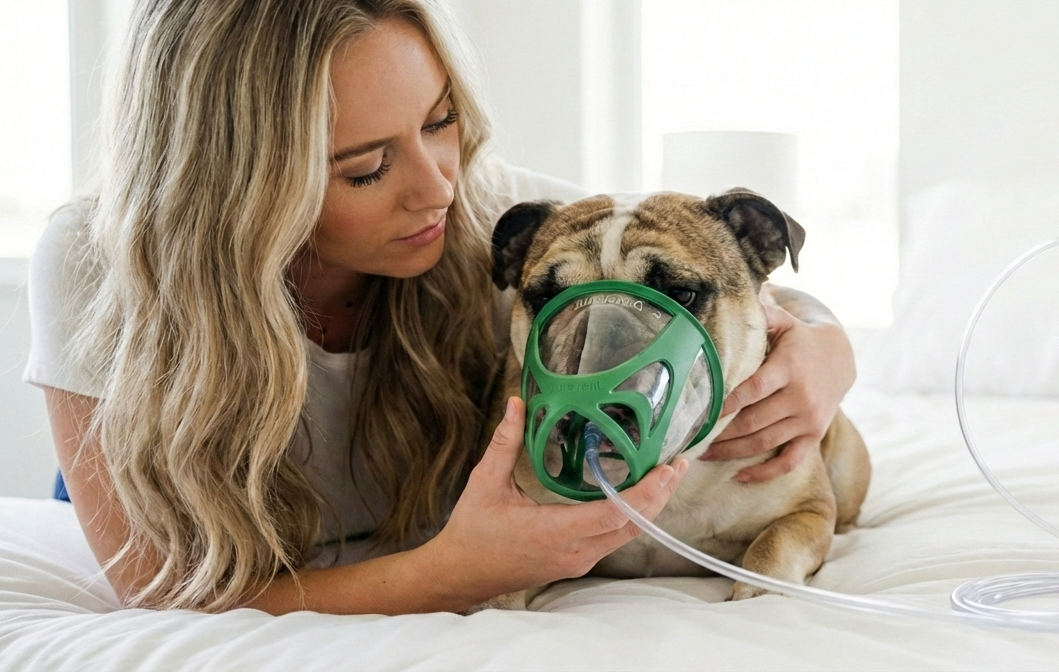
This is where at-home oxygen has changed the picture for many families. Veterinary emergency teams deliver oxygen through cages, masks, and chambers; a well-designed home kit brings a version of that same support into the place where most CHF flare-ups actually begin, your living room, at night, before you've even reached the car.
How Oxygen Helps Pets in a Congestive Heart Failure Episode
- Helps raise blood oxygen levels while diuretics begin removing fluid from the lungs
- Supports the healthier areas of the lungs so each breath delivers more oxygen
- Reduces the exhausting effort and panic associated with severe breathing distress
- Lowers added stress on an already weakened heart
- Buys valuable time while medications take effect and veterinary care is arranged
- Provides immediate support at home, where many CHF flare-ups first begin

The Difference Between a Medical-Grade Setup and a Cheap Canister
Not all "pet oxygen" is created equal, and this distinction genuinely matters for a congestive heart failure pet. Many inexpensive oxygen canisters sold online deliver a brief, low-concentration puff that does little to raise a distressed pet's blood oxygen in a meaningful way. For a chronic condition like CHF, where a pet may need calm, sustained support during a flare, that's not enough.
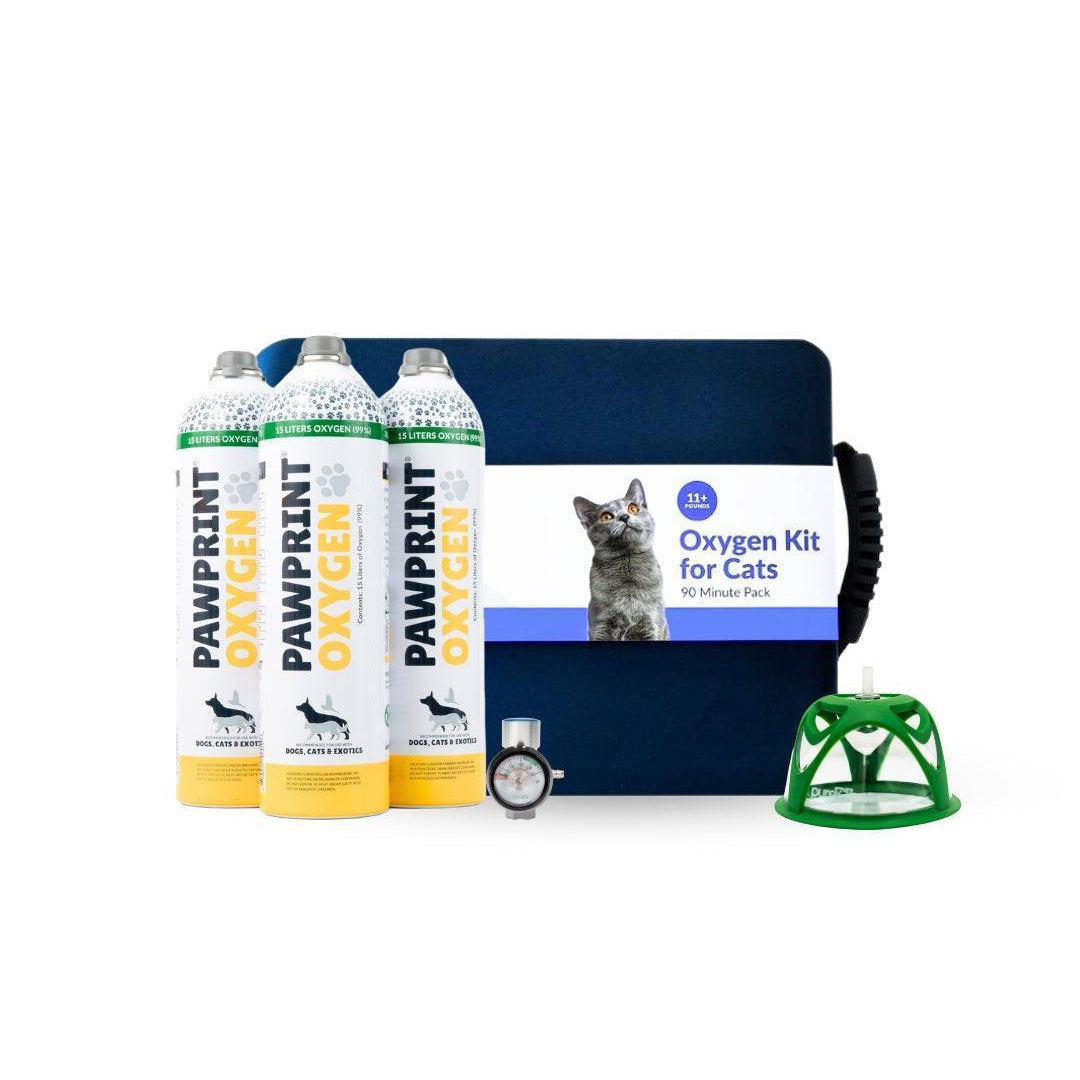
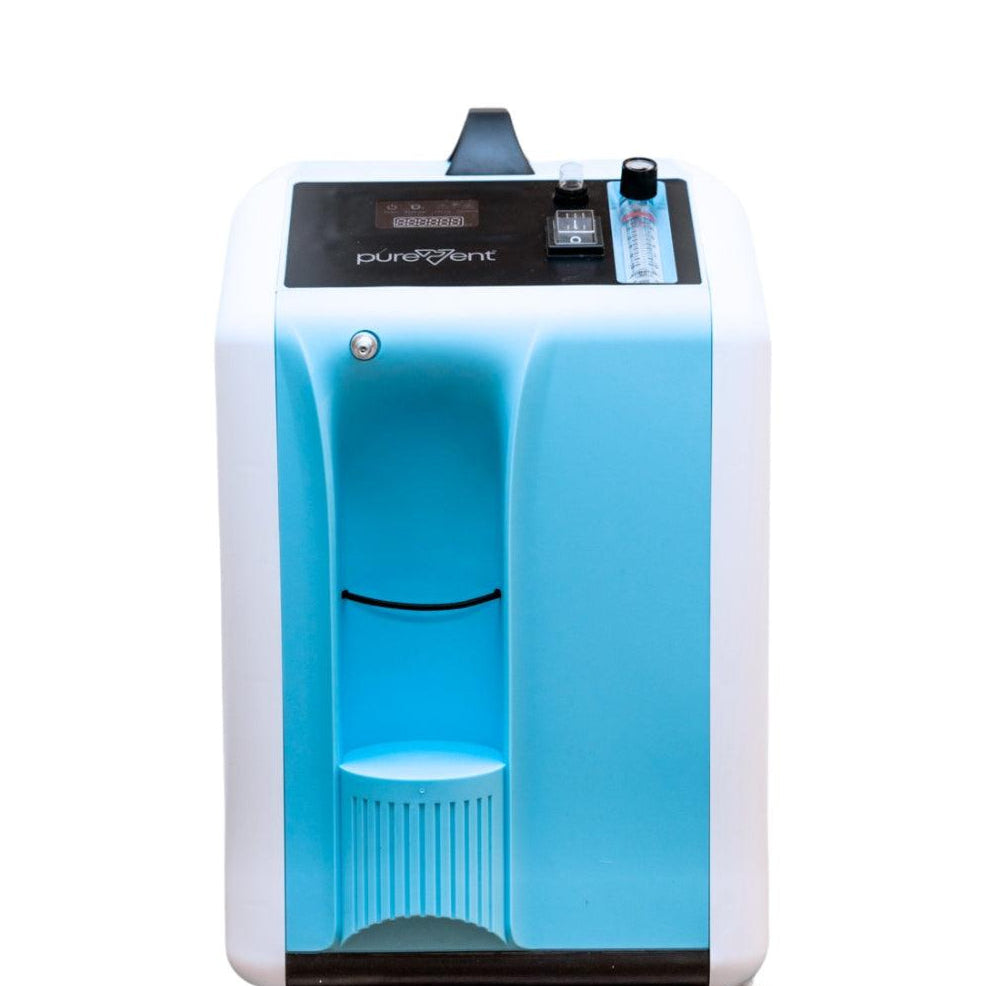
A medical-grade oxygen concentrator paired with a properly sized pet oxygen chamber is built to deliver a genuinely therapeutic oxygen concentration over an extended session, not a 30-second spray. This is exactly why the Oxygen Bundles pair a concentrator with an oxygen chamber: congestive heart failure episodes often call for longer, repeated sessions, and a concentrator pulls oxygen continuously from room air so you're never counting down a disposable canister during an emergency. For families who want a grab-and-go option as well, the Rescue Oxygen Kits offer portable support sized for dogs, cats, and working K9s.
To be clear about what home oxygen is and isn't: it is a bridge, not a cure. It supports your pet's oxygen levels while you arrange veterinary care, calm a flare, or manage the minutes before you reach the clinic. It does not replace your veterinarian's diagnosis, prescription diuretics, or emergency treatment. Used as part of a plan you've built with your vet, though, can make those critical early minutes far less frightening, and far safer.

Living With a Congestive Heart Failure Pet: Building Your Plan
The families who navigate congestive heart failure best tend to have a few things in common. They know their pet's baseline sleeping respiratory rate and check it regularly. They keep medications filled and never let a diuretic prescription lapse. They have their emergency vet's number and route saved before they ever need it. And increasingly, they keep an oxygen setup at home so they're not starting from zero when a flare hits at the worst possible hour.
It's also worth talking with your veterinarian about what an at-home oxygen plan should look like for your specific pet, how long a session is appropriate, what oxygen flow makes sense, and what signs mean "go to the hospital now" regardless. A short conversation at a calm appointment is far better than improvising during a crisis.
Frequently Asked Questions
How long can a dog or cat live with congestive heart failure?
It varies widely depending on the underlying cause and how early it's caught. Many pets live comfortably for months to a couple of years with good medication management and home monitoring. Catching flares early, often through resting respiratory rate tracking, is one of the biggest factors in quality of life and longevity. Your veterinarian can give you a realistic picture for your pet's specific diagnosis.
Is my dog's fast breathing always a sign of heart failure?
Not always. Fast breathing can come from heat, pain, anxiety, fever, or other lung conditions. But in a pet with known congestive heart disease, a sustained rise in the sleeping respiratory rate above 30 breaths per minute is a meaningful red flag that warrants a call to your veterinarian.
Why is open-mouth breathing in a cat such a big deal?
Cats are built to breathe through their noses and are experts at hiding illness. By the time a cat is breathing with its mouth open or panting, the underlying problem is usually advanced and serious. Treat it as an emergency every time.
What's the difference between a Rescue Oxygen Kit and an Oxygen Bundle?
The Rescue Oxygen Kits are portable, grab-and-go kits sized for dogs, cats, and working K9s, which are ideal for quick response. The Oxygen Bundles pair a medical-grade concentrator with a chamber for longer, sustained sessions, which suits chronic conditions like congestive heart failure where repeated or extended support may be needed.
Can I give my pet oxygen at home during a congestive heart failure flare?
Supplemental oxygen can support a pet in respiratory distress while you arrange veterinary care, which is why many congestive heart failure families keep an at-home setup. It is a bridge to treatment, not a substitute for it. Always involve your veterinarian in building your plan, and never delay emergency care because you're giving oxygen at home.

Be Ready Before the Next Hard Night
Congestive heart failure asks a lot of the families who live with it, vigilance, medication routines, and the quiet courage of listening to your pet breathe in the dark. You can't control the disease, but you can control your readiness. Know your pet's resting respiratory rate, keep your vet's information close, and have oxygen support on hand for the moments that count.
Explore the Oxygen Bundles for sustained at-home support, or the Rescue Oxygen Kits for portable, grab-and-go peace of mind, and build your congestive heart failure emergency plan today.
Related Reading
Keep building your pet emergency plan with these guides: