
Anaphylaxis in Dogs and Cats: Recognizing a Severe Allergic Reaction Before It Becomes an Emergency
Anaphylaxis in pets can escalate in minutes, and dogs and cats show it differently. Learn the warning signs by species, what emergency vets do, and how a Rescue Oxygen Kit helps on the way there.

Most dog colds end quietly in a week or two. Knowing the thresholds means you can support your dog through the mild version with confidence, and act fast on the rare one that turns serious.

Taurine for Dogs: What It Does, Who Runs Low, and When to Supplement
Taurine is given with food, usually split across the day, and the response horizon is long: veterinary cardiologists typically reassess with an echocardiogram after three to six months. Safety is o...
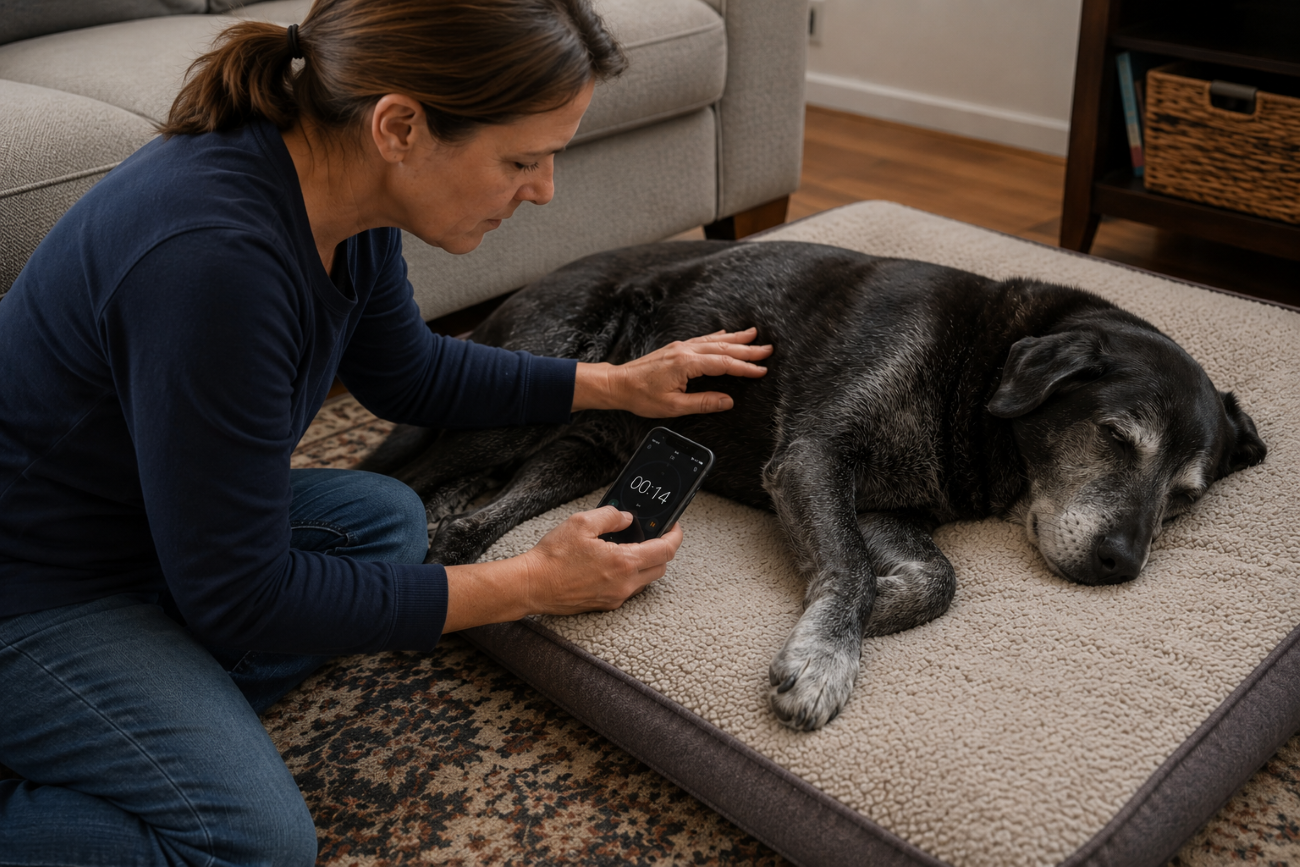
Signs Your Dog Is Dying of Heart Failure
Everything in this article compresses to one practical instruction: measure, log, and decide thresholds with your veterinary team before the crisis forces the decision for you. A daily sleeping res...
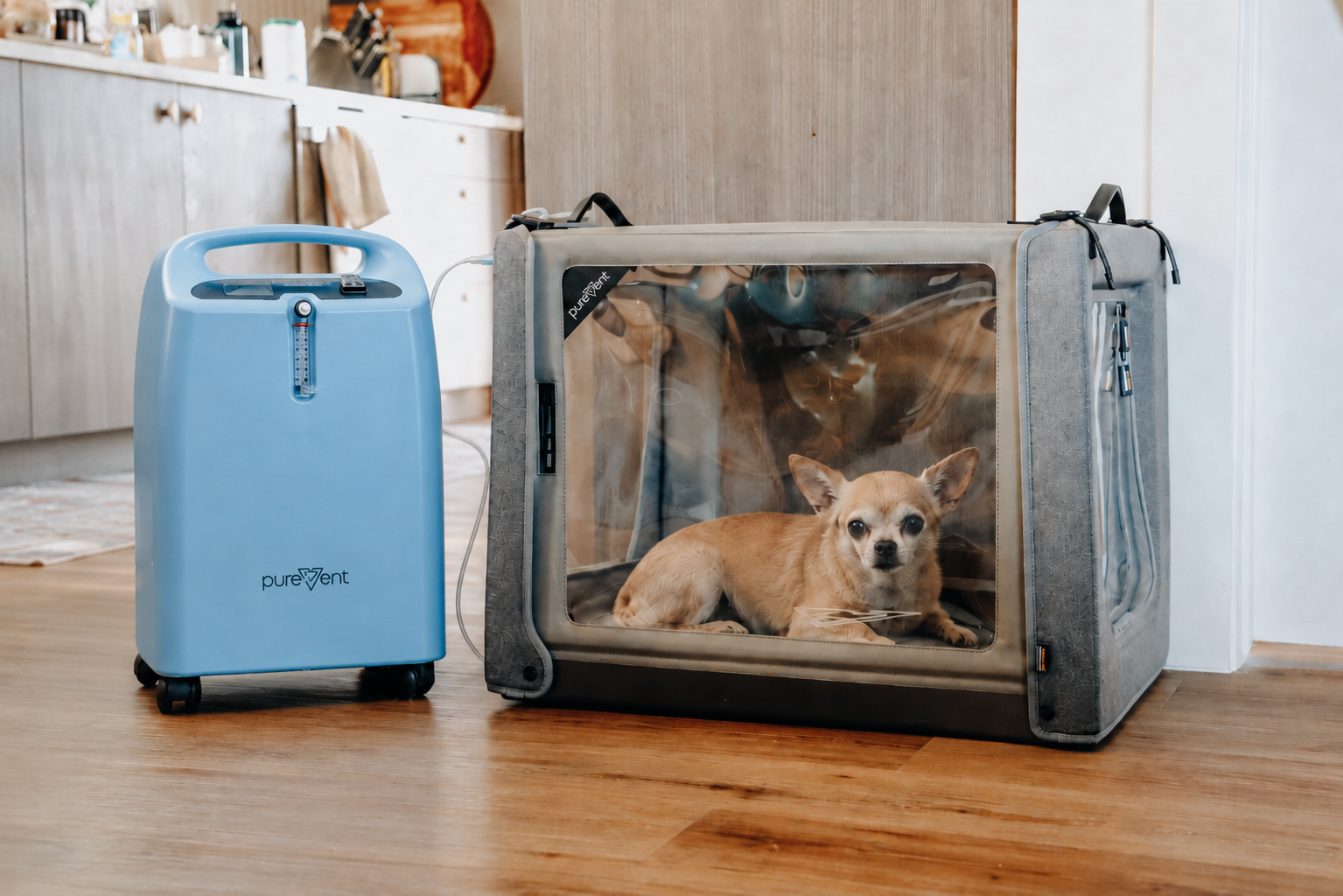
Oxygen Therapy After Surgery: Helping Your Dog or Cat Recover Safely at Home
Many airway, chest, and heart surgeries leave pets needing extra oxygen support. Learn which procedures call for it, warning signs, and how to set up safe at-home oxygen recovery.
Pneumonia in Dogs: Symptoms, Emergency Signs, and How At-Home Oxygen Can Help
Learn to spot pneumonia in dogs (coughing, fast breathing, fever, and blue gums) plus what causes it, when it's an emergency, and how at-home oxygen can stabilize your dog before the vet.
Recent Blog posts

Oxygen Therapy for Your Exotic Pets
We'll go over the top exotic pets using oxygen therapy. Pet owners will learn when and why most exotic pets utilize oxygen therapy and the products used to administer oxygen.
Anaphylaxis in Dogs and Cats: Recognizing a Severe Allergic Reaction Before It Becomes an Emergency
Anaphylaxis in pets can escalate in minutes, and dogs and cats show it differently. Learn the warning signs by species, what emergency vets do, and how a Rescue Oxygen Kit helps on the way there.

Dog Hit by Car: The Hidden Lung Injury That Shows Up Hours Later
A dog hit by a car can look fine and still be in danger. Learn the hidden signs of pulmonary contusion, what to do in the first minutes, and why oxygen support matters in the 24–48 hours after.