If your veterinarian has diagnosed tracheal collapse, or strongly suspects it, you've probably heard that honking cough more times this week than you can count. Most of what helps happens at home, in small changes to walks, meals, air, and sleep.
The trachea (windpipe) is held open by C-shaped rings of cartilage. In a collapsing trachea, those rings flatten and don't regain their original shape, and the condition progresses over time. Good home care can still mean fewer coughing fits and easier days.
If your dog's case is mild, much of the day-to-day care may happen at home. Moderate or severe cases usually add medication from the vet, such as cough suppressants or anti-inflammatories. See what veterinarians prescribe for collapsed trachea and our signs of collapsed trachea guide.
Every tracheal collapse home treatment step below works alongside your veterinarian's plan. If a suggestion here conflicts with what your vet has told you, follow your vet and bring the question to your next appointment.
⏱ 10-minute read | Updated October 2026 | Reviewed by Pawprint Oxygen Veterinary Team | Browse more articles →
Table of Contents
Take Pressure Off the Windpipe
1) Use a Harness Instead of a Collar
Anything pressing on the front of the neck presses on the trachea. Leash pulling is a common trigger for a honking cough, because each lunge toward a squirrel loads the collar straight onto your dog's windpipe.
Veterinarians recommend a harness for dogs with tracheal collapse because it spares the trachea direct compression. A wide or padded collar still presses on the front of the neck once the leash pulls tight.
When you shop for a harness, look for:
A vest or step-in design with padding where it sits on the chest
A neckline that sits low, with nothing across the throat
A clip on the chest if your dog pulls, which steers them back toward you
Indoors, your dog can go collar-free; clip the ID tags onto the harness instead. Retire prong collars, choke chains, and slip leads for good. If pulling is a habit, a few sessions with a positive-reinforcement trainer can take a lot of tension off every walk.
Keep the leash-up routine quiet, too. Barking and spinning at the door are classic setups for a fit, and lowering excitement and barking can reduce how often your dog feels the urge to cough.
2) Weight Management
When a dog carries extra weight, some of it sits around the neck and inside the chest, right where the windpipe runs. If your dog is overweight, weight loss is one of the most effective steps you can take. Veterinary sources link it to less coughing and fewer clinical signs.
Small-breed dogs feel every ounce. Yorkshire Terriers, Pomeranians, Chihuahuas, and toy Poodles are among the dogs most often affected. On a 7-pound Yorkie, a 1-pound gain adds about 14% to body weight.
Ask your vet for a target weight and a daily calorie amount
Measure every meal with a cup or a kitchen scale
Count treats, chews, and any honey toward the daily total
Exercise still matters. Several short strolls a day keep your dog moving without the strain of a long hike or a game of fetch. Turn back as soon as the panting picks up.

Make the Air Easier to Breathe
Your dog's airway reacts to whatever is in the room. The space where your dog rests and sleeps deserves the most attention, and these airway irritants are the usual culprits:
Cigarette, vape, fireplace, and wood-stove smoke
Aerosol sprays, plug-in air fresheners, and scented candles
Essential-oil diffusers, including “calming” blends
Harsh cleaning products, heavy perfume, and grooming powders
Household dust
Smoke deserves the most effort. Dogs who live with smokers may show more severe signs, and the residue carried in on clothing, rugs, and fabric counts too. If someone in your home smokes outdoors, a change of shirt before cuddling your dog helps.
Running a HEPA air purifier where your dog naps and sleeps pulls dust and other particles out of the air. Change your HVAC filters on schedule as well, and open a window after cleaning when the weather allows.
1) Keep Your Dog Cool in Hot Weather
Hot, humid weather is hard on dogs with tracheal collapse. Veterinary guidance favors keeping them in a cool space with low humidity, and air conditioning on hot, muggy days.
In summer, run the AC or a fan whenever the house heats up, and time walks for early morning or after sunset with shade and a water bottle along. Keep your dog off hot pavement and out of parked cars, and run the car's AC for a few minutes before your dog gets in.
2) Winter Air and Seasonal Triggers
Cold months bring their own problems. Indoor heating dries the air, and fireplaces and wood stoves add smoke. Holiday boarding or daycare also raises the odds of a respiratory bug like kennel cough, and airway infections can make tracheal collapse worse for a while.
When the heat runs all day and the air turns dry, some dogs do better with added humidity. Ask your vet whether a cool-mist humidifier suits your dog, keep it on a moderate setting, and clean the tank often so mold doesn't build up.
Some owners also notice more coughing on cold mornings. If you see that pattern, add it to your cough log and bring it up at your next visit. On the coldest days, a short walk in a harness and a quick trip back inside covers what your dog needs.


Eating, Drinking, and Handling
Water time sets off a lot of these dogs. You may hear a cough or gag mid-drink or a minute after. Raised bowls help many of them, and if your dog gulps, a slow-flow water bowl slows things down. You can also put out a little water at a time and refill it through the day.
1) What to Feed a Dog With Collapsed Trachea
Dogs with tracheal collapse don't need a special diet. Focus on portion control and food your dog can swallow without effort.
Soften kibble with warm water or a low-sodium broth made without onion or garlic
Split the daily amount into smaller, more frequent meals
Skip hard dry chews and rawhide, which can cause gagging
2) How to Carry a Dog With Tracheal Collapse
Lifting a small dog under the front legs squeezes the chest and neck. Support the chest with one hand and the back end with the other, keeping your dog level the way you'd carry a full tray.
Pet steps or a ramp by the couch, bed, and car door save your dog from launching up and down, which keeps things calmer.
Best Sleeping Position for a Dog With Collapsed Trachea
Many dogs with tracheal collapse rest more comfortably with the head slightly raised and the neck stretched straight.
A bolster bed or a bed with raised edges gives your dog a built-in head rest. A rolled towel or small wedge pillow under the head works too.
Plenty of dogs sort this out on their own, stretching the neck out or resting the head over the edge of the bed. If yours does, there's no need to reposition them.
1) Nighttime Coughing
If coughing keeps your dog up at night, a few bedroom changes can help:
Set the thermostat a little lower in the bedroom
Place the purifier near the bed, or a humidifier if your vet has okayed one
Leave the collar off overnight
Save play for earlier and keep the last hour quiet
Tell your vet if your dog keeps shifting or can't settle lying down. That can mean the collapse is progressing or that something else is going on. Many small dogs with tracheal collapse also have mitral valve disease, so your vet may want to check the heart as part of the workup.
2) Checking Your Dog's Breathing While Asleep
Your dog's sleeping breathing rate is a simple number you can track at home. Count breaths for a full minute while your dog sleeps, with one rise and fall of the chest counting as one breath. Our guide on how to measure your pet's respiratory rate walks through the technique.
Healthy adult dogs usually stay under about 30 breaths per minute while asleep. If your dog's rate stays above that consistently, call your vet. This guideline applies to adult dogs, so ask your vet what's normal for a puppy.

Remedies for Collapsed Trachea in Dogs to Ask Your Vet About
Home remedies come up in almost every conversation about collapsed trachea. Treat each one as a question for your vet, who knows your dog's other conditions and medications and can say whether it fits the care plan.
1) Honey
Honey is the remedy owners reach for most often when they want a natural cough suppressant for a dog with collapsed trachea. If your vet says yes, they'll suggest an amount based on your dog's size, and some recommend stirring it into warm water.
Check with your vet before giving honey to a puppy or to a dog who is diabetic, overweight, or immunocompromised. Honey also counts toward the daily calorie total.
2) Calming Support
Excitement and anxiety often set off coughing fits, and calmer days can mean less coughing. Keep arrivals and departures low-key, and move greetings away from the front door or muffle the doorbell. In place of chase games, try sniff mats, food puzzles, or lick mats.
Some vets suggest calming supplements such as L-theanine, chamomile, or melatonin. Ask which products your vet trusts before you buy one, and raise CBD the same way. If fireworks or storms reliably set off fits, your vet may prescribe a sedative to give ahead of time.
3) Benadryl
Benadryl (diphenhydramine) is an antihistamine. Whether your dog should have it, when, and how much is your vet's call. The same goes for any human cough or cold medicine, which should never be given without your vet's approval.
During a Coughing Fit
A typical fit is a honking cough, often compared to a goose honk, that ends in gagging or retching. Each round of coughing irritates the airway and sets up more coughing, so the goal is to help your dog settle quickly.
Your dog picks up on your tension, so keep your voice and hands calm as you work through these steps:
Unclip the leash and take off any collar.
Sit your dog up, one hand under the chest, so the neck stays long and straight.
Get into cooler air, near an AC vent or fan and well away from smoke or perfume.
When the honking stops, offer a small sip of water if drinking doesn't usually set off a fit, and give your dog something calm to focus on.
If honey is already part of your vet's plan, give the usual amount.
For a fuller walkthrough, read 5 things to do during a collapsed trachea episode.

When Tracheal Collapse Home Treatment Isn't Enough
1) Go to an Emergency Vet Now
Any of these signs means getting to an emergency vet right away. Phone the clinic from the car so the team is ready when you walk in:
Blue, grey, or pale gums or tongue
Nonstop coughing that doesn't ease when you hold your dog upright
Labored breathing at rest, with the chest and belly working hard on each breath
Extreme panic or distress
Collapse or fainting
2) Oxygen for Dogs With Collapsed Trachea on the Way to the Vet
Severely affected dogs may need oxygen. During a bad episode, supplemental oxygen can help steady your dog's breathing on the drive, and your vet handles the treatment once you arrive. We explain how this works in oxygen therapy for pets with collapsed trachea.
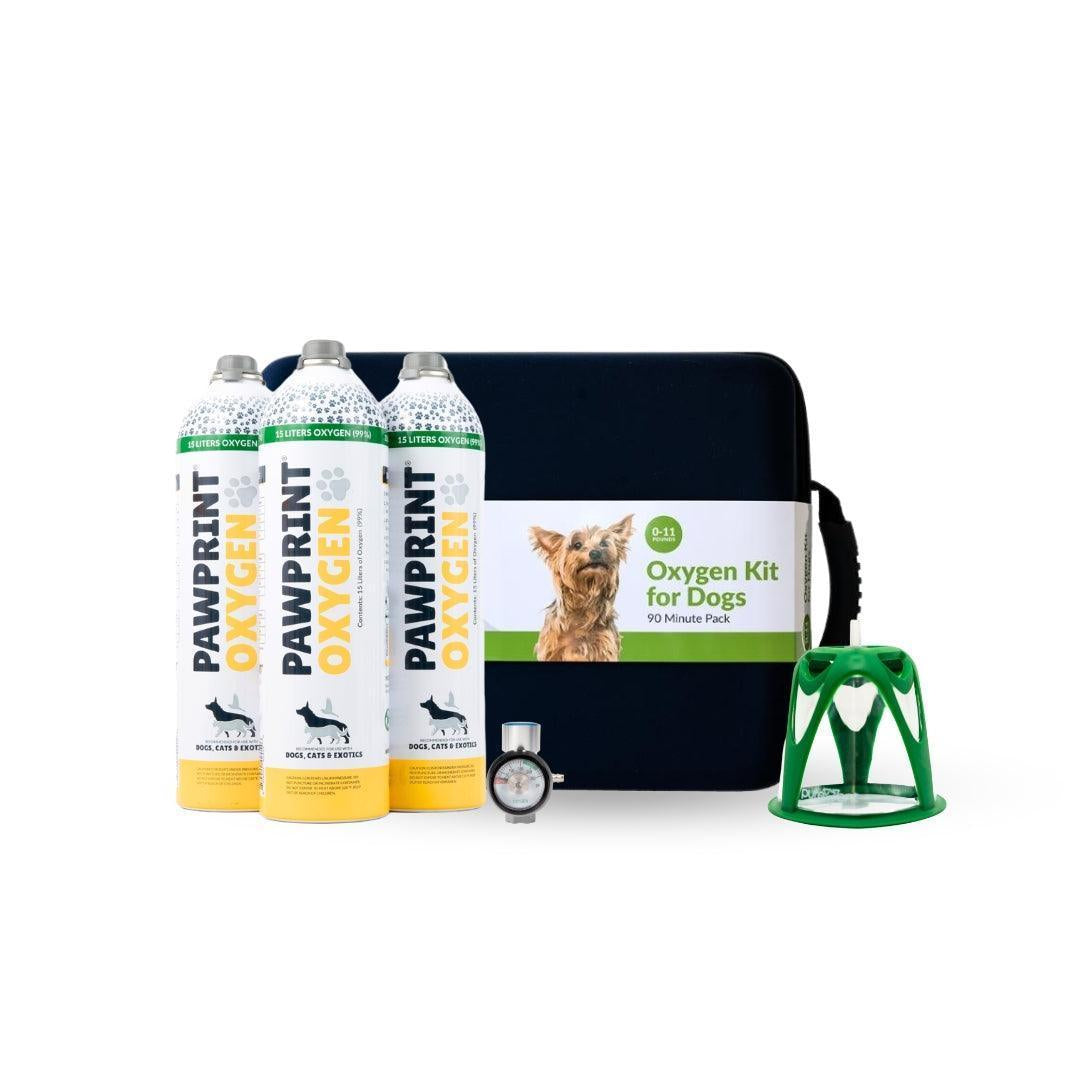
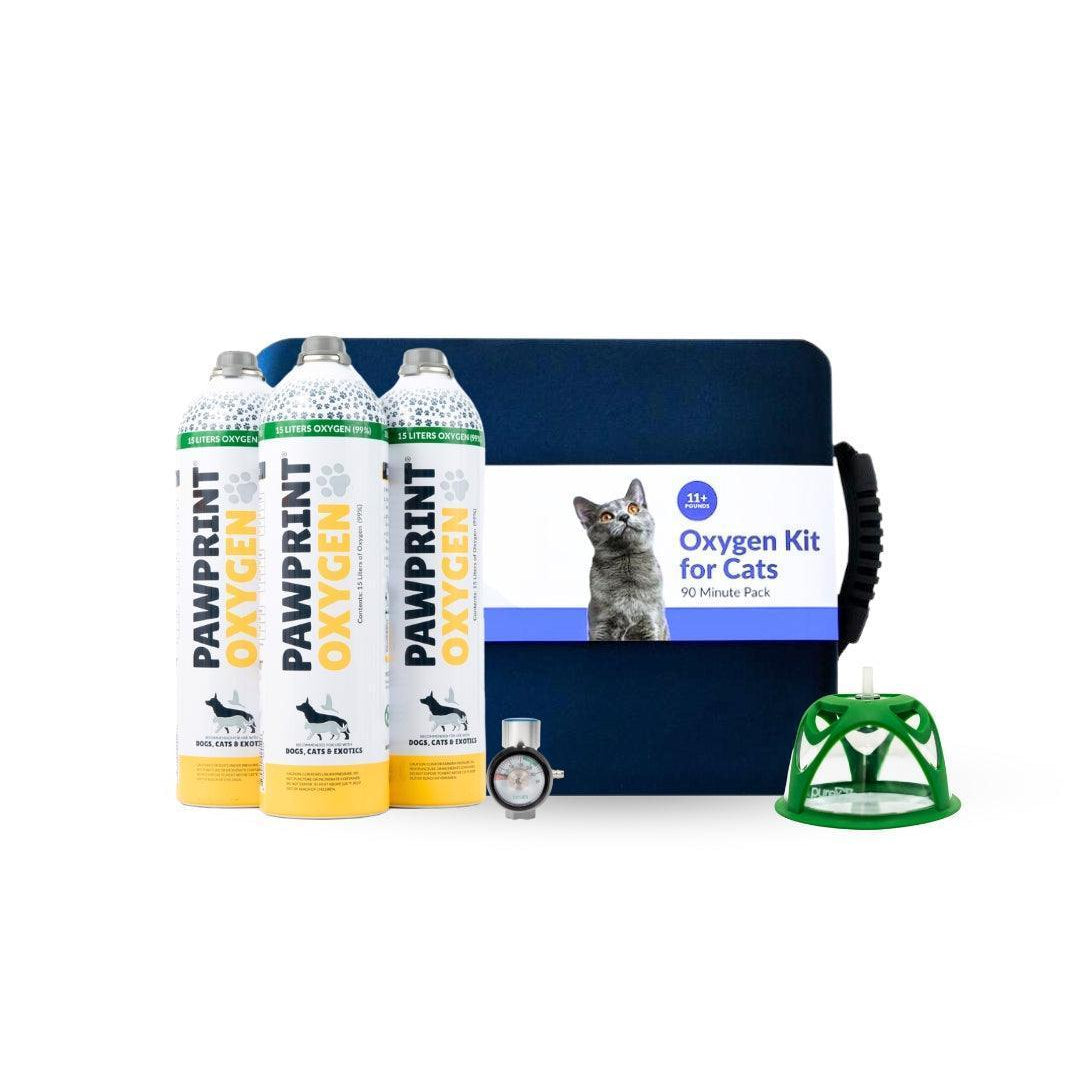
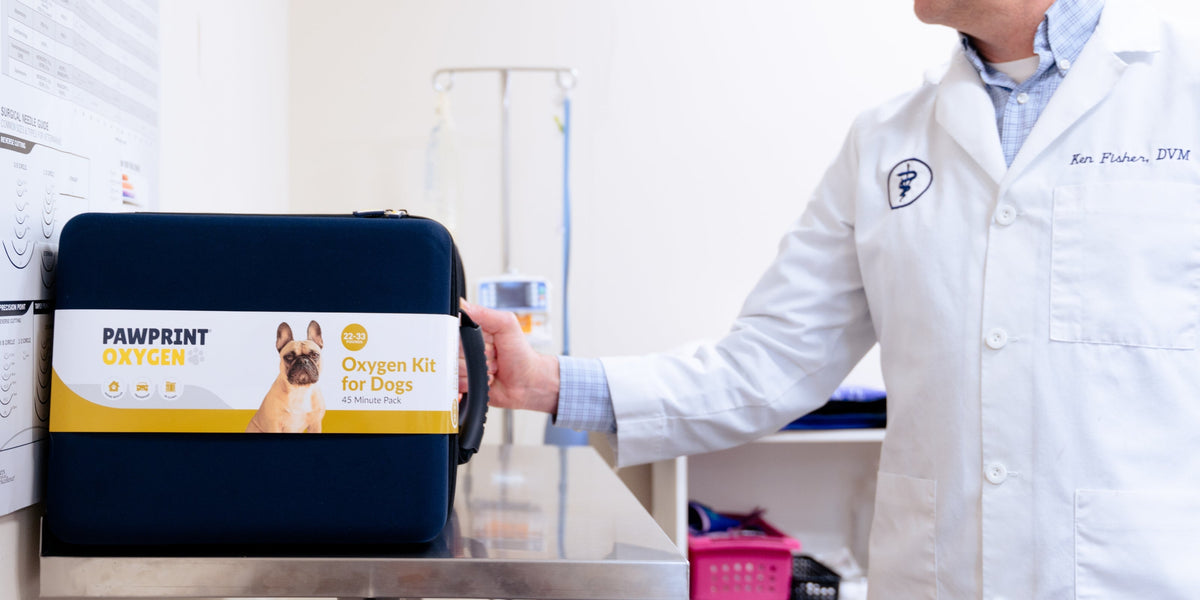
Our Dog Rescue Oxygen Kit is built for the car or the vet trip. It pairs 15L oxygen canisters with a PureVent Pet Oxygen Mask and a regulator preset to your dog's weight. Most dogs with tracheal collapse fall into the two smallest settings: 0.5 liters per minute (LPM) for dogs up to 11 pounds and 1.0 LPM for dogs between 11 and 22 pounds.
Each regulator is fixed at its preset flow, and a canister lasts up to 30 minutes depending on flow rate. You can compare kits and therapy setups in our Oxygen Bundles collection. Kits, masks, and chambers ship without a prescription.
3) Oxygen Kennels and At-Home Oxygen for Chronic Cases
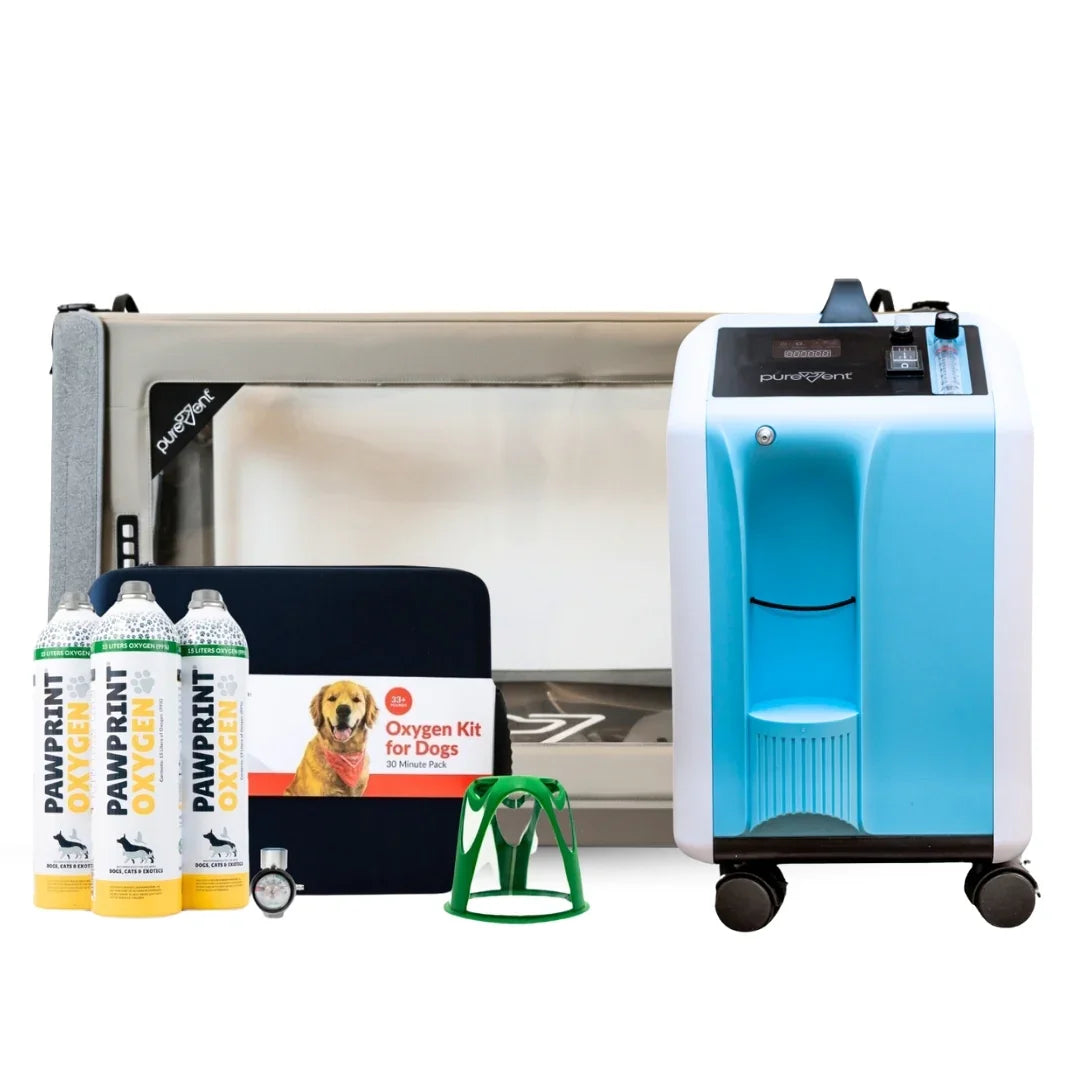
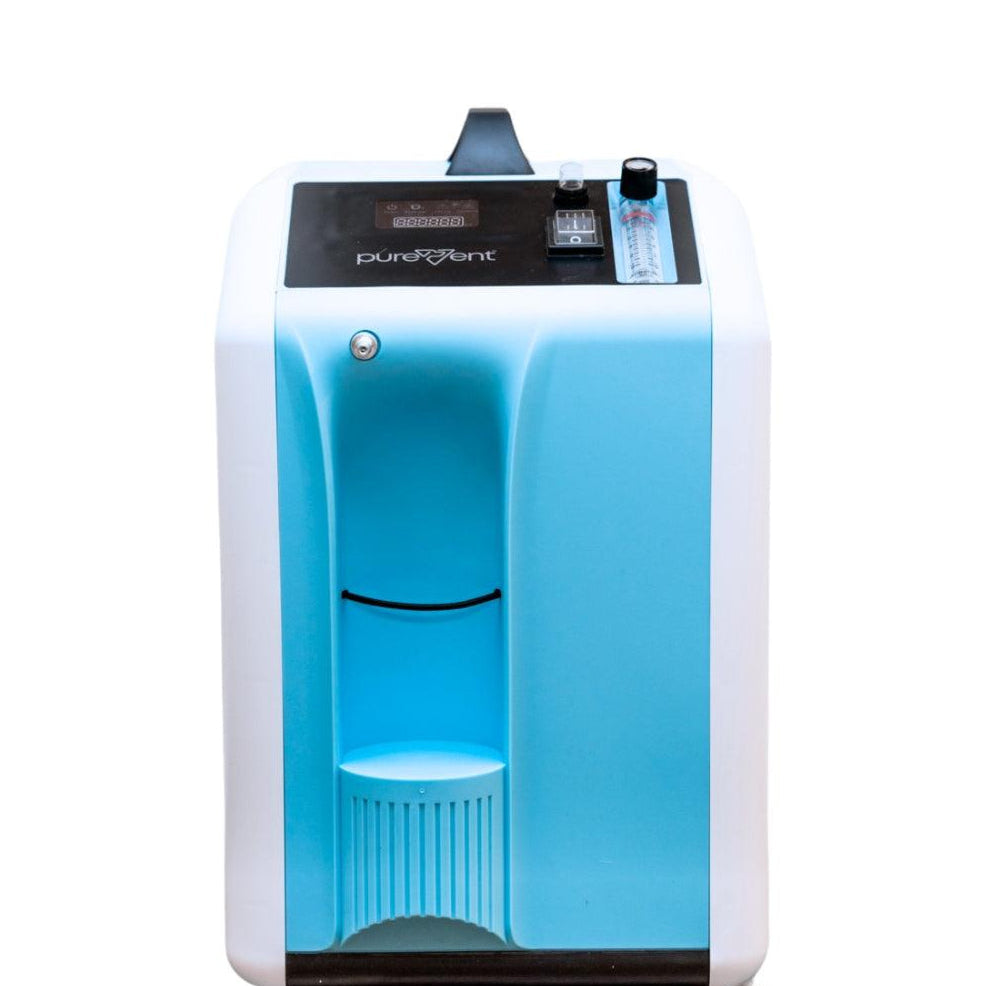
For chronic cases, your vet may recommend oxygen support at home as part of the care plan. That setup pairs a veterinary-grade oxygen chamber, sometimes called an oxygen kennel, with a medical-grade oxygen concentrator. Our PureVent Pet Oxygen Chamber is designed for this kind of vet-directed home use.
Concentrators require a prescription, which you can submit through our prescription form. The Extended Oxygen Therapy Bundle for Small Pets combines a chamber and concentrator sized for smaller dogs.
4) Book a Vet Visit
Some changes aren't emergencies but still call for an appointment soon:
Fits are happening more often, or each one lasts longer
Most nights now include coughing
Your dog tires sooner on walks
Eating habits or weight have shifted
You hear something new, such as a wheeze or gagging at meals
5) Keep a Cough Log
Each time a fit happens, jot down when it started, what your dog was doing, and how long it went on. Add the sleeping breathing count a few nights a week. If you can, film a fit on your phone, since thirty seconds of video tells your vet more than a description.
Our free Collapsed Trachea in Dogs eBook is a handy companion while you settle into the routine.
If home care and medication stop controlling the coughing, your vet may bring up stent or surgical options. Our guide to collapsed trachea surgery for dogs explains what's involved.
What You Can Change Starting This Week
Your dog's tracheal rings won't rebuild, but much of what sets off the coughing is in your hands. Swap the collar for a harness and work toward the target weight your vet sets. Keep the rooms your dog uses cool and smoke-free, and ask your vet about a humidifier for the months the heating runs.
Give your dog a bolster bed or rolled towel to rest their head on at night. Log every fit alongside the sleeping breathing rate so your vet can adjust medication with real information. Memorize the emergency signs, and keep an oxygen kit in the car so your dog has support on the drive to the emergency vet.
Keep Reading
- Why Is My Dog Coughing? A Complete Guide to Causes, Sounds, and When to Worry
- Dog Flu Symptoms: Flu vs Kennel Cough and Emergency Signs
- Dog Panting vs. Labored Breathing: How to Tell the Difference
- Dog Wheezing: Causes, What It Sounds Like, and When It's an Emergency
- Dog Hit by Car: The Hidden Lung Injury That Shows Up Hours Later
- Laryngeal Paralysis in Dogs: Warning Signs, Summer Risk, and Emergency Oxygen