Heatstroke in Dogs: Emergency First Aid, Warning Signs, and Why Oxygen Matters · Updated 2026
This guide walks through everything you need to know to protect your dog this summer, and why an at-home pet oxygen kit belongs in your emergency plan.
⏱ 8-minute read | Updated July 2026 | Reviewed by Pawprint Oxygen Veterinary Team | Browse more articles →
Table of Contents
Summer is the most dangerous season your dog will face all year. As temperatures climb across the country, veterinary emergency rooms see a sharp spike in cases of heatstroke, and the difference between a scary afternoon and a tragic one is almost always measured in minutes.
Heatstroke in dogs can become fatal in under an hour. Even when a pet survives, organ damage can be permanent. The good news: when owners know the warning signs, act quickly with the right cooling techniques, and have emergency oxygen on hand, survival rates jump dramatically.

What Is Heatstroke in Dogs?
Heatstroke is a life-threatening condition that occurs when a dog's core body temperature rises above safe limits, and the body can no longer cool itself.
A dog's normal body temperature sits between 101°F and 102.5°F. Anything above 103°F is considered hyperthermia. Once a dog crosses 104°F, central nervous system symptoms begin. At 106°F and above, you are in true heatstroke territory, multiple organs can begin to fail, and at 107–109°F, the risk of death becomes severe.
Unlike humans, dogs cannot sweat efficiently. They cool themselves primarily through panting and minor sweating through their paw pads. When the air around them is too hot or humid, panting stops working, and a dog can overheat alarmingly fast.
What Causes Heatstroke?
Most cases of heatstroke in dogs come from situations that owners did not realize were dangerous.
Common triggers include:
- A dog left in a parked car, even briefly, and even with windows cracked
- Outdoor exercise during peak heat hours, especially on hot pavement
- Lack of access to shade or fresh water
- Heavy or thick coats that are not maintained for summer
- Hot, humid days with little airflow
- Backyard play that goes on longer than the dog can tolerate
Some dogs are at much higher risk than others. Brachycephalic breeds like Bulldogs, Pugs, Boxers, Boston Terriers, French Bulldogs, and Pekingese have shortened airways that make cooling through panting far less effective. Senior dogs, overweight dogs, puppies, and dogs with heart or respiratory conditions are also more vulnerable.
Warning Signs of Heatstroke in Dogs
Catching heatstroke early is the single biggest factor in survival. The condition often starts as heat exhaustion and escalates quickly. Learn these symptoms and watch for them anytime temperatures rise.
Early Signs (Heat Exhaustion)
- Heavy, rapid panting that does not slow down
- Excessive drooling, sometimes thick or sticky
- Bright red or dark red gums and tongue
- Skin and ears that are hot to the touch
- Increased thirst
- Restlessness, pacing, or hyperactive behavior
- Trouble keeping balance

Severe Signs (Heatstroke)
- Vomiting or diarrhea (sometimes with blood)
- Weakness, stumbling, or collapse
- Disorientation or glazed eyes
- Pale, gray, or bluish gums
- Rapid or weak pulse
- Seizures
- Loss of consciousness
If your dog shows any severe signs, treat it as a life-threatening emergency. Begin cooling immediately and transport your dog to a veterinarian without delay.
What to Do If Your Dog Has Heatstroke: Step-by-Step First Aid
Step 1: Move Your Dog Out of the Heat Immediately
Get your dog to a shaded, well-ventilated, or air-conditioned space. If you can move them indoors, do it. If not, find shade and use a fan if one is available.
Step 2: Begin Cooling With Cool But Not Cold Water
Use cool tap water or room-temperature water to wet your dog's body, especially the belly, armpits, inner thighs, and paw pads. Drape wet towels over their back and neck. If you have a fan, point it at your wet dog to enhance evaporative cooling.
✕ Do not use ice baths or ice packs. Extreme cold causes blood vessels in the skin to constrict, trapping heat inside the body and increasing the risk of shock
Step 3: Offer Small Amounts of Water
If your dog is conscious and alert, offer cool water to drink. Do not force them to drink, and do not pour water into the mouth of a dog that is unresponsive or seizing; they can aspirate it into their lungs.

Step 4: Provide Emergency Oxygen if Available
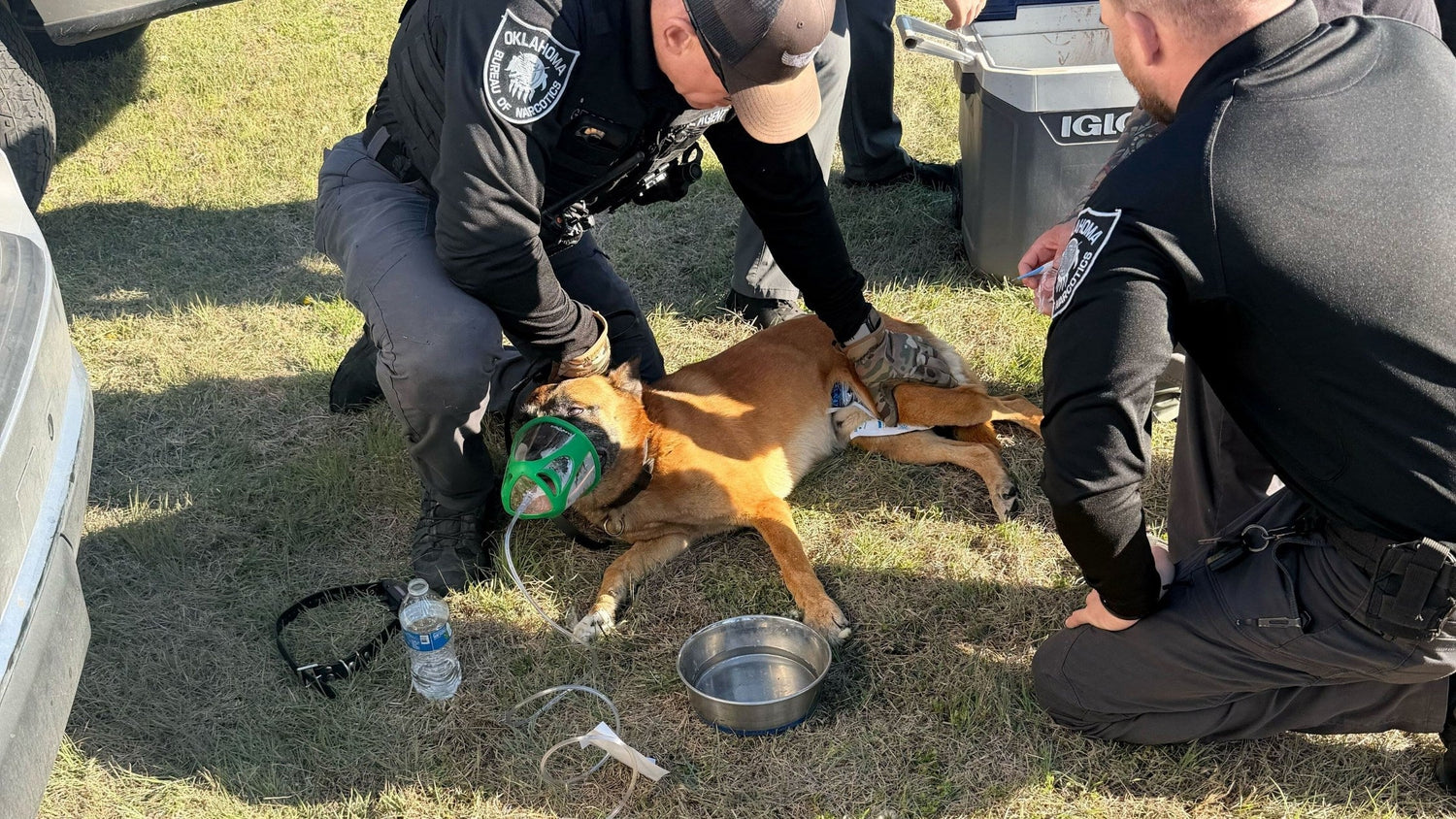
Heatstroke causes major respiratory and circulatory stress. Tissues become oxygen-starved, panting becomes ineffective, and the heart works overtime trying to compensate. Supplemental oxygen at home can ease that strain while you transport your dog to the ER.
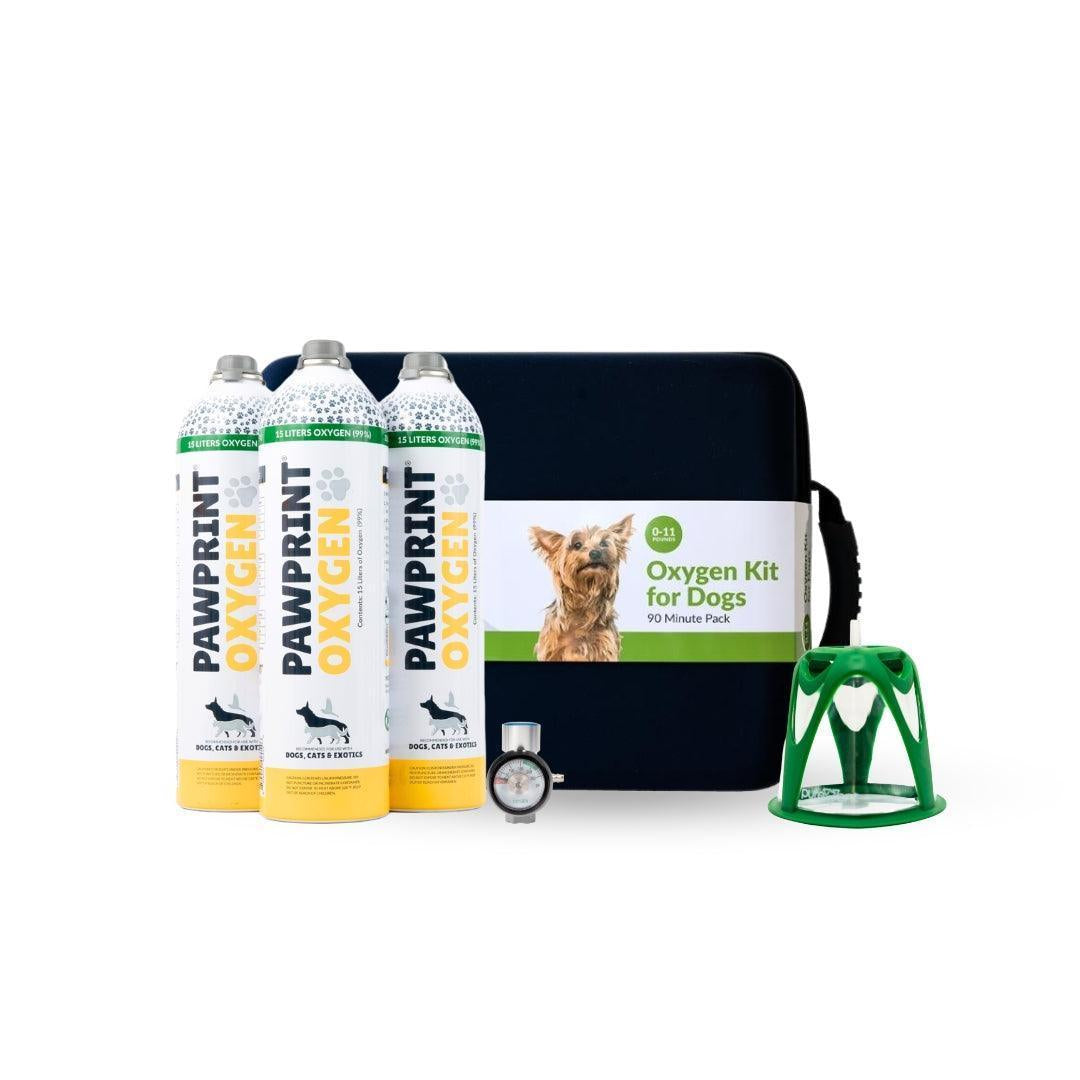
This is exactly the scenario the Rescue Oxygen Kit was designed for. The portable oxygen canisters and PureVent pet oxygen mask deliver oxygen directly to your pet's airway in seconds. Pawprint Oxygen's tri-vent PureVent technology removes up to 80% more rebreathed carbon dioxide than standard pet oxygen masks, which is critical when a dog is already in respiratory distress.
Cooling your dog before arriving at the hospital has been shown to raise survival rates from roughly 50% to 80%. Adding oxygen support helps stabilize a pet that is already in crisis.
Step 5: Get to a Veterinarian, Even if Your Dog Looks Better
Call ahead so the clinic can prepare. Continue gentle cooling and oxygen support in the car. Even dogs that appear to recover can suffer delayed kidney damage, blood clotting problems, or brain swelling in the hours that follow. Every heatstroke case needs professional evaluation.
How to Prevent Heatstroke in Dogs
Prevention is always easier than rescue. A few simple habits can dramatically reduce the risk.
Walk your dog early in the morning or after sunset, when temperatures and pavement are cooler. Press the back of your hand to the sidewalk for seven seconds. If it is too hot for you, it is too hot for paws. Always carry water on outings, and offer it often. Never leave a dog in a parked car. On a 75°F day, the interior of a car can hit 100°F in 10 minutes and 120°F in 30. Make sure outdoor dogs have constant shade and fresh water. Keep dogs at a healthy weight and well-groomed for the season.
For high-risk dogs like brachycephalic breeds, seniors, and pets with heart or lung disease, consider a summer routine that keeps them indoors during peak heat and includes regular wellness checks.

Remember These Three Important Facts
Keep a close eye on your dog
Catching heatstroke early is the single biggest factor in survival since the condition can escalate very quickly.
Body temperature matters
A dog's normal body temperature sits between 101°F and 102.5°F. Anything above 103°F is considered hyperthermia.
get to the vet asap
Even dogs that appear to recover can suffer delayed internal damage. Every heatstroke case needs immediate professional evaluation.
Why an At-Home Pet Oxygen Kit Belongs in Your Summer Plan
Most pet owners build a summer kit with water bottles, cooling mats, and maybe a paw balm. Few include the one thing that can buy real time in a true emergency: oxygen.
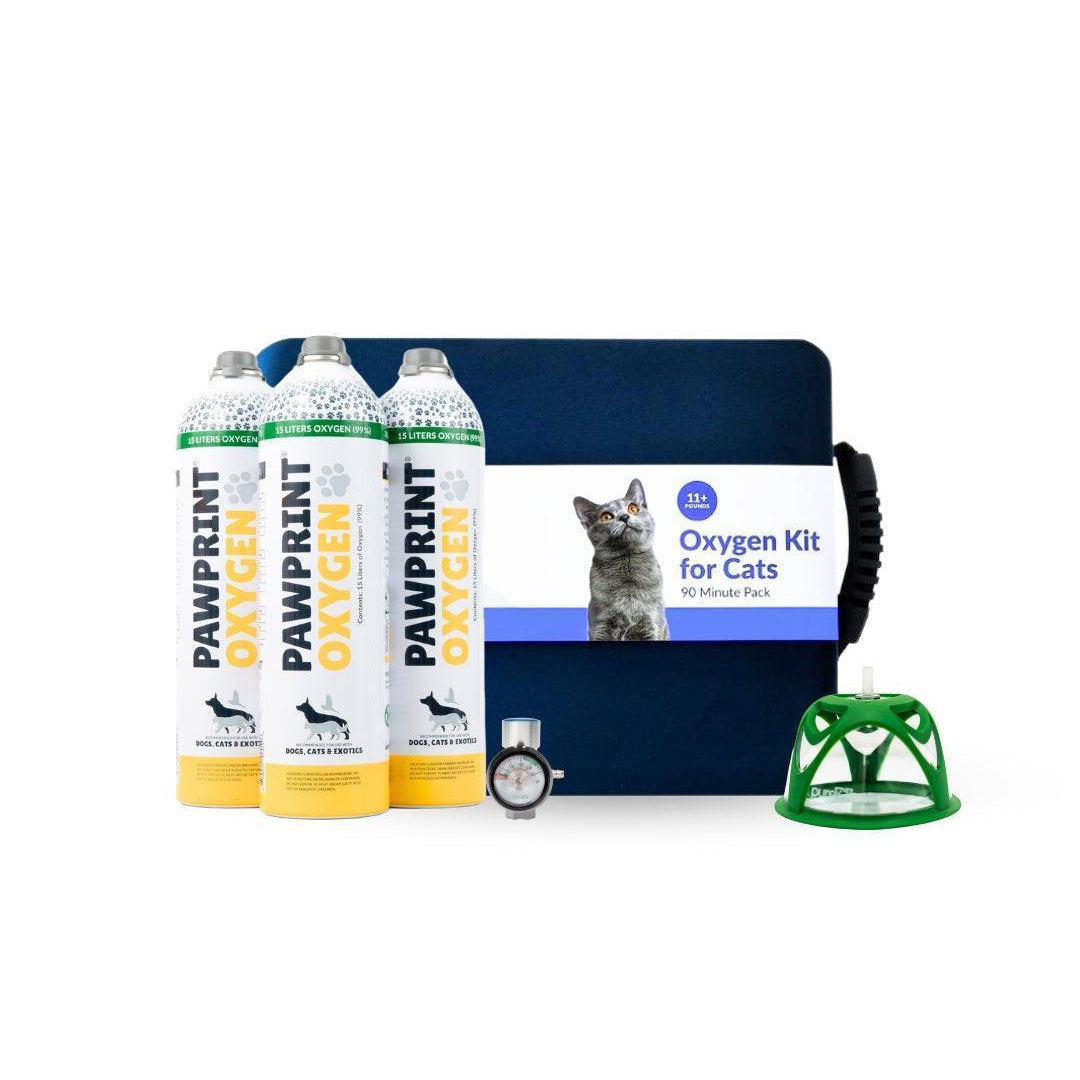
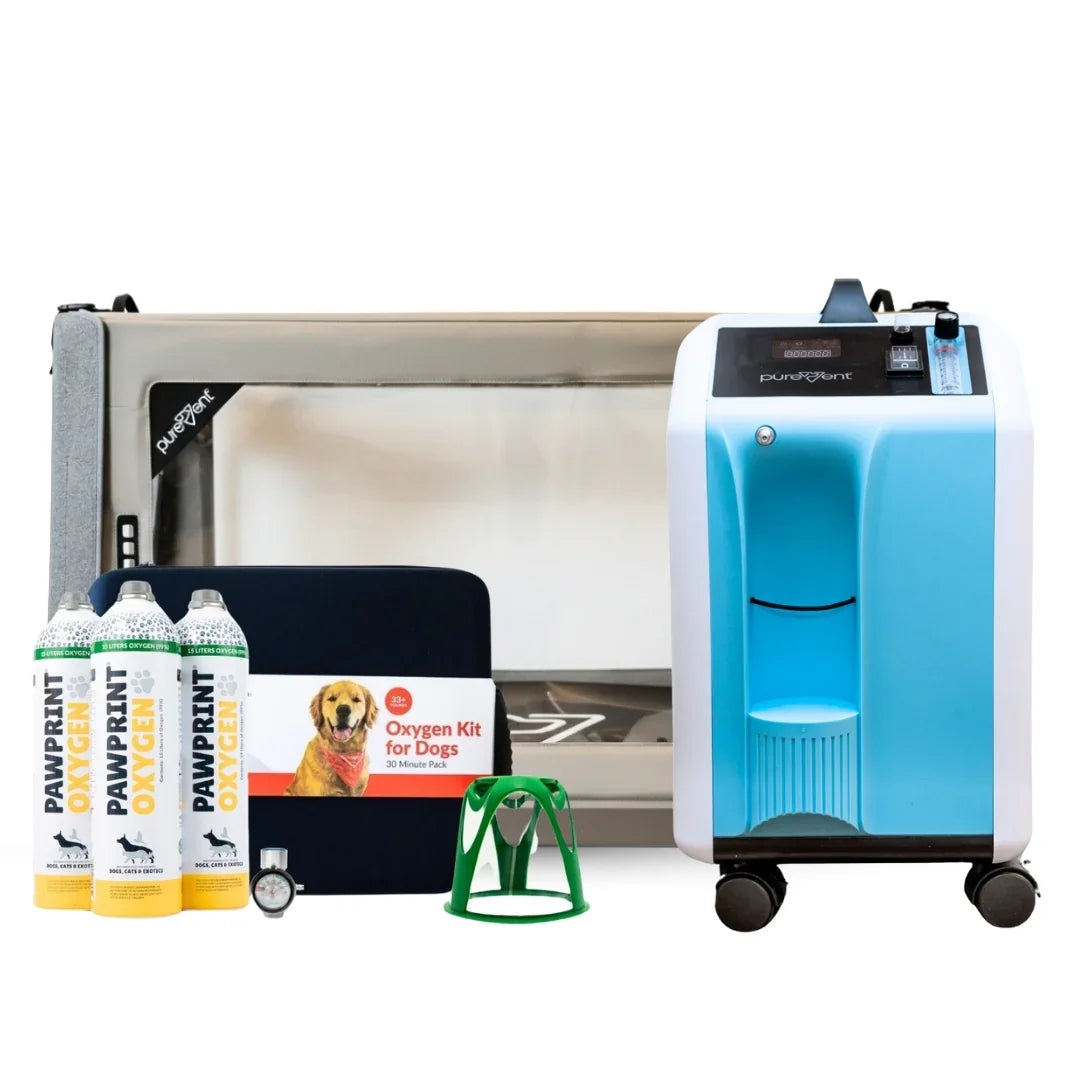
The Pawprint Oxygen Portable Rescue Oxygen Kit is a complete at-home pet oxygen kit that includes:
- Portable, medical-grade oxygen canisters
- A PureVent pet oxygen mask with tri-vent technology to prevent carbon dioxide rebreathing by up to 80%
- A pre-set flow regulator to ensure your pet is getting the correct amount of oxygen every time
- Oxygen tubing pre-fitted for fast, no-fumbling setup
- A simple, quick-start guide written for pet owners
No prescription is needed for a Rescue Oxygen Kit. It is the same oxygen technology trusted by more than 3,000 U.S. fire departments to revive pets at the scene of house fires, scaled down for your home.
If you have already read our earlier guides on why every pet owner should consider a rescue kit and on how to check your dog's oxygen level at home, the heatstroke use case is the same principle: when seconds count, oxygen on hand changes outcomes.
Frequently Asked Questions About Heatstroke in Dogs
What temperature is too hot for dogs to be outside?
There is no single safe number, as humidity and a dog's individual risk factors matter as much as the thermometer. As a general guide, exercise caution above 80°F, and avoid extended outdoor activity above 90°F. For brachycephalic breeds, seniors, and dogs with health issues, the threshold should be even lower.
How quickly can a dog get heatstroke?
Very quickly. In a parked car on a warm day, dogs can develop heatstroke in as little as 10–15 minutes. During strenuous exercise on a hot day, signs can appear within 30 minutes or less.
Can heatstroke kill a dog?
Yes. Untreated heatstroke can be fatal in under an hour. Even with treatment, dogs that reach severe stages can suffer permanent organ damage, neurological deficits, or death days after the initial event. This is why early recognition and rapid cooling, paired with veterinary care, are so critical.
Should I use ice to cool my overheated dog?
No. Ice and ice-cold water can cause blood vessels to constrict, trapping heat in the body and risking shock. Use cool, not cold, water, wet towels, and airflow from a fan.
Can I give my dog oxygen at home for heatstroke?
Yes. Supplemental oxygen from a kit like the Portable Rescue Oxygen Kit from Pawprint Oxygen can ease the cardiopulmonary stress of heatstroke while you transport your dog to a veterinarian. It is not a replacement for veterinary care, but it is a powerful stabilizing tool in the critical first minutes of an emergency.
Are some dogs more at risk than others?
Yes. Brachycephalic breeds, senior dogs, puppies, overweight dogs, dogs with thick double coats, and pets with heart, lung, or neurological conditions are at significantly higher risk of heatstroke. For these dogs, prevention and preparedness should be aggressive.
Be Ready Before You Need to Be
The pets that survive heatstroke are almost always the ones whose owners acted in the first few minutes. A cool shaded space, the right cooling technique, on-hand oxygen, and a fast trip to the vet; that is the difference between a survival story and a heartbreak.
Get your home ready for summer before the first heat wave. Order your Rescue Oxygen Kit today and put it where you will actually reach for it: by the leash hook, in your car, or in your pet emergency kit. Heatstroke does not give second chances. Preparation does.