
Taurine shows up on supplement shelves, ingredient panels, and in a lot of anxious conversations after a heart murmur gets found at a checkup. Most of the advice online blurs the one distinction that matters: some dogs benefit from taurine, and many with heart disease will never respond to it.
This guide to taurine for dogs covers what taurine does in your dog's body, why certain breeds and diets run low, how it connects to dilated cardiomyopathy (DCM), and how veterinarians decide whether supplementing makes sense. The short version: test first, supplement second, and know which category your dog is in.
⏱ 10-minute read | Updated September 2026 | Reviewed by Pawprint Oxygen Veterinary Team | Browse more articles →
Table of Contents
What Taurine Does in a Dog's Body
Taurine is a sulfur-containing amino acid. Amino acids are the building blocks of protein, and dogs use 22 of them, with 10 essential and 12 nonessential. Taurine is unusual because it works in free form rather than getting built into proteins.
It concentrates where the body needs steady electrical and structural function: heart muscle, the retina, the brain, and skeletal muscle. In cardiac cells it helps regulate calcium and supports normal contraction. It also conjugates bile acids, which your dog needs to digest fat, and it stabilizes cell membranes as an antioxidant.
Here's the part that separates dogs from cats. Cats are obligate carnivores and must get taurine from their diet. Most dogs synthesize their own taurine in the liver from two precursor amino acids, methionine and cysteine, so it's considered conditionally essential for dogs rather than a required nutrient.
Nonessential means the body can make it. It does not mean it's unimportant.

Why Some Dogs Still Run Low
If dogs make their own taurine, deficiency shouldn't happen. It does, and the reasons come down to supply, production, and loss.
On the supply side, synthesis depends on methionine and cysteine coming in through food. Diets built on low or lower-quality protein, or on plant proteins like peas, lentils, and potatoes displacing meat, can shortchange those
precursors. Processing can also reduce how digestible the precursor amino acids are.
Fiber matters too. Dogs are obligated to pair their bile acids with taurine, and research has shown that high-fiber ingredients like beet pulp can increase taurine loss through fecal bile acid excretion. That mechanism was demonstrated under experimental diet conditions rather than in commercial foods, but it explains why formulation details matter.
On the production side, large and giant breeds appear to synthesize taurine more slowly relative to their size, and individual dogs vary in the enzyme activity that drives synthesis. Lamb-and-rice formulas, vegetarian and vegan diets, and some boutique recipes have all been associated with lower taurine status.
A note on "grain-free," since it dominates this conversation. Our full look at whether grain-free food causes heart problems in dogs covers the FDA side in depth. Grain-free describes what a diet leaves out. The suspected variable is what replaced the grain, usually legume protein.
A prospective study of Golden Retrievers found that dogs eating legume-rich, non-traditional diets had significantly lower taurine concentrations and more frequent systolic dysfunction. That's an association in one breed, and it points at the formulation rather than the absence of grain itself.
Breeds With Documented Taurine Sensitivity
Golden Retrievers are the best-documented breed, with a recognized subset of taurine-responsive DCM. American Cocker Spaniels, Newfoundlands, English Setters, and Labrador Retrievers also appear in the research on taurine-linked heart disease.
Dobermans sit in a different category. The breed has high rates of dilated cardiomyopathy, and their form is inherited. Taurine supplementation does not reverse genetic DCM. Boxers carry their own inherited heart muscle disease, arrhythmogenic right ventricular cardiomyopathy, and it doesn't respond to taurine either.
Breed predisposition to DCM and breed predisposition to taurine deficiency are two separate lists with some overlap. Before anyone reaches for a supplement, the question is which list your dog is on, and that's a question testing answers, never the food label.

Signs of Taurine Deficiency in Dogs
Deficiency itself has no signature symptom. What you see are the signs of the organ damage it causes, sorted here by system.
Cardiac signs come first because the heart is where deficiency does its worst work: exercise intolerance, coughing, a swollen or distended belly, fainting episodes, and an elevated resting respiratory rate. Ocular signs include central retinal degeneration and declining night vision, though eye involvement is rarer in dogs than in cats. Systemic signs run vaguer: a dull coat, weight loss, lethargy, muscle wasting.
The clinically important point is that deficiency is usually silent until the heart has already started remodeling. That's why your dog's breed and diet risk profile matters more than watching for symptoms.
Some signs need a veterinarian the same day, whatever the cause turns out to be:
Labored breathing or open-mouth breathing at rest
Blue, gray, or pale gums
Collapse or fainting
If you see any of these, call your veterinarian or the nearest emergency clinic immediately.


Taurine, DCM, and Diet-Associated Heart Disease
Dilated cardiomyopathy is a disease of the heart muscle itself. The main pumping chamber stretches and its walls thin, contraction weakens, and the heart moves less blood with each beat. Over time the body falls behind on oxygen delivery.
Taurine enters the picture because a subset of DCM cases respond to it. In a 2018 study of Golden Retrievers with taurine deficiency and DCM, 23 of 24 dogs showed measurable echocardiographic improvement after a diet change and taurine supplementation, and congestion resolved in 9 of the 11 dogs that had progressed to heart failure. That study was observational, without a control group, so it documents improvement rather than proving a cure. Still, reversibility on that scale is remarkable in heart disease.
The FDA announced an investigation in July 2018 into a potential link between certain diets and canine DCM, then named specific brands in a 2019 report. Its December 2022 update stated that adverse event numbers alone don't establish a causal relationship, and routine public updates ended while research continues.
That “one pathway” framing matters because DCM splits three ways. There's taurine-deficient DCM, which can respond to supplementation. There's diet-associated DCM in dogs with normal taurine levels, where the mechanism is still being studied. And there's inherited DCM, the Doberman form, where supplementation has no demonstrated effect. Many dogs in the FDA's case reports had normal blood taurine.
So how does a veterinarian tell which situation your dog is in? The UC Davis cardiac genetics lab recommends paired plasma and whole-blood taurine samples alongside an echocardiogram. Whole blood reflects longer-term taurine status and is less prone to sample-handling artifacts, while plasma shifts with recent intake, which is why running both gives the most complete picture. Taurine isn't on routine bloodwork, so the test has to be requested specifically.
A 2024 study found weak correlation between blood taurine values and taurine concentrations in the heart muscle itself. Blood tests inform the picture. The echocardiogram shows what the heart is doing.
When Heart Disease Progresses to Congestive Heart Failure
DCM is the disease. Congestive heart failure (CHF) is its late consequence, the point where reduced cardiac output lets fluid back up into the lungs or abdomen. Breathing effort becomes the symptom you'll notice, because a dog with pulmonary edema is working hard for every breath.
This is why veterinarians teach owners of heart-disease dogs to track resting respiratory rate, the breaths per minute while your dog sleeps. It's the earliest at-home warning that fluid is building. Our guide on how to measure your pet's respiratory rate walks through the technique and normal ranges.
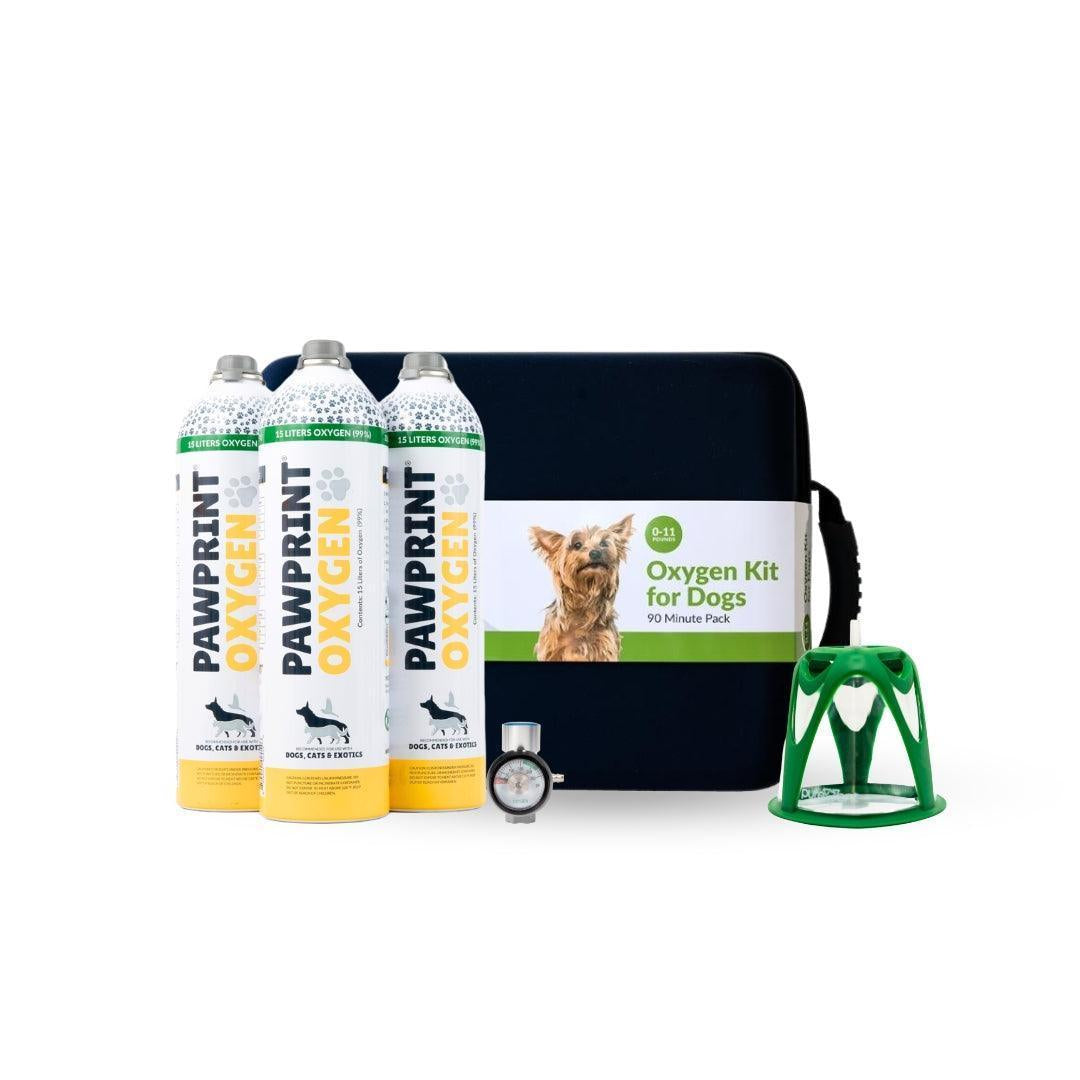
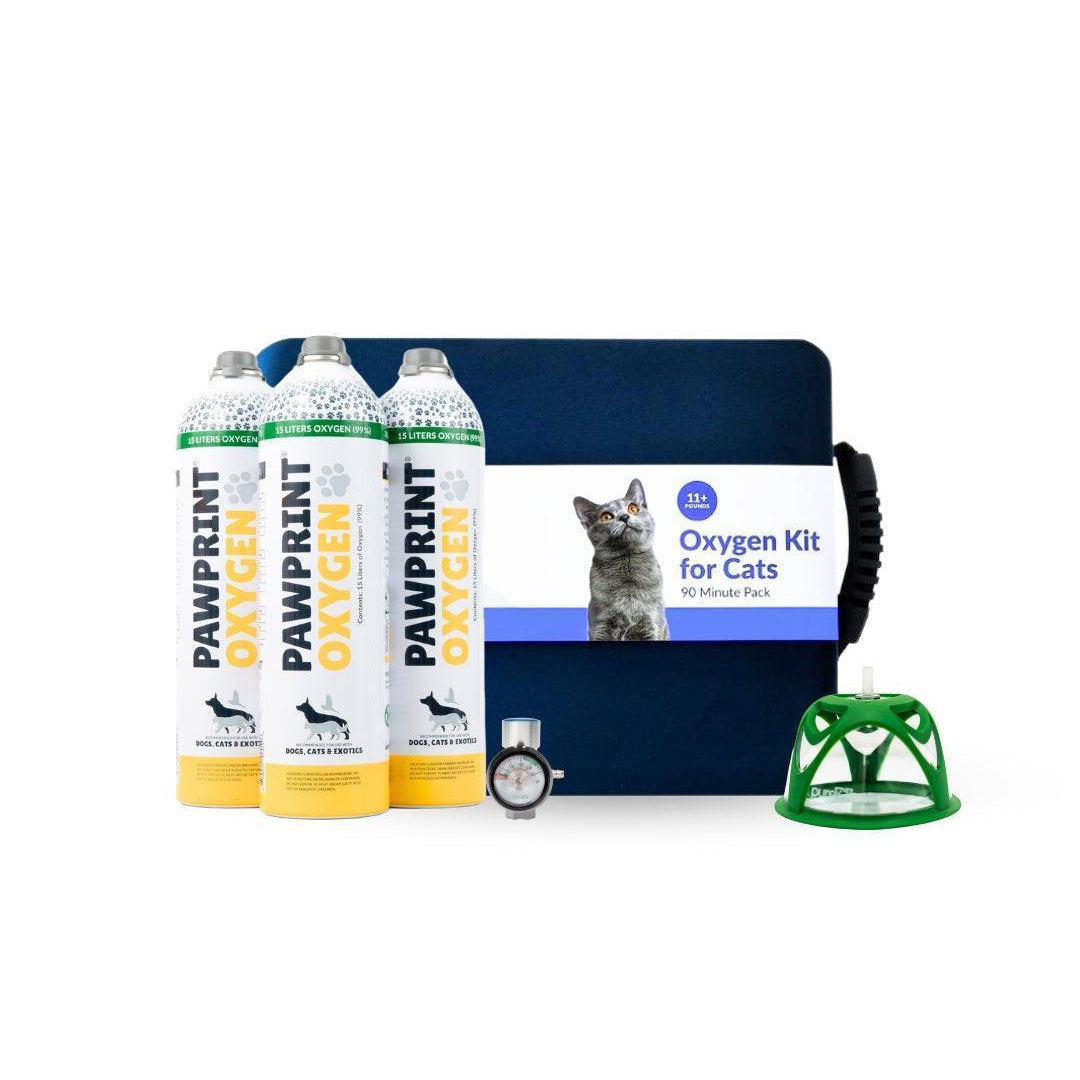
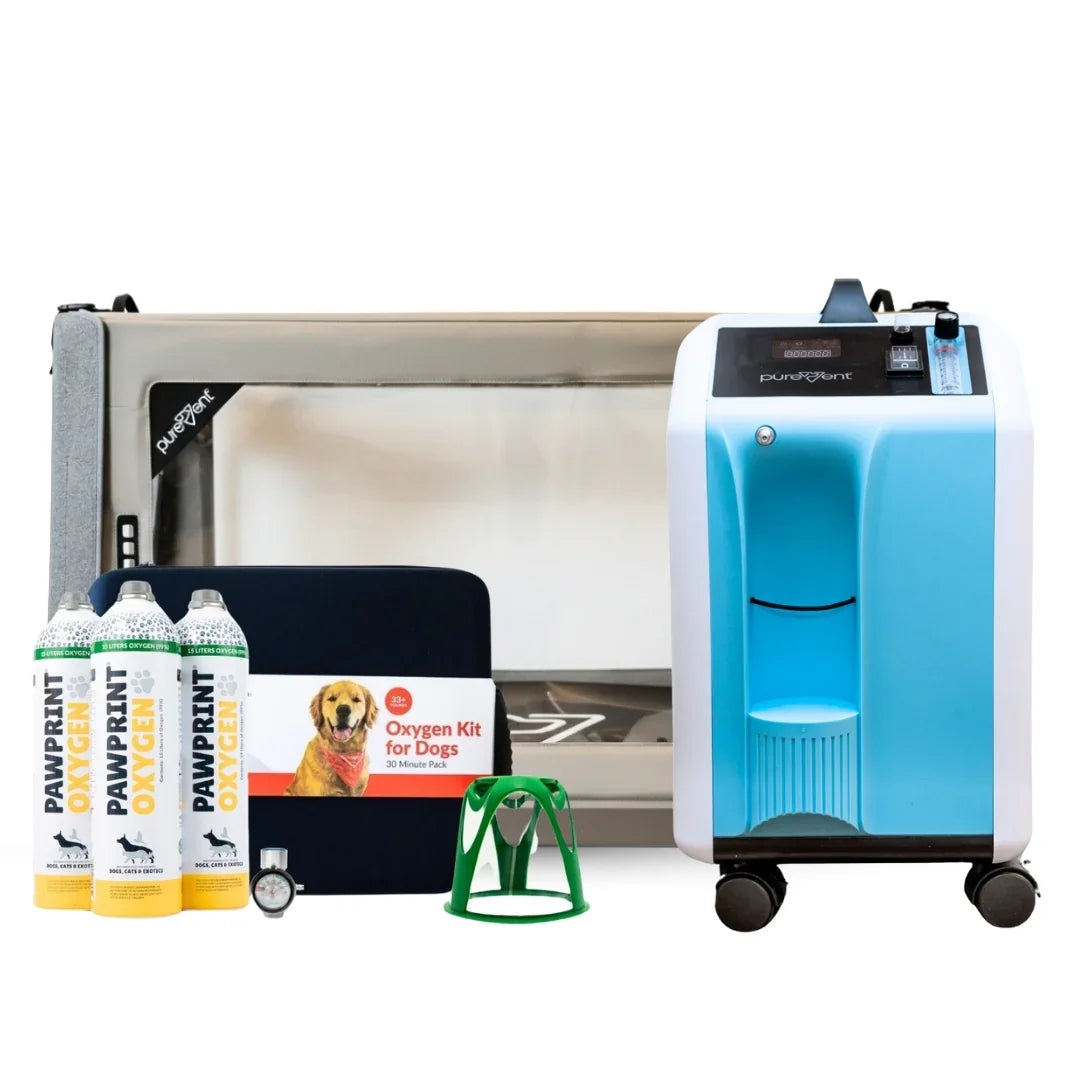
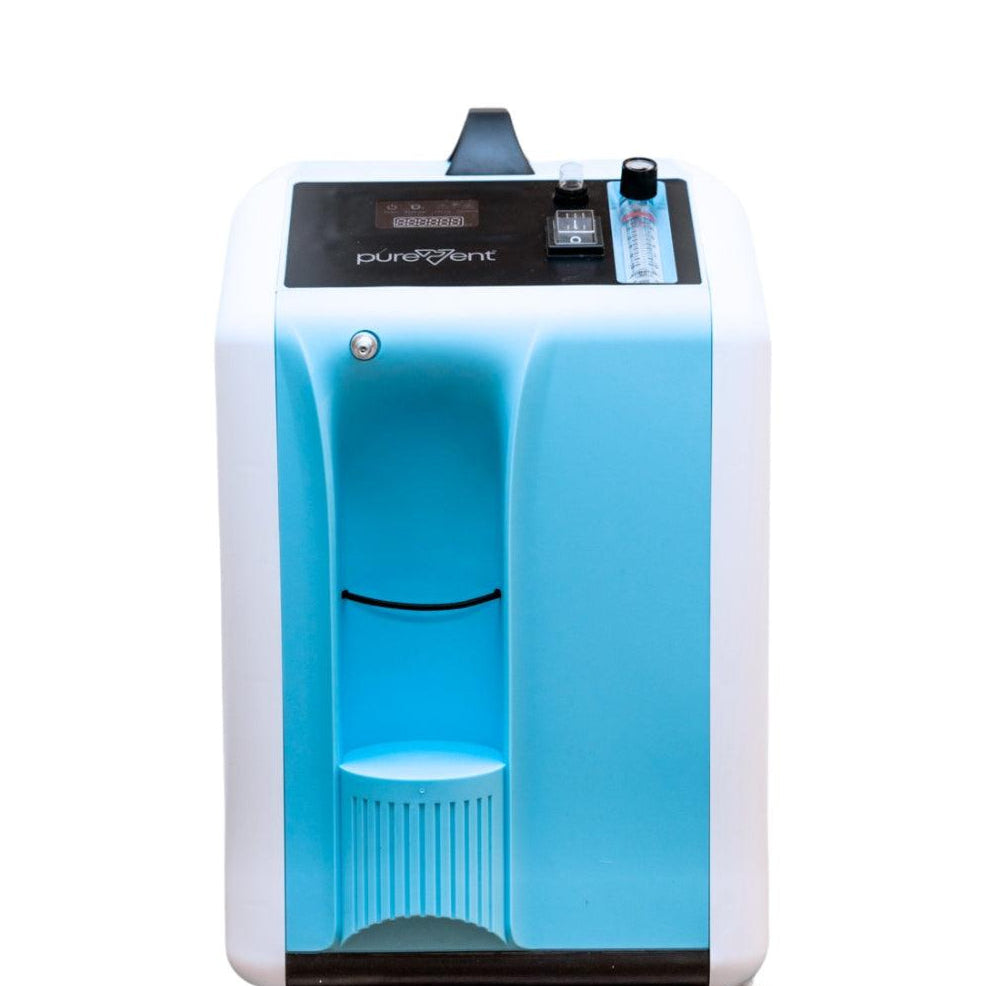
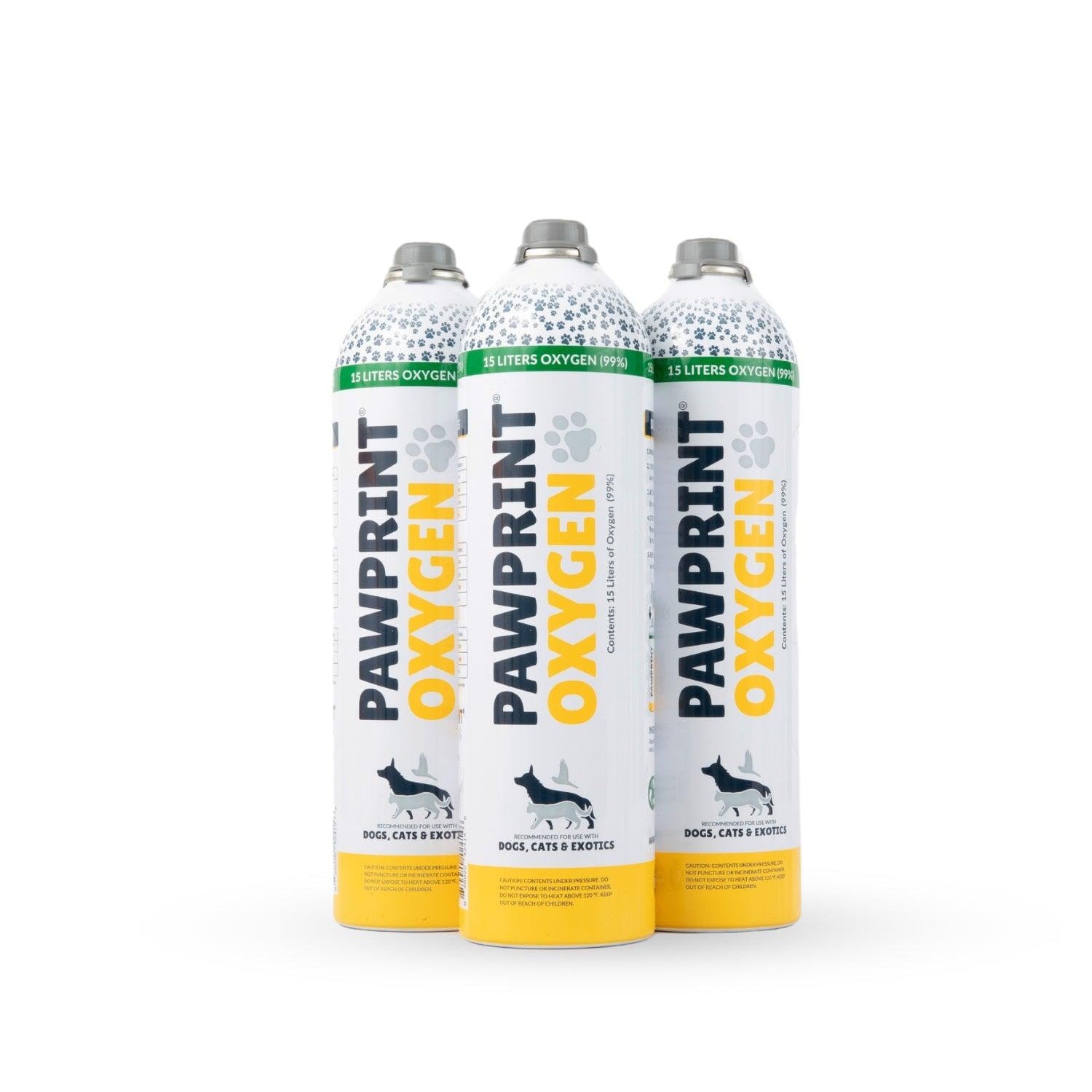
Dogs in a CHF flare-up are commonly given supplemental oxygen, first in the hospital and sometimes continued at home with at-home oxygen therapy equipment under veterinary direction. Oxygen raises blood oxygen saturation and reduces the effort of breathing, which lowers the heart's workload; it does not treat the underlying cardiomyopathy. We cover how veterinarians use it in our resource on oxygen therapy for dogs with heart failure.
For a full education on the disease itself, see our guide to dilated cardiomyopathy in dogs.
Dietary Sources of Taurine
Taurine lives in animal tissue and is absent from plant foods entirely. The densest common source is heart, with beef heart at the top, followed by chicken and turkey heart.
Dark poultry meat carries far more than breast meat. Shellfish, especially mussels, clams, and scallops, rank high, along with sardines and other small whole fish. Liver and other organ meats round out the list.
Precursors count as much as taurine itself, since your dog builds taurine from methionine and cysteine. Eggs, muscle meat, and fish supply those precursors well.
Cooking method changes the math. Taurine is water-soluble, so prolonged boiling leaches it into the cooking water. Light cooking or searing retains more, and if you do boil, the juices carry the taurine, so serve them rather than draining them.
Keep additions in proportion. Toppers and extras should stay around a tenth of daily calories so the base diet stays complete and balanced, and organ meat has an upper limit because of its vitamin A density. Your veterinarian can set amounts for your dog.
AAFCO's dog food nutrient profiles set a minimum for the precursor pair, methionine-cystine, but no minimum for taurine itself; the cat profiles do require taurine. So when added taurine appears on a dog food ingredient panel, that's a formulation choice by the manufacturer. No regulation requires it.
Taurine Supplements: Forms, Dosing, and Limits
If testing shows your dog needs taurine, the supplement aisle offers a few forms, each with trade-offs.
Powder is the cheapest per gram and the easiest to scale to body weight, though some dogs need it mixed into wet food to accept it. Capsules dose precisely but are harder to split for small dogs. Soft chews win on palatability while often running underdosed and carrying sugars and fillers. Taurine also appears inside combination heart supplements for dogs alongside L-carnitine, omega-3s, and CoQ10, where the taurine amount per serving deserves a close look.
On dosing, published veterinary guidance exists, and every number below is a literature range for your veterinarian to confirm before any dose is given. The UC Davis cardiac genetics lab cites roughly 500 mg twice daily for dogs under about 50 pounds and 1,000 mg twice daily above that, with prescribing decisions left to the veterinarian or cardiologist. In the Golden Retriever study, the taurine-responsive protocol used a median of 3,000 mg per day divided into two to three doses, with a range of 2,000 to 4,500 mg.
Taurine is given with food, usually split across the day, and the response horizon is long: veterinary cardiologists typically reassess with an echocardiogram after three to six months.
Safety is one of taurine's better features. It's water-soluble, has no established toxic upper limit, and excess is excreted in urine. Flag your veterinarian first if your dog has kidney disease or takes cardiac medication, and skip human energy-drink products entirely.
Quality varies widely because animal supplements aren't FDA-regulated the way drugs are. Look for the NASC quality seal, third-party testing, clearly stated milligrams per scoop, and single-ingredient products over proprietary blends. Human-grade sourcing beats feed-grade when the label discloses it.
When Supplementation Is and Isn't Warranted
The strongest candidates for supplementation are dogs with confirmed low whole-blood taurine, dogs from taurine-responsive breeds carrying a DCM diagnosis, dogs on home-cooked or limited-ingredient diets that weren't formulated by a board-certified veterinary nutritionist, and dogs on vegan diets.
The poor candidate is the healthy dog eating a complete-and-balanced commercial diet with no breed or diet risk factors. Supplementing that dog has no demonstrated benefit and no measurable endpoint, so there's no way to even know whether it's doing anything.
The “can't hurt, might help” logic fails on a different risk than toxicity. Supplementing without testing can mask the picture and delay an accurate cardiac workup, and in progressive heart disease, delay is the cost that matters.
The sequence that avoids that trap: paired whole-blood and plasma taurine testing, an echocardiogram to establish baseline heart function, then repeat testing to judge response if supplementation starts.

What to Ask Your Veterinarian
You now know more about taurine than most of the supplement labels do. Convert it into a short question set for your next appointment:
Does my dog's breed fall into the taurine-responsive category, or the genetic DCM category?
Should we run whole-blood and plasma taurine before changing food or adding anything?
Does my dog's current diet carry known formulation risk factors, like legume-heavy protein?
What resting respiratory rate should trigger a call to you?
Your general practitioner can handle the diet review and order taurine testing. If an echocardiogram shows abnormal function, or your dog stacks breed risk with diet risk, asking for a referral to a veterinary cardiologist is reasonable.
Testing before supplementing is the whole strategy. It's cheaper than months of guessing, and it's the only way to know whether taurine is your dog's answer.
Keep Reading
- How to Stop a Dog Seizure Immediately: Step-by-Step First Aid
- Stop Bleeding Fast: HemoSEAL Critical Pet Wound Spray
- Activated Charcoal for Dogs: How It Works, When to Use It & Why It Belongs in Every Pet First-Aid Kit
- What Should I Have in My Pet’s First Aid Kit?
- Dog Cut Paw Pad: Field First Aid
- Dog Wheezing: Causes, What It Sounds Like, and When It's an Emergency
- Dog Flu Symptoms: How to Tell Canine Influenza From Kennel Cough and When It’s an Emergency
- Dog Breathing Fast While Sleeping: Normal or a Warning Sign?
- Signs Your Dog Is Dying of Heart Failure: What to Watch For