Oxygen therapy for dogs with heart failure helps improve oxygen saturation, reduce breathing effort, and relieve respiratory distress caused by pulmonary edema and low cardiac output. While it does not cure congestive heart failure (CHF), supplemental oxygen provides critical breathing support during flare-ups and improves comfort and quality of life. This article explains how oxygen therapy works, when it’s needed, and how at-home oxygen solutions can support dogs with heart failure.
Table of Contents
Congestive heart failure (CHF) in dogs is a serious condition where the heart cannot pump efficiently, often leading to fluid buildup in or around the lungs and making breathing increasingly difficult. Oxygen therapy for dogs with heart failure provides critical supportive care by improving oxygen availability, easing respiratory strain, and stabilizing pets during flare-ups or advanced stages of disease. This guide explains how oxygen options work for dogs with heart failure, when they’re recommended, and how at-home oxygen solutions can fit into a veterinarian-directed care plan.

Why Heart Failure Causes Breathing Issues in Dogs
In congestive heart failure, the heart’s pumping strength declines, which lowers cardiac output and reduces how effectively oxygen-rich blood is delivered throughout the body. As pressure builds behind the failing side of the heart, fluid can leak into the lung tissue, a condition known as dog pulmonary edema, physically limiting normal air exchange and leading to low oxygen in a dog's bloodstream and tissues of the body, increased breathing effort and overall respiratory compromise. As this process progresses, pet owners often notice worsening dog heart failure symptoms tied directly to breathing, including:
- Rapid resting breathing
- Labored or open-mouth breathing
- Persistent coughing or throat clearing
- Fatigue, weakness, or collapse episodes
Because oxygen transfer is impaired at the lung level, even normal activity can feel overwhelming, which is why breathing support strategies become an important part of CHF management.
Why Oxygen Helps Dogs with CHF
Supplemental oxygen increases the concentration of available oxygen in each breath, which raises blood oxygen saturation even when pulmonary edema and reduced cardiac output are limiting normal gas exchange. This is why the answer to can oxygen help dogs with CHF is often yes. A higher oxygen availability can reduce a dog's respiratory effort, lessen the sensation of air hunger, and provide meaningful breathing help for CHF dogs during unstable periods.
Oxygen is not a cure for heart disease and is not a standalone canine CHF treatment. However, it plays a critical stabilizing role by supporting oxygen-starved tissues, decreasing the work of breathing, and improving comfort during CHF flare-ups or episodes of acute respiratory distress. This can buy valuable time while medications and veterinary care take effect.
Can oxygen help dogs with heart failure long-term?
Yes, oxygen can provide meaningful long-term supportive relief for dogs with heart failure by improving oxygen levels and reducing breathing effort during flare-ups, though it does not treat the underlying heart disease and must be used alongside prescribed medications.
How do I know when my dog needs oxygen?
Dogs may need oxygen when they show signs of respiratory distress such as rapid or labored breathing at rest, open-mouth breathing, pale or bluish gums, collapse, or severe fatigue, all of which warrant immediate veterinary guidance.
Is home oxygen safe for dogs with heart failure?
Home oxygen is safe when used with correct flow rates, therapy durations, and close supervision to ensure the dog is improving. It can be an effective part of at-home supportive care when used under veterinary guidance.
Treatment Expectations: What Oxygen Therapy Can and Can’t Do
Oxygen therapy for dogs with heart failure is a supportive tool designed to improve stability and comfort, not a cure for the underlying disease, and realistic expectations help owners use it effectively as part of broader heart failure dog breathing support. When guided by a veterinarian, oxygen can play an important role during flare-ups and recovery periods, but it works best alongside cardiac medications and ongoing CHF management rather than as a replacement for them.
Oxygen therapy can:
- Improve comfort and reduce distress
- Lower visible breathing effort
- Stabilize oxygen levels during respiratory crises
Oxygen therapy cannot:
- Reverse or cure heart failure
- Replace medications like diuretics, ACE inhibitors, or pimobendan
- Substitute for veterinary diagnosis and monitoring

At-Home vs. Clinic Oxygen for Dogs with Heart Failure
When comparing oxygen delivery options, both veterinary clinics and at-home setups play important roles in managing breathing in dogs with heart failure, but they serve different stages of care and severity. Clinic oxygen is typically used during emergencies or severe respiratory distress, while home oxygen for dogs with heart failure supports ongoing management and rapid response to flare-ups under veterinary direction. Understanding the differences helps owners plan ahead and reduce panic when breathing symptoms worsen.
Clinic Oxygen
- Used during emergencies or severe respiratory distress
- Delivered via oxygen chambers, masks, or nasal cannulas
- Pros: Continuous monitoring, intensive care access
- Cons: Higher cost, hospital stress, limited to ER or clinic visits
At-Home Oxygen
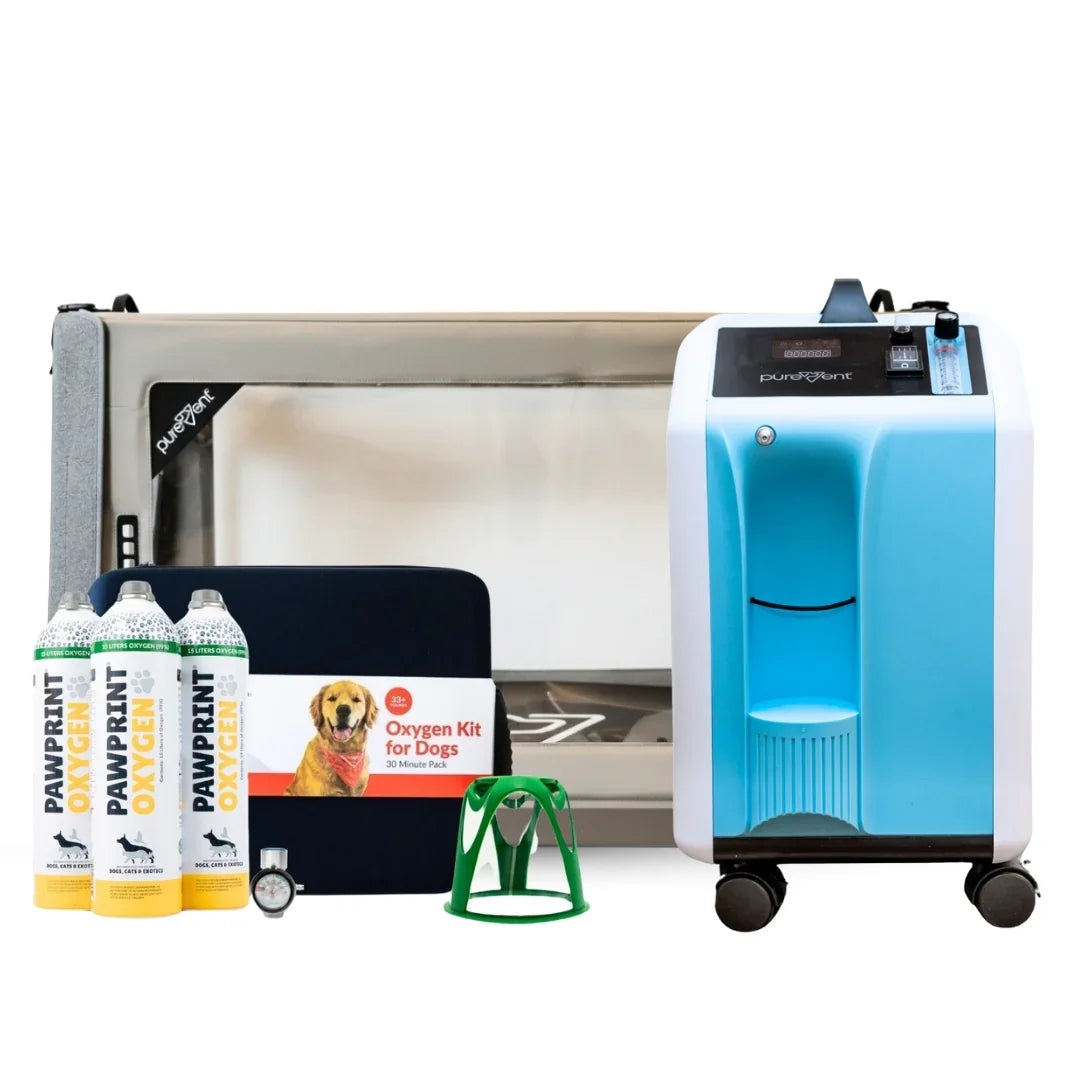
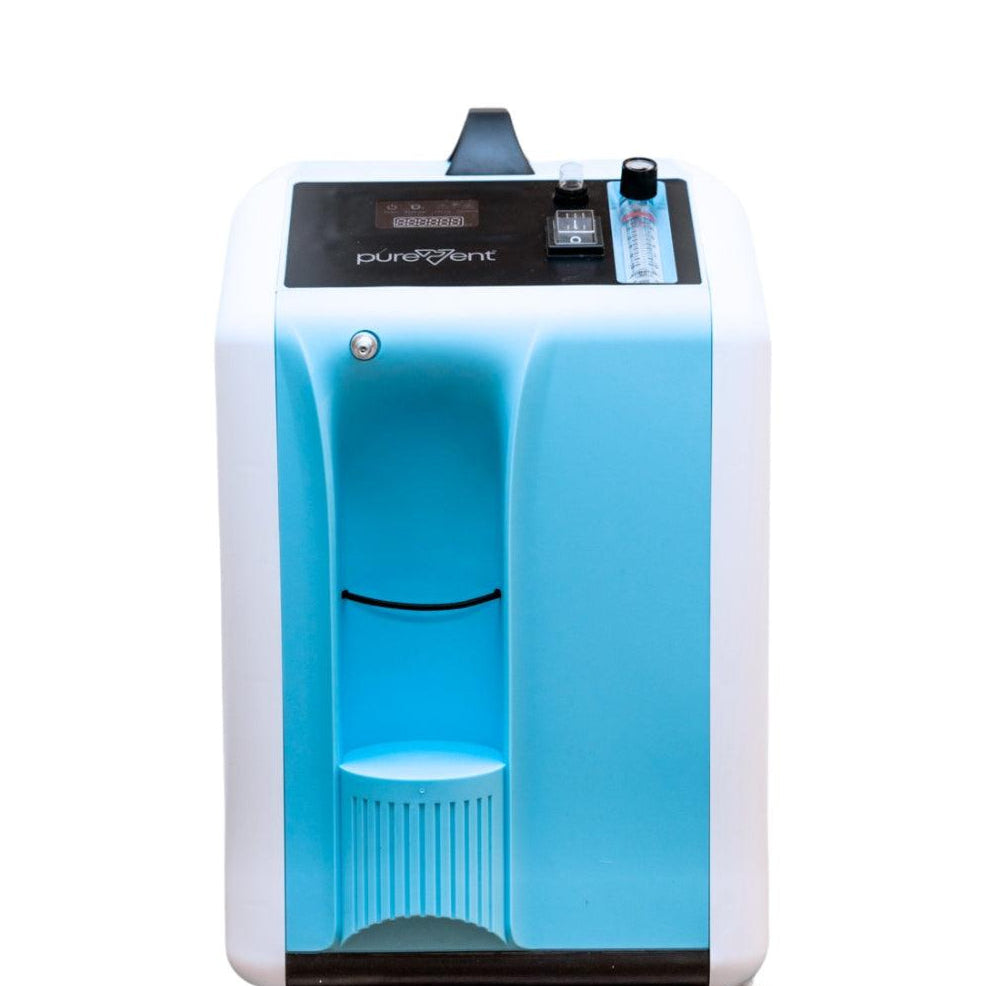
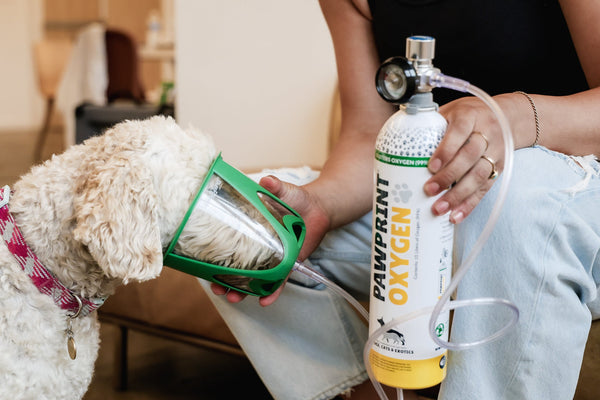
- Uses portable concentrators, oxygen chambers, and portable oxygen kits
- Pros: Immediate access, lower stress, better long-term affordability and continuity of care
When Long-Term Oxygen Support Is Needed
Long-term oxygen support may be needed when congestive heart failure progresses and breathing problems become more frequent or harder to control, leading to ongoing respiratory compromise even with appropriate medication. In these cases, repeated drops in oxygen saturation and recurring pulmonary edema episodes signal that supplemental oxygen is shifting from occasional emergency use to a regular part of supportive or palliative care, with the goal of improving daily comfort and reducing distress rather than curing disease.
Dogs who benefit most from extended oxygen access often show patterns such as:
- Frequent breathing crises or ER visits
- Persistent or recurrent pulmonary edema
- Low resting oxygen saturation readings
- Increasing medication doses or shorter relief windows
Used thoughtfully, ongoing oxygen therapy supports symptom control, lowers stress, and meaningfully improves quality of life for chronic CHF patients.
Safety, Monitoring, and Veterinary Oversight
Oxygen therapy for dogs with heart failure should always be used under veterinary guidance to avoid under- or over-delivery and to ensure it fits the overall treatment plan, since oxygen is supportive care and not a cure. Owners should actively monitor their dog's response to oxygen therapy by watching resting breathing rate, visible breathing effort, and gum color, noting whether these signs improve or worsen during and after sessions.
Basic safety also matters: keep oxygen away from flames or sparks, use prescribed flow rates only, and maintain proper chamber ventilation to prevent heat buildup and ensure safe, effective therapy.

How Oxygen Therapy Supports Dogs with Heart Failure
Oxygen therapy plays a vital supportive role by addressing the breathing strain caused by congestive heart failure, where fluid buildup and reduced cardiac output limit effective oxygen exchange. While it does not cure heart disease, oxygen therapy for dogs with heart failure improves comfort, raises oxygen levels, and provides critical stability during flare-ups, especially when home access is available. Planning ahead and discussing at-home oxygen therapy options with your veterinarian can make emergency moments less stressful and help you confidently support your dog’s breathing at home.