Oxygen Therapy After Surgery: Helping Your Dog or Cat Recover Safely at Home
This guide covers which surgeries most often leave dogs and cats needing supplemental oxygen therapy after surgery, the warning signs that recovery isn't going as planned, and how to set up safe, effective at-home oxygen support alongside your veterinarian's post-op instructions.
⏱ 8-minute read | Updated August 2026 | Reviewed by Pawprint Oxygen Veterinary Team | Browse more articles →
Table of Contents
Surgery day is the part most pet owners brace for. What catches people off guard is the week or two afterward: the stretch where a pet is home, healing, and sometimes breathing harder than they should be. Airway surgeries, chest procedures, and heart repairs all share one thing in common: they can temporarily reduce how efficiently a pet's body moves oxygen into the bloodstream, right at the moment the body needs oxygen most to heal.
This guide covers which surgeries most often leave dogs and cats needing supplemental oxygen during recovery, the warning signs that recovery isn't going as planned, and how to set up safe, effective at-home oxygen support alongside your veterinarian's post-op instructions.

Why Some Procedures Leave Pets Needing Oxygen Therapy After Surgery
Anesthesia itself temporarily suppresses normal breathing drive and can leave the lungs less expanded than usual for hours afterward. Layer on top of that the specific trauma of an airway or chest procedure, which may cause swelling at a surgical site in the throat, pain that makes a pet take shallow breaths instead of full ones, or tissue that was directly incised and needs to heal, and it's easy to see why the 24 to 72 hours after certain surgeries are a genuine respiratory vulnerability window, not just a sore-and-groggy one.
Pets are also masters at hiding discomfort. A dog or cat that seems "fine" resting on the couch can still be moving less air than normal, especially if you're not used to counting breaths or checking gum color. That's exactly the gap supplemental oxygen support is designed to close.
Which Surgeries Most Often Call for At-Home Oxygen Support
Laryngeal Tie-Back Surgery (Laryngeal Paralysis)
Dogs recovering from tie-back surgery for laryngeal paralysis usually breathe dramatically better right after surgery. However, the procedure permanently holds one side of the airway open, and complications like temporary swelling, regurgitation, or aspiration pneumonia are recognized risks in the days following surgery. Veterinary literature specifically notes that dogs with more severe pre-surgical laryngeal collapse have a higher chance of needing postoperative oxygen supplementation.
BOAS Surgery for Brachycephalic Breeds
Bulldogs, pugs, Frenchies, and other flat-faced breeds who undergo airway-widening surgery for brachycephalic obstructive airway syndrome often have swelling at the surgical site for several days afterward, on top of the already-narrowed airways these breeds live with every day. Anesthesia recovery is considered a higher-risk window for this group specifically.
Tracheal Stent Placement or Collapsing Trachea Repair
Dogs treated surgically for severe collapsing trachea can have airway irritation and coughing spikes as the trachea adjusts, particularly in the first week.
Chest Surgery (Thoracotomy) and Mass Removal
Any surgery that opens the chest cavity, either to remove a lung lobe mass, repair a diaphragmatic hernia, or address a chest injury, directly affects how well the lungs can expand. Pain from the incision itself often causes pets to breathe more shallowly, which can be its own source of low oxygen levels during recovery.
Cardiac Procedures
Pets recovering from heart surgery, or from the diagnostic workup and medication adjustments around conditions like congestive heart failure often have reduced cardiac reserve during the recovery period, which can translate into labored breathing even with routine activity.

Signs Your Pet May Need Supplemental Oxygen After Surgery
Call your veterinary surgeon or an emergency clinic right away if you notice any of the following in a recovering pet:
- Breathing that's rapid, shallow, or visibly labored (belly heaving with each breath)
- Gums or tongue that look pale, gray, or blue-tinged
- Loud, raspy, or noisy breathing that's new or worsening
- Restlessness or an inability to settle or lie down comfortably
- Coughing that's increasing rather than easing, especially with any blood-tinged discharge
- Extreme lethargy or unwillingness to lift the head
None of these are "wait and see" symptoms in a post-surgical pet. They're a signal to call your vet immediately. Supplemental oxygen can help stabilize breathing on the way in, but it doesn't replace an exam.
Rescue Oxygen Kit vs. Oxygen Bundle: Which Fits Your Pet's Recovery
Not every recovery looks the same, and the right equipment depends on how long your pet is likely to need support.
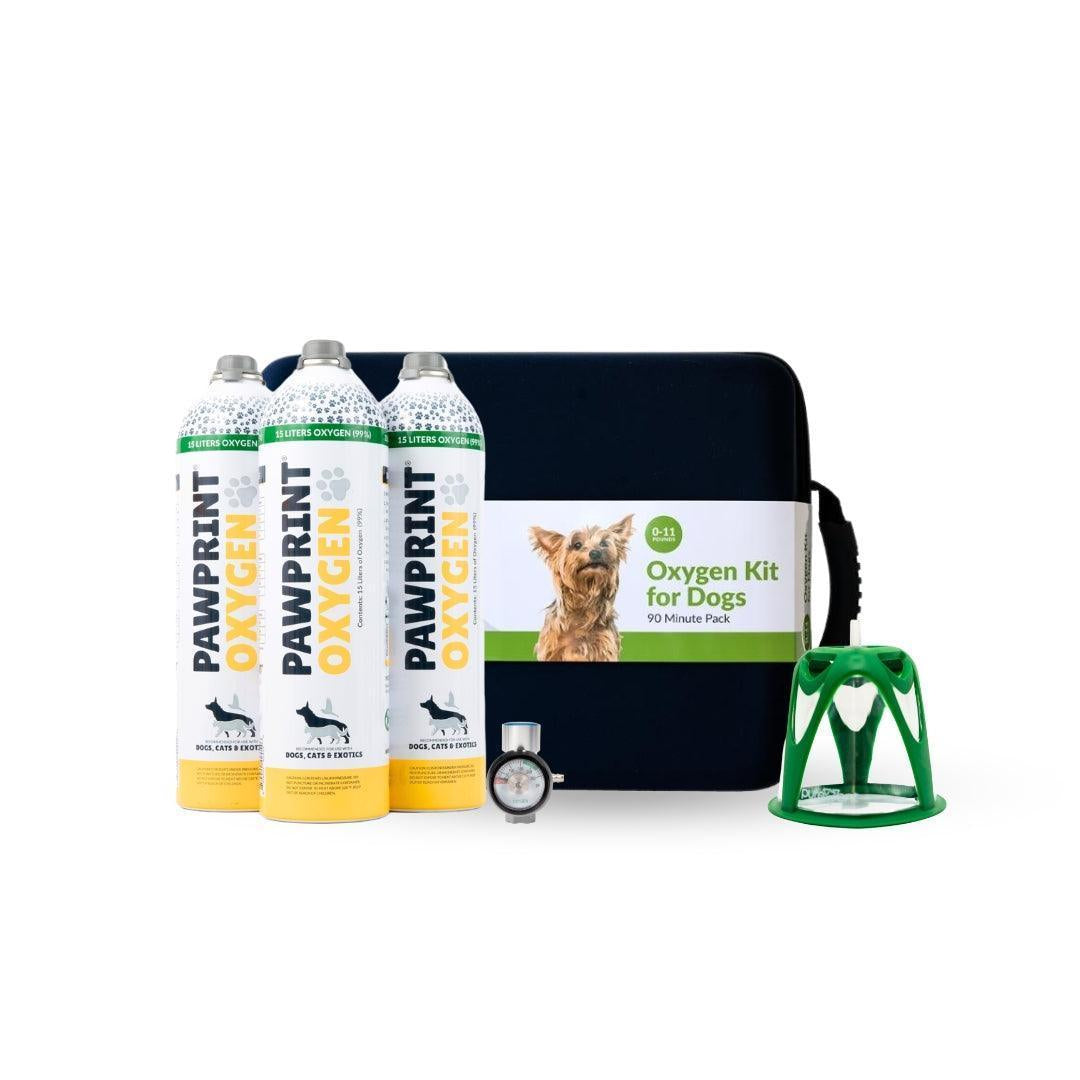
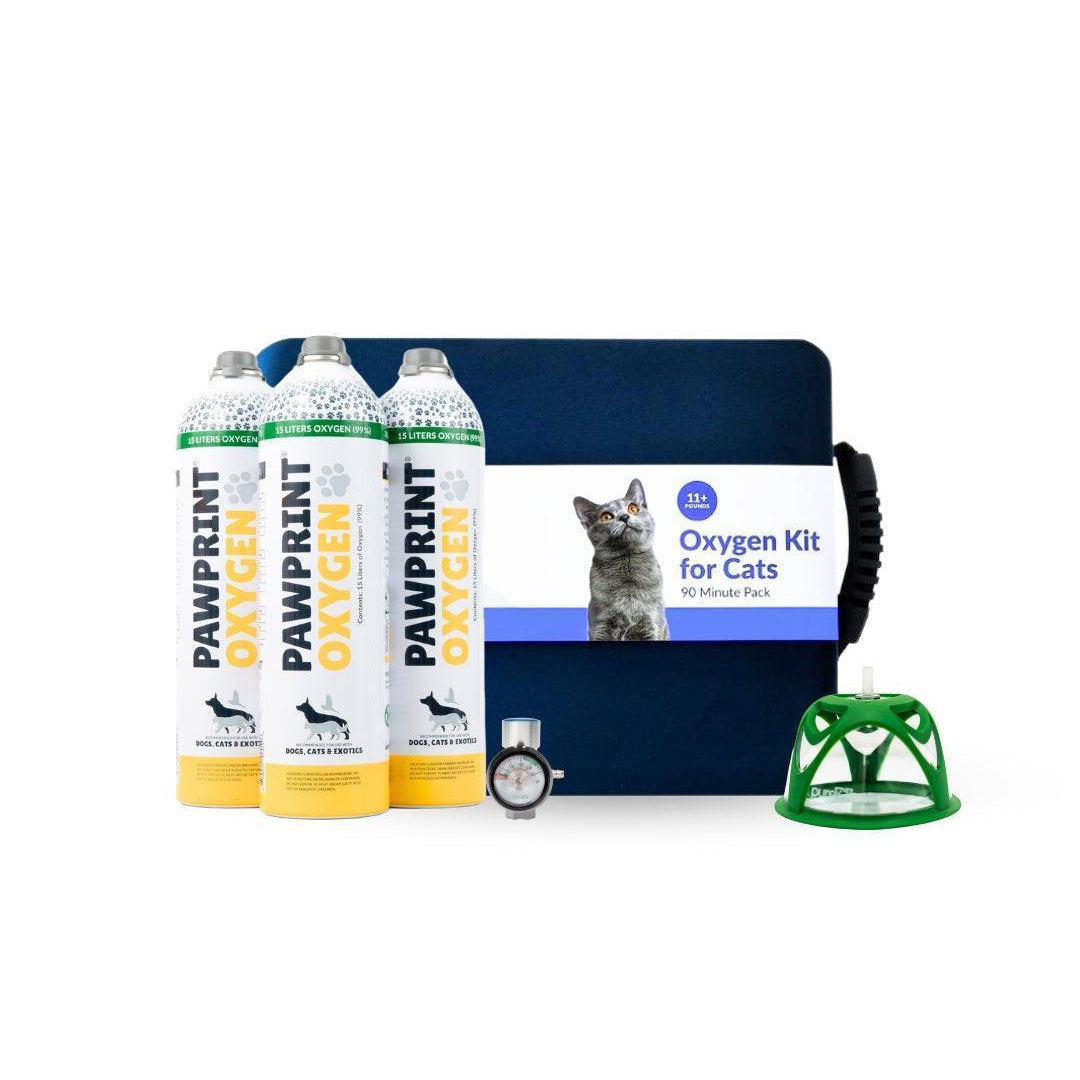
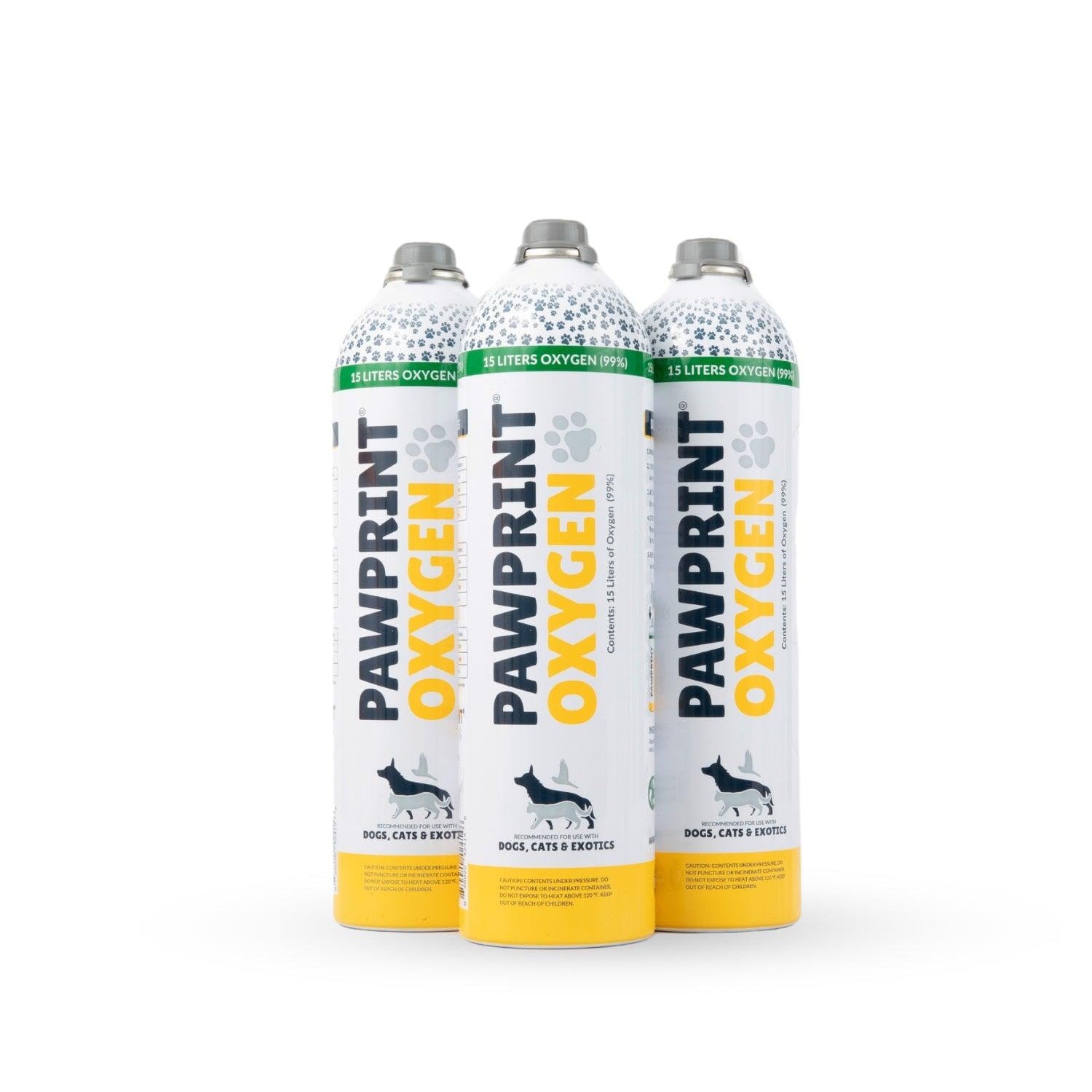
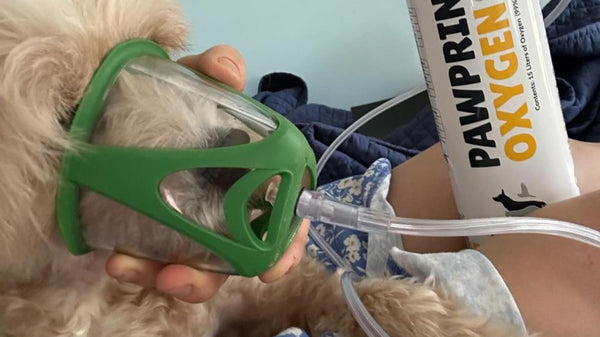
For the first hours after surgery, the drive home from the clinic, or a short window of labored breathing while swelling goes down, a Rescue Oxygen Kit is built for exactly that: portable, pre-filled oxygen canisters, a pre-set flow regulator, and a properly fitted mask, sized for dogs, cats, or working K9s, ready the moment you need it without setup time.
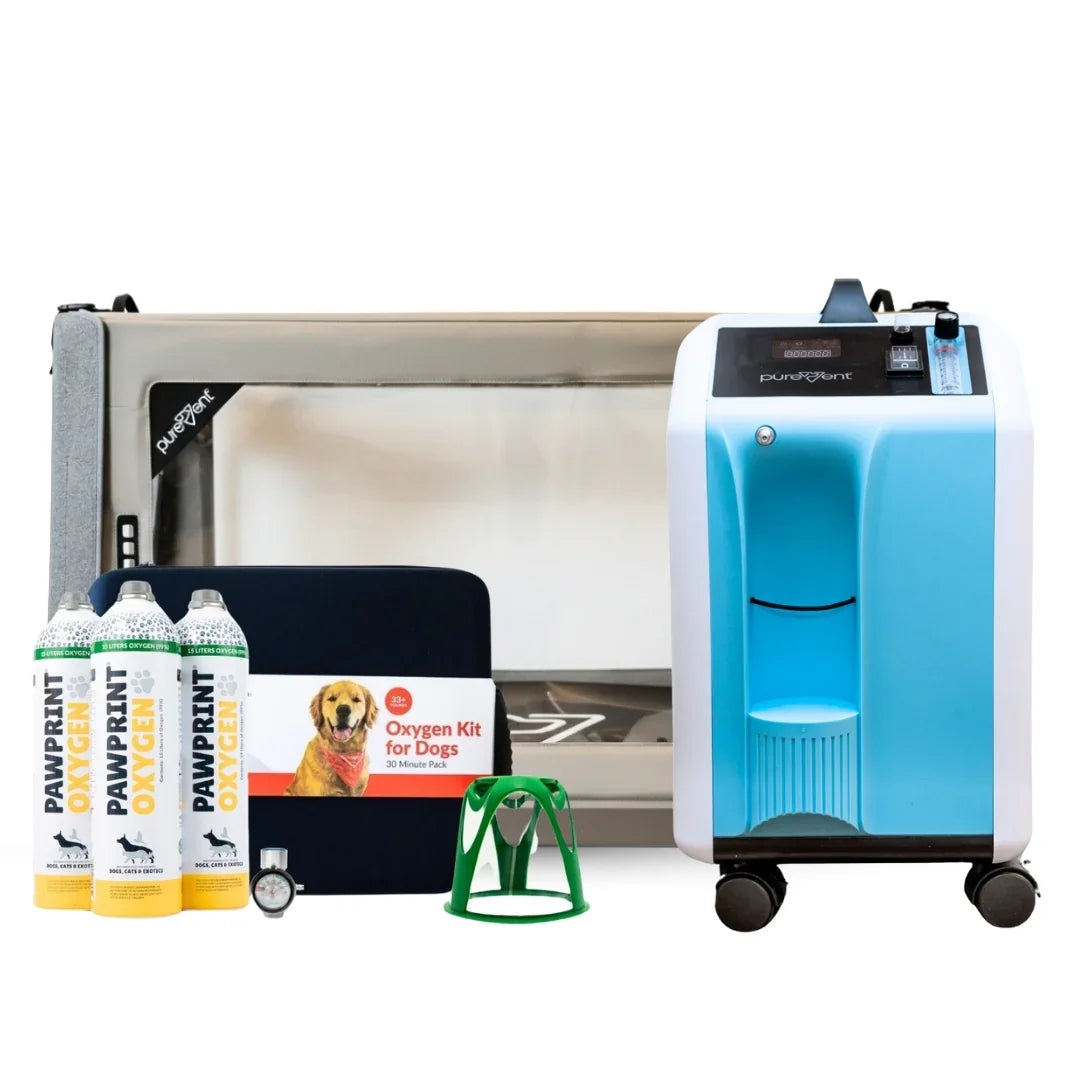
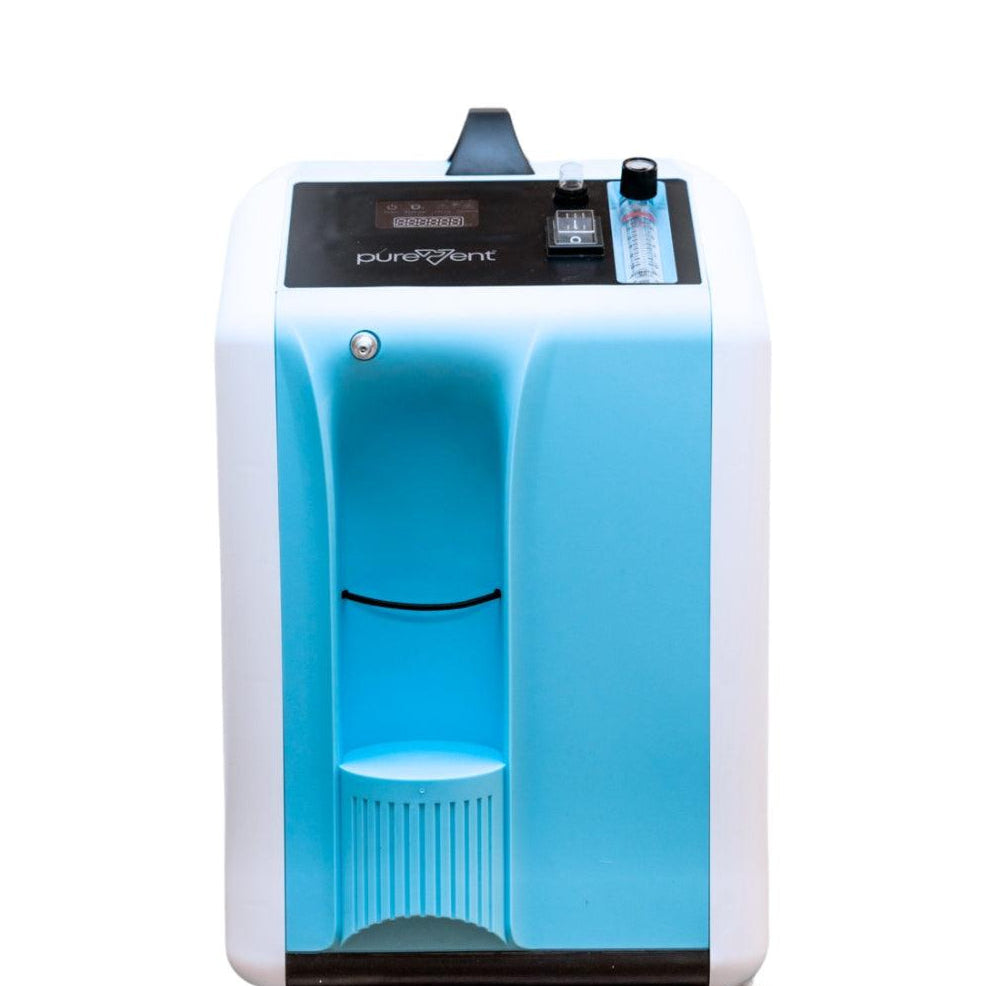
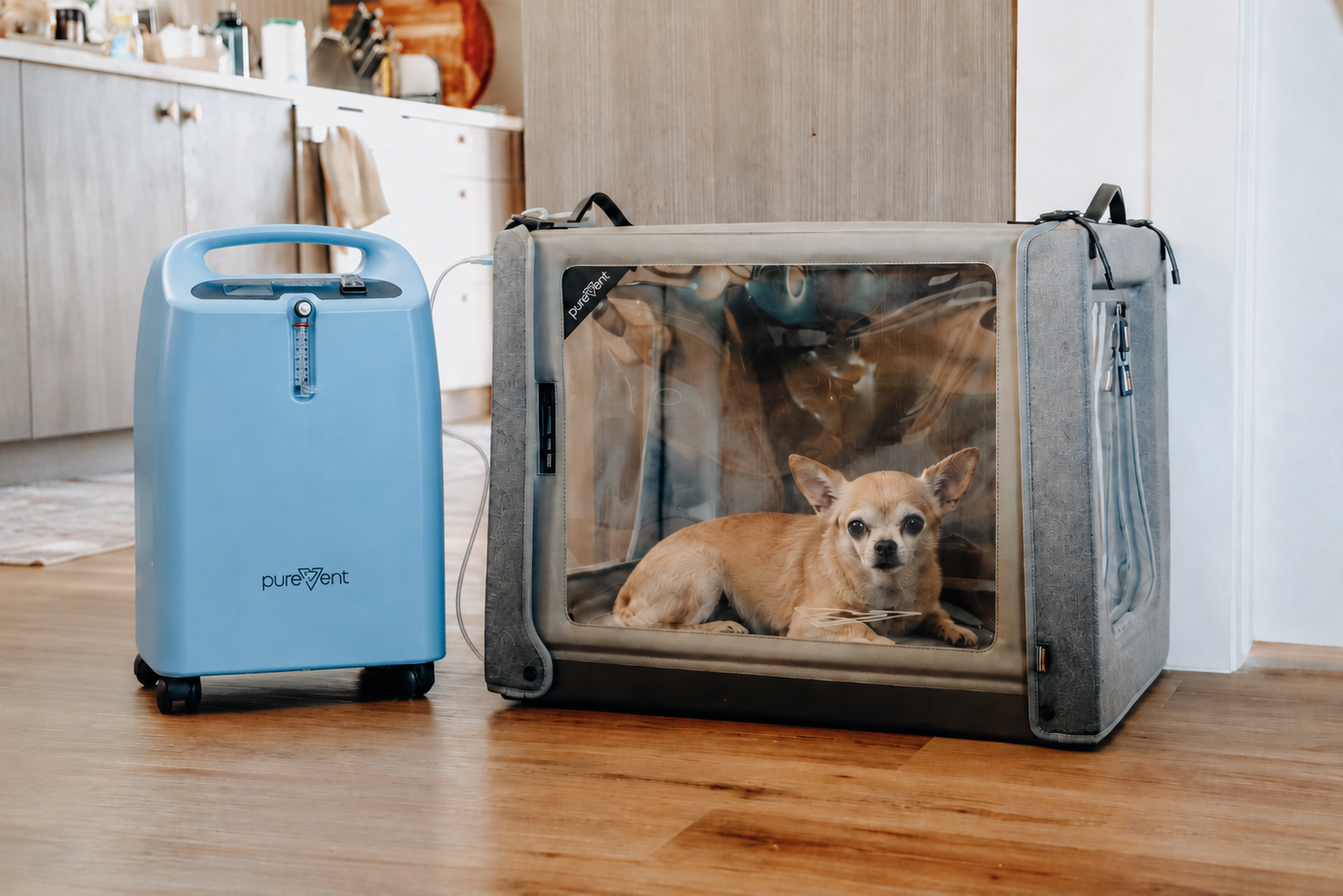
For pets whose surgeon or vet recommends more sustained support, multiple sessions a day over several days, or sessions that run well past 45 minutes, the Oxygen Bundles are the better fit. A bundle pairs a medical-grade oxygen concentrator with an oxygen chamber, producing a continuous, steady flow of oxygen rather than a fixed canister supply. This matters more than it sounds: many of the low-cost oxygen concentrators sold for general home use are not medical grade and simply can't reach the oxygen saturation levels a recovering pet actually needs to benefit from the therapy. For extended post-surgical recovery, the concentrator doing real, measurable work is the entire point.
A simple way to think about it: Rescue Oxygen Kits for the acute moment, Oxygen Bundles for the days-long recovery arc.
Setting Up a Safe Oxygen Recovery Space at Home
- Follow your surgeon's specific instructions first. Oxygen therapy supports what your vet has already prescribed. It doesn't replace pain medication, activity restriction, e-collars, or follow-up visits.
- Pick a quiet, low-traffic room for chamber sessions so your pet can relax rather than associate oxygen time with stress.
- Time sessions around rest, not activity. Post-op pets tend to do best with oxygen support right after they've settled down, not right after moving around.
- Watch the clock, not just the breathing. If your vet recommends a session length, stick to it, and note how your pet's breathing rate looks before and after so you can report trends at follow-up visits.
- Keep the incision site protected during chamber use by using an e-collar or recovery suit. This important protection still matters even while your pet is inside an oxygen chamber.
- Log anything unusual. A phone note with timestamps of coughing spells, breathing rate, or appetite changes makes a real difference at a recheck appointment.

What Oxygen Therapy Can (and Can't) Do During Recovery
Supplemental oxygen makes breathing easier and reduces the strain a compromised airway or chest places on the rest of the body while healing happens. What it does not do is treat the underlying surgical site, manage pain, prevent infection, or substitute for your surgeon's follow-up exams. Think of it as support for the body's oxygen needs while every other part of the recovery plan, medication, rest, wound care, rechecks, does its job.
If your pet also has an incision that needs attention during recovery, a fast, easy-to-apply product like HemoSEAL Critical Pet Wound Spray can be useful to have on hand for minor incision-site irritation or if a pet manages to scratch or lick past an e-collar, though any concern about a healing surgical incision should always go to your vet first.
The Cost & Comfort Case for At-Home Recovery Support
Extended hospitalization for observation isn't cheap. Emergency and ICU-level veterinary care commonly runs anywhere from several hundred dollars to well over a thousand dollars per day, depending on severity, location, and what's included in that care, and oxygen support is typically bundled into that daily rate rather than broken out separately. For pets who are stable enough to recover at home under their vet's guidance, but who still benefit from supplemental oxygen during the healing window, an at-home setup can meaningfully reduce both the financial burden and the stress of an extended clinic stay, for the pet and the household alike.
Frequently Asked Questions
How soon after surgery might my pet need oxygen support?
It varies by procedure, but the highest-risk window for airway and chest surgeries is typically the first 24 to 72 hours, as anesthesia wears off and surgical-site swelling is at its peak. Always follow your surgeon's specific monitoring timeline.
Can I just buy an oxygen concentrator instead of asking my vet?
You can purchase one, but oxygen therapy after surgery should be used alongside your veterinarian's guidance, not instead of it. They can tell you whether your pet's recovery calls for oxygen support, how long sessions should run, and what warning signs mean you need to come back in.
Additionally, for a medical-grade concentrator like the PureVent Pet Oxygen Concentrator, you will need an approved prescription from your veterinarian to be able to buy or rent it.
What's the difference between a Rescue Oxygen Kit and an Oxygen Bundle for recovery?
Rescue Oxygen Kits are portable and built for shorter, on-demand sessions, ideal for the ride home or a brief episode of labored breathing. Oxygen Bundles pair a medical-grade concentrator with a chamber for longer, more sustained sessions, which works well for pets recovering from airway, chest, or heart surgery over several days.
My cat/dog seems fine but is breathing a little fast after surgery. Should I worry?
A slightly elevated respiratory rate right after anesthesia can be normal, but persistent rapid or labored breathing, pale or blue gums, or restlessness that doesn't settle are not. When in doubt, call your vet. It's always better to check than to wait it out.
Is at-home oxygen therapy safe for cats as well as dogs?
Yes. Cats recovering from airway or chest surgery can benefit from the same style of supplemental oxygen support, typically delivered through a properly sized chamber rather than a mask, since most cats tolerate an enclosed chamber better than a fitted mask.

Give Your Pet's Recovery the Support It Deserves
The days after surgery are when the real healing happens, and having the right oxygen support on hand can make that window of time smoother and safer for both of you. Talk to your surgeon about whether your pet's recovery plan calls for supplemental oxygen, and be ready before you're home from the clinic, wondering what to do next.


Additional Reading
- Laryngeal Paralysis in Dogs: Breathing Emergency & Oxygen
- Brachycephalic Breeds: Breathing Emergencies & Oxygen Kit
- Collapsing Trachea in Dogs: Cough, Breathing Emergency & Oxygen
- Congestive Heart Failure in Pets: Breathing Emergency & Oxygen
- Senior Pet Respiratory Health & Oxygen Kit
**This article is for educational purposes and does not replace veterinary care. Always follow your surgeon's or veterinarian's specific post-operative instructions, and contact them immediately if your pet shows signs of breathing difficulty during recovery.