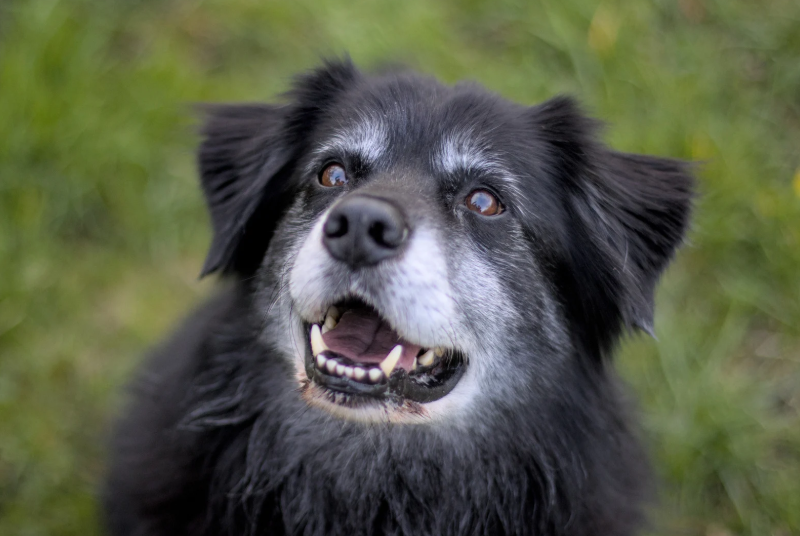
Laryngeal Paralysis in Dogs: Warning Signs, Summer Risk, and Emergency Oxygen
This guide explains what laryngeal paralysis is, which dogs are most at risk, how to recognize when noisy breathing has crossed into a crisis, and how having medical-grade oxygen at home can buy your dog critical time.
⏱ 9-minute read | Updated July 2026 | Reviewed by Pawprint Oxygen Veterinary Team | Browse more articles →
Table of Contents
If your older large-breed dog has developed loud, raspy breathing, a change in the sound of their bark, and a tendency to overheat on walks that never used to bother them, you may be seeing early signs of laryngeal paralysis. For many families, this is a slow, manageable condition until a hot, humid day pushes it into a genuine breathing emergency. And in the middle of summer, those days come often.
This guide explains what laryngeal paralysis in dogs is, which dogs are most at risk, how to recognize when noisy breathing has crossed into a crisis, and how having medical-grade oxygen at home can buy your dog critical time. None of this replaces your veterinarian, but knowing the signs and having the right tools ready can change the outcome.

What Is Laryngeal Paralysis?
The larynx, or voice box, sits at the top of the windpipe. It's guarded by two flaps of cartilage that open wide when your dog breathes in and close protectively when your dog swallows. Opening those flaps takes active muscle work, controlled by a nerve on each side. In laryngeal paralysis, one or both of those nerves stop doing their job, so the flaps no longer open properly on inhalation.
The result is a partly blocked airway. Air has to squeeze past cartilage that won't get out of the way, which produces turbulent, noisy breathing and critically limits how much air the dog can pull in when it needs to breathe hard. Most cases are "acquired," meaning they develop later in life rather than being present from birth.
GOLPP: More Than Just the Airway
In many older dogs, laryngeal paralysis is one visible part of a broader nerve condition now called GOLPP (Geriatric Onset Laryngeal Paralysis and Polyneuropathy). Because it's a slowly progressive disease of the nerves, dogs with GOLPP often go on to develop hind-end weakness, a wobbly or uncoordinated gait, and reduced mobility over months to years, in addition to the breathing changes. Understanding this helps set expectations:
The noisy breathing is usually the first and most dangerous sign, but it's rarely the only one.
Which Dogs Are Most at Risk?
Acquired laryngeal paralysis shows up predominantly in middle-aged to older large- and giant-breed dogs. Breeds diagnosed most frequently include:
- Labrador Retrievers: by far the most commonly affected breed
- Golden Retrievers
- Siberian Huskies
- Newfoundland
- St. Bernard
- Other large and giant breeds, especially as they enter their senior years
There's also a rarer inherited form that can affect young dogs. The Bouvier des Flandres has a well-documented hereditary version, and early-onset genetic laryngeal paralysis has been reported in breeds such as the Siberian husky, Great Pyrenees, bull terrier, and Dalmatian. But for most families, this is a condition of the aging big dog, which is the same population that may also be dealing with arthritis, swallowing issues, and the hind-leg weakness of GOLPP.
Why Summer Is So Dangerous
Here's the part every owner of an at-risk dog needs to understand, especially heading into the hottest months. Dogs don't sweat to cool down the way people do. They pant, moving huge volumes of air across the tongue and airway to shed heat. Panting depends entirely on the larynx opening wide and fast.
In a dog with laryngeal paralysis, the airway can't open the way it should, so panting becomes both less effective and more exhausting. The dog can't cool itself efficiently, so its body temperature climbs. Rising temperature drives even harder, faster breathing, but the paralyzed larynx can't keep up, and the tissues of the airway may begin to swell from the effort. That swelling narrows an already-compromised airway further. It's a vicious cycle, and on a hot, humid day it can escalate from "a little noisy" to a life-threatening respiratory and heat crisis within minutes.
This overlap with overheating is why laryngeal paralysis and heatstroke so often go hand in hand, and why summer is the season these dogs are most likely to end up in the emergency room.
Recognizing the warning signs of laryngeal paralysis in dogs
Early laryngeal paralysis is easy to dismiss as "just getting old." Watch for:
These signs tend to creep in gradually. The danger is that a dog can compensate for a long time, and then a single hot day, a burst of excitement, or overexertion tips it over the edge.

When Noisy Breathing Becomes an Emergency
A dog breathing loudly on a walk needs a veterinary work-up. A dog struggling to breathe needs help now.
Seek emergency veterinary care right away if you see:
- Severe difficulty breathing at rest, with visible heaving of the chest or belly
- Very loud, high-pitched, or frantic breathing paired with obvious panic
- Cyanosis, shown by blue, gray, purple, or muddy-colored gums or tongue, a sign oxygen isn't reaching the blood
- Collapse, fainting, or extreme weakness
- Signs of overheating alongside the breathing distress, heavy drooling, bright red gums, disorientation, or a body that feels dangerously hot
During a crisis, the panic-heat-swelling spiral takes hold fast. Breaking it quickly is the goal, and oxygen is one of the most direct ways to do it while you get help.
How Emergency Oxygen Helps During a Laryngeal Paralysis Crisis
When the larynx can't open, less air and therefore less oxygen reaches the lungs and bloodstream with each labored breath. Supplemental oxygen raises the concentration of oxygen in every breath the dog does manage to take, helping maintain healthier blood-oxygen levels while you calm your dog and get to a veterinarian.
Just as important, oxygen helps interrupt the panic cycle.
A dog that starts getting adequate oxygen often calms, slows its frantic breathing, and stops fighting for air, which reduces the airway swelling that frantic effort creates. This is the same principle behind the oxygen support a veterinary team provides on arrival; the difference is being able to start it in the first few minutes at home, rather than only after a stressful, overheating car ride.
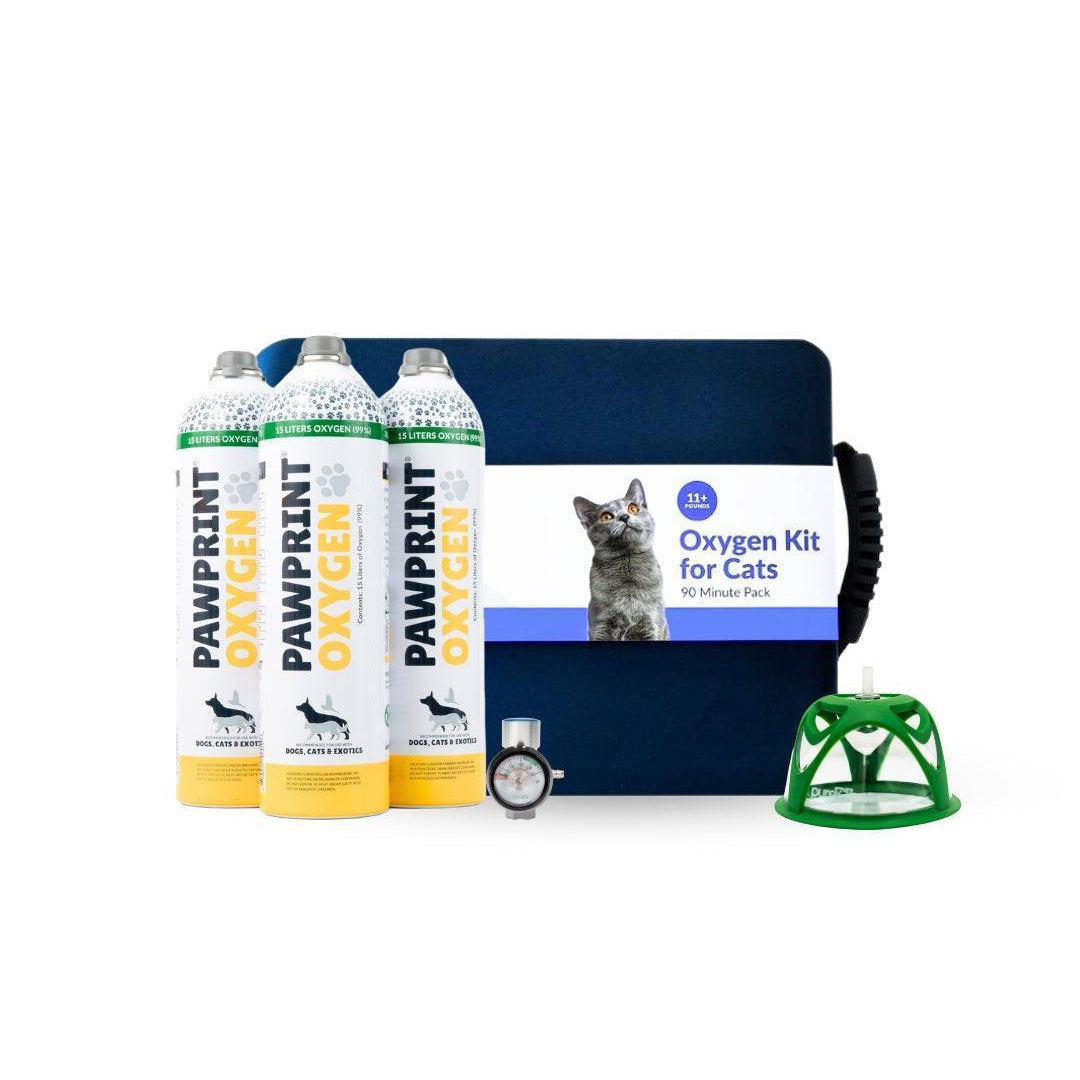
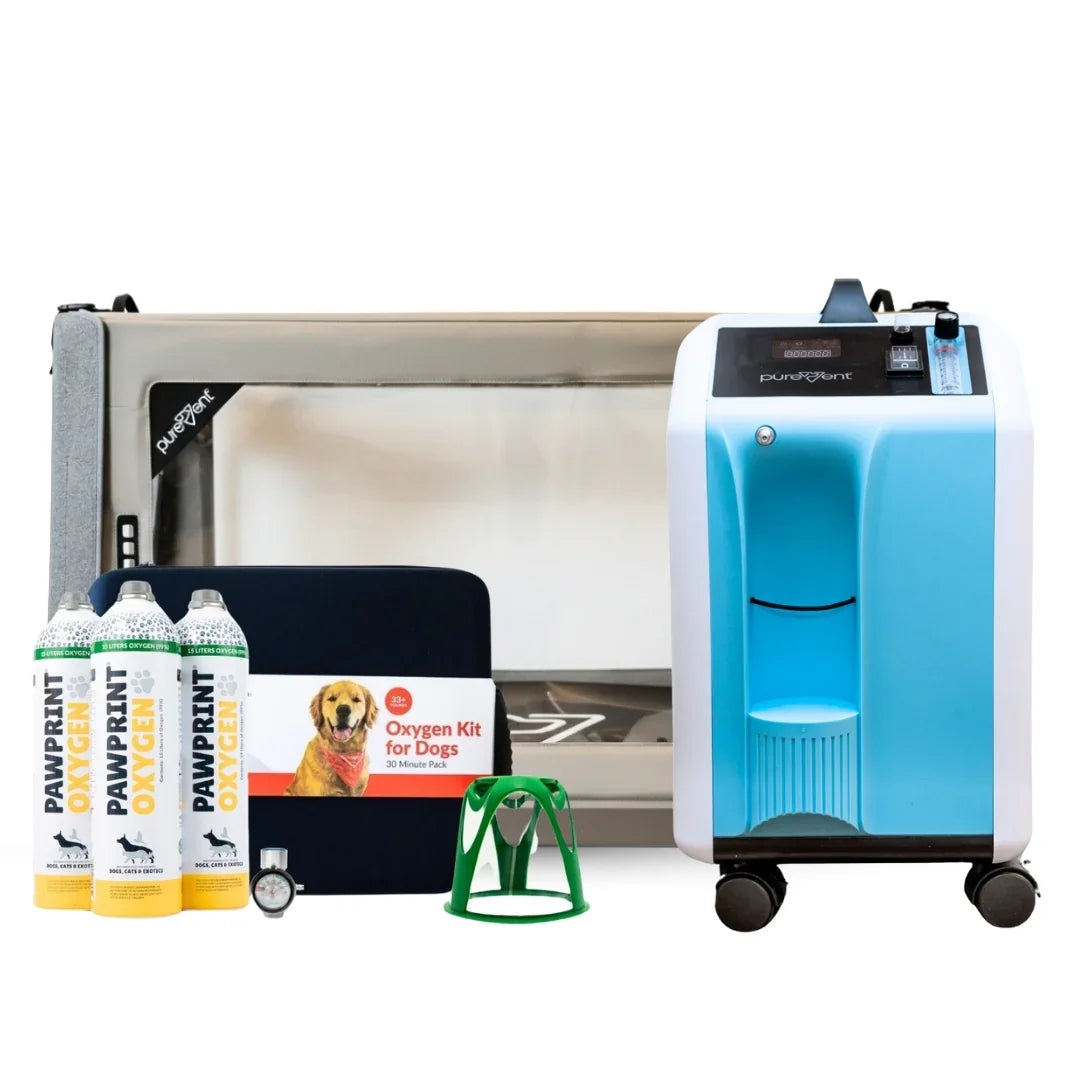
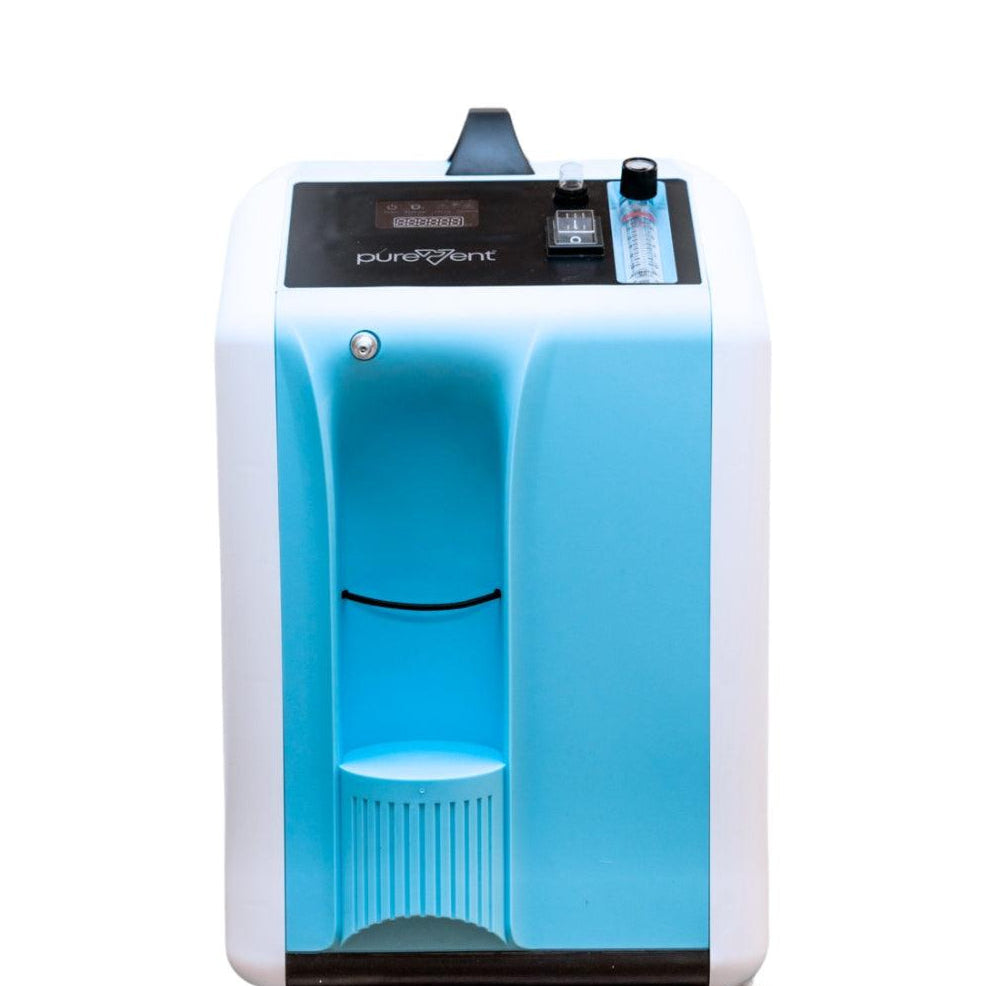
This is exactly the scenario the Rescue Oxygen Kits are designed for. Each kit pairs portable, pet-safe oxygen, a pre-set regulator that will give the right flow of oxygen every time, with a properly fitted mask so you can deliver a meaningful flow of oxygen to a large dog in distress- at home, in the car, or wherever a crisis happens. For a dog with a chronic, progressive condition like GOLPP, an Oxygen Bundle that pairs a medical-grade concentrator with a chamber provides oxygen support for longer sessions, which matters when a big dog needs more than a few minutes of stabilization. Medical-grade concentrators reach the therapeutic oxygen concentrations that make a difference in a crisis and provide the same standard of support a veterinary clinic would provide.

What to Do During a Laryngeal Paralysis Episode
If your dog is having a severe breathing or overheating episode, staying calm yourself genuinely helps, as dogs read our panic and escalate.
- Stop the trigger. End the walk, play, or excitement immediately and get your dog out of the heat.
- Cool the dog and the environment. Move to a cool, shaded, well-ventilated space or air conditioning. Offer cool (not ice-cold) water and run a fan; wet the paws, belly, and groin with cool water if overheating is involved.
- Keep your dog calm and still. Speak softly and minimize handling. Every bit of exertion raises oxygen demand and heat.
- Start oxygen if you have it. Use your Rescue Oxygen Kit to provide supplemental oxygen, following the kit's instructions.
- Watch the gums and temperature. Pink gums are reassuring; blue, gray, or brick-red gums mean you need the emergency vet immediately.
- Call your veterinarian or emergency clinic. Even if your dog improves, an acute episode warrants a professional assessment and a plan for the next one.

Managing Laryngeal Paralysis Day to Day
Between crises, several habits reduce both the frequency and severity of episodes.
- Keep your dog at a lean, healthy weight, since excess weight worsens breathing effort.
- Switch from a collar to a harness to keep pressure off the throat.
- Exercise during the cool parts of the day, keep sessions short, and avoid hot, humid conditions entirely when possible.
- Keep excitement and stress low, and keep your home cool in summer.
Because GOLPP also affects the nerves that control swallowing, ask your vet about feeding practices that reduce the risk of inhaling food or water. For dogs with significant airway obstruction, your veterinarian may discuss a surgical procedure (commonly called a "laryngeal tie-back") to hold one side of the airway open.
For households with a senior large-breed dog, pairing these habits with an emergency oxygen plan is one of the most practical forms of preparedness you can have, a theme we return to often in our writing on senior pet respiratory health.
Frequently Asked Questions
Is laryngeal paralysis in dogs an emergency?
Not always. Many dogs live with noisy breathing for months or years with careful management. It becomes an emergency when breathing tips into distress, characterized by labored breathing at rest, frantic or high-pitched breathing, blue or gray gums, fainting, or signs of overheating. Those require immediate veterinary care.
What does laryngeal paralysis sound like in a dog?
Owners typically describe loud, raspy, or harsh breathing that's most obvious on inhalation and worse after activity or excitement. Many also notice a change in the bark, as it often sounds hoarser or weaker than before.
Why is laryngeal paralysis worse in hot weather?
Dogs cool themselves by panting, which depends on the larynx opening wide. A paralyzed larynx makes panting inefficient, so the dog can't shed heat well, overheats, and breathes even harder. A cycle that can quickly become a combined breathing and heat emergency.
Can I give my dog oxygen at home for a laryngeal paralysis episode?
Yes. Supplemental oxygen from a pet oxygen kit can help support healthy blood-oxygen levels and calm a panicking dog during a flare. It's a stabilization measure to use while you contact and travel to your veterinarian, not a substitute for professional care.
Which dogs are most prone to laryngeal paralysis?
Middle-aged to older large and giant breeds, especially Labrador retrievers, golden retrievers, Siberian huskies, Newfoundland, and St. Bernard. A rarer inherited form can affect some younger dogs, including the Bouvier des Flandres.

Be Ready Before the Next Hot Day
Laryngeal paralysis is often slow and predictable in its early signs but sudden and frightening in its crises, and summer heat is the trigger that turns manageable into life-threatening. The dogs most at risk are large, often senior, and prone to overheating in exactly the conditions that make getting to a vet take time you may not have. Having oxygen ready at home means you can act in the first critical minutes instead of waiting helplessly.
Explore the Rescue Oxygen Kits.
Find the right fit for your large-breed dog, or step up to an Oxygen Bundle for longer, concentrator-powered support during chronic respiratory conditions like GOLPP.
Related Reading
- Heatstroke in Dogs: Emergency First Aid and Oxygen
- Senior Pet Respiratory Health: Protecting Aging Lungs
- Brachycephalic Breeds and Breathing Emergencies: Why an Oxygen Kit Matters
- Collapsing Trachea in Dogs: Warning Signs, Triggers, and Emergency Oxygen
- Congestive Heart Failure in Pets: Recognizing a Breathing Emergency