Collapsing Trachea in Dogs: The Honking Cough, Breathing Emergencies, and the Role of Oxygen
This guide walks you through understanding what tracheal collapse is, when a coughing fit has become something more dangerous, and having a plan for the moments when your dog is struggling to move air, including why supplemental oxygen has become such a valued safety net for families with small dogs.
⏱ 10-minute read | Updated July 2026 | Reviewed by Pawprint Oxygen Veterinary Team | Browse more articles →
Table of contents
If you share your home with a Yorkie, a Pomeranian, a Chihuahua, or another small breed, you may already know the sound: a sudden, dry, honking cough that erupts when your dog gets excited, pulls against the leash, or laps up a drink of water too fast. Owners often describe it as a goose honk, and the first time they hear it, they assume something is stuck in the throat. Usually nothing is. That distinctive cough is the signature of a collapsing trachea, one of the most common chronic airway problems in small dogs, and one that can, in its worst moments, tip into a genuine breathing emergency.
The good news is that collapsing trachea is highly manageable, and most dogs live full, happy lives with it. But living well with the condition means understanding what it is, recognizing when a coughing fit has become something more dangerous, and having a plan for the moments when your dog is struggling to move air. This guide walks through all of it, including why supplemental oxygen has become such a valued safety net for families with a small dog who honks.

What a Collapsing Trachea Actually Is
The trachea, or windpipe, is the tube that carries air between your dog's throat and lungs. In a healthy dog, it's held open by a series of sturdy, C-shaped rings of cartilage, with a soft membrane bridging the open part of each "C." In a dog with tracheal collapse, that cartilage has weakened and lost its rigidity. Instead of holding their round shape, the rings flatten, and the airway narrows from a circle into a slit.
When air rushes through that narrowed, floppy passage, especially during a cough, a bout of excitement, or a deep breath, the walls of the trachea vibrate and slap together. That vibration is what produces the unmistakable honking sound. It's a mechanical problem, not an infection, which is why it tends to be chronic and progressive rather than something that simply clears up.
Understanding this mechanism matters because it explains why the condition can become an emergency. A trachea that's mildly narrowed is an annoyance; a trachea that collapses severely during a coughing spiral can leave a dog unable to pull in enough air, and that's when oxygen levels in the blood start to fall.
Which Dogs Are Most at Risk
Tracheal collapse overwhelmingly affects small and toy breeds, and it's most often diagnosed in middle-aged to older dogs. The breeds seen most frequently include:
- Yorkshire Terriers
- Pomeranians
- Chihuahuas
- Toy and Miniature Poodles
- Maltese
- Pugs and other small companion breeds
Several factors can worsen the problem or trigger flare-ups: obesity, which adds pressure on the airway and effort to every breath; pulling against a neck collar; exposure to cigarette or vape smoke and other airborne irritants; hot, humid weather; and respiratory infections. Excitement and overexertion are common triggers for individual coughing episodes, which is why so many owners first notice the honk when the doorbell rings, or the leash comes out.

How Tracheal Collapse Is Graded
Veterinarians often describe tracheal collapse using a four-grade scale based on how much the airway has narrowed. Knowing roughly where your dog falls helps you understand both the severity and the urgency:
- Grade I: The cartilage rings are slightly softened, and the airway is only minimally narrowed. Coughing is mild and usually appears during excitement.
- Grade II: The trachea is around 50% collapsed. Coughing becomes more frequent and may occur even at rest.
- Grade III: About 75% of the airway is flattened. Breathing becomes labored, and dogs may gag, wheeze, or start avoiding exercise.
- Grade IV: The airway is nearly completely collapsed. Dogs may struggle to breathe even at rest, and this grade can require urgent intervention.
Most dogs are diagnosed at the milder end of the scale and managed successfully for years. But the grade can progress over time, and even a dog who normally sits at Grade II can spiral into acute distress during a severe coughing fit, a heat wave, or a moment of intense excitement.

Coughing Fit or Breathing Emergency? How to Tell the Difference
This is the distinction that matters most, because the response is so different.
A typical coughing episode is loud and alarming but self-limiting. Your dog honks several times, often after excitement, exercise, or drinking, and then settles back to normal breathing within a minute or two. Gums stay a healthy pink, and the dog returns to its usual self.
A breathing emergency looks and sounds different. The dog can't seem to break the coughing-and-gasping cycle. Breathing stays rapid and labored even after the coughing stops. You may see exaggerated belly effort with each breath, a wide stance with elbows held away from the body, restlessness or an inability to settle, and, most urgently, gums or tongue that turn pale, gray, or bluish. A dog that collapses, faints, or breathes with an open mouth and obvious panic is in a true crisis and needs emergency veterinary care immediately.
The blue-tinged gum color, called cyanosis, is the clearest warning that the body isn't getting enough oxygen. Treat it as an emergency every single time.
Why Oxygen Matters During a Crisis
When a dog's trachea collapses severely during a flare, the core problem is hypoxemia, too little oxygen reaching the bloodstream because the airway has narrowed to a slit. The frantic coughing and panic make it worse: a frightened dog fighting for air breathes faster and harder, the airway vibrates and collapses further, and the whole situation spirals.
In a veterinary hospital, oxygen support paired with sedation and cough suppression is a frontline response to a tracheal collapse crisis, calming the dog and restoring oxygen levels go hand in hand.
This is exactly where at-home oxygen has changed the picture for many families. Tracheal collapse flares often strike at the worst times, late at night, during a summer heat wave, or in the panic of a moment before you've even reached the car. Having oxygen support ready at home means you're not starting from zero in those critical first minutes while you arrange to get to the clinic.
Not All Pet Oxygen Is the Same
If you've searched online, you've probably seen small oxygen canisters marketed for pets. It's worth understanding their limits. Many inexpensive canisters deliver only a brief, low-concentration puff, a spray of a few seconds, which does little to meaningfully raise the blood oxygen of a small dog in real distress. For a tracheal collapse flare that may call for calm, sustained support, a 30-second burst simply isn't enough.
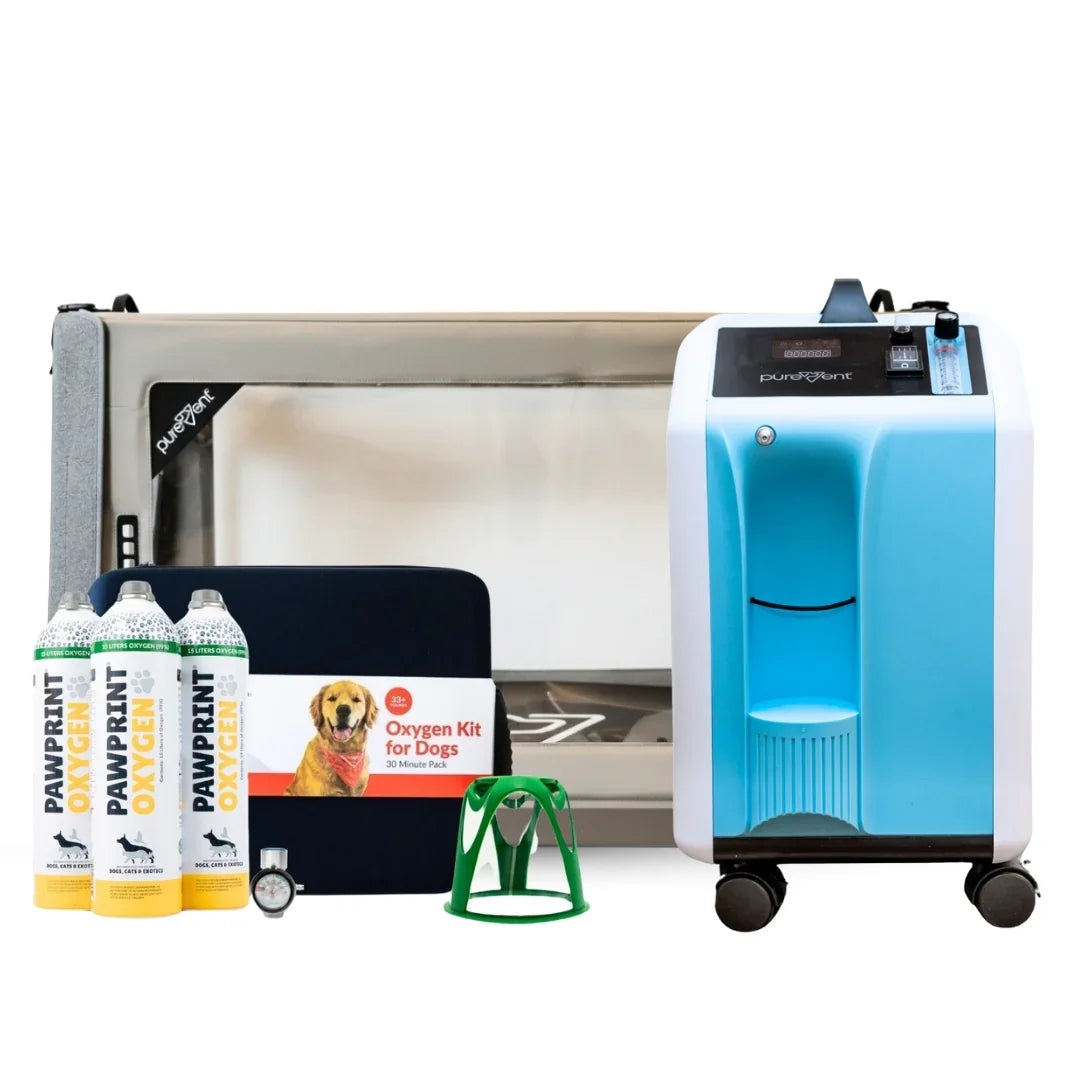
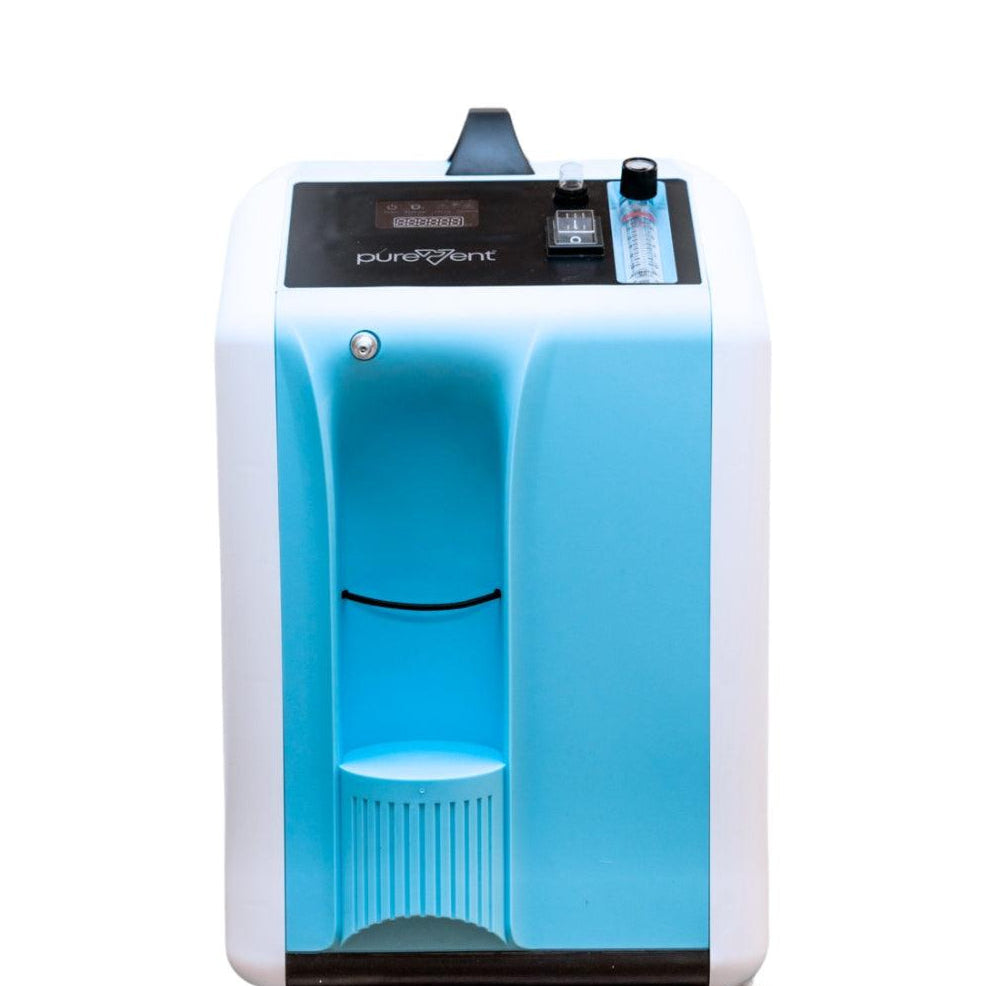
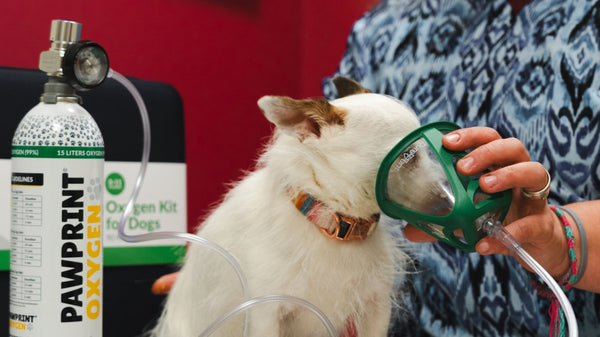
A medical-grade oxygen concentrator paired with a properly sized chamber is built to deliver a genuinely therapeutic oxygen concentration over an extended session. This is why the Oxygen Bundles pair a concentrator with an oxygen chamber: a concentrator pulls oxygen continuously from room air, so you're never counting down a disposable canister during an emergency, and a quiet chamber lets an anxious small dog rest in an oxygen-rich space rather than fighting a mask. For families who want a portable, grab-and-go option, the Rescue Oxygen Kits offer support sized for dogs, cats, and working K9s.
To be clear about what home oxygen is and isn't: it is a bridge, not a cure. It supports your dog's oxygen levels while you calm a flare or get to veterinary care. It does not replace your veterinarian's diagnosis, prescription medications, or emergency treatment. Used as part of a plan you've built with your vet, though, it can make those frightening early minutes far safer.

Living Well With a Dog Who Has Tracheal Collapse
The families who manage this condition best tend to share a few habits. They keep their dog at a healthy weight, since every extra pound adds effort to compromised breathing. They switch from a neck collar to a harness, so leash pressure never lands on the windpipe. They keep their dog out of cigarette and vape smoke and away from airborne irritants. They avoid overexertion and extreme heat, and they keep excitement manageable around known triggers. They keep any prescribed cough suppressants or other medications on hand and current. And increasingly, they keep an oxygen setup at home so a midnight flare doesn't become a scramble.
It's worth talking with your veterinarian about what an at-home oxygen plan should look like for your specific dog, how long a session is appropriate, what setup makes sense for your dog's size, and which signs mean "get to the ER vet now" no matter what. A short conversation at a calm appointment is far better than improvising during a crisis.
Frequently Asked Questions
What does a collapsing trachea sound like in a dog?
The classic sign is a dry, honking cough often compared to a goose honk. It typically erupts during excitement, exercise, pulling on a leash, or drinking, and in mild cases the dog settles back to normal within a minute or two.
Is a collapsing trachea an emergency?
Most coughing episodes are not emergencies and resolve on their own. It becomes an emergency when your dog can't stop coughing or gasping, breathes hard even at rest, collapses or faints, or shows pale, gray, or bluish gums. Those signs mean too little oxygen is reaching the blood and require immediate veterinary care.
Can I give my dog oxygen at home for tracheal collapse?
Supplemental oxygen can support a dog in respiratory distress while you calm a flare and arrange veterinary care, which is why many families with small dogs keep an at-home setup. It is a bridge to treatment, not a substitute for it. Always build your plan with your veterinarian, and never delay emergency care because you're giving oxygen at home.
Should I use a harness instead of a collar?
Yes. A neck collar places direct pressure on the trachea every time your dog pulls, which can trigger coughing and worsen the airway over time. A well-fitted harness distributes that pressure across the chest and is strongly recommended for dogs with tracheal collapse.
What's the difference between a Rescue Oxygen Kit and an Oxygen Bundle?
The Rescue Oxygen Kits are portable, grab-and-go kits sized for dogs, cats, and working K9s, which are ideal for a fast response. The Oxygen Bundles pair a medical-grade concentrator with a chamber for longer, sustained sessions, which suits a chronic condition like tracheal collapse where repeated or extended support may be needed.

Be Ready Before the Next Flare
A collapsing trachea asks a quiet kind of vigilance from the families who live with it, managing weight, switching to a harness, avoiding irritants and overheating, and knowing the difference between an ordinary honk and a real emergency.
You can't reverse the cartilage, but you can control your readiness. Keep your vet's plan close, watch your dog's breathing and gum color, and have oxygen support on hand for the moments that count.
Related Reading
Keep building your pet emergency plan with these guides: