That dry, honking cough can rattle you long before it rattles your dog. The good news is that kennel cough, known clinically as canine infectious tracheobronchitis, is usually mild and self-limiting in an otherwise healthy adult dog.
Most cases run their course in one to three weeks while the immune system clears the infection.
So the real question is not "how do I cure this," but "can I handle this at home, or do I need to act?" Home care here means supportive comfort and careful monitoring while the infection clears on its own.
This guide walks you through how to tell the difference, what soothes the cough, and the warning signs that mean it is time to call your veterinarian.
⏱ 10-minute read | Updated August 2026 | Reviewed by Pawprint Oxygen Veterinary Team | Browse more articles →
Table of Contents
Is This Really Kennel Cough?
Kennel cough has a signature sound. Owners often describe a dry, hacking cough that ends in a gag or retch, sometimes bringing up a little white foam. It gets worse with excitement or any pressure on the throat, which is why a tug on the collar can set off a fit.
Timing is another clue. Symptoms usually appear two to fourteen days after exposure to other dogs, so think back to recent boarding, daycare, grooming, or a trip to the dog park. Despite the name, kennel cough is not caught only in kennels. Shared water bowls, toys, and nose-to-nose contact all spread it.
For a fuller rundown of causes, symptoms, and recovery, our complete kennel cough FAQ covers the ground in depth.
A cough can also point to something more serious than a contagious respiratory infection. Reverse sneezing sounds dramatic but resolves on its own in seconds. A collapsing trachea produces a similar goose-honk noise but is chronic and progressive. A heart-related cough or pneumonia carries different, higher-stakes signals.
If you are unsure whether the sound you are hearing is kennel cough or something more concerning, comparing the symptoms side by side can help you decide what to do next.

When Home Care Is Appropriate vs. When to Call the Vet
This is the decision that matters most, so give it real thought before reaching for remedies. Not every dog with a cough is a candidate for at-home care, and the right call depends heavily on who your dog is.
The Home-Care-Appropriate Profile
A healthy adult dog is usually a reasonable candidate for supportive care at home. The picture you want to see is a dog who is eating and drinking normally, still energetic, and coughing but otherwise acting like themselves. When the cough is the only symptom and everything else looks routine, monitoring plus comfort measures is often enough.
The Call-the-Vet-Now Profile
Some dogs should see a veterinarian at the first sign of a cough rather than waiting it out. That list includes puppies, senior dogs, pregnant dogs, and any dog that is immunocompromised. It also includes brachycephalic breeds like Bulldogs, Pugs, and Frenchies, along with dogs that already have a heart or lung condition.
The reason comes down to physiology. These dogs have less respiratory reserve to draw on, so a mild infection can push them into trouble faster than it would a healthy adult.
A flat-faced dog is already working harder to move air, and added airway inflammation narrows an already tight margin. A dog in this group can become distressed quickly, which changes the whole calculation.
A Simple Green, Yellow, Red Triage
To make this practical, sort your dog into one of three categories:
Green: Mild cough, normal energy and appetite, no other symptoms. Monitor at home and provide supportive care.
Yellow:A cough that persists beyond a week, mild lethargy, or reduced appetite. Call your veterinarian within 24 to 48 hours for guidance.
Red:Labored breathing, blue or pale gums, refusing food or water, fever, or thick nasal discharge. This is urgent. Get to a veterinarian or emergency clinic now.
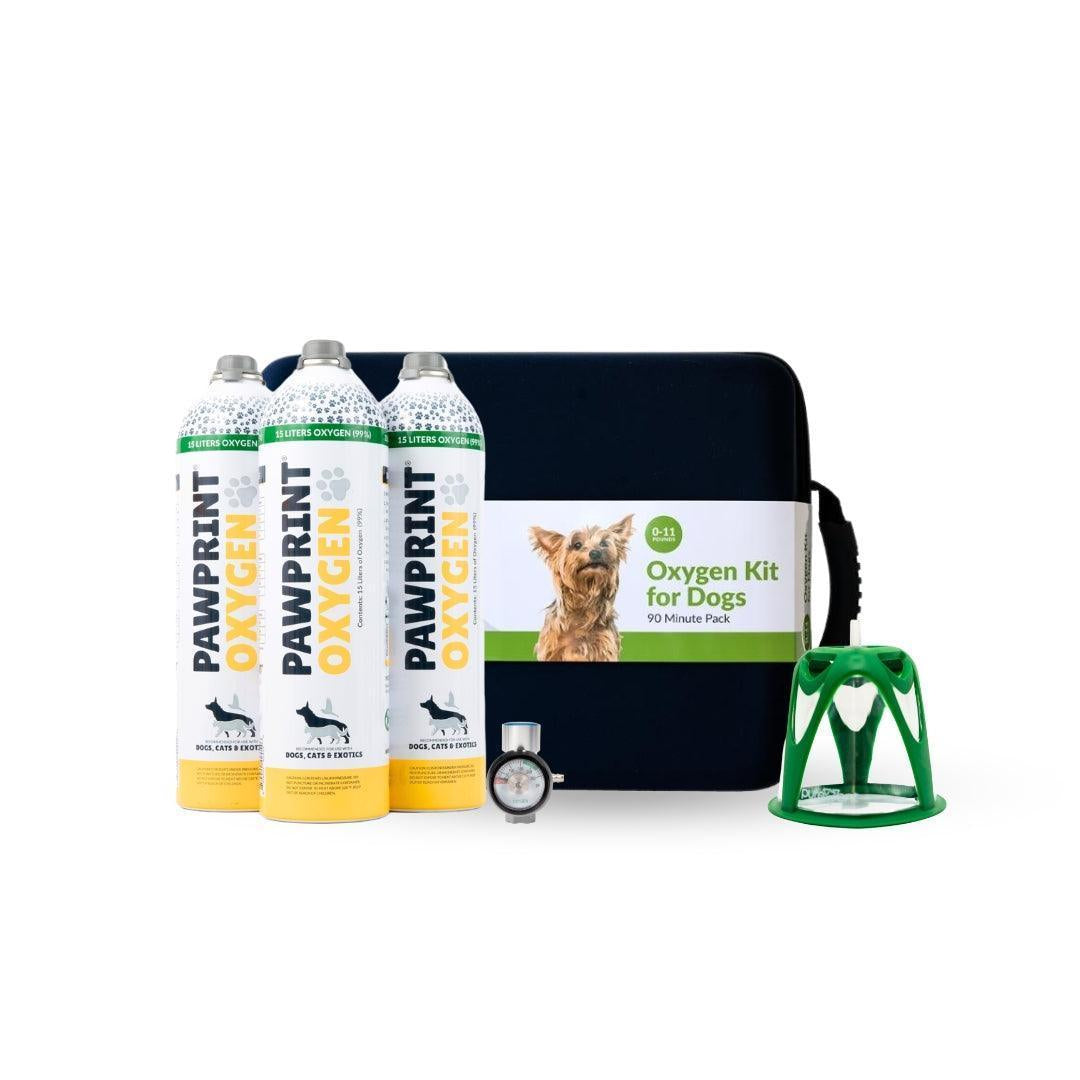
Owners of at-risk breeds sometimes keep vet-directed emergency oxygen on hand for respiratory flare-ups, including portable rescue oxygen kits used under a veterinarian's guidance.
For a dog with an existing airway or cardiac condition, that kind of stabilizing support can bridge the gap on the way to care. It is not a treatment for kennel cough itself, and for a healthy dog with an uncomplicated case, it is not something you need.
Supportive Home Remedies That Actually Help
Once you have decided home care is appropriate, a handful of simple measures make your dog more comfortable and can shorten a rough stretch.
None of these cure the infection. They ease the cough and support the body while it does the work of clearing the illness.
1) Rest and Activity Restriction
Reducing exertion is one of the most useful things you can do. Hard activity triggers coughing fits and irritates an already inflamed airway, so a quiet recovery space and limited exercise give the trachea a chance to settle. Think short bathroom walks rather than the usual romp.
2) Humidity and Steam
Moist air soothes irritated airways. Run a cool-mist humidifier in the room where your dog rests, or bring your dog into a steamy bathroom while you run a hot shower for ten minutes. Both add humidity that loosens the dry, hacking quality of the cough.
3) Hydration and Soft, Warm Food
Keep fresh water available at all times, and consider warming your dog's food or offering something soft to ease throat irritation. A little low-sodium chicken broth or bone broth can tempt a dog with a reduced appetite to keep drinking. Skip any broth made with garlic or onions, both of which are toxic to dogs.
4) Switch to a Harness
A collar presses directly on the windpipe, and that pressure sets off coughing in an already sensitive throat. Switching to a harness for walks removes the tracheal pressure and cuts down on the fits it triggers.
5) Isolation From Other Dogs
Kennel cough is highly contagious. Keep your recovering dog away from other dogs at home and in the community to prevent spread, and hold off on daycare, boarding, and the dog park until your veterinarian confirms the contagious window has passed.
6) Honey for Dogs Over One Year
Honey can soothe an irritated throat, though the evidence in dogs is weak and largely extrapolated from human studies. If you want to try it, treat it as a comfort measure rather than a proven remedy.
A small amount of raw honey, roughly a teaspoon for a medium dog once or twice a day, is generally considered reasonable for healthy adult dogs.
One caution is non-negotiable: never give honey to a puppy under one year old. Raw honey can carry botulism spores, a real risk for puppies whose immature systems cannot handle them. Diabetic and obese dogs should also skip honey given the sugar load, so check with your veterinarian first.
7) A Clean-Air Environment
Airborne irritants make a cough worse. During recovery, keep your dog away from cigarette smoke, dust, aerosol sprays, strong perfumes, and harsh cleaning products. Reducing these irritants gives the airway one less thing to fight.
Remedies Worth Discussing With Your Vet First
A few interventions can help in specific situations but should never be started on your own. Over-the-counter human cough medicines are the biggest hazard here.
Many contain ingredients that are unsafe for dogs or require weight-specific dosing that only a veterinarian can determine, so products with dextromethorphan or diphenhydramine should only ever be given at a vet-approved dose, if at all.
Cough suppressants and antibiotics have a place, but a narrow one. Antibiotics do nothing against the viruses that cause most kennel cough and are reserved for cases with a secondary bacterial infection or when the illness has progressed. A prescription cough suppressant may be appropriate when constant coughing is exhausting your dog, but that is your veterinarian's call to make.
Immune-support supplements are marketed heavily for respiratory illness. Set realistic expectations. There is little evidence they change the course of kennel cough, and they are best viewed as optional rather than curative.
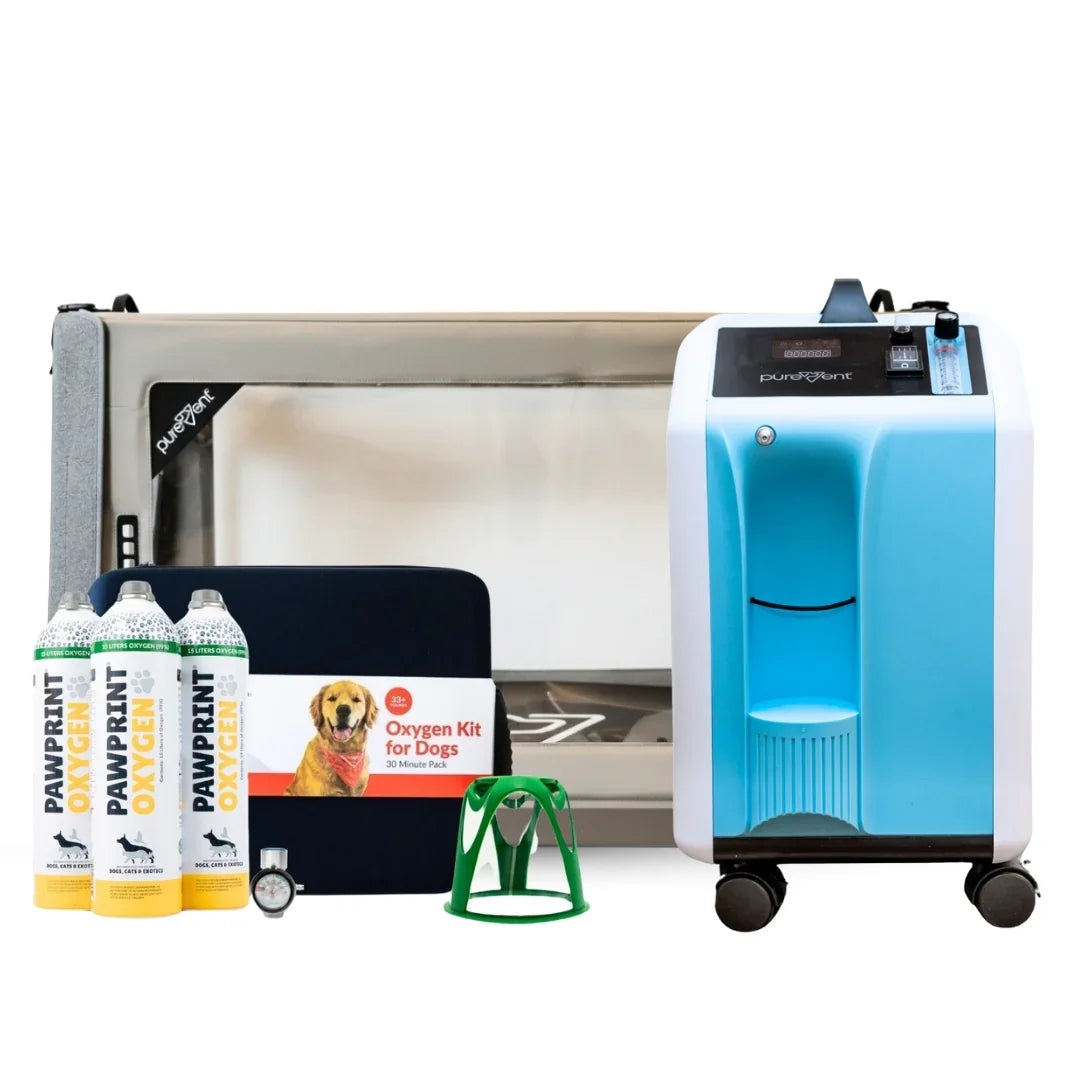
At-home oxygen setups belong in this same category. For a dog with an existing heart or airway condition, or a case that progresses into pneumonia, your veterinarian may recommend extended oxygen therapy at home as part of the recovery plan.
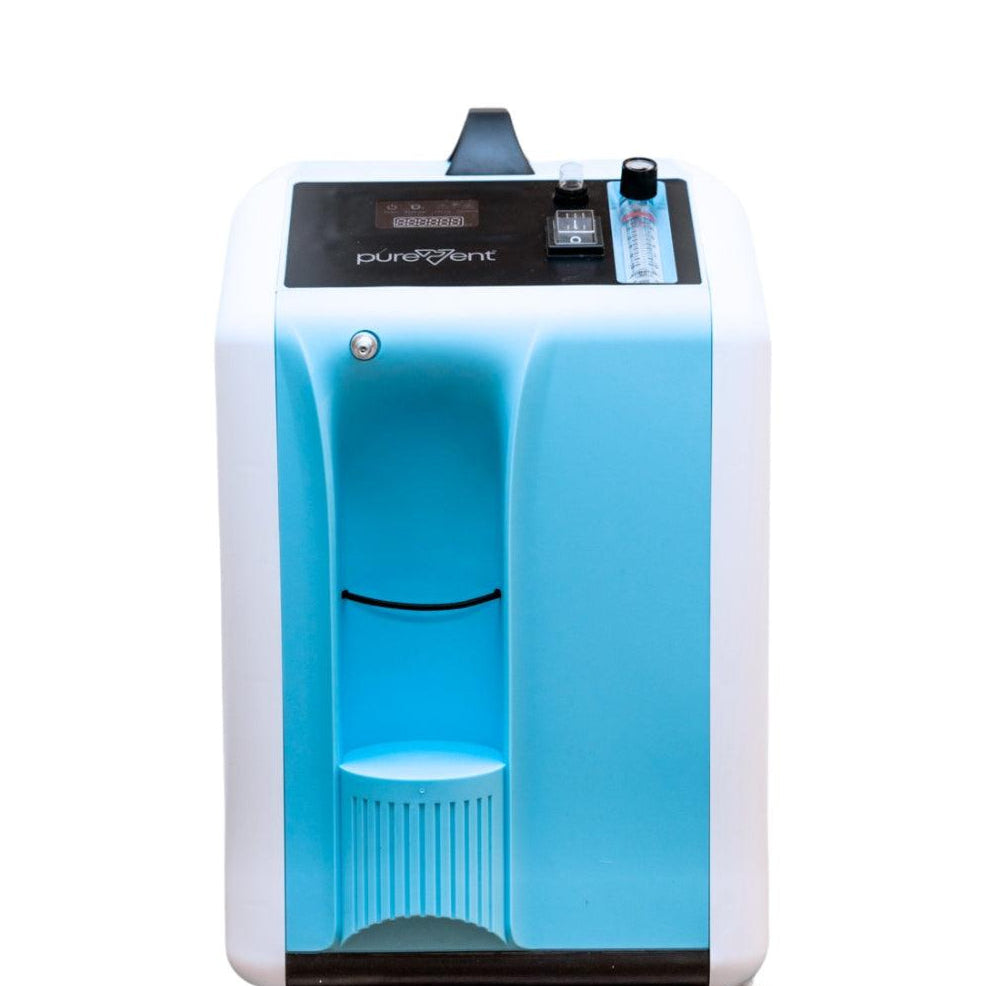
An extended oxygen therapy bundle pairs a veterinary-grade oxygen chamber with a medical-grade concentrator for that kind of longer support. Only the concentrator requires a prescription; chambers, masks, and rescue kits ship without one.
For a healthy adult with a mild case, you won't need any of this.

What Doesn't Work and What to Skip
Plenty of kennel cough advice circulating online is useless, and some of it is dangerous. A few myths are worth clearing up directly:
Antibiotics are not automatically needed. As covered above, they are your veterinarian's call for confirmed bacterial complications, not a default first step.
Human cold and flu medicine is not a shortcut. Reaching for the medicine cabinet can do real harm.
Essential oils deserve special caution. Some are toxic to dogs and cats, and diffusing or applying them near a sick pet can worsen respiratory irritation rather than ease it. If you use them at all, dilute heavily, keep them away from your dog's airway, and know that a few popular oils are outright unsafe.
One more point on the product category we work in. Home oxygen is vet-directed supportive care for respiratory distress, for a dog that is struggling to breathe.
A routine cough in an otherwise healthy dog doesn't call for it, and any oxygen setup belongs under your veterinarian's guidance. Getting that distinction right protects your dog and sets honest expectations.
Recovery Timeline and What to Monitor
Most healthy dogs improve within one to three weeks, though seniors and dogs with other conditions can take longer. Knowing what a normal recovery looks like helps you catch the cases that are escalating.
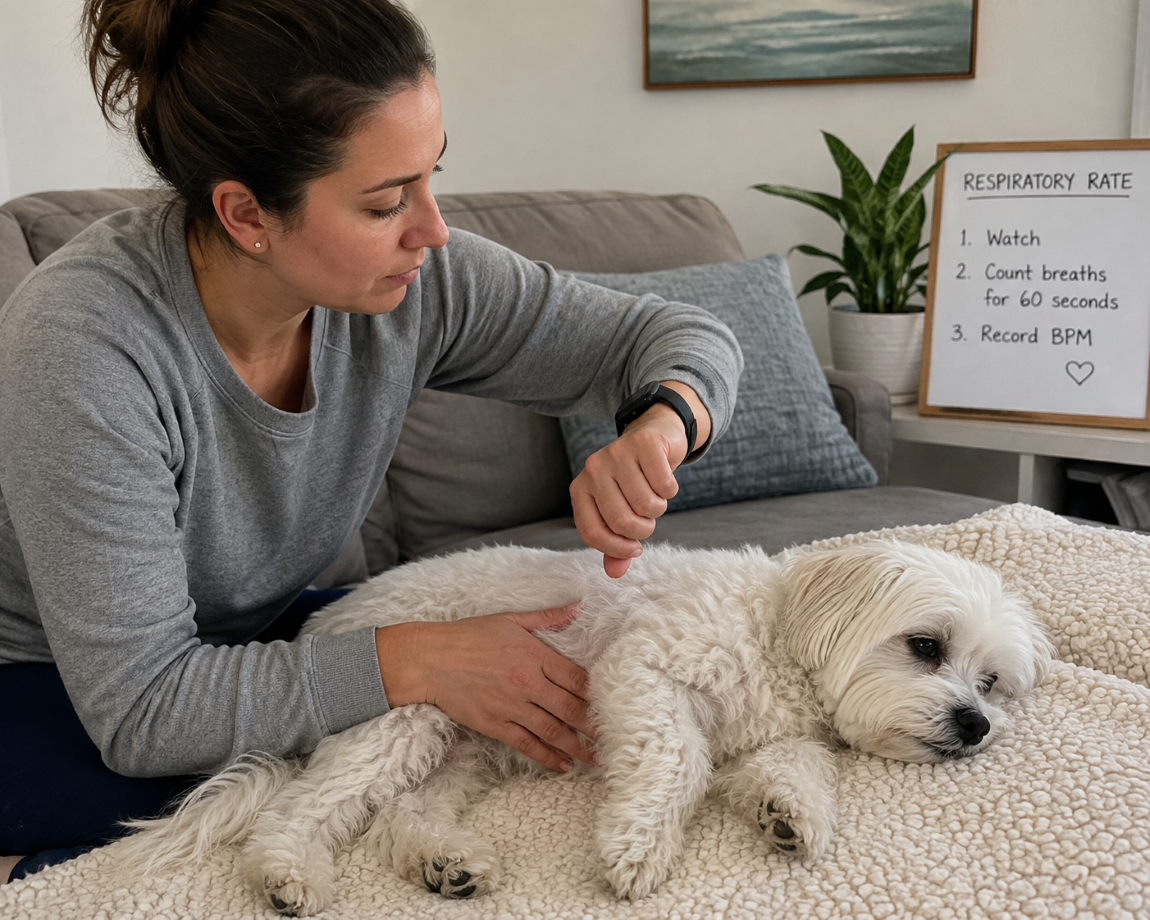
Watch a few things daily. Track how often your dog coughs and whether the quality is changing, and keep an eye on appetite and energy. The single most useful metric is your dog's resting respiratory rate, which serves as an early warning sign when it starts to climb.
How to Count Resting Respiratory Rate
Counting is simple once your dog is settled:
Wait until your dog is calm or asleep.
Count each breath, one full inhale and exhale, over 30 to 60 seconds.
Compare the result to the normal range.
A normal resting rate for dogs falls roughly between 15 and 30 breaths per minute, and a consistent rate above 30 at rest is abnormal and warrants a call to your veterinarian.
If you want a step-by-step walkthrough, our guide on measuring your pet's respiratory rate covers the technique in detail.
A dog that is still coughing at the two-week mark but eating, drinking, and breathing normally is usually finishing a normal recovery. A cough paired with a rising respiratory rate, dropping appetite, or new lethargy is a different story and means it is time to check in with your veterinarian.
On the contagious side, keep your dog away from other dogs until your vet gives the all-clear, which is often a week or more after symptoms resolve.
Warning Signs of Respiratory Distress
There is a real difference between a nagging cough and true difficulty breathing, and knowing it can save your dog's life. A cough is annoying but stable. Respiratory distress is an emergency.
Call for emergency care right away if you see any of these signs:
Rapid or labored breathing
A dog extending their neck and standing with elbows out to breathe
Blue, gray, or pale gums
Collapse
Wheezing while at rest
These signs mean your dog is not getting enough oxygen and needs a veterinarian immediately.
At-risk dogs deserve a second note here. Brachycephalic, cardiac, and senior dogs can become critical in a short window, so their owners should treat early distress signs with extra urgency. If your dog is showing these signs, keep them calm and cool, minimize handling that adds stress, and get to an emergency clinic.
For households already managing an at-risk pet under veterinary care, vet-guided oxygen at home can steady a dog through a respiratory flare-up.
Many of these owners rely on an extended oxygen therapy bundle, which combines a chamber and concentrator for ongoing support, with a portable rescue kit on hand to stabilize a dog on the way to the clinic.
Preventing Future Kennel Cough
Once your dog recovers, a few habits lower the odds of a repeat. The Bordetella vaccine is the cornerstone, and it targets one of the main bacterial culprits behind kennel cough.
It does not cover every pathogen in the canine infectious respiratory disease complex, so a vaccinated dog can still catch a case, but vaccination reduces both the likelihood and the severity.
Exposure management does the rest. Before booking boarding, daycare, or grooming, ask about their ventilation and vaccination requirements, since well-run facilities screen for both. Reinfection is possible even after a bout of kennel cough, so these habits stay relevant for the life of a social dog.
For at-risk breeds, respiratory health is an ongoing project rather than a one-time fix.
Keeping weight in check, avoiding airway irritants, and staying on top of any underlying condition all give a flat-faced or senior dog more reserve to handle the next respiratory bug.
Handling Kennel Cough With Confidence
Most kennel cough is a manageable illness that resolves with rest, humidity, hydration, and patience while your dog's immune system does the heavy lifting.
The skill worth building is knowing which category your dog falls into: the healthy adult who can recover at home, or the at-risk dog who needs a veterinarian sooner rather than later.
Trust the triage. A mild cough in a bright, hungry, energetic dog usually calls for comfort and monitoring. A rising respiratory rate, a refusal to eat, or any sign of real breathing trouble calls for a phone call or a car ride.
Getting that judgment right is the most powerful home remedy you have.