
A dog needs emergency oxygen when breathing becomes labored, rapid, or ineffective, and especially when low oxygen levels begin affecting circulation and consciousness. Recognizing the signs early and understanding when oxygen support can help may save valuable time before veterinary care is available.
Breathing problems in dogs can escalate quickly. What starts as mild panting or coughing can progress into a true dog breathing emergency, where oxygen levels drop and vital organs are put at risk. Knowing how to tell if your dog needs emergency oxygen empowers pet owners to act decisively, reduce panic, and support their dog during a critical moment.
This guide explains the warning signs of respiratory crisis, when oxygen support is appropriate, and how at-home solutions fit into emergency response while also clarifying when immediate ER care is non-negotiable.

Signs of Respiratory Crisis That May Require Emergency Oxygen
A respiratory crisis occurs when your dog can no longer move enough oxygen into their bloodstream. This state, known medically as hypoxemia, can develop rapidly and requires urgent attention.
Common signs of dog respiratory distress include:
- Rapid, shallow, or labored breathing
- Pronounced chest or abdominal movement when breathing
- Flaring nostrils or extended neck posture
- Open-mouth breathing when not hot or exerting
- Restlessness, anxiety, or inability to lie down
- Blue, gray, or pale gums and tongue (cyanosis)
- Weakness, collapse, or altered consciousness
If you’re wondering about the signs your dog needs oxygen, gum color and breathing effort are especially telling. Blue or gray gums indicate dangerously low oxygen saturation and are a true emergency.
When Symptoms Indicate Oxygen Support
Not every breathing issue requires emergency oxygen for dogs, but certain symptoms strongly suggest that dog oxygen support is needed.
Pet owners often ask when to give a dog oxygen. The answer is: when breathing effort is clearly increased and your dog cannot maintain normal oxygenation on their own. Oxygen therapy is considered supportive care meaning it does not treat the underlying cause, but it can help to stabilize your dog while you seek veterinary help.
Oxygen therapy may be appropriate when:
- Breathing difficulty is worsening instead of improving
- Your dog appears air-hungry or panicked
- Coughing, pneumonia, heart disease, or airway obstruction is present
- Heat, stress, or exertion triggers breathing collapse
- Your dog has a known respiratory or cardiac condition
What Oxygen Support Actually Does
Oxygen for dogs works by increasing the concentration of oxygen your dog inhales, allowing more oxygen to reach the bloodstream even when lungs or airways are compromised.
In emergency situations, dog oxygen therapy can:
- Improve oxygen saturation
- Reduce respiratory effort
- Calm panic caused by air hunger
- Protect the brain and vital organs
- Lower the risk of respiratory collapse
Portable oxygen support is especially valuable during transport and acute flare-ups, so you have time to plan the next steps with your veterinarian.
Immediate Steps Before Getting to a Vet
If your dog is struggling to breathe, staying calm and acting quickly is critical. If you’re asking, “My dog is struggling to breathe. What do I do?”, start here:
- Limit movement and stress. Keep your dog still and quiet.
- Ensure good airflow. Move to a cool, well-ventilated area.
- Avoid restraint around the neck or chest. Collars or pressure can worsen breathing difficulty.
- Administer oxygen if available. Portable oxygen can provide immediate support during transport.
- Contact your veterinarian or ER immediately. Even if oxygen helps, veterinary evaluation is essential.
These steps are meant to buy time, not replace professional care.
How At-Home Oxygen Devices Help
At-home oxygen equipment play an important role in bridging the gap between crisis and care. For dogs with known respiratory disease, heart failure, or recurring breathing episodes, dog oxygen support at home can be crucial.
At-home solutions include:
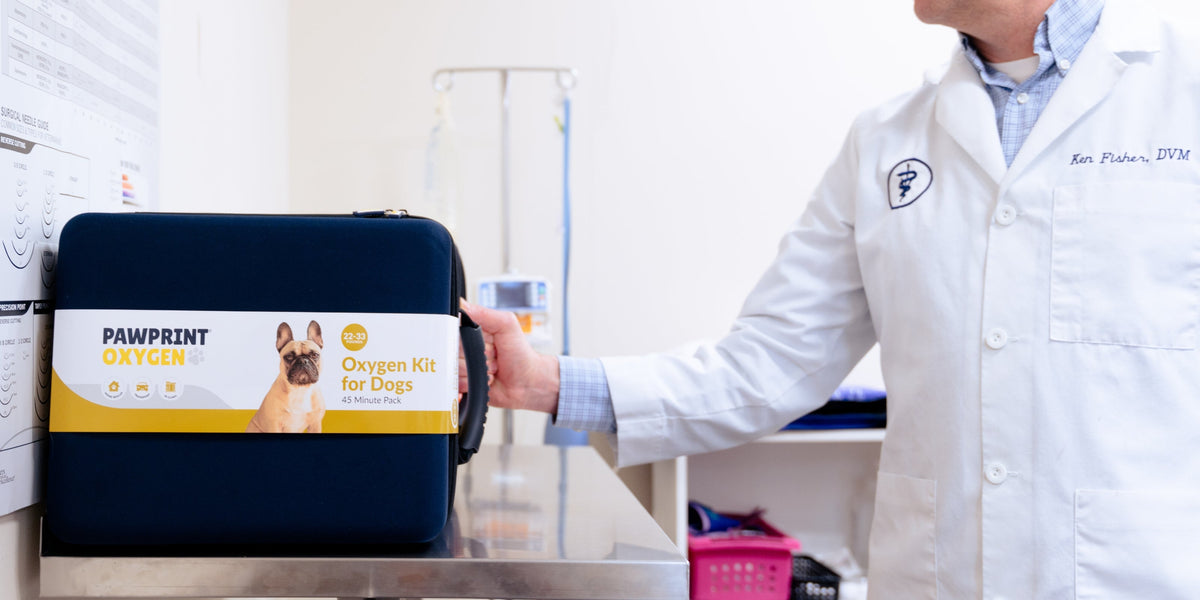
- Portable oxygen kits for sudden breathing emergencies or transport
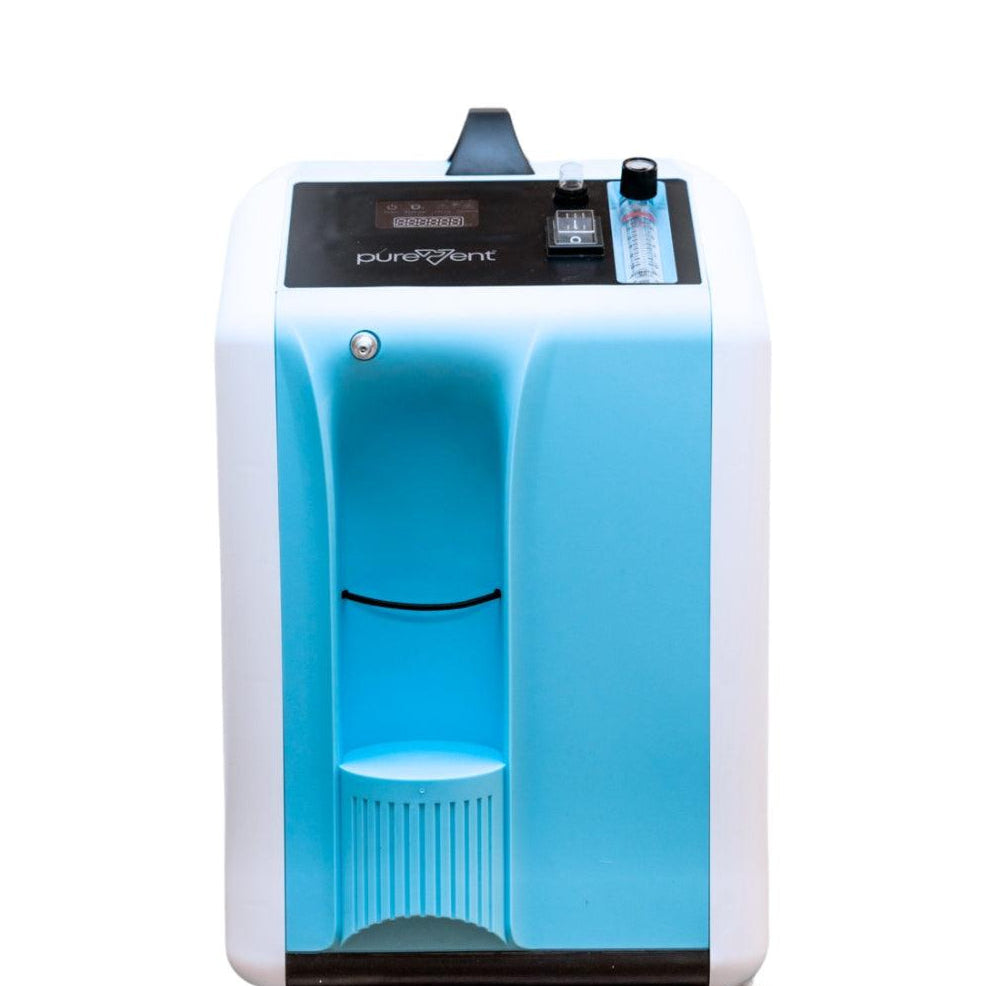
- Oxygen concentrators and chambers for longer periods of recovery
These tools are especially useful when immediate ER access is delayed or when a veterinarian has recommended oxygen as part of a treatment plan. For pet owners, understanding how these tools fit into real-life emergencies helps clarify whether oxygen support is right for their situation.

Is heavy panting always a sign of an emergency?
Not always, but panting that is intense, nonstop, or occurs at rest, especially with anxiety, weakness, or gum color changes, can signal a breathing emergency.
Can coughing mean my dog needs emergency oxygen?
Frequent, worsening, or uncontrollable coughing, especially if paired with rapid breathing or distress, can indicate inadequate oxygen exchange.
Can small or flat-faced dogs need emergency oxygen sooner?
Yes, brachycephalic breeds (like Bulldogs and Pugs) and small dogs often show oxygen distress faster due to narrower airways.
When to Avoid Home Care and Go Straight to the ER
While oxygen can be helpful, some situations require immediate emergency veterinary care without delay.
Go straight to an emergency hospital if your dog:
- Has blue or gray gums (cyanosis)
- Collapses or becomes unresponsive
- Is experiencing trauma, smoke inhalation, or choking
- Shows signs of respiratory collapse
- Does not improve with oxygen support
If you’re unsure how to know if your dog needs emergency care, err on the side of caution. Oxygen can stabilize, but it cannot replace diagnostics, medications, or life-saving interventions when a condition is severe.

Final Thoughts
Breathing emergencies are frightening, but recognizing the warning signs gives you power. Understanding when oxygen therapy helps, what it does, and how to act quickly can make a meaningful difference for dogs experiencing low oxygen levels. Emergency oxygen for dogs is not about replacing veterinary care; it’s about supporting your dog through a critical moment when every breath matters.