Pneumonia in Dogs: Symptoms, Emergency Signs, and How At-Home Oxygen Can Help
This guide explains what pneumonia is, what causes it, how to recognize the warning signs before they become a crisis, and how having medical-grade oxygen at home can buy your dog critical time on the way to the clinic.
⏱ 10-minute read | Updated August 2026 | Reviewed by Pawprint Oxygen Veterinary Team | Browse more articles →
Table of Contents
A dog with pneumonia can look, at first, like a dog with a stubborn cold, a little cough, a little tired, maybe off their food. But pneumonia is inflammation and infection deep in the lungs, and it directly interferes with the one thing your dog can't do without: getting oxygen into the blood. Left unrecognized, a mild-looking cough can slide into a genuine breathing emergency over hours.
This guide explains what pneumonia is, what causes it, how to recognize the warning signs before they become a crisis, and how having medical-grade oxygen at home can buy your dog critical time on the way to the clinic. None of this replaces your veterinarian. Pneumonia almost always needs professional diagnosis and treatment, but knowing the signs and having the right tools ready can change the outcome.

What Is Pneumonia in Dogs?
Pneumonia is inflammation of the lungs and the small airways that feed them. Healthy lungs are full of tiny air sacs where oxygen crosses into the bloodstream and carbon dioxide crosses out. When those sacs and airways become inflamed, they fill with fluid, mucus, and inflammatory cells. That fluid physically gets in the way of gas exchange, so even a dog that is breathing hard may not be moving enough oxygen into the blood. The result is difficulty breathing and a deficiency of oxygen in the blood, the medical term is hypoxemia.
Because the problem is happening inside the lung tissue itself, a dog with pneumonia often has to work much harder to breathe while getting less benefit from each breath. That combination, increased effort plus reduced oxygen delivery, is what makes pneumonia dangerous and what makes supplemental oxygen so valuable while you get to the vet.
The Main Types of Pneumonia
There are several ways lungs become inflamed, and the cause shapes the treatment:
Bacterial pneumonia: a bacterial infection of the lung, sometimes following a viral illness like kennel cough that weakens the airway's defenses.
Aspiration pneumonia: caused by inhaling foreign material such as vomit, regurgitated food, water, or medication into the lungs instead of the stomach. This is one of the most common and most preventable forms.
Viral and fungal pneumonia: less common, but important in certain regions or in dogs with weakened immune systems.
Aspiration Pneumonia: The Form Every Owner Should Know
Aspiration pneumonia deserves special attention because it often strikes dogs who are already vulnerable for another reason. It happens when solid or liquid material, most often vomit or regurgitated food, is inhaled into the airways instead of being swallowed. Once that material reaches the lungs, it causes chemical irritation and quickly becomes a breeding ground for infection.
The most common cause in adult dogs is regurgitation from a dilated esophagus (megaesophagus). But aspiration can also happen when a dog vomits, when there's an abnormality of the throat, or when a neuromuscular disorder interferes with the muscles that coordinate swallowing and breathing. Dogs recovering from anesthesia are at risk, and so are dogs with laryngeal paralysis, whose airway-protecting flaps no longer close reliably when they swallow.
One tricky feature of aspiration pneumonia: the signs may be obvious within minutes, or they may take days to weeks to develop. A dog who inhaled a bit of vomit yesterday and seemed fine can start coughing and struggling two or three days later. If your dog has had a vomiting or regurgitation episode, especially around anesthesia or a known swallowing problem, stay alert to breathing changes for several days afterward.
Recognizing the Symptoms of Pneumonia in Dogs
Early pneumonia can be easy to write off as a minor bug. Watch for a cluster of these signs, and take them more seriously when several appear together:
- Coughing: often soft, moist, or productive-sounding
- Fast or labored breathing, with more chest or belly effort than normal
- Fever, sometimes with shivering
- Lethargy and weakness: low energy, reluctance to move or play
- Loss of appetite
- Nasal discharge
- Blue, gray, or muddy gums or tongue (cyanosis): a 🚨red-alert🚨 sign that oxygen isn't reaching the blood
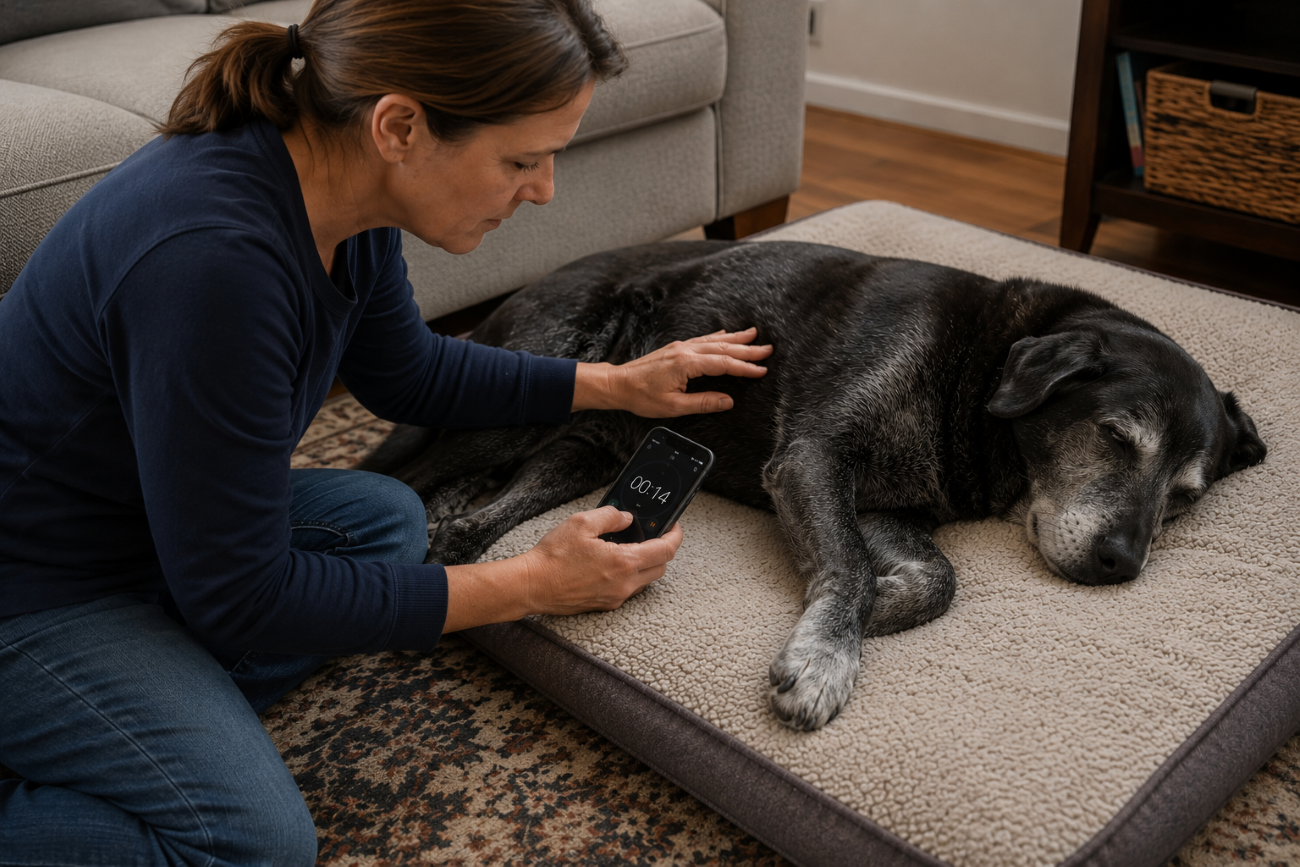
One of the most useful things you can do at home is learn your dog's resting respiratory rate. While your dog is calmly resting or sleeping, count each breath (one rise and fall of the chest equals one breath) for 60 seconds or 30 seconds and multiply by two. A normal resting rate for dogs is roughly 15 to 30 breaths per minute. A resting rate that stays above about 30–40 breaths per minute is abnormal and worth a call to your veterinarian. Because you're counting while the dog is at rest, this number cuts through the guesswork of "is she just excited or actually struggling?"

What Causes Pneumonia and Who's at Higher Risk
Any dog can develop pneumonia, but some are more vulnerable:
When Pneumonia Becomes an Emergency
A dog with a mild cough and a normal energy level needs a veterinary visit soon. A dog struggling to breathe needs help now. Seek emergency veterinary care right away if you see:
- Severe difficulty breathing, with heavy heaving of the chest or belly
- Blue, gray, or purple gums or tongue (cyanosis)
- Extreme weakness, collapse, or unresponsiveness
- Open-mouth breathing at rest or a frantic, panicked effort to breathe
- A resting respiratory rate that keeps climbing despite rest
These are signs that your dog's blood-oxygen level may be dangerously low. This is precisely the window in which supplemental oxygen can make a meaningful difference.
How At-Home Oxygen Supports a Dog With Pneumonia
When pneumonia fills the lungs with fluid and inflammation, the air a dog breathes on a normal day, about 21% oxygen, may not be enough to keep the blood adequately oxygenated. Supplemental oxygen raises the concentration of oxygen in each breath, so even compromised lungs can pull more of it across into the bloodstream. In the hospital, oxygen therapy is a standard part of treating moderate to severe pneumonia, right alongside antibiotics and fluids.
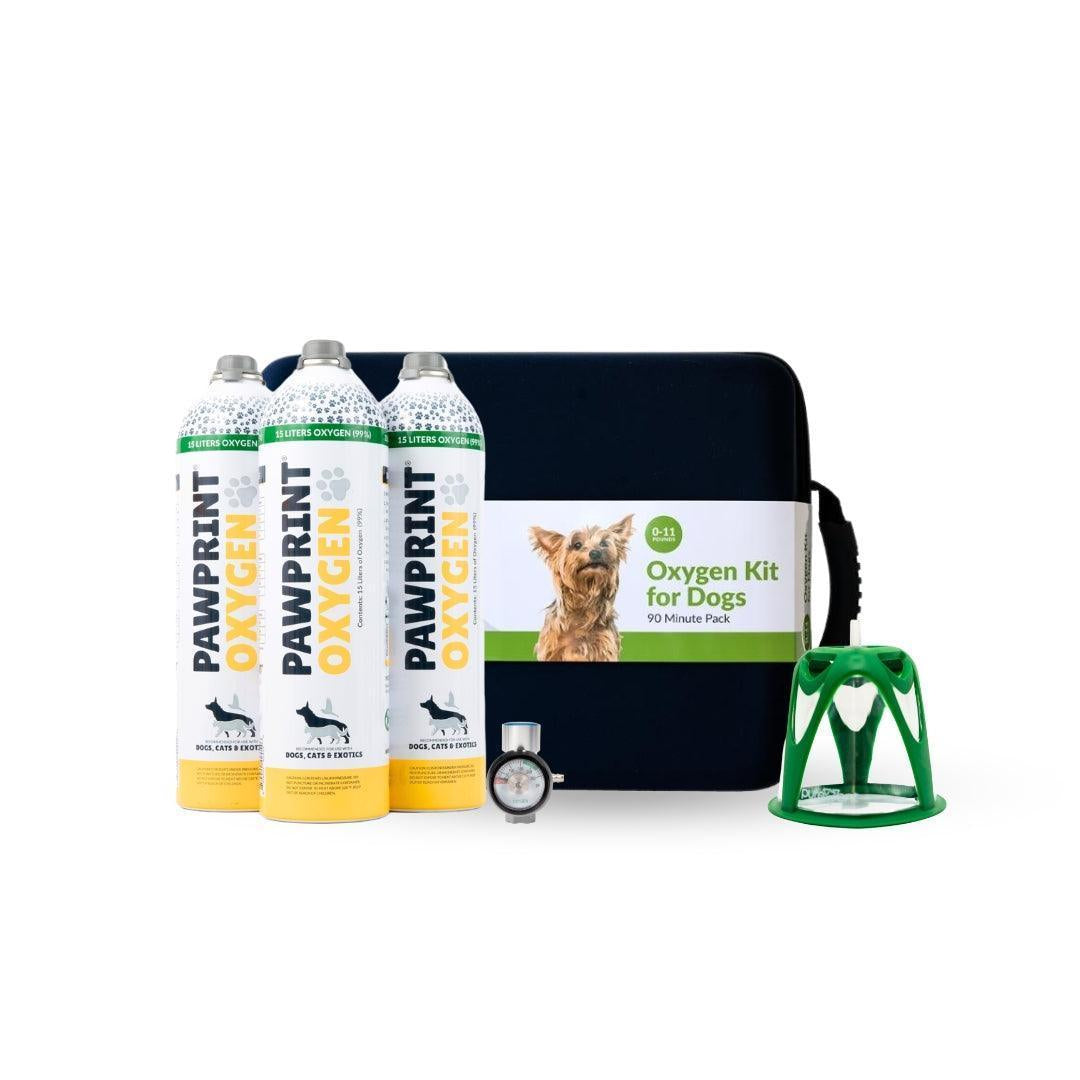
The gap most families face is the time between recognizing the emergency at home and reaching the clinic. During that stretch, the car ride, the wait for a vet to open, the drive to the ER, a dog in respiratory distress has nothing but room air to breathe. A Rescue Oxygen Kit is designed for exactly that gap: portable, ready-to-use oxygen you can give your dog at home and in the car to help ease the work of breathing and support oxygen levels until a veterinarian takes over.
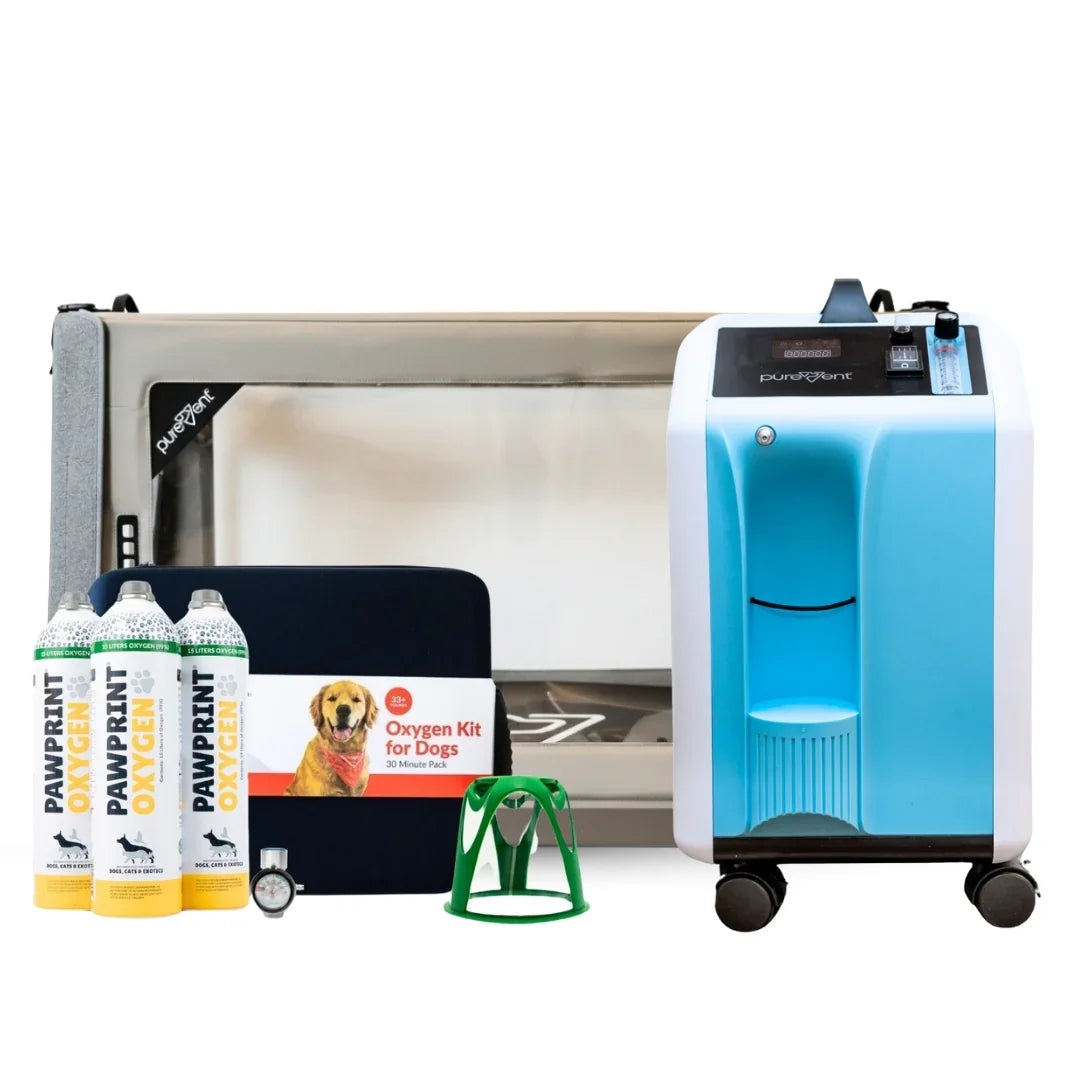
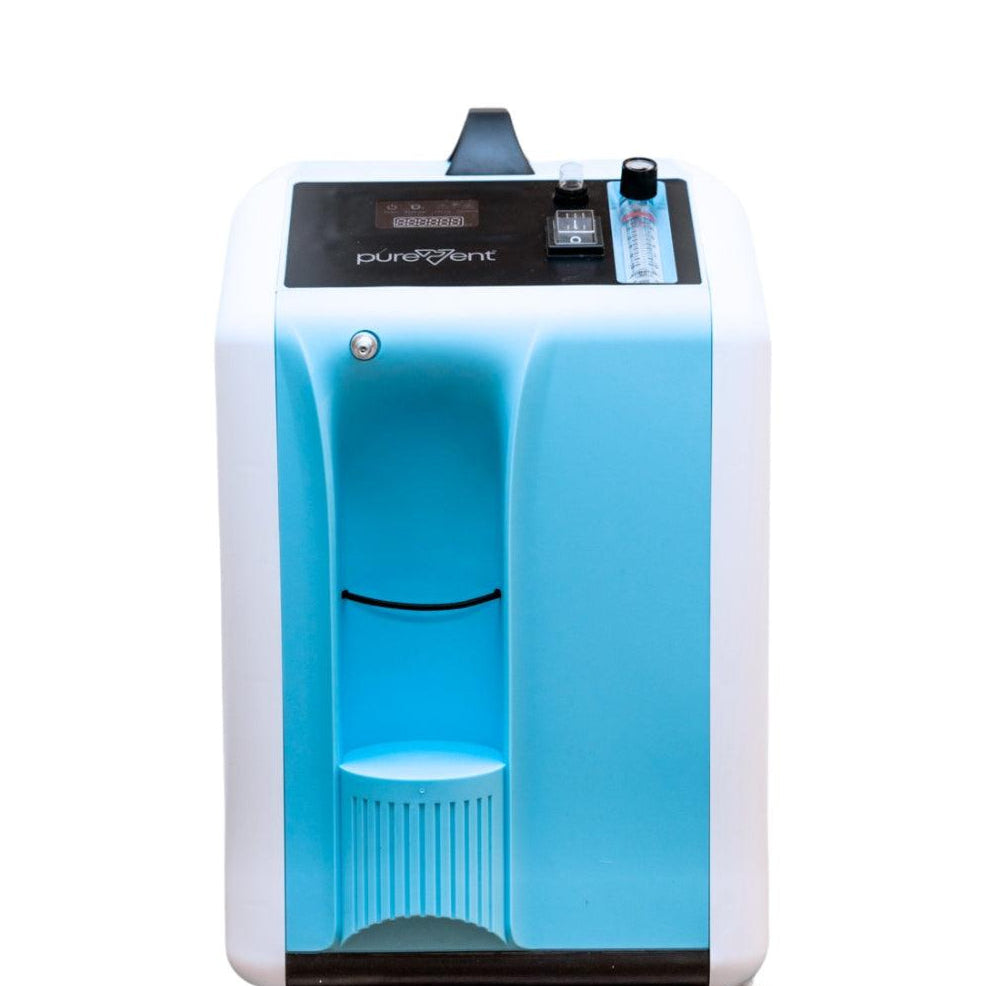
Pawprint Oxygen offers Rescue Oxygen Kits sized for Dogs, Cats, and K9/working dogs, each pairing canisters of pet-safe oxygen with a properly fitted mask. For households managing an ongoing respiratory condition, a senior dog, a dog with megaesophagus, or a dog prone to aspiration, the Oxygen Bundles pair a medical-grade oxygen concentrator with a chamber for longer, sustained sessions. A key point worth understanding: medical-grade concentrators are built to deliver oxygen at therapeutic concentrations, which is what actually helps a struggling dog, unlike inexpensive "recreational" oxygen cans that aren't designed for a respiratory emergency.
Oxygen is a bridge, not a cure. It supports your dog while you get to definitive care; it does not replace the antibiotics, diagnostics, and monitoring that treating pneumonia requires.
How Vets Diagnose and Treat Pneumonia
At the clinic, diagnosis typically involves listening to the lungs, chest X-rays, and blood tests, and sometimes an airway wash to identify the specific organism involved. Treatment depends on severity. Milder bacterial cases may be managed with antibiotics and rest at home. More severe cases often require hospitalization for intravenous antibiotics, fluid therapy, and supplemental oxygen, along with techniques to help clear the lungs.
The encouraging news: with prompt, aggressive treatment, the outlook is generally good. For aspiration pneumonia, studies report roughly 80% of patients survive with appropriate care, which is a strong argument for acting early rather than waiting to "see if it clears up."

Preventing Pneumonia in At-Risk Dogs
You can't prevent every case, but you can lower the odds:
- Manage the underlying condition. If your dog has megaesophagus, laryngeal paralysis, or a swallowing disorder, follow your vet's feeding and management plan closely.
- Feed carefully after anesthesia or vomiting. Ask your vet about timing and positioning for dogs at risk of regurgitation.
- Treat respiratory infections promptly so a simple bug doesn't progress into the lungs.
- Track the resting respiratory rate for any dog with a heart or lung condition, so you catch trouble early.
- Keep oxygen on hand if your dog has a known respiratory or cardiac condition, so you're not scrambling during a crisis.
Frequently Asked Questions
How can I tell if my dog has pneumonia or just a cold?
A minor cold usually leaves a dog bright, eating, and energetic apart from some sneezing or a mild cough. Pneumonia tends to bring fast or labored breathing, fever, marked lethargy, poor appetite, and a moist cough, and, in serious cases, pale or bluish gums. A resting respiratory rate consistently above 30–40 breaths per minute is a warning sign. When in doubt, call your veterinarian.
Is pneumonia in dogs contagious to other pets or people?
It depends on the cause. Aspiration pneumonia is not contagious. It's caused by inhaled material, not a spreading germ. Some infectious pneumonias can spread between dogs, and a small number of causes carry a low risk to people, so ask your vet about isolation and hygiene based on your dog's specific diagnosis.
Can a dog recover from pneumonia at home?
Milder cases may be treated at home with antibiotics, rest, and close monitoring, but the diagnosis and treatment plan need to come from a veterinarian. Severe cases require hospitalization. Home oxygen can support a dog during a breathing crisis or on the way to the clinic, but it is not a substitute for veterinary treatment.
How fast does aspiration pneumonia develop?
It varies. Signs can appear within minutes to hours of inhaling material, or they can take several days to weeks to surface. If your dog has vomited, regurgitated, or come through anesthesia, watch closely for coughing or breathing changes over the following days.
Does supplemental oxygen help a dog with pneumonia?
Yes, oxygen therapy is a standard part of hospital treatment for moderate to severe pneumonia because it raises the oxygen available to inflamed, fluid-filled lungs. An at-home Rescue Oxygen Kit can provide that support during the critical window before you reach veterinary care.

Keep Oxygen Ready Before You Need It
Pneumonia in dogs can move quietly and then quickly. The families who handle it best are the ones who recognize the early signs, track their dog's breathing, and already have a plan, including oxygen, in place before an emergency hits.
This article is for educational purposes and does not replace veterinary care. If your dog is showing signs of respiratory distress, contact your veterinarian or the nearest emergency clinic immediately.