As wildfires become increasingly frequent and intense due to climate change, their impact on the environment and human health is becoming more evident. However, it's not just humans who are at risk; our pets are also vulnerable to the harmful effects of wildfire smoke. Protecting pets from smoke inhalation is crucial, as they can suffer from respiratory issues, eye irritation, and other health problems. This blog will guide you through essential steps and treatment options to ensure your pets remain safe and healthy during wildfire events.

Understanding Wildfire Smoke and Their Effect on Pets
Wildfire smoke is a complex mixture of gases and fine particles resulting from the burning of trees, plants, and other organic materials. The primary components of wildfire smoke include particulate matter (PM), carbon monoxide, carbon dioxide, and volatile organic compounds (VOCs). Particulate matter, especially the fine particles known as PM2.5, is particularly harmful as it can penetrate deep into the respiratory system.
When pets inhale wildfire smoke, these particles and gases can cause significant respiratory distress. The fine particulate matter can irritate the airways, leading to inflammation, coughing, and difficulty breathing. Additionally, the toxic gases present in the smoke can reduce oxygen levels in the bloodstream, potentially causing more severe health issues.
Pets most at risk from wildfire smoke are those with pre-existing respiratory conditions, such as asthma or bronchitis. Young animals, whose respiratory systems are still developing, and elderly pets, who may have weaker immune systems, are also highly vulnerable. Ensuring these pets are protected during wildfire events is crucial for their health and well-being.
Preventive Measures You Can Take as a Pet Owner
Keep Pets Indoors
Keeping pets indoors during periods of high smoke is the most effective way to protect them from the harmful effects of wildfire smoke. Being indoors provides a barrier against the toxic particles and gases present in the air. Here are some tips for creating a safe indoor environment for your pets:
-
Use Air Purifiers:
Invest in a high-quality air purifier with a HEPA filter to reduce indoor air pollution. Place the purifier in the room where your pets spend the most time.
-
Close Windows and Doors:
Keep all windows and doors closed to prevent smoke from entering your home. Ensure that any gaps or cracks are sealed.
-
Use Air Conditioning:
If possible, use air conditioning to keep your home cool and maintain good air circulation without opening windows.
Limit Outdoor Activities
During wildfire events, it's crucial to limit your pets' outdoor activities to essential bathroom breaks only. Prolonged exposure to smoky air can exacerbate respiratory issues and cause significant health problems.
-
Timing Bathroom Breaks:
Try to schedule your pets' bathroom breaks during periods of lower air pollution, typically early in the morning or late in the evening when smoke levels tend to be lower.
-
Quick Outings:
Make these outings as brief as possible. Avoid any unnecessary outdoor activities, such as walks or playtime, until the air quality improves.
Monitor Air Quality
Staying informed about the current air quality in your area is essential for making decisions about your pets' safety.
-
Air Quality Monitoring Apps and Websites:
Utilize air quality monitoring apps and websites to track real-time air quality levels. Some popular options include the Air Quality Index (AQI) from the Environmental Protection Agency (EPA) and various weather apps that provide AQI information.
-
Safe Air Quality Levels:
Generally, an AQI of 0-50 is considered good, 51-100 is moderate, and anything above 100 is unhealthy for sensitive groups, including pets with respiratory issues. Limit outdoor exposure for your pets when the AQI is above 100 and keep them indoors as much as possible when it reaches unhealthy levels (151 and above).
By following these preventive measures, you can significantly reduce your pets' exposure to harmful wildfire smoke and protect their health during wildfire events.
Identifying Smoke Inhalation Symptoms in Your Pet
Here are some common symptoms to watch for:
-
Coughing, Wheezing, or Difficulty Breathing:
These respiratory symptoms are often the most noticeable and can indicate that your pet's airways are irritated or inflamed due to smoke exposure.
-
Eye Irritation or Discharge:
Smoke can cause significant irritation to pets' eyes, leading to redness, watering, or discharge. You might notice your pet rubbing their eyes frequently.
-
Lethargy and Decreased Appetite:Exposure to smoke can make pets feel unwell, leading to a noticeable drop in their energy levels and a reluctance to eat.
-
Rapid or Noisy Breathing:
Increased respiratory rate or noisy breathing sounds, such as wheezing or stridor, are signs that your pet is struggling to breathe properly.
If you observe any of these symptoms in your pet, it's essential to act quickly. Early detection of smoke inhalation symptoms can significantly improve the chances of effective treatment and recovery.
The sooner you can identify and address smoke inhalation in your pet, the better their prognosis will be. Prompt veterinary care is critical for managing the effects of smoke exposure. If your pet shows any of the above symptoms, do not hesitate to contact your veterinarian immediately. They can provide necessary treatments such as supplemental oxygen, medications, and supportive care to help your pet recover. Regular monitoring and follow-up visits may also be required to ensure your pet's health is fully restored.
By staying vigilant and seeking prompt veterinary care, you can help mitigate the harmful effects of wildfire smoke on your pets and ensure their well-being during and after wildfire events.

Immediate Actions and First Aid for Pet Smoke Inhalation
Move to a Smoke-Free Area
If you notice signs of smoke inhalation in your pets or if the smoke levels are dangerously high, it's crucial to move them to a smoke-free area as quickly as possible. The urgency of relocating your pets cannot be overstated, as prolonged exposure to smoke can lead to severe respiratory issues and other health complications.
-
Safe Spaces:
Identify a room in your home with the best air quality, ideally with an air purifier running. If the smoke is pervasive indoors, consider relocating temporarily to a friend or family member's home outside the affected area.
-
Transportation:
Ensure your pets are safely transported to the new location, minimizing their exposure to smoke during the journey. Use air-conditioned vehicles with recirculating air settings when possible.
Hydration
Keeping your pets well-hydrated is essential, especially during and after exposure to wildfire smoke. Proper hydration helps maintain their respiratory health and supports their body's ability to combat the effects of smoke inhalation.
-
Fresh Water:
Always provide plenty of fresh, clean water for your pets. Encourage them to drink regularly by placing multiple water bowls around your home.
-
Moist Food:
If your pet is not drinking enough water, consider adding moisture to their diet by offering wet food or adding water to their dry food.
Emergency Vet Visit
Knowing when to take your pet to the veterinarian can make a significant difference in their recovery from smoke inhalation.
-
Severe Symptoms :
If your pet is experiencing severe symptoms such as persistent coughing, wheezing, difficulty breathing, lethargy, or eye irritation that does not improve or worsens once indoors, seek veterinary care immediately.
-
Behavioral Changes:
Any sudden changes in behavior, such as extreme lethargy, confusion, or unresponsiveness, also warrant an urgent visit to the vet.
-
Preventive Care:
Even if symptoms appear mild, it's wise to consult your veterinarian for advice and preventive care. They can provide treatments such as supplemental oxygen, anti-inflammatory medications, and other supportive therapies to help your pet recover.
By taking these immediate actions, you can significantly reduce the health risks associated with wildfire smoke exposure and ensure your pets receive the care they need to stay healthy and safe.
Treatment Options for Smoke Inhalation in Pets
Using Supplemental Oxygen
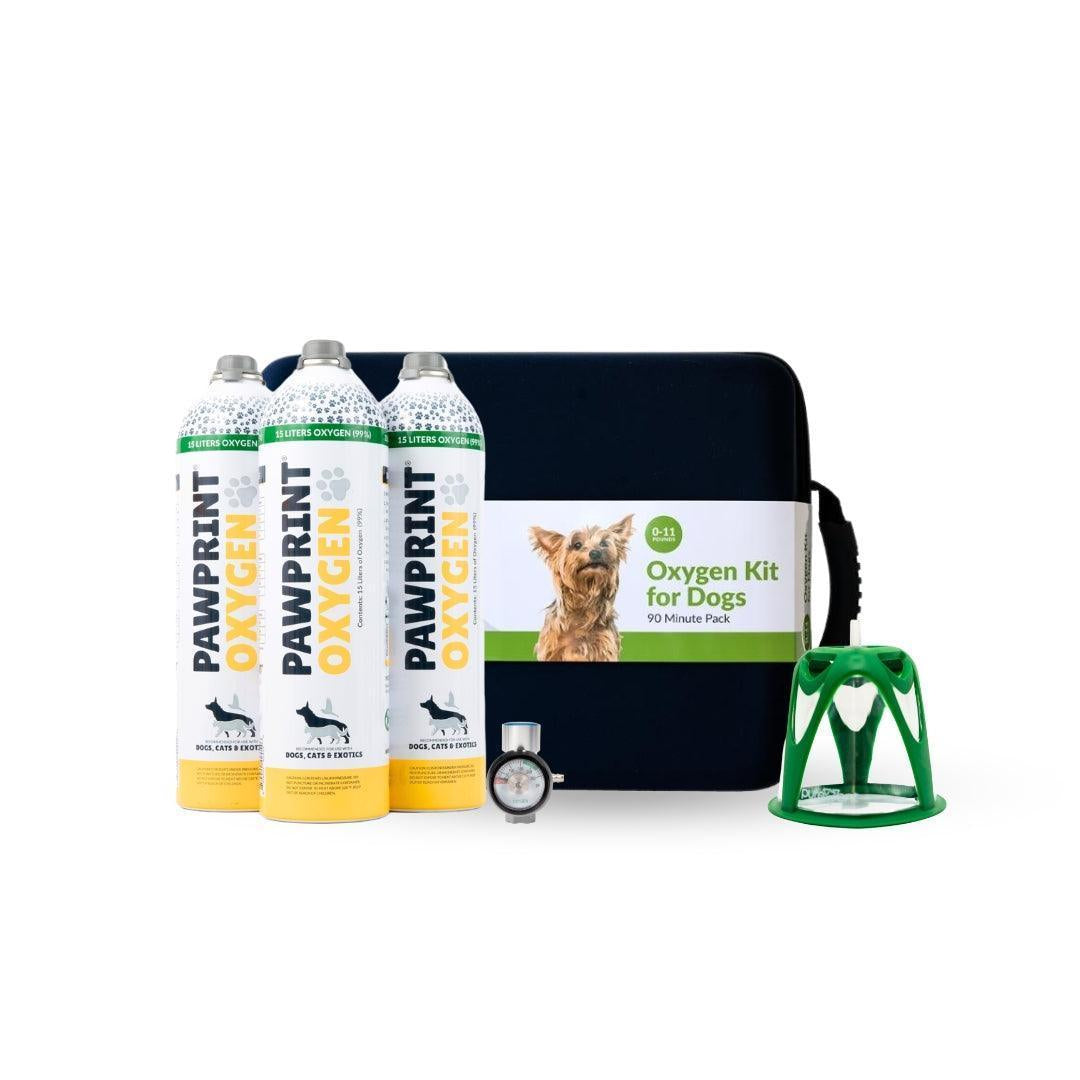
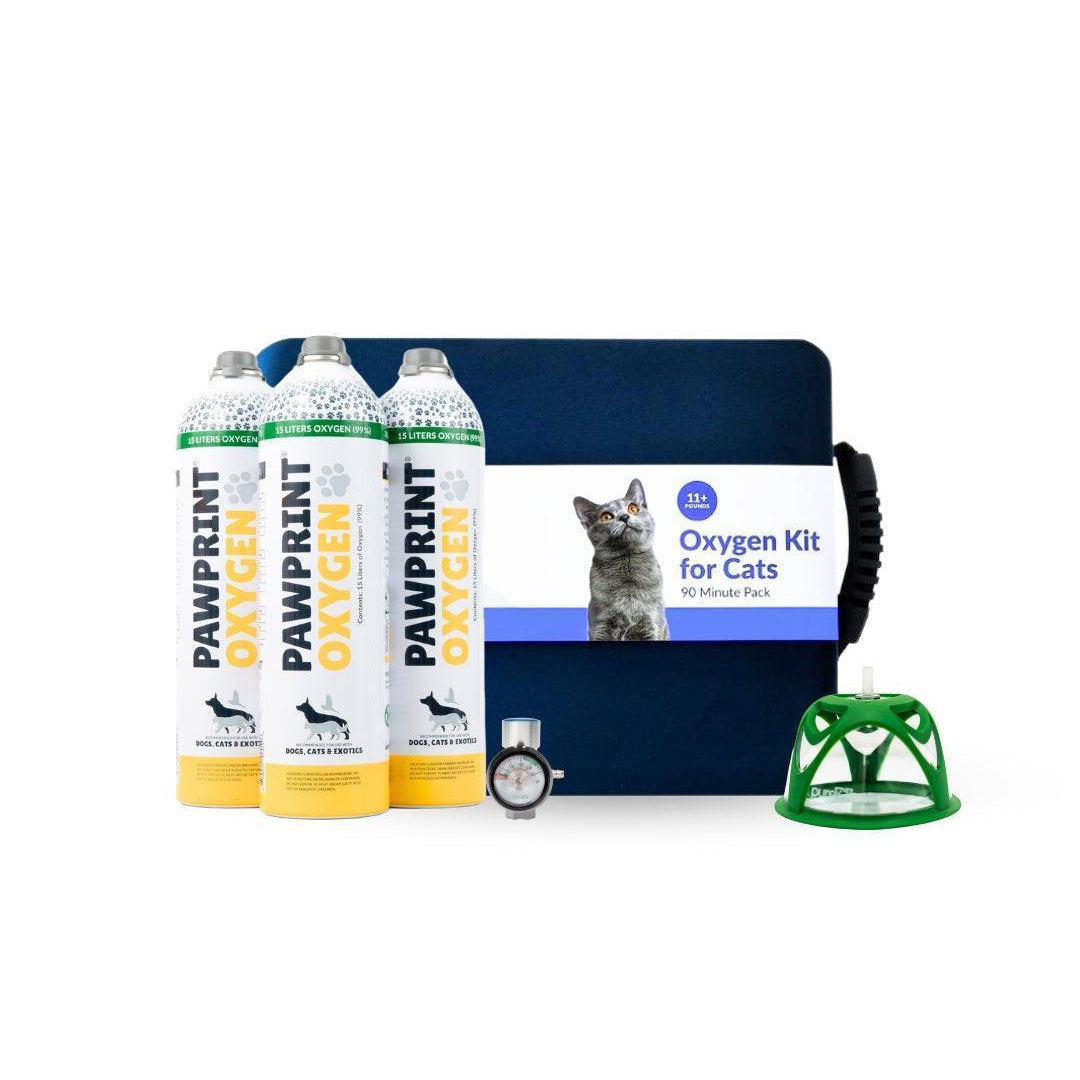
One of the most critical treatments for pets suffering from smoke inhalation is supplemental oxygen . Smoke inhalation can reduce the oxygen levels in your pet's bloodstream, leading to hypoxia and further complications. Supplemental oxygen helps to quickly restore adequate oxygen levels, supporting respiratory function and overall recovery.
-
How Oxygen Therapy Works:
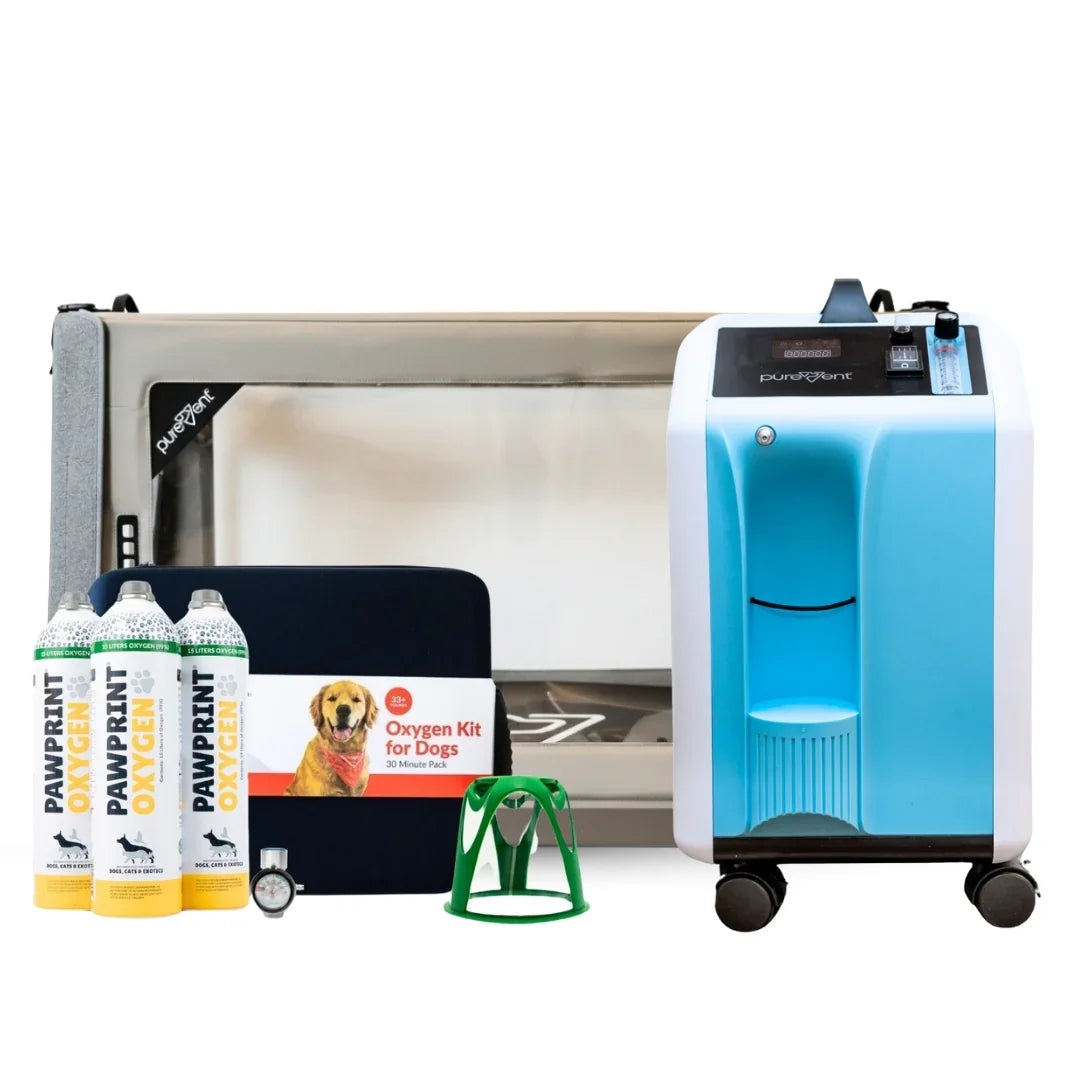
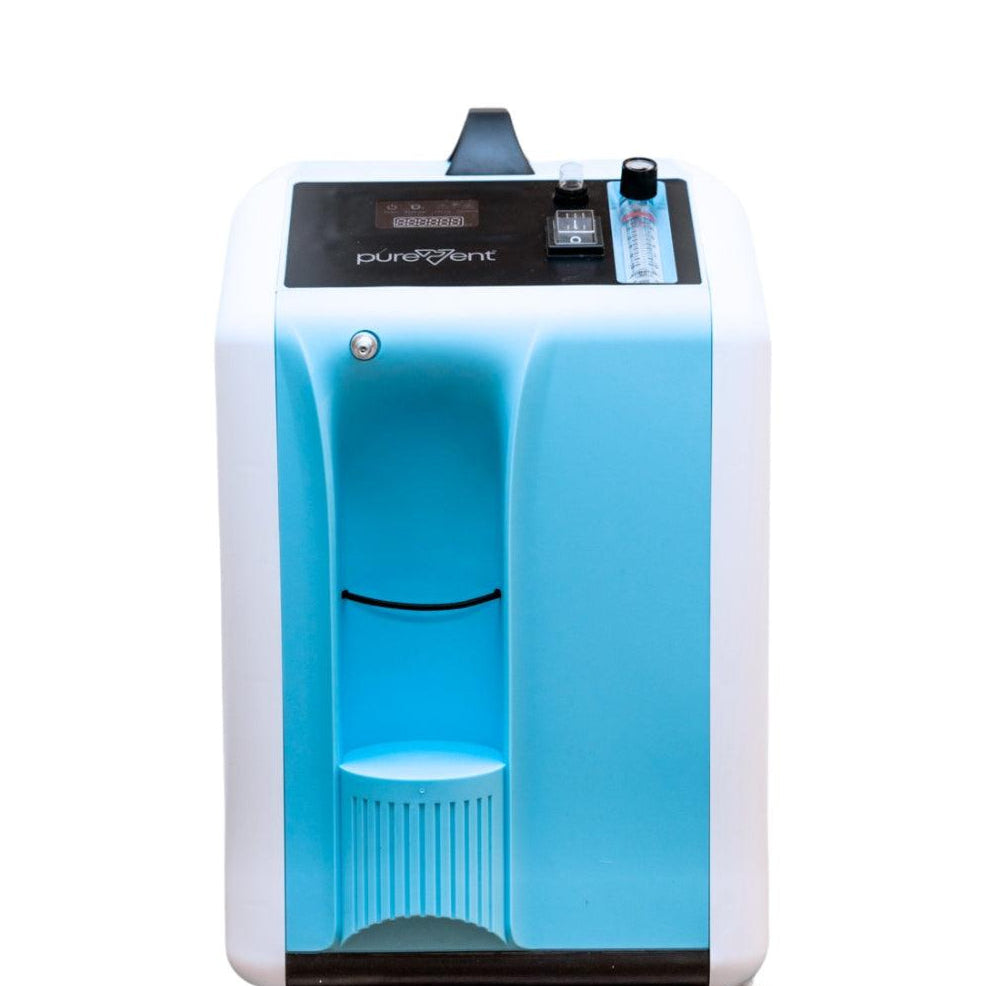
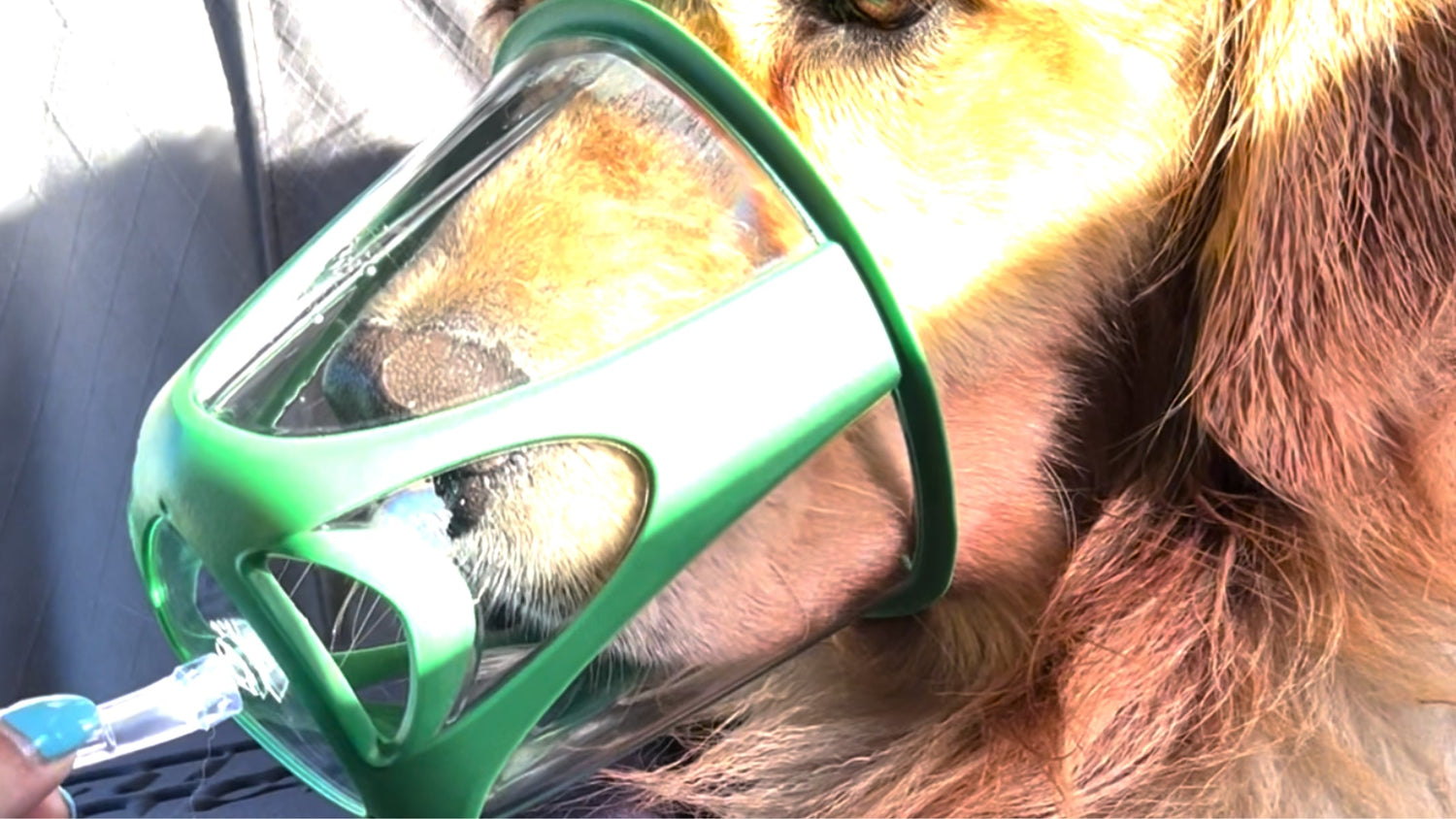
During oxygen therapy, pets are placed in an oxygen-rich environment, such as an oxygen chamber or with a face mask, to breathe concentrated oxygen. This increases the amount of oxygen in their blood, alleviating respiratory distress and improving tissue oxygenation.
-
Benefits:
The primary benefits of supplemental oxygen include reducing respiratory effort, decreasing inflammation in the airways, and promoting faster healing of damaged tissues. It is especially beneficial for pets with severe symptoms of smoke inhalation, such as difficulty breathing or rapid respiration.
Medications
In addition to supplemental oxygen, veterinarians may prescribe various medications to manage the symptoms and underlying effects of smoke inhalation.
-
Anti-Inflammatories:
These medications help reduce inflammation in the respiratory tract, making it easier for pets to breathe. Corticosteroids are commonly used for their potent anti-inflammatory effects.
-
Bronchodilators:
These drugs help to open the airways, allowing for better airflow and easier breathing. They are particularly useful for pets with bronchospasm or constricted airways.
-
Antibiotics:
If there is a risk of secondary bacterial infection due to damaged respiratory tissues, veterinarians may prescribe antibiotics to prevent or treat infections.
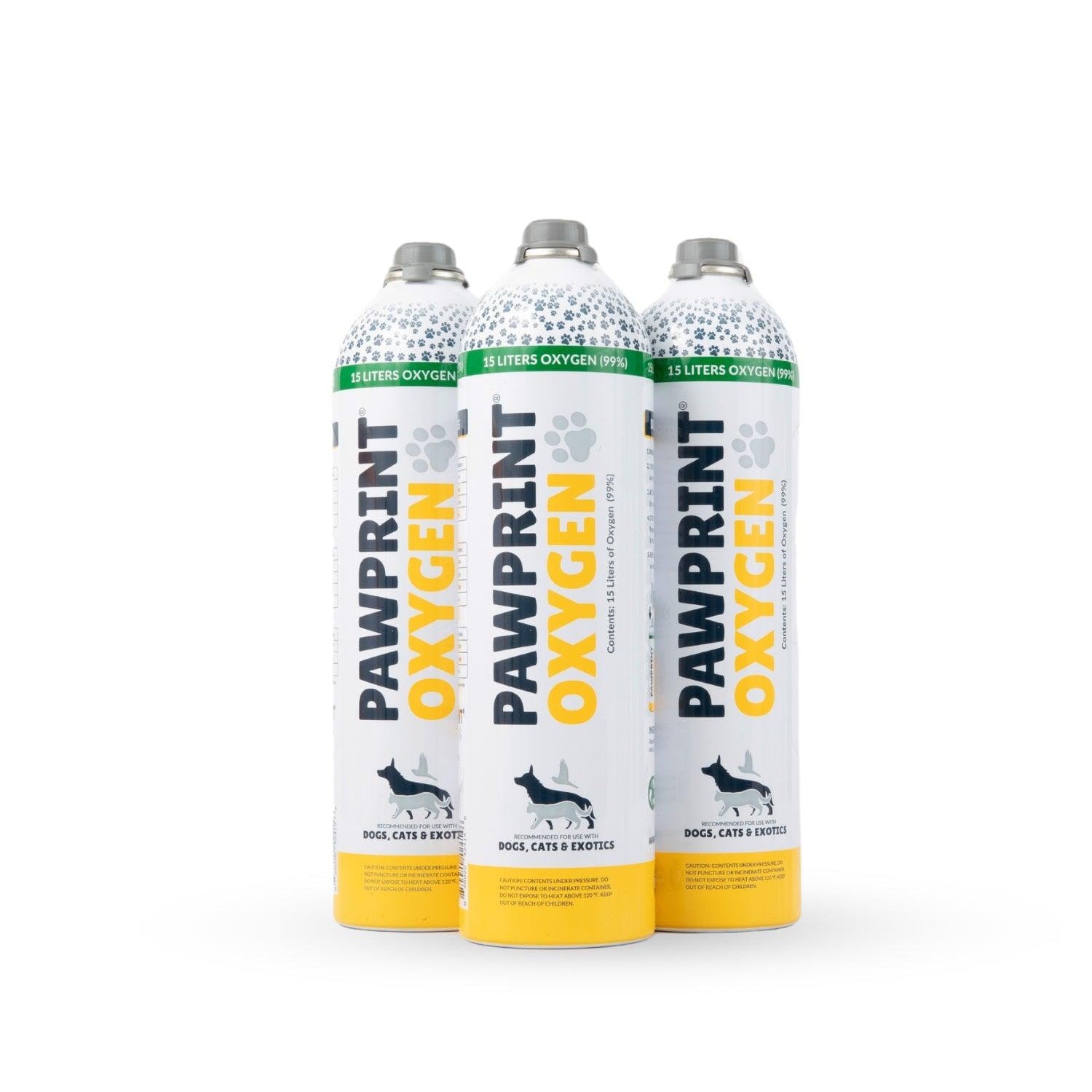
Can I refill my canister after use?
Oxygen canisters cannot be refilled. Please recycle your empty canisters. You can reorder canisters at any time!
What Is The Shelf Life On The Oxygen Canisters?
We have a two-year shelf life on our Oxygen Canisters. This shelf life is for the seal on the Oxygen Canister itself, not the oxygen.
Store canisters in a cool, dry place and if the seal is not tampered with, the oxygen will stay in the canister.
How long does each oxygen canister last?
Pawprint Oxygen Canisters can last up to 30 minutes. How long the canisters last is dependent on the flow rate that you’re using.
The flow rate is the “dosage” of the oxygen drug and determines the rate at which the oxygen gas leaves the canister.
Your Portable Oxygen Kit will include a regulator that is pre-set to the flow rate dictated by the weight range best for your pet. If you did not purchase a kit, and need a regulator, they can be purchased separately.
These are the durations that the canister will last for each of the flow rates:
0.5 Liters per minute: 30 minutes
1.0 Liters per minute: 15 minutes
2.0 Liters per minute: 7.5 minutes
3.0 Liters per minute: 5 minutes
Supportive Care
Supportive care plays a vital role in the recovery process for pets affected by smoke inhalation. This can include a range of treatments aimed at alleviating symptoms and promoting overall health.
-
IV Fluids:
Intravenous fluids help maintain hydration and support the function of vital organs. They can also assist in flushing out toxins from the body and improving overall circulation.
-
Nebulization:
This treatment involves the administration of medications in the form of a mist, which can be inhaled directly into the lungs. Nebulization is particularly effective for delivering bronchodilators and anti-inflammatory drugs to the respiratory tract.
-
Rest and Monitoring:
Ensuring your pet has a quiet, stress-free environment to rest and recover is crucial. Regular monitoring of their respiratory rate, appetite, and general behavior helps track their progress and detect any potential complications early.
By understanding and accessing these treatment options, pet owners can ensure their pets receive the best possible care and support for recovery from the harmful effects of wildfire smoke inhalation. Prompt and appropriate treatment can make a significant difference in their pets' health and well-being.
Long-Term Health Monitoring for Pets
Follow-Up Veterinary Visits
After initial treatment for smoke inhalation, follow-up veterinary visits are essential to ensure your pet's respiratory health is on track and to monitor for any potential long-term effects.
-
Importance of Follow-Up Appointments:
Regular check-ups allow your veterinarian to assess your pet's recovery and detect any lingering issues early. These visits are crucial for pets with pre-existing conditions or those who experienced severe smoke inhalation. -
Monitoring Respiratory Health:
During follow-up appointments, your veterinarian will likely perform physical exams, listen to your pet's lungs, and may conduct diagnostic tests such as X-rays or blood work to evaluate lung function and overall health.
Preventative Health Measures
In addition to monitoring, taking preventive measures can help strengthen your pet's overall health and improve their resilience to future environmental hazards.
-
Regular Health Check-Ups:
Schedule regular health check-ups with your veterinarian to keep track of your pet's overall well-being. These routine visits help in early detection of any health issues and ensure timely intervention.
-
Vaccinations:
Keep your pet's vaccinations up to date to protect them from respiratory infections and other diseases. A strong immune system is vital for pets recovering from smoke inhalation.
-
Healthy Diet and Exercise:
Maintain a balanced diet and regular exercise regimen for your pets to boost their immune system and keep them in good physical condition. A healthy pet is better equipped to handle and recover from environmental stressors.
-
Environmental Control:
Minimize your pet's exposure to pollutants and allergens in their environment. This includes using air purifiers, avoiding smoking around pets, and ensuring they have a clean living space.
By focusing on long-term health monitoring and preventive care, you can help your pets recover fully from the effects of wildfire smoke and maintain their overall health and well-being. Regular veterinary visits and a proactive approach to health care are key components in ensuring your pets lead a healthy and happy life.

Creating a Pet Emergency Plan
Evacuation Plan
Having a well-thought-out evacuation plan that includes your pets is crucial in ensuring their safety during wildfire events. Here are some tips to help you create an effective evacuation plan:
-
Identify Pet-Friendly Shelters:
Before an emergency arises, research and identify pet-friendly shelters, hotels, or boarding facilities in your area or along your evacuation route.
-
Emergency Contacts:
Keep a list of emergency contacts, including your veterinarian, local animal shelters, and nearby friends or family who can help in case of an emergency.
-
Transport Carriers:
Ensure you have sturdy, easily accessible transport carriers for each of your pets. Practice using the carriers so your pets are comfortable and familiar with them.
-
Leashes and Harnesses:
Keep leashes, harnesses, and collars handy for quick and safe transport of your pets.
-
Evacuation Drills:
Conduct regular evacuation drills with your pets to ensure everyone knows what to do and can evacuate quickly and safely.
-
Safe Meeting Point:
Designate a safe meeting point outside your home where everyone can gather during an evacuation.
Emergency Kit
Preparing a comprehensive emergency kit for your pets can make a significant difference during a wildfire evacuation. Here's what to include in your pet emergency kit:
- Food and Water: Pack at least three days' worth of pet food and bottled water. Include bowls and any necessary feeding equipment.
- Medications: Include a supply of any medications your pet needs, along with instructions for administering them. Ensure you have at least a week's supply.
- Medical Records: Keep copies of your pets' medical records, including vaccination history and any chronic health conditions, in a waterproof container.
- Identification:Ensure your pets are wearing up-to-date ID tags with your contact information. Microchip information should also be included in the kit.
- Comfort Items: Pack familiar items like blankets, toys, and bedding to help reduce your pet's stress during an evacuation.
- First Aid Kit: Assemble a pet first aid kit with bandages, antiseptics, tweezers, and any other items your veterinarian recommends.
By having a comprehensive evacuation plan and a well-prepared emergency kit, you can ensure that your pets are as safe and comfortable as possible during a wildfire evacuation. Planning ahead can make a significant difference in the well-being of your pets during an emergency.
Stay Informed, Stay Prepared
As wildfires continue to become more frequent and intense, safeguarding our pets from the harmful effects of wildfire smoke is a critical responsibility for pet owners. Understanding the composition and dangers of wildfire smoke, recognizing the symptoms of smoke inhalation, and taking both preventive and immediate action can make a substantial difference in your pet's health and safety.
By implementing preventive measures such as keeping pets indoors, limiting outdoor activities, and monitoring air quality, you can significantly reduce your pets' exposure to smoke. Recognizing the symptoms of smoke inhalation early and seeking prompt veterinary care, including treatments like supplemental oxygen and medications, are vital steps in ensuring your pets recover fully. Long-term health monitoring and preventive health measures, along with a comprehensive evacuation plan and emergency kit, further enhance your pets' resilience to environmental hazards.
Taking these steps will not only protect your pets during wildfire events but also contribute to their overall health and well-being. Stay informed, stay prepared, and ensure that your pets are safe and healthy in the face of wildfire smoke. Your proactive approach can make all the difference in keeping your beloved pets out of harm's way.