Fireworks and Your Pet: When Noise Anxiety Becomes a Breathing Emergency
This guide explains how that happens, which pets are most at risk, and why a home pet oxygen kit deserves a place in your preparations for next year's 4th of July .
⏱ 8-minute read | Updated July 2026 | Reviewed by Pawprint Oxygen Veterinary Team | Browse more articles →
Table of Contents
For most of us, the Fourth of July means cookouts, sparklers, and a sky full of color. For millions of pets, it's the most terrifying night of the year. The statistics are sobering: animal shelters report a 30–60% spike in lost pets in the days surrounding July 4th, July 5th is consistently one of the busiest intake days of the year, and only about 14% of pets who go missing during the holiday ever make it home.
Most fireworks coverage focuses, rightly, on keeping pets from bolting. But there's a second danger that gets far less attention: for some pets, the panic itself is the emergency. A full-blown fireworks panic attack can push a vulnerable dog or cat into genuine respiratory distress. This guide explains how that happens, which pets are most at risk, and why a home pet oxygen kit like the Rescue Oxygen Kit deserves a place in your July 4th preparation for next year.

Why Fireworks Terrify Pets
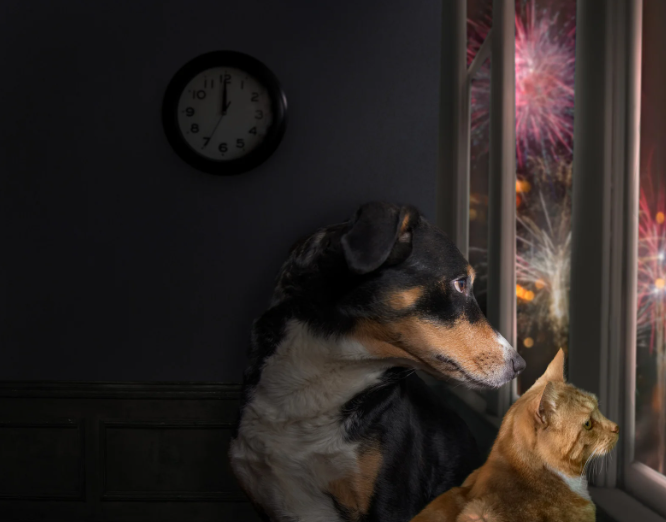
To understand the respiratory risk, you first have to understand what's happening inside a frightened animal's body. Fireworks combine three things pets are hardwired to fear: sudden, unpredictable loud noises, bright flashes, and a low-frequency concussive "boom" they can feel as much as hear. Unlike a thunderstorm, there's no barometric warning, no gradual build, just an explosion out of nowhere.
When that happens, the sympathetic nervous system floods the body with adrenaline and cortisol. Heart rate climbs. Blood pressure rises. And critically for our purposes, respiratory rate spikes. The dog or cat begins panting hard, sometimes hyperventilating, as the body braces for a threat it can neither see nor escape.
For a healthy young animal, this is miserable but survivable. The panic passes, the heart rate settles, and breathing returns to normal. For a pet with any underlying vulnerability, that cascade can tip into something far more dangerous.
When Panic Becomes a Medical Emergency
Veterinary research has documented that intense, sudden stress in dogs can produce genuinely serious physiological effects like cardiac arrhythmias, dangerous spikes in blood pressure, and in rare cases, cardiac events. The common thread in the worst outcomes is a body pushed past its reserve: a racing heart and a soaring respiratory rate in an animal that can't physically keep up with the demand for oxygen.
Here's the chain reaction that turns a scary night into an emergency:
- Panic drives hyperventilation. Rapid, shallow, frantic breathing is inefficient. The pet is moving a lot of air but not exchanging oxygen and CO2 effectively.
- The cardiovascular system is overloaded. A racing heart and high blood pressure demand more oxygen at exactly the moment the lungs are working least efficiently.
- Vulnerable pets run out of reserve. A pet with heart disease, a compromised airway, or reduced lung capacity has no margin. Oxygen saturation begins to fall.
- Distress compounds distress. Air hunger increases panic, panic increases respiratory effort, and the loop tightens.
Most pets never reach step three or four. But the pets who do tend to share a handful of risk factors, and if your pet is on that list, fireworks night isn't just a behavioral challenge. It's a medical one.
The Pets Most at Risk forRespiratory Issues During Fireworks Anxiety
If your pet falls into one of these categories, take fireworks-related respiratory distress seriously:
- Pets with heart disease or a heart murmur. The added cardiovascular load of a panic attack is exactly what a compromised heart cannot afford.
- Brachycephalic (flat-faced) breeds. Pugs, French bulldogs, English bulldogs, Boston terriers, boxers, and Persian cats already breathe with little reserve. Panic-driven panting in a narrowed airway is a recipe for crisis. (See our deep-dive on brachycephalic breathing emergencies.)
- Senior pets. Older animals often have reduced lung capacity, heart changes, and less physiological resilience to acute stress.
- Pets with a history of collapsing trachea, laryngeal paralysis, or chronic respiratory conditions. Any baseline airway compromise narrows the margin for safety.
- Pets with diagnosed noise phobia or severe anxiety disorders. Research shows these animals are predisposed to more extreme, prolonged panic responses rather than brief, transient fear.
A healthy three-year-old Labrador hiding under the bed is having a bad night. A twelve-year-old cavalier king Charles spaniel with a heart murmur, panting frantically and refusing to settle, is a pet you should be watching very closely.
Knowing the Difference: Normal Fear vs. Respiratory Emergency
Because almost every pet looks distressed during fireworks, owners can struggle to tell ordinary fear from a true emergency. Here's how to read the signs.
Normal fireworks fear (uncomfortable, not dangerous):
- Trembling, shaking, or hiding
- Pacing or seeking out a safe space
- Panting that eases when the noise stops or the pet is comforted
- Whining, clinginess, or refusing food
- Drooling
Warning signs — start calming measures and monitor closely:
- Panting that does not ease even during quiet gaps between fireworks
- Exaggerated chest and belly effort with each breath
- Restlessness that won't settle no matter what you try
- A pet that seems unable to "come down" from the panic
True emergency — begin oxygen and head to the ER:
- Gums or tongue turning pale, gray, blue, or purple (cyanosis)
- Collapse, stumbling, or weakness
- Open-mouth breathing in a cat (this is always an emergency)
- Loss of consciousness
- Breathing that becomes raspy, high-pitched, or labored
If you see anything in the "true emergency" list, you're no longer managing anxiety. You're managing a respiratory event, and your pet needs oxygen and a vet.

Why a Home Oxygen Kit Belongs in Your July 4th Plan
Here's the hard reality of fireworks night: the Fourth of July is one of the worst possible times to need emergency veterinary care. ER clinics are slammed, roads are busy, and you may be 20–30 minutes from the nearest open hospital. If your pet tips into respiratory distress at 10 p.m. on July 4th, every minute you spend air-starved in the car is a minute that matters.
That's the gap the Rescue Oxygen Kit was built to close.
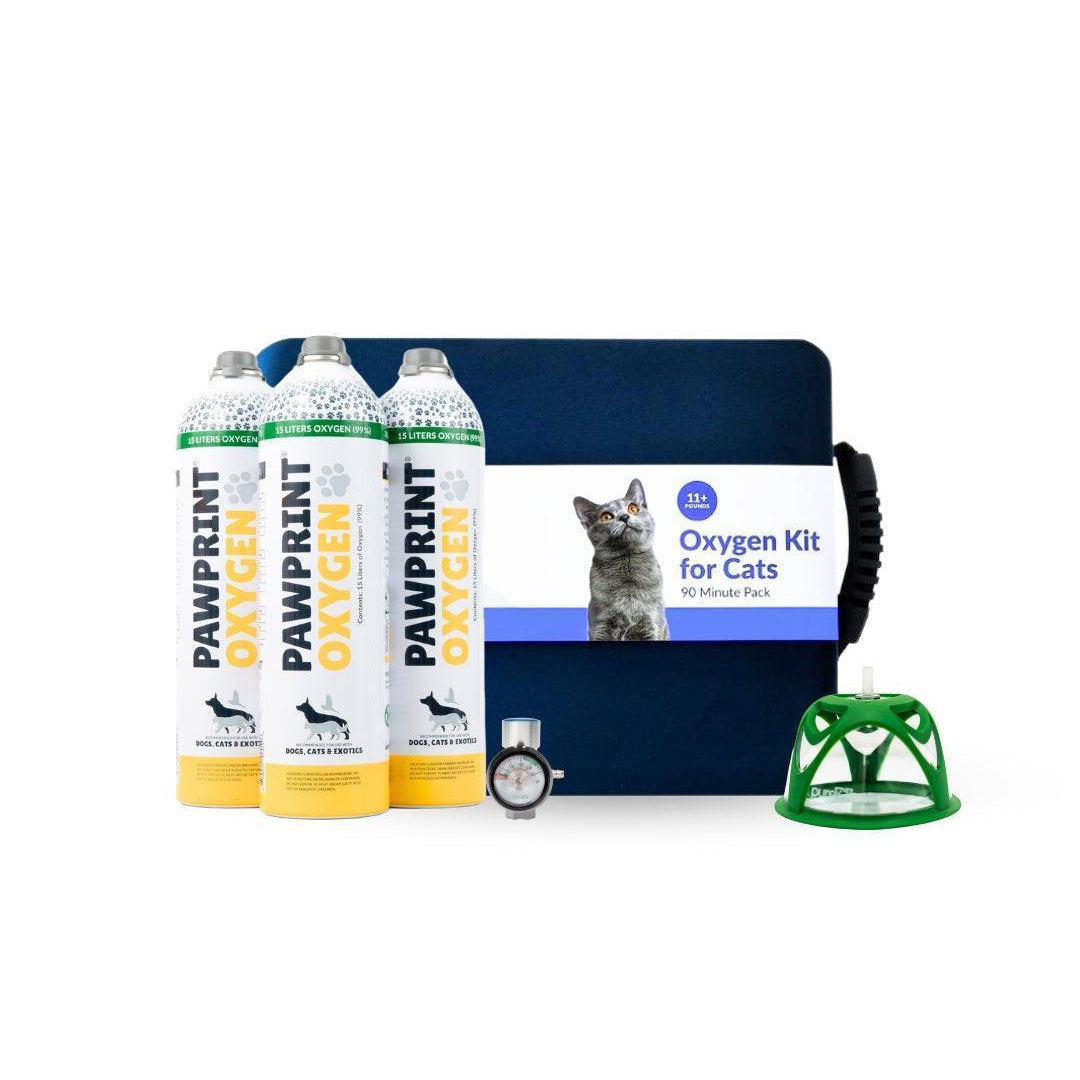
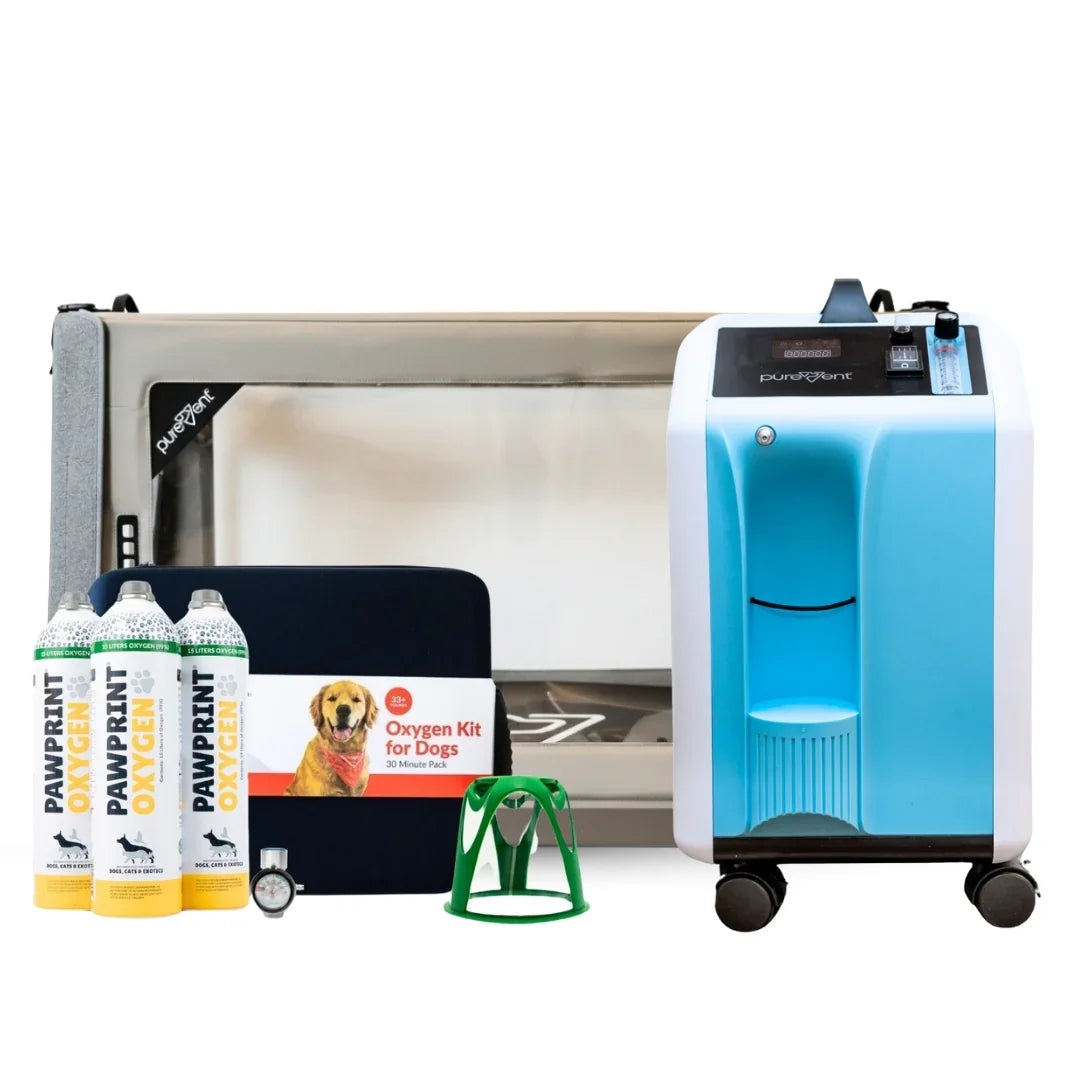
Each kit includes:
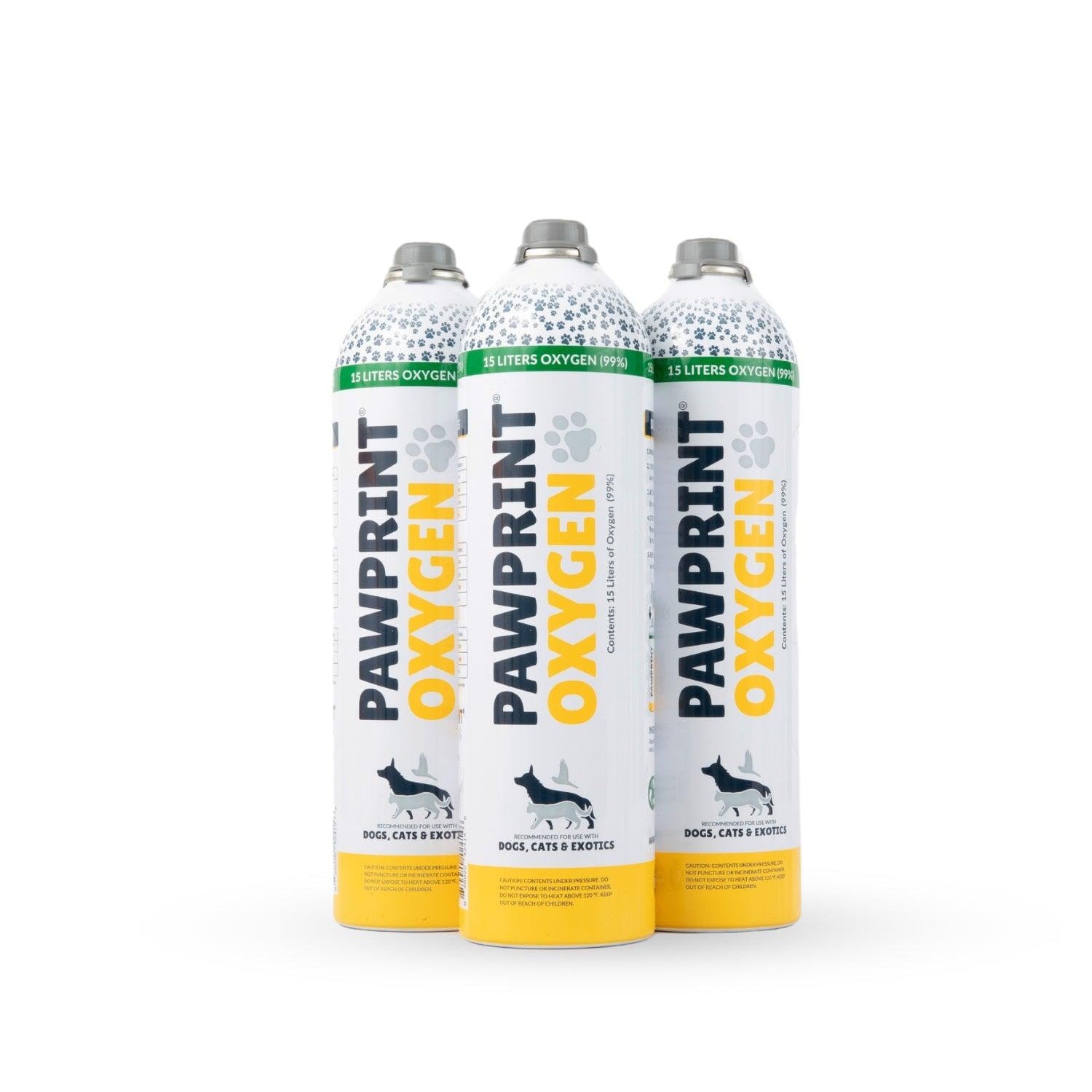
- Portable, pre-filled oxygen canisters (no prescription required, no medical training necessary)
- The PureVent™ pet oxygen mask, engineered with tri-vent technology that removes up to 80% more rebreathed carbon dioxide than standard masks, which is exactly what a hyperventilating, panicking pet needs
- A pre-set flow regulator set to your pet's weight so you can ensure they are getting the right amount of oxygen every time
- Soft, flexible oxygen tubing
- A quick-start guide written for owners dealing with a stressful situation
Supplemental oxygen won't cure the underlying anxiety. That's a separate, longer conversation with your vet about behavioral therapy and medication. But in the moment a panic attack crosses into a breathing emergency, oxygen is the bridge that keeps your pet stable while you get to professional care. Emergency vets consistently report that pets who arrive already receiving oxygen tend to do better than those who arrive blue-gummed and air-starved.
For the full breakdown of what's in the kit and how it works, see our foundational guide: Introducing the Rescue Oxygen Kit: The At-Home Pet Oxygen Kit.

Your Complete Fireworks Preparedness Plan
The best emergency is the one that never happens. Build your July 4th plan for next year well before the first firework goes off.
In the days before:
- Confirm ID and microchip details are current. With nearly one in five lost pets going missing after being spooked by loud noises, an up-to-date microchip is your single best insurance policy.
- Talk to your vet about anxiety management. For pets with known noise phobia, ask about anti-anxiety medication or calming supplements, and start them early, before the holiday, not in a panic on the night.
- Create a safe room. Pick an interior room with no windows if possible. Add a crate or bed, familiar blankets, and an item that smells like you.
- Stage your Rescue Oxygen Kit in a known, easy-to-reach location, and make sure at least one other person in the household knows how to use it.
On the night of the fireworks:
- Keep pets indoors, with doors, gates, and windows secured.
- Close curtains and turn on the TV, a fan, or white noise machine to mask the booms.
- Stay calm yourself. Pets read your stress.
- Do not punish or force a frightened pet out of hiding. Let them choose their safe spot.
If panic crosses into distress:
- Move to the safe room and reduce all stimulation, lights low, noise masked.
- Check the gums. Pink is good; pale, gray, or blue means oxygen, now.
- Start oxygen. Open your Rescue Oxygen Kit and bring the PureVent mask near your pet's face. A looser seal is better tolerated than a tight one, so no need to get their whole muzzle in the mask.
- Call your ER vet. Report the situation, that you're administering oxygen, and your ETA.
- Transport calmly, continuing oxygen in the car if you can.
The Bottom Line
The Fourth of July will always be loud, and some pets will always be afraid. What you can control is how prepared you are when fear crosses the line into a medical emergency. For households with a senior pet, a flat-faced breed, or an animal with a heart or breathing condition, fireworks night is exactly the scenario a home oxygen kit was made for.
The Rescue Oxygen Kit is vet-designed, trusted by 3,000+ U.S. fire departments, and built for the moment minutes matter most. Get it in place before the first firework lights the sky, not after.
✅Get a Rescue Oxygen Kit before the next summer holiday → KITS
Frequently Asked Questions
Can fireworks anxiety really cause a breathing emergency, or is my pet just scared?
For most pets, fireworks fear is distressing but not physically dangerous. The risk rises sharply in pets with heart disease, flat-faced breeds, seniors, and animals with existing respiratory conditions. In those pets, a severe panic attack with a racing heart and frantic hyperventilation can outpace the body's oxygen supply and become a genuine medical emergency.
How can I tell if my dog's panting is normal or dangerous?
Normal fear-panting eases during quiet gaps and when you offer comfort. Watch for panting that won't stop even when it's quiet, heavy chest-and-belly breathing effort, and especially any change in gum color toward pale, gray, or blue. Open-mouth breathing in a cat is always an emergency.
Do I need a prescription to use a Rescue Oxygen Kit?
No. The Rescue Oxygen Kit is a non-prescription, owner-administered emergency kit. You're not treating a diagnosed condition. You're providing supplemental oxygen to a pet in distress while you arrange professional veterinary care.
Should I sedate my pet for fireworks instead?
Anxiety medication and behavioral therapy are the right long-term tools for noise phobia, and you should discuss them with your veterinarian well before the next holiday. A home oxygen kit is a separate safety net for the rare moment when panic becomes a physical breathing emergency, and the two work together, not instead of each other.
My pet is young and healthy. Is an oxygen kit overkill?
Think of it like a fire extinguisher: most households never need one, but the cost of being without it in an emergency is catastrophic. If your home includes any higher-risk pet, a senior, a flat-faced breed, or one with a heart or airway condition, a kit isn't overkill. It's preparation.
Where can I get a Rescue Oxygen Kit before the next holiday?
Visit pawprintoxygen.com for full product details and to add a kit to your household emergency setup. Order with enough lead time to have it on hand before the next summer holiday.
Related Reading
Keep building your pet emergency plan with these guides:
- Brachycephalic Breeds and Breathing Emergencies
- Heatstroke in Dogs: Emergency First Aid
- Introducing the Rescue Oxygen Kit