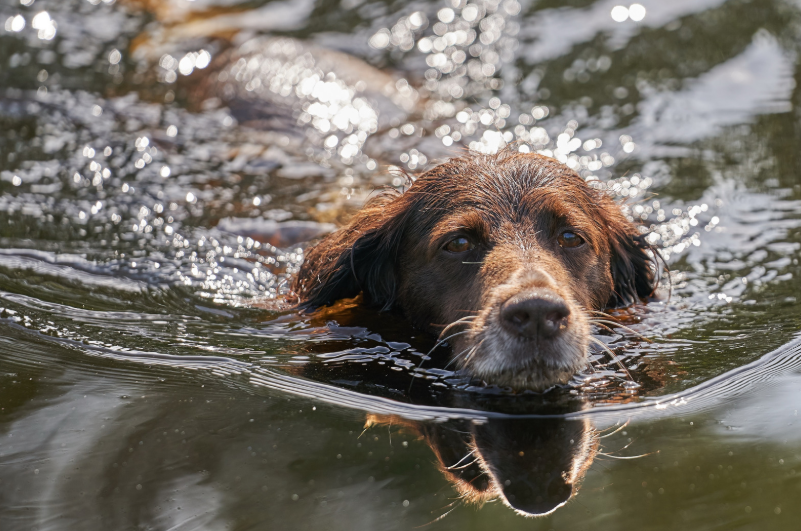
Near Drowning in Dogs: Recognizing a Water Emergency and Providing Oxygen First Aid
This guide walks through how drowning harms the lungs, symptoms to watch for in the hours and days after a water incident, what to do in the moment, and why having supplemental oxygen on hand can buy the critical minutes that matter most.
⏱ 6-minute read | Updated August 2026 | Reviewed by Pawprint Oxygen Veterinary Team | Browse more articles →
Table of Contents
Summer means pools, lakes, boat days, and beach trips, and for most dogs, that's pure joy. But water carries a hidden danger that too many pet parents never see coming: a dog can survive the initial scare of going under, walk away seemingly fine, and then slide into a life-threatening breathing crisis hours later. It's called near drowning in dogs, and its delayed cousin, secondary drowning, is one of the most under-recognized emergencies in dogs.
The good news is that near-drowning events are survivable when you know the warning signs and can support your dog's breathing quickly. This guide walks through how drowning actually harms the lungs, the symptoms to watch for in the hours and days after a water incident, what to do in the moment, and why having supplemental oxygen on hand can buy the critical minutes that matter most.

What "Near Drowning in Dogs" and "Secondary Drowning" Actually Mean
Near drowning refers to a dog who survives suffocation from being submerged, usually after some form of rescue or resuscitation. Even a brief submersion can allow water into the airways, and that's where the real trouble begins.
Secondary drowning (sometimes loosely called "dry drowning") happens when a dog appears to recover after inhaling water, only to develop respiratory distress hours later as fluid accumulates in the lungs. Even small amounts of aspirated water can irritate the delicate air sacs and trigger inflammation and fluid buildup, a process that can start as much as 24 hours after the swim, and in some documented cases up to three days later.
There's a second mechanism worth understanding. When a dog panics and their voice box spasms shut underwater (laryngeal spasm), the intense effort to breathe against a closed airway can pull fluid into the lungs on its own, a condition called negative pressure pulmonary edema. This means a dog can develop dangerous lung fluid even without swallowing a large volume of water.
🚨The takeaway: a dog who "seems fine" after a water scare is not necessarily in the clear. The lungs can fail gradually and quietly.
How Water in the Lungs Robs Your Dog of Oxygen
Healthy lungs work because tiny air sacs (alveoli) stay clear and open, allowing oxygen to pass into the bloodstream. When water, and the inflammation and fluid that follow it, floods those air sacs, oxygen simply can't cross into the blood efficiently. The result is hypoxemia, also called low blood oxygen. which starves the brain, heart, and other organs.
Your dog's body responds by breathing faster and harder to compensate. That's why an elevated respiratory rate is one of the earliest and most reliable red flags.
A calm, resting dog normally takes fewer than about 30–35 breaths per minute.
A dog quietly resting or sleeping who is consistently breathing faster than that, especially with visible effort, needs veterinary attention.
Warning Signs After a Water Incident
Watch your dog closely for at least 24 to 72 hours after any near-drowning event, even a minor one. Call your veterinarian or head to an emergency clinic if you notice:
- Persistent coughing or gagging, sometimes producing frothy or pink-tinged fluid
- Rapid, shallow, or labored breathing, or exaggerated belly movement to breathe
- Blue, gray, or pale gums and tongue (a sign of dangerously low oxygen, always treat as an emergency)
- Lethargy, weakness, or unusual sleepiness
- Restlessness, anxiety, or refusing to lie down (dogs struggling to breathe often can't get comfortable)
- Wheezing, raspy, or crackling breath sounds
- Loss of appetite or a low-grade fever in the day or two after the incident
Because deterioration can happen suddenly, don't wait for symptoms to "get bad enough." With breathing emergencies, early is always better.

What to Do in the Moment: Water Rescue First Aid
If you pull your dog from the water and they are unresponsive or struggling, every second counts. Move calmly and deliberately:
1. Get your dog out of the water safely.
If the dog is in deep or dangerous water, use a pole, leash, or approach by boat if you can. Never put yourself at risk of becoming a second victim.
2. Help water drain from the airway.
For a small dog, you can hold them upside down for 10–20 seconds; for a larger dog, elevate the hindquarters so the head hangs downward, letting water drain from the mouth and nose.
3. Check for breathing and a heartbeat.
If your dog isn't breathing, begin rescue breathing; if there's no heartbeat, start CPR if you're trained. Have someone call the emergency vet while you work.
4. Provide supplemental oxygen if you have it.
Once your dog is breathing but distressed, flowing oxygen near their nose and mouth helps counter the low blood-oxygen levels that follow water inhalation.
5. Get to a veterinarian immediately even if your dog perks up.
Every near-drowning dog should be evaluated, because secondary drowning can develop later. At the hospital, dogs are typically placed on oxygen supplementation, given medications to reduce lung fluid, and monitored closely.
Keep your dog warm and calm during transport. Stress and struggling increase oxygen demand at exactly the moment your dog can least afford it.

Why Home Oxygen Belongs in Your Water-Safety Plan
Here's the hard reality: the most dangerous window in a near-drowning event is often the stretch between the incident and the moment your dog reaches professional care, or the delayed crisis that hits at home, at the lake house, or on the boat, far from an emergency clinic. In those minutes, a dog with fluid-filled lungs is fighting for every molecule of oxygen.
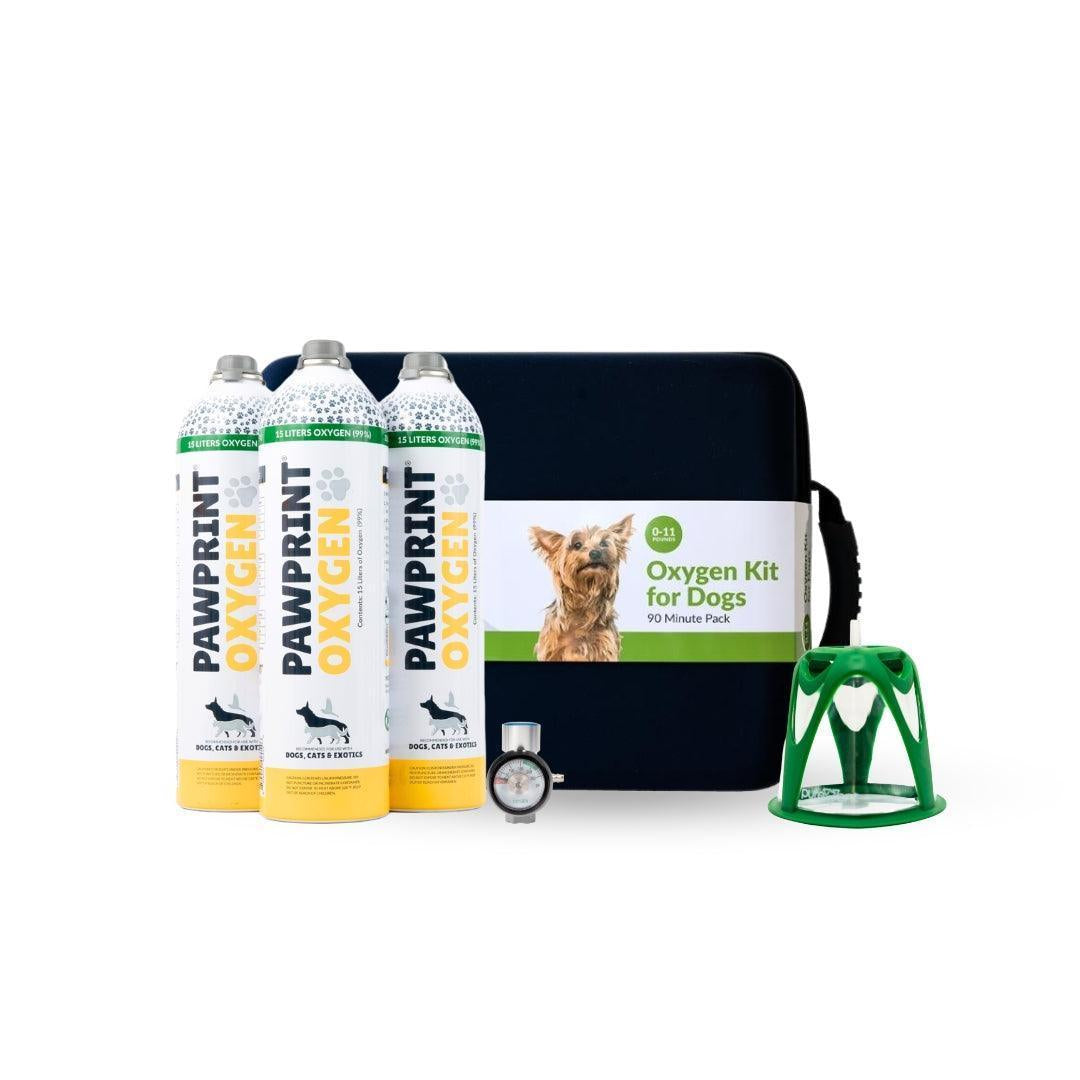
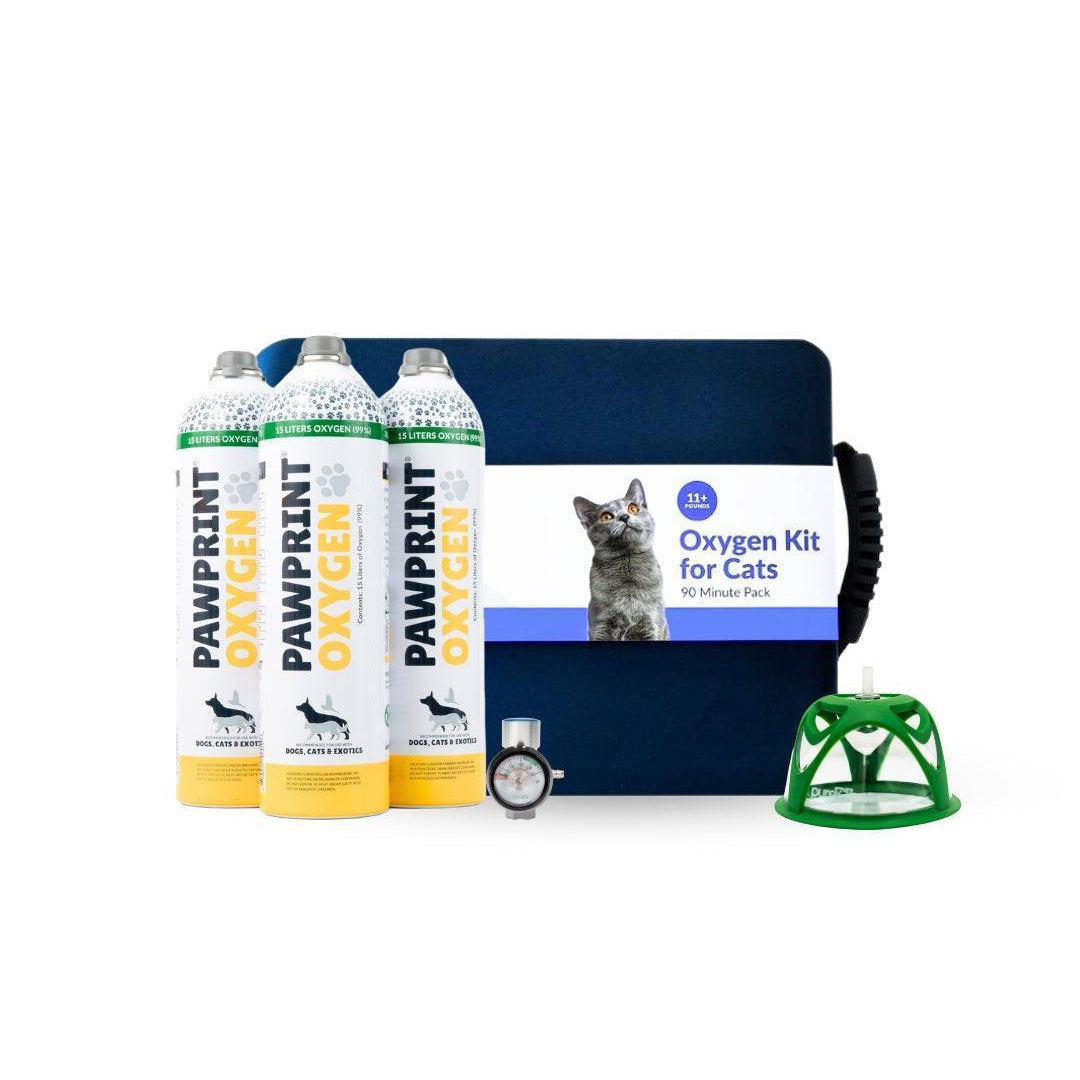
That's exactly what a home pet oxygen kit is designed for. A Rescue Oxygen Kit delivers clean, supplemental oxygen right where and when you need it, letting you stabilize your dog's oxygen levels while you arrange transport or wait out a delayed episode under veterinary guidance. Pawprint Oxygen offers kits sized for dogs, cats, and working K9s, so you can match the kit to your companion.
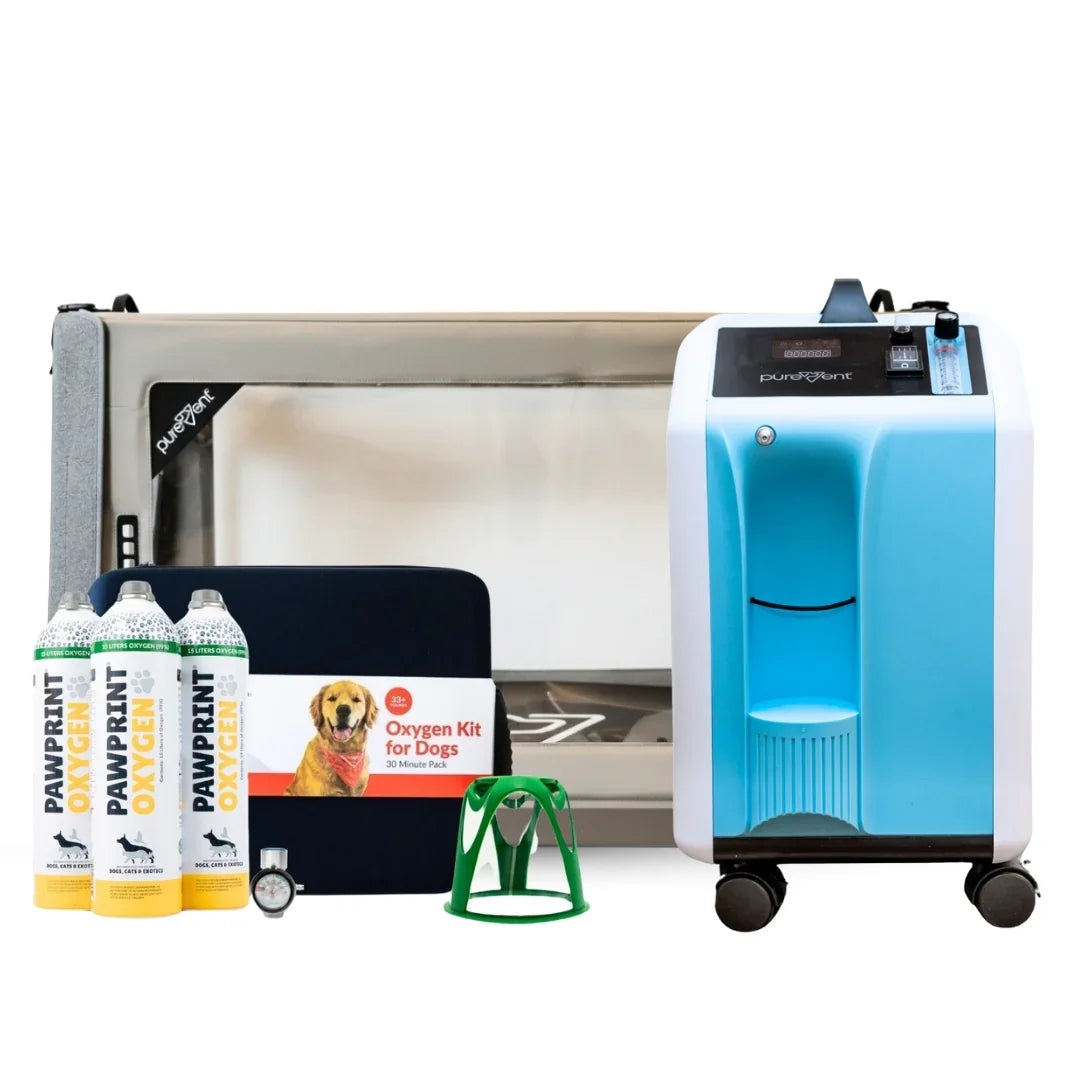
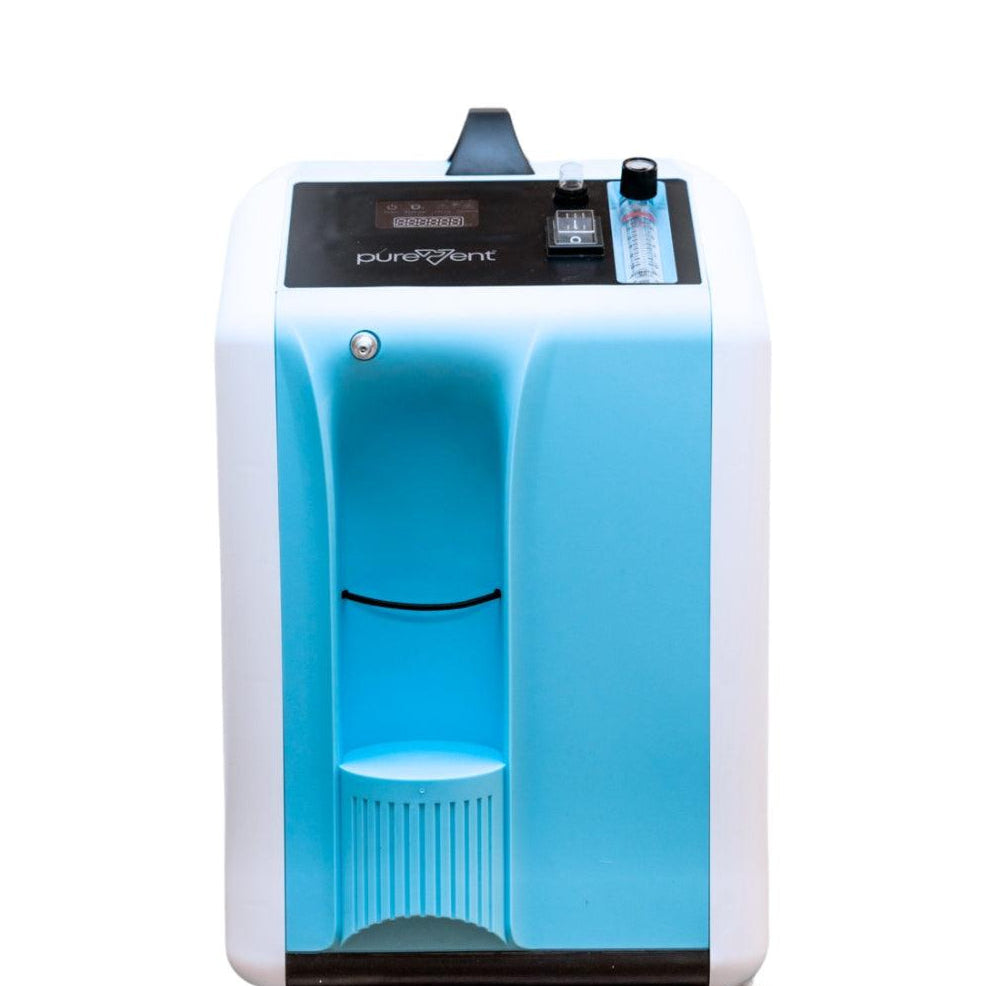
For dogs with a heightened risk profile, think brachycephalic (flat-faced) breeds who tire quickly in water, seniors, or dogs with existing heart or lung conditions, supplemental oxygen is even more valuable. And because secondary drowning can require supportive care over several days, families managing an at-home recovery under their vet's direction often benefit from the sustained output of an Oxygen Bundle, which pairs a medical-grade oxygen concentrator with a chamber for longer, repeated therapy sessions. Unlike inexpensive canned or novelty oxygen products, medical-grade concentrators are built to reach the oxygen concentrations that actually make a therapeutic difference.
To be clear: home oxygen is a bridge, not a replacement for veterinary care. It's the tool that helps you support your dog until a professional can take over, and after a water emergency, that support can be the difference-maker.
Preventing Water Emergencies Before They Start
The best emergency is the one that never happens. A few habits dramatically lower the risk:
- Fit water-loving and weak-swimming dogs with a canine life jacket, especially on boats, in open water, or in pools with hard-to-find exits.
- Teach your dog where the pool steps or ramp are so they can find the exit if they fall in.
- Never leave dogs unsupervised near water, including bathtubs, hot tubs, and backyard pools.
- Rinse and dry your dog after swimming, and keep an eye out for coughing or labored breathing that evening.
- Know your dog's normal resting respiratory rate so you can recognize when it climbs.
Frequently Asked Questions
How long after swimming can secondary drowning happen in dogs?
Symptoms most often appear within 24 hours of a water incident, but delayed cases have been documented up to three days later. Monitor your dog closely for several days after any near-drowning event and seek care at the first sign of coughing or labored breathing.
Can a dog dry drown from just playing in water or the bath?
It's uncommon, but yes, even a small amount of inhaled water can irritate the lungs and lead to fluid buildup. Dogs who gulp water while fetching, dunk repeatedly, or panic in the bath can be affected. Any persistent coughing or fast, labored breathing afterward warrants a vet call.
What are the first signs of low oxygen in a dog?
Faster breathing, increased effort to breathe, restlessness, and a change in gum color from healthy pink toward pale pink, blue, or gray. Blue or gray gums are an emergency and mean your dog needs oxygen and a veterinarian immediately.
Should I give my dog oxygen after a near-drowning incident?
If your dog is breathing but showing distress, supplemental oxygen from a pet oxygen kit can help counter the low blood-oxygen levels that follow water inhalation while you get to a vet. Oxygen supports your dog; it doesn't replace the professional evaluation that every near-drowning dog needs.
Do I still need to see a vet if my dog seems fine after being pulled from the water?
Yes. Because secondary drowning develops hours later, every dog involved in a near-drowning event should be evaluated by a veterinarian, even if they appear to have fully recovered.
Be Ready Before the Splash
Water emergencies are fast, frightening, and often delayed, a combination that leaves even attentive pet parents scrambling. You can't always prevent an accident, but you can control how prepared you are to respond. Knowing the signs of near and secondary drowning, having a rescue plan, and keeping supplemental oxygen within reach turns a moment of panic into a moment of action.