Your dog's checkup turned up a heart murmur, or maybe a diagnosis of mitral valve disease, and now CoQ10 keeps coming up: on a forum, on a supplement label, in a question you meant to ask your vet. It's natural to wonder whether you should be adding it.
Coenzyme Q10, usually shortened to CoQ10, is a compound your dog's body already makes. Supplements sell it in two forms, ubiquinone and ubiquinol. A small number of dog studies have tested it in heart disease, and knowing what they measured gives you clear questions for your vet.
⏱ 10-minute read | Updated October 2026 | Reviewed by Pawprint Oxygen Veterinary Team | Browse more articles →
Table of Contents
What CoQ10 Does in a Dog's Body
Your dog's cells make CoQ10 on their own, and every cell needs it. Its main job is helping the mitochondria produce ATP, the molecule cells use for energy. It also acts as an antioxidant, helping the body hold down oxidative stress from free radicals.
You'll find CoQ10 in the mitochondrial membranes of every organ, the heart muscle included. Inside the body it switches between two versions: ubiquinone, the oxidized form, and ubiquinol, the reduced form.
That link to cellular energy and antioxidant defense is why CoQ10 shows up in so many heart supplements for dogs, usually as one ingredient among several. Whatever you add, a supplement should never replace medication your vet has prescribed.

Why Vets Bring Up CoQ10 for Heart Disease
Most of the interest in CoQ10 for dogs comes back to mitral valve disease.
1. How common MMVD is
Myxomatous mitral valve disease (MMVD) is the heart disease dogs develop most often, and it's also the leading reason dogs go into congestive heart failure (CHF).
2. The energy theory
The idea is that a struggling heart burns a lot of energy and deals with more oxidative stress, so extra CoQ10 might help the heart muscle keep up. Much of that thinking starts in human medicine, where studies going back to 1970 have found low CoQ10 in the blood and heart muscle of some people with heart disease.
3. Human trial data
A 2017 meta-analysis pooled 14 randomized trials with 2,149 heart failure patients and found lower mortality and better exercise capacity in people taking CoQ10. Ejection fraction and heart failure class showed no significant difference. Those results come from people, and they don't carry over to dogs on their own.
4. The closest dog-specific finding
A 2021 study of 30 Cavalier King Charles Spaniels at different MMVD stages, plus 10 healthy dogs, found that the Cavaliers already in CHF had significantly lower CoQ10 in their heart muscle. That study measured tissue levels only, so it can't tell you whether giving CoQ10 changes anything.
When a vet raises CoQ10, it usually comes up as a possible add-on to your dog's existing heart care plan.


Does CoQ10 Help Dogs With Heart Disease?
Only a handful of small studies have tested CoQ10 supplements in dogs with heart disease. The three below are placebo-controlled trials in dogs with naturally occurring MMVD.
1. The 2020 Cavalier Crossover Study
Researchers gave 19 Cavaliers with MMVD 100 mg of ubiquinone twice a day for three weeks and a placebo for another three weeks, in random order. In this setup, called a crossover, each dog serves as its own comparison.
On CoQ10, the dogs' disease severity and their owners' quality-of-life ratings showed no significant difference from placebo. The dogs tolerated the supplement well, and the amount that reached their blood differed a lot from one dog to the next.
2. The 2021 Dosing Study
This American Journal of Veterinary Research trial followed 18 dogs in CHF caused by MMVD, all staying on their cardiac medication. Each dog got 100 mg or 200 mg of CoQ10 a day, or a placebo, for two weeks.
Both doses raised plasma CoQ10, the level circulating in the blood, and at 200 mg a day, all six dogs in that group reached at least three times their starting level. That shows dogs absorb CoQ10 at those amounts. The study was designed to track blood levels and didn't report whether their hearts did any better.
3. The 2022 Placebo-Controlled Trial
The largest and longest of the three comes from the University of Ljubljana. The trial analyzed 43 dogs with MMVD across ACVIM stages B2, C, and D. Each dog received 100 mg of water-soluble CoQ10 twice a day or a matching placebo for three months, added to its usual heart medication.
Every dog in the trial was small or medium-sized. The heaviest weighed 20.9 kg (about 46 lb), and Cavaliers were the most common breed, at 16 of the 43 dogs.
Compared with placebo, CoQ10 didn't improve oxidative stress markers, two cardiac blood markers (cardiac troponin I and NT-proBNP), or echocardiogram measurements of the heart.
In the dogs with CHF, the percentages of neutrophils and lymphocytes, two kinds of white blood cells, shifted in the CoQ10 group. That was a change in blood counts, and the trial didn't connect it to any change in the dogs' hearts.
Reading the Results Together
Across these trials, CoQ10 reached the bloodstream and the dogs handled it well. The trials that looked for improvement in the heart, in disease severity, or in day-to-day quality of life didn't find any compared with placebo.
These studies were also small and ran three months at most. Cavaliers made up every dog in the 2020 study and the largest breed group in the 2022 trial. So for now, CoQ10 hasn't been shown to improve heart disease in dogs, and larger, longer trials would be needed to settle the question.
If your dog is a Cavalier or another small breed with MMVD, the dogs in these studies look a lot like yours, so their results are the closest evidence available for your dog. For larger breeds, the studies offer less to go on, which is one more reason to work out the plan with your vet.

CoQ10 for Dogs With a Heart Murmur
A murmur is something your vet hears through the stethoscope, and it's often the first clue that something is going on with the heart. Our overview of what a heart murmur in dogs can mean explains what a murmur is and when to see your vet.
Many owners assume a dog with a murmur or MMVD must be running low on CoQ10. The blood data doesn't support that. Dogs with MMVD in the 2022 Ljubljana trial started with higher plasma CoQ10 than healthy dogs, and the 2021 dosing study found no difference at baseline.
The low heart-muscle levels in that Cavalier study turned up in dogs already in CHF, and they were measured in heart tissue, a separate test from blood levels. For a dog with a new murmur, CoQ10 is a fair question for your next visit, alongside whatever monitoring or treatment your vet recommends.
Ubiquinone vs. Ubiquinol: Does the Form Matter?

Labels use both names. Ubiquinol is often marketed as more bioavailable, meaning more of it gets absorbed. All three dog heart trials above used ubiquinone, including the water-soluble liquid in the 2022 trial, so they don't show whether ubiquinol works any differently in dogs.
Absorption is a real hurdle for CoQ10 in dogs. An older study in Beagles found oral CoQ10 was taken up poorly and slowly, and a powder-filled capsule and an oil-based formula performed about the same.
CoQ10 is fat-soluble, and you'll see it sold as soft gels, capsules, liquids, and chews. For how to give it, including whether to pair it with a meal, follow your vet's advice or the product label.
CoQ10 Dosage for Dogs
How much CoQ10 to give a dog with a heart diagnosis is a decision for your veterinarian, who can account for your dog's size, condition, and current medications.
For context, the dog heart trials used 100 to 200 mg a day in total, usually split into two doses. Those were research doses given under study supervision.
Even with slow uptake, blood levels rose within the first two weeks. In the 2021 study, the rise in plasma CoQ10 was significantly greater than with placebo at one and two weeks for both doses.
If you miss a dose, give the next one at the usual time. Don't double up to make up for it.
CoQ10 Side Effects and Safety
CoQ10 was well tolerated in the heart trials.
Diarrhea showed up about as often as on placebo. In the 2022 trial, brief diarrhea that cleared up without any care showed up in 3 of 23 dogs on CoQ10 and 4 of 20 on placebo, so it happened about as often without the supplement.
One high-dose study in Beagles found no toxicity. A 13-week toxicity study gave Beagles ubiquinol at up to 600 mg per kilogram of body weight a day and found no deaths or signs of toxicity. That's a research dose far beyond anything a supplement provides, so don't use it as a guide for how much to give.
Check human products for xylitol. Some human supplements, including children's chewable vitamins and gummies, contain xylitol, which is dangerous for dogs. Read the full ingredient list before giving your dog anything made for people, and learn the warning signs of xylitol poisoning in dogs.
Know who to call. If your dog gets into a whole bottle of supplements, call your veterinarian or the Pet Poison Helpline at 855-764-7661. The helpline answers 24/7 and charges a per-incident fee.
Clear it with your vet. Before starting CoQ10, talk with your vet if your dog has a health condition or takes any medication, heart medication included.

CoQ10 Alongside Other Heart Nutrients
Many dog heart formulas combine CoQ10 with other nutrients, commonly taurine and L-carnitine. We cover taurine on its own, along with how to judge supplement quality, in our guide to taurine for dogs.
Our Pawprint Heart Health Soft Chews are one example of a combined formula. Each chew contains 30 mg of CoQ10.
Check with your vet before giving them alongside a multivitamin or any other supplement. The same goes for any dog already on heart medication.
When Your Dog Needs More Than a Supplement
Whatever you decide about CoQ10, watching your dog closely at home helps your vet spot changes early. Call your vet if you notice any of these heart warning signs:
Coughing
Tiring more easily on walks
Faster breathing while resting
Restlessness at night
A swollen belly
Counting breaths is one of the most useful checks you can do. Cornell's veterinary cardiology guidance puts a dog's normal resting rate at 15 to 30 breaths per minute and recommends calling your vet if the rate tops 35 while your dog is relaxed or asleep.
If your dog has already had a CHF episode, NC State's cardiology service considers fewer than 30 breaths per minute during sleep normal. Your vet may give you a specific number to watch for.
Blue or gray gums, struggling to breathe, or collapse need immediate veterinary care. Go to your vet or the nearest emergency hospital right away.
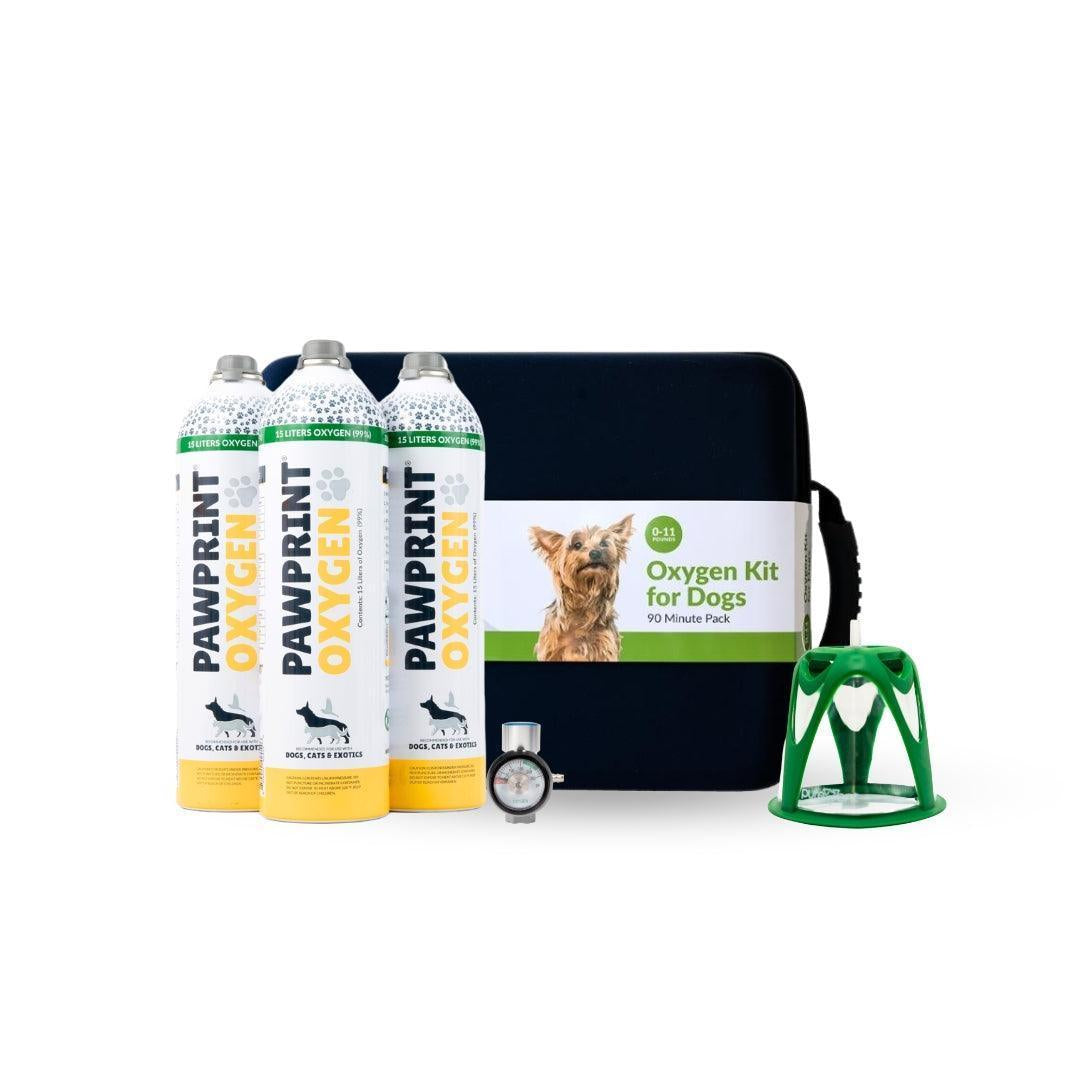
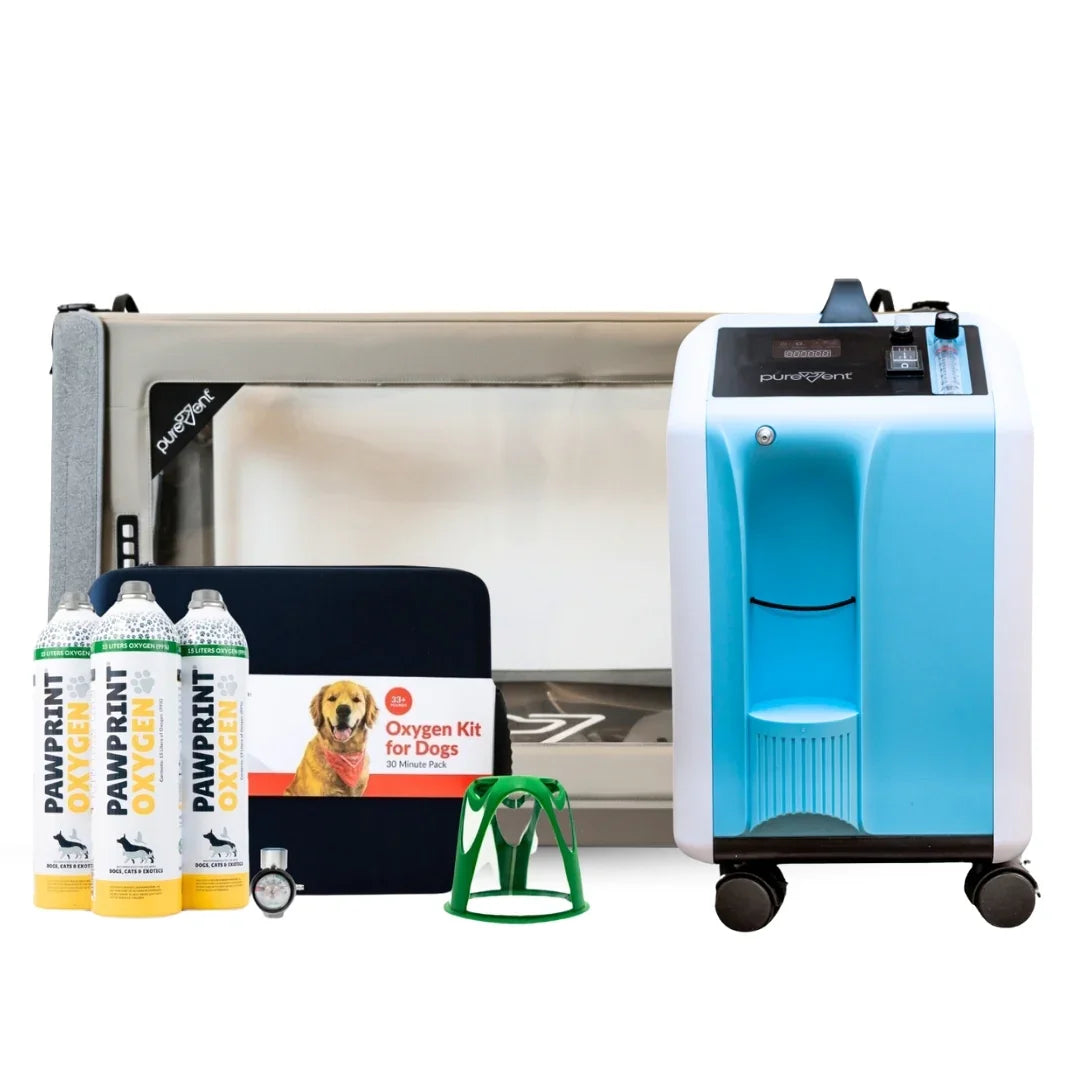
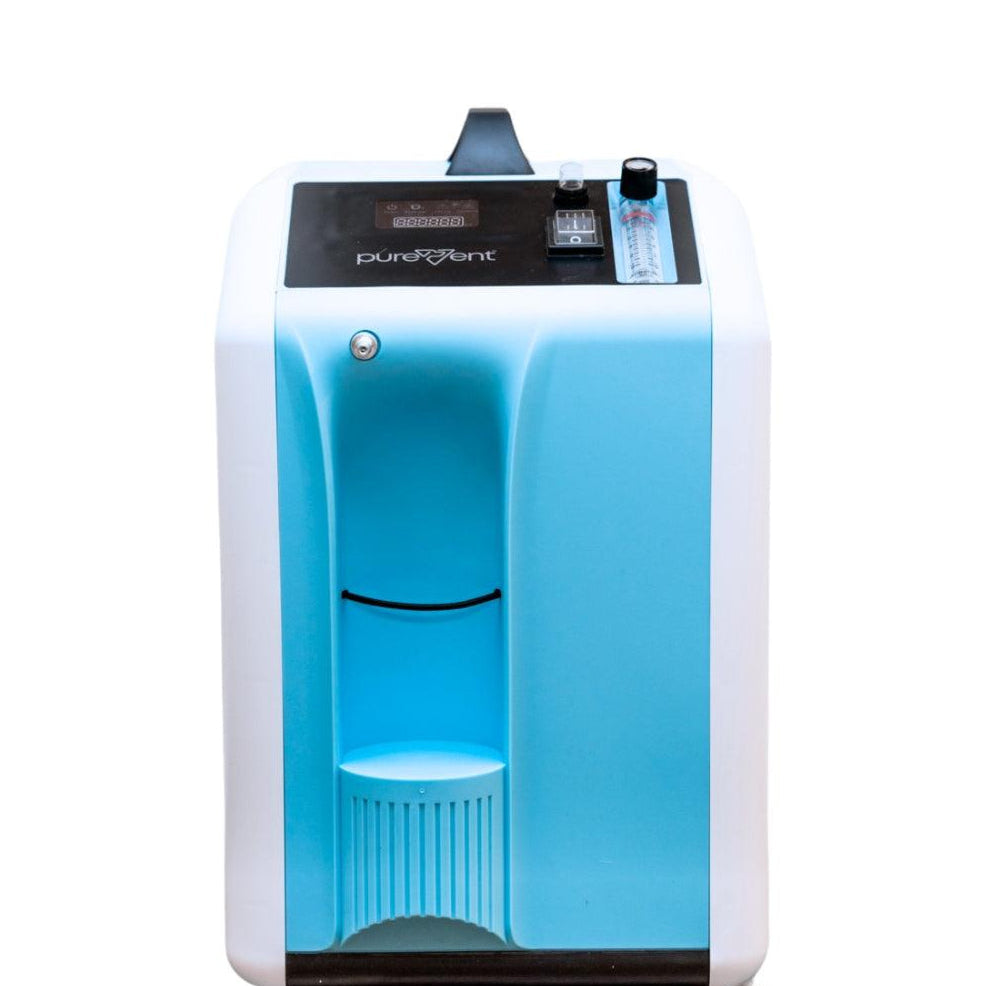
Supplemental oxygen can support your dog's breathing during a flare-up while your veterinarian manages the heart failure itself. For small dogs recovering at home after a CHF episode, our Extended Oxygen Therapy Bundle for Small Pets pairs an oxygen chamber with a concentrator, and the concentrator requires a prescription from your vet.
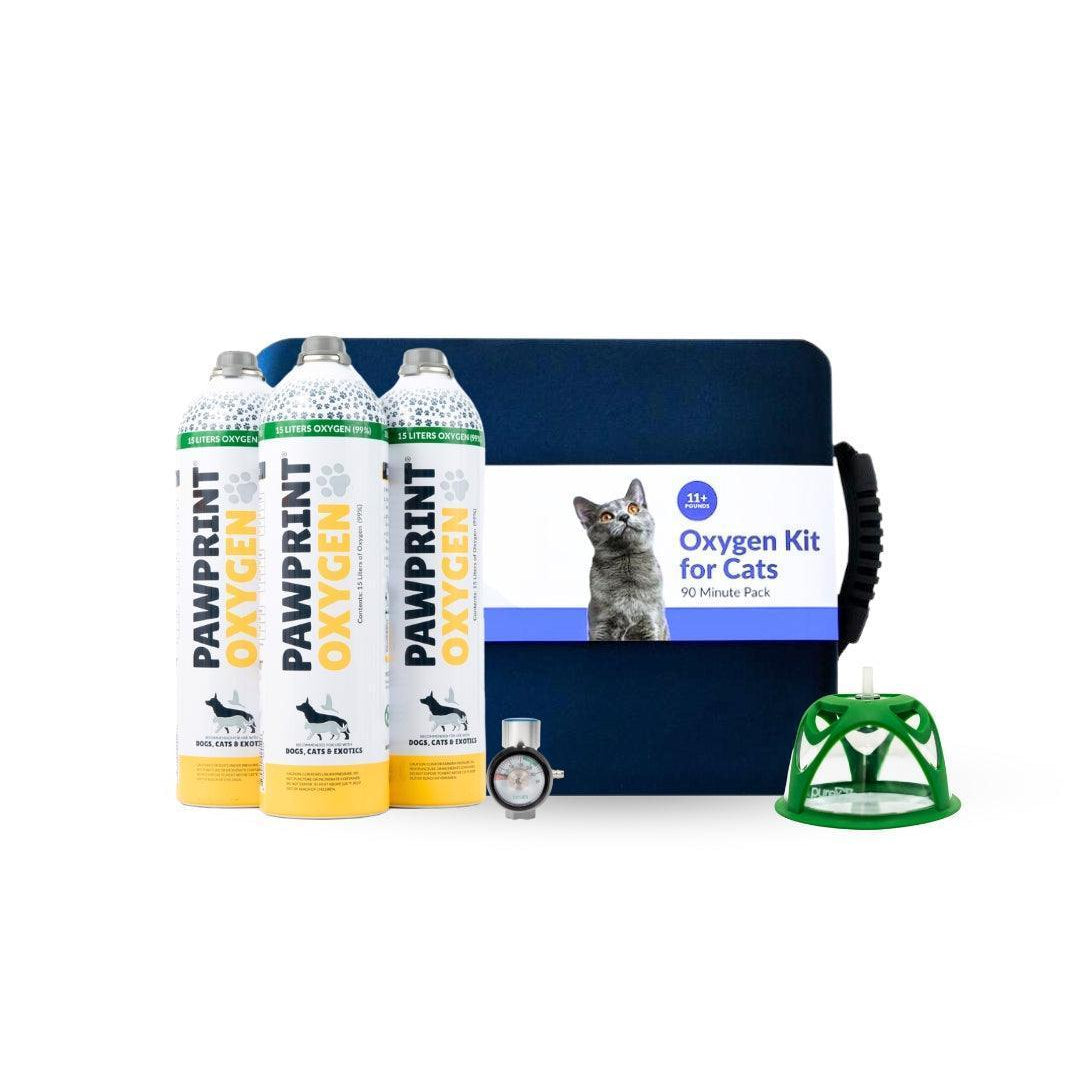
Our other oxygen bundles cover larger dogs and different setups, all used under your veterinarian's direction.

Questions to Bring to Your Dog's Next Heart Recheck
CoQ10 gets absorbed and was well tolerated in the dog heart trials, but it hasn't yet been shown to improve heart measurements, cardiac blood markers, or quality of life. That's solid ground for a conversation with your vet. Questions to ask:
Would CoQ10 make sense for my dog, and would it interact with anything they take?
If it does make sense, how much, in which form, and as a single ingredient or part of a combined formula?
What sleeping breathing rate should prompt a call to you?
When should we schedule the next echocardiogram or recheck?
Bring a week of your dog's sleeping breathing counts along with those questions, and your vet will have real numbers to work from.