When your dog collapses after a backyard fire, when your cat goes into respiratory distress on a hot summer evening, or when a brachycephalic breed like a Bulldog or Pug suddenly can't catch their breath, every second matters. By the time you reach the emergency vet, the outcome may already be decided. That is the gap the Rescue Oxygen Kit was built to close: a compact, easy-to-use rescue oxygen kit that puts professional-grade emergency oxygen in your hands at home, in your vehicle, or on the truck of a first responder.
In this guide, we'll walk through what the Rescue Oxygen Kit is, how it works, the emergencies it's designed for, and why veterinary professionals consistently rank supplemental oxygen as one of the single most impactful interventions in a pet medical crisis.
Table of Contents

What Is the Rescue Oxygen Kit?
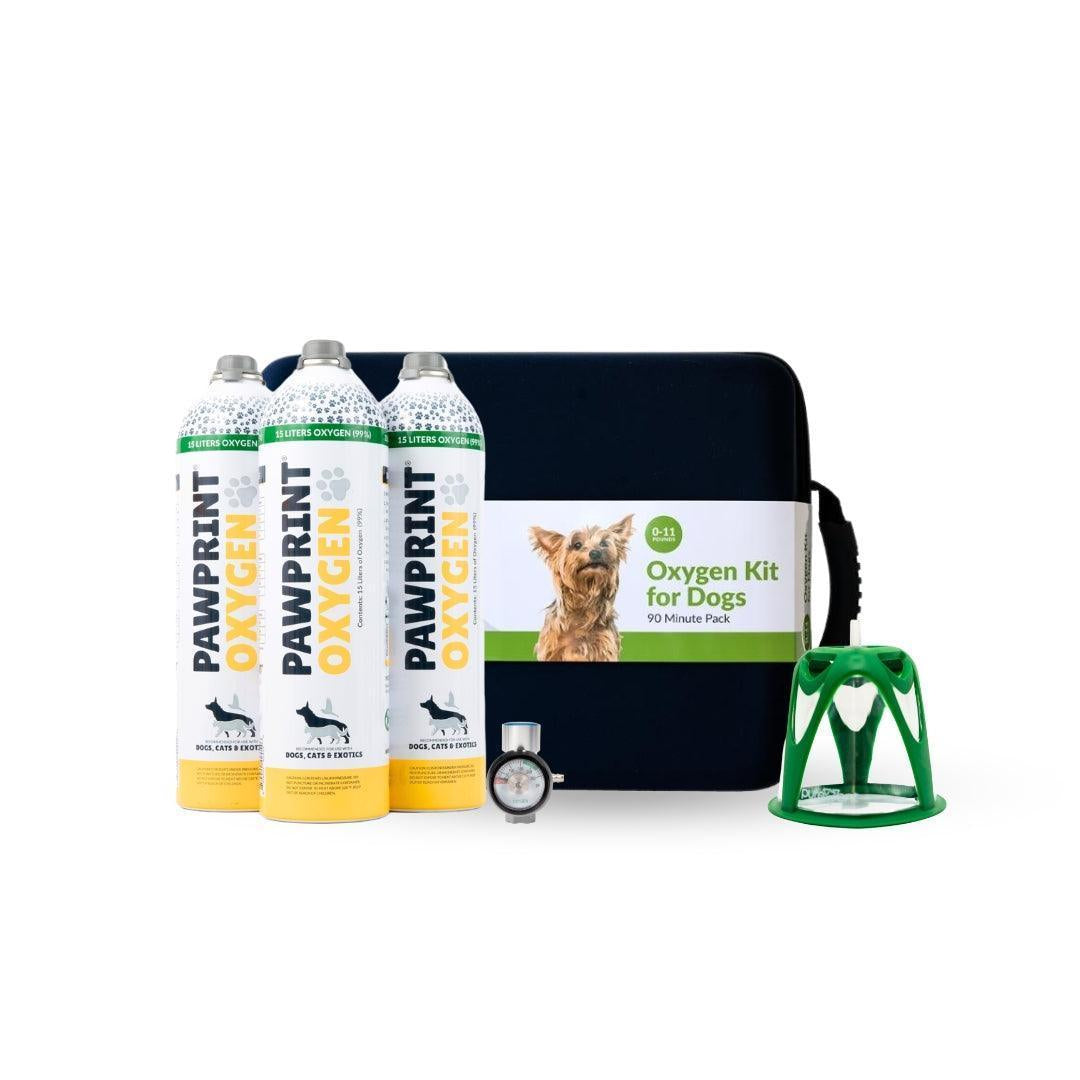
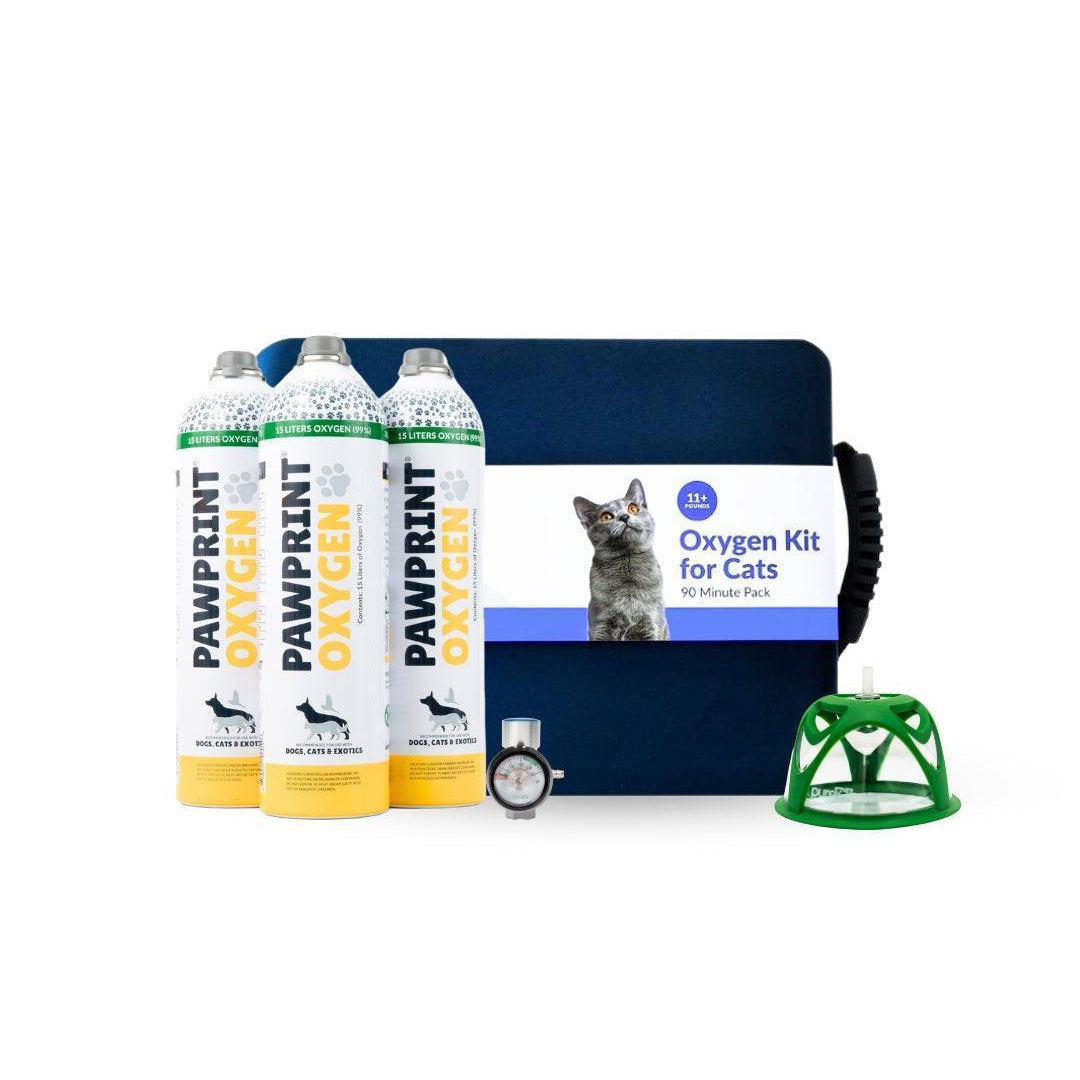
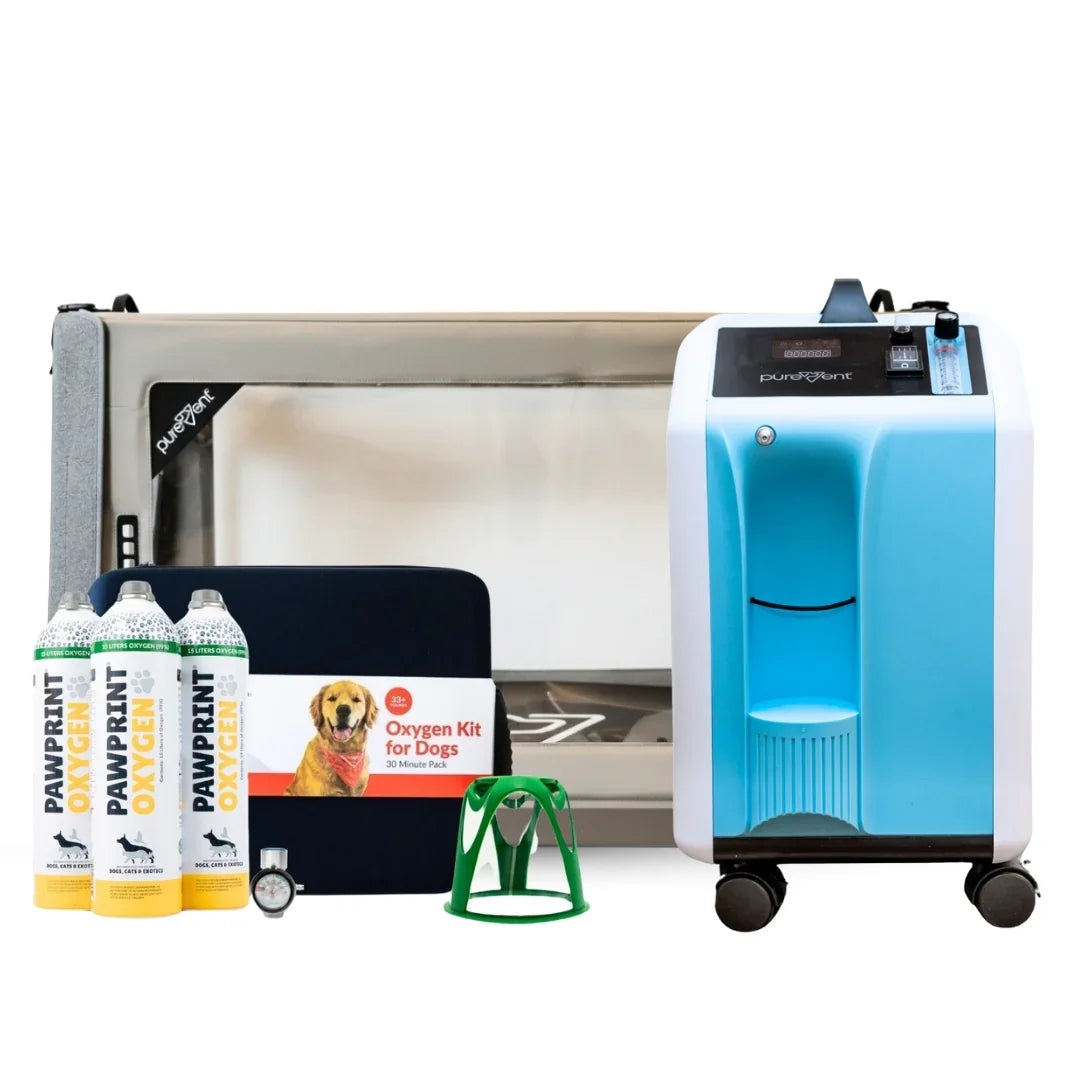
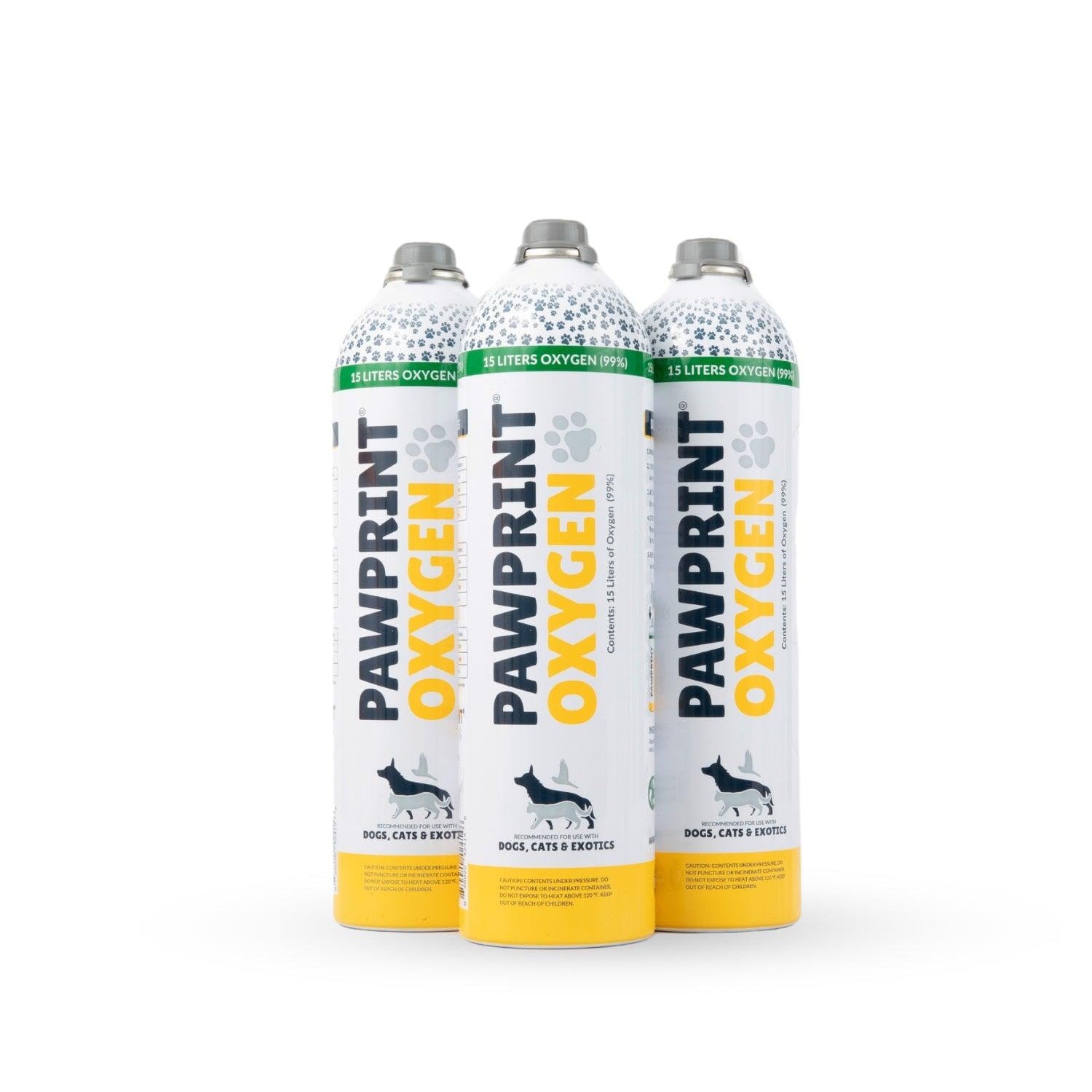
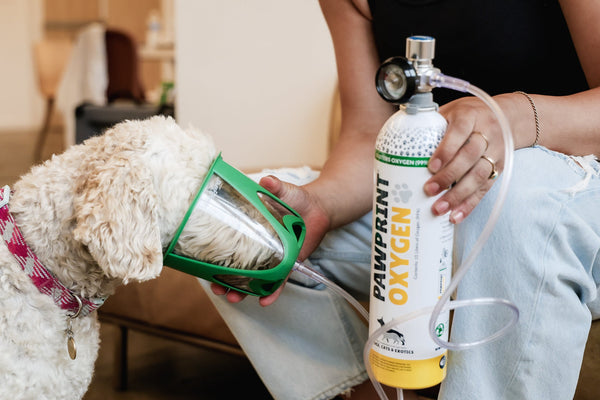
The Rescue Oxygen Kit is Pawprint Oxygen's at-home pet oxygen kit, engineered specifically for dogs, cats, and small companion animals. Unlike improvised human oxygen masks, which leak around a pet's snout and waste oxygen, the Rescue Oxygen Kit includes a species-appropriate pet oxygen mask, a calibrated regulator, and lightweight oxygen canisters. Everything comes in a single grab-and-go case so the kit is exactly what its name promises: ready for rescue.
The kit is designed for non-medical users. You don't need to be a veterinarian or an EMT to operate it. If you can attach a garden hose, you can deliver oxygen with the Rescue Oxygen Kit.
Why Pet Oxygen Is the Most Underrated Tool in Pet First Aid
Most pet first aid kits stop at gauze, antiseptic, and a thermometer. That's useful for a torn pad or a tick bite, but the emergencies that actually take pets' lives are almost always respiratory or cardiovascular. According to the American Veterinary Medical Association, the leading causes of unexpected pet death include:
- Smoke inhalation during house fires
- Cardiac arrest secondary to heat stroke or trauma
- Respiratory distress from collapsing trachea, laryngeal paralysis, or congestive heart failure
- Anaphylactic reactions to insect stings or vaccines
- Drowning and near-drowning incidents
Every one of those conditions has the same first-line treatment in a veterinary ER: supplemental oxygen. Getting oxygen into your pet within the first five minutes can dramatically increase survival odds and reduce the brain and organ damage caused by hypoxia. The Rescue Oxygen Kit exists to give pet owners the tools to help their pets during that crucial five-minute period.
What's Inside the Rescue Oxygen Kit
Each Rescue Oxygen Kit ships with everything needed to deliver oxygen safely on the spot:
Medical-grade aluminum oxygen canisters (lightweight and travel-friendly)
A fitted pet oxygen mask sized for your pet, with a soft seal that fits snouts ranging from cats and puppies to flat-faced breeds and long-muzzled Shepherds
A calibrated flow regulator preset to safe pet flow rates
Oxygen tubing that is durable and easy to connect
A durable EVA carrying case to ensure you have everything you need when you run out the door
A laminated quick-start guide with step-by-step instructions for the most common pet emergencies
Every component is selected for reliability under stress. When your hands are shaking, you don't want to be reading a long, complicated manual.
Common Emergencies Where the Rescue Oxygen Kit Makes the Difference
1. House Fires and Smoke Inhalation
Roughly 40,000 pets die in residential fires each year in the United States, according to the National Fire Protection Association. The majority don't die from burns; they die from smoke inhalation. Carbon monoxide displaces oxygen on hemoglobin, and pets, with their faster respiratory rates, decline quickly. Administering oxygen the moment a pet is pulled from a structure flushes carbon monoxide and stabilizes the animal until veterinary care begins. This is why fire departments across the country now carry pet oxygen masks on their trucks, and why the Rescue Oxygen Kit is increasingly standard equipment on volunteer fire crews.
2. Heat Stroke
Dogs and cats cool themselves primarily by panting. Once their core temperature climbs past 105°F, their respiratory system can't keep up, and the cascade toward organ failure begins fast. Cool water helps the body, but oxygen helps the cells. Pairing active cooling with supplemental oxygen significantly improves recovery odds in heatstroke cases.
3. Brachycephalic Breeds in Distress
Bulldogs, French Bulldogs, Pugs, Boxers, Boston Terriers, Persian cats, and other flat-faced breeds are anatomically prone to airway collapse, especially in hot weather or after exertion. Pet owners of brachycephalic breeds often describe the terrifying experience of watching their dog turn blue around the gums. A few minutes on the Rescue Oxygen Kit's oxygen can be the difference between a scary episode and an irreversible event.
4. Post-Surgical Recovery
Veterinarians are increasingly recommending at-home oxygen for senior pets recovering from anesthesia, pets with congestive heart failure, and pets undergoing chemotherapy. The Rescue Oxygen Kit gives owners a doctor-recommended tool to support recovery without daily clinic visits.
5. Allergic Reactions and Anaphylaxis
A bee sting, an unexpected vaccine reaction, or exposure to a new food allergen can swell the airway in minutes. Oxygen buys you time on the drive to the emergency clinic.

Who Should Own a Rescue Oxygen Kit?
Pet owners with senior pets: Older dogs and cats are far more likely to experience cardiac and respiratory events. Having oxygen at home is the same reasoning behind keeping a defibrillator near a senior family member.
Owners of brachycephalic breeds: If you live with a Frenchie, Pug, Bulldog, or Persian, your pet is statistically at higher risk for a respiratory event, and the Rescue Oxygen Kit is one of the most important purchases you can make.
Multi-pet households and rescues: The more pets under one roof, the higher the cumulative probability of an emergency. Foster homes and breed-specific rescue groups consistently report the Rescue Oxygen Kit paying for itself within the first year.
First responders and fire departments: The Rescue Oxygen Kit meets the equipment standards used by departments that have adopted pet rescue protocols. Many municipalities now equip every engine with one.
Veterinary mobile and house-call practitioners: For the growing number of vets running mobile practices, a portable oxygen kit is no longer optional.
RV travelers, boaters, and rural pet owners: Anyone whose nearest emergency vet is more than fifteen minutes away should treat oxygen as core safety equipment.
How to Use the Rescue Oxygen Kit in an Emergency
The full quick-start guide ships with every kit, but the basic sequence is simple:
1. Stay calm and move your pet to a safe area. If smoke or fumes are involved, get to fresh air first.
2. Open the case and connect the oxygen tubing to the oxygen mask. Connect the opposite end of the tubing to the silver barb on the regulator.
3. Connect the regulator to the top of the canister, push down gently, and twist clockwise. When you feel it 'click' into place, the oxygen will begin flowing.
4. Place the mask gently over your pet's snout with the soft seal against the muzzle. Don't fight a struggling pet; even oxygen "blow-by" near the face delivers significant benefit.
5. Watch their gum color and breathing rate. Pink gums and slowed, deeper breaths are good signs.
6. Call your veterinarian or animal ER immediately and continue oxygen during transport.
Practicing once or twice with your pet, on a calm afternoon, makes the real moment dramatically easier. Many owners say their dog actually came to associate the mask with positive attention and treats.
Is Pet Oxygen Safe to Have at Home?
Yes, when delivered through a regulator calibrated for veterinary flow rates, supplemental oxygen is one of the safest interventions in emergency care. The Rescue Oxygen Kit ships with a fixed regulator specifically so non-medical owners can't accidentally deliver too much. As long as the kit is stored away from open flame and extreme heat, the same common-sense rules you'd apply to an aerosol canister, the Rescue Oxygen Kit is safe to keep in a closet, garage, or vehicle.
How the Rescue Oxygen Kit Compares to Improvised Solutions
Pet owners sometimes ask whether they can use a human CPAP mask, a leftover medical oxygen tank, or a portable concentrator. The short answer:
- Human masks don't fit on an animal's snout. Most of the oxygen escapes into the room.
- Industrial oxygen and welding O2 are not medical grade and contain impurities that can harm small lungs.
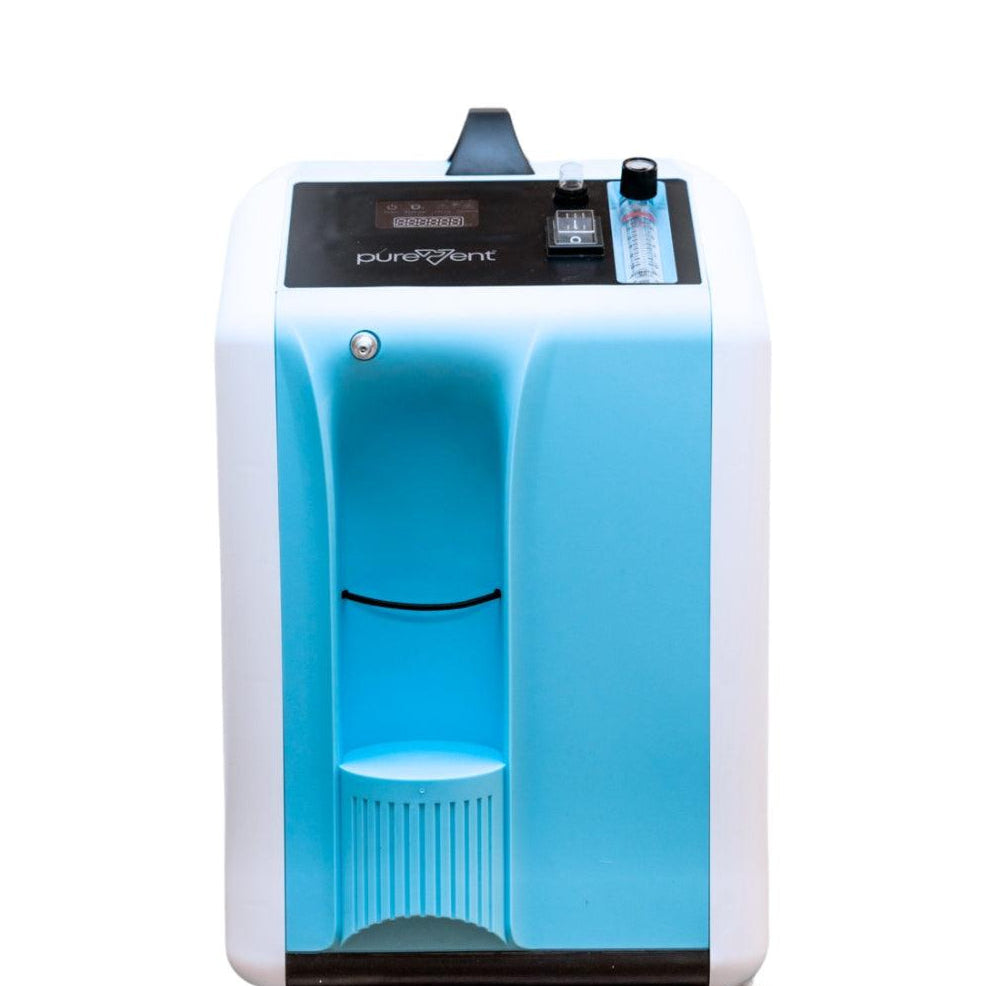
- Portable concentrators don't provide a constant flow of oxygen. Portable concentrators can only supply a "pulse dose" of oxygen, which only works for humans. Pets need "continuous flow" oxygen, which the rescue oxygen kit provides.
A purpose-built pet oxygen kit like the Rescue Oxygen Kit solves all three problems with one grab-and-go case.
Frequently Asked Questions About the Rescue Oxygen Kit
How long does the oxygen cylinder last?
A standard Rescue Oxygen Kit cylinder delivers between 30 and 90 minutes of continuous flow, depending on your pet's recommended flow rate. 30-90 minutes is more than enough to stabilize a pet and reach veterinary care in most cases. Replacement canisters are available through Pawprint Oxygen, and the empty canisters can be recycled.
Does the mask fit my breed?
Rescue Oxygen Kit masks are sized to fit the vast majority of dogs and cats, from a Maine Coon to a Great Dane. If you have a particularly small or particularly large pet, our team can recommend the right mask size at checkout.
Do I need a prescription?
No. The Rescue Oxygen Kit is sold over-the-counter for emergency preparedness use, similar to a first aid kit.
How long does the kit last on the shelf?
The kits have a shelf life of 2 years. However, if properly stored in a cool, dry environment, the canisters can retain pressure for years past the expiration date. We recommend a quick monthly check of the flow regulator gauge to ensure your canisters are still sealed and under pressure past the 2-year mark.
What's the warranty?
Every Rescue Oxygen Kit is covered by Pawprint Oxygen's high-quality standards. If your kit ever fails to perform as described, please reach out to our Customer Service team at 855-699-4366. We're available from 9am-5pm EST Monday through Friday.

The Bottom Line: Don't Wait Until You Need It
The pet owners who tell us their Rescue Oxygen Kit experience almost always say the same thing: "I bought it months ago and forgot about it until the night I needed it." That's exactly the point. Emergency preparedness isn't a product you use every day. It's the product you're profoundly grateful to own on the day everything goes wrong.
If you've ever rushed a pet to the emergency vet, you already know what that drive feels like. The Rescue Oxygen Kit turns those minutes from helpless to actionable.
Ready to Protect Your Pet?
Order your Rescue Oxygen Kit today at Pawprintoxygen.com and join the thousands of pet owners, veterinarians, and first responders who trust Pawprint Oxygen to keep their animals breathing through the worst moments and into the next chapter of life with their family.
This article is for educational purposes and is not a substitute for professional veterinary care. In any pet emergency, contact your veterinarian or nearest 24-hour animal hospital immediately.
Related Reading
Keep building your pet emergency plan with these guides: