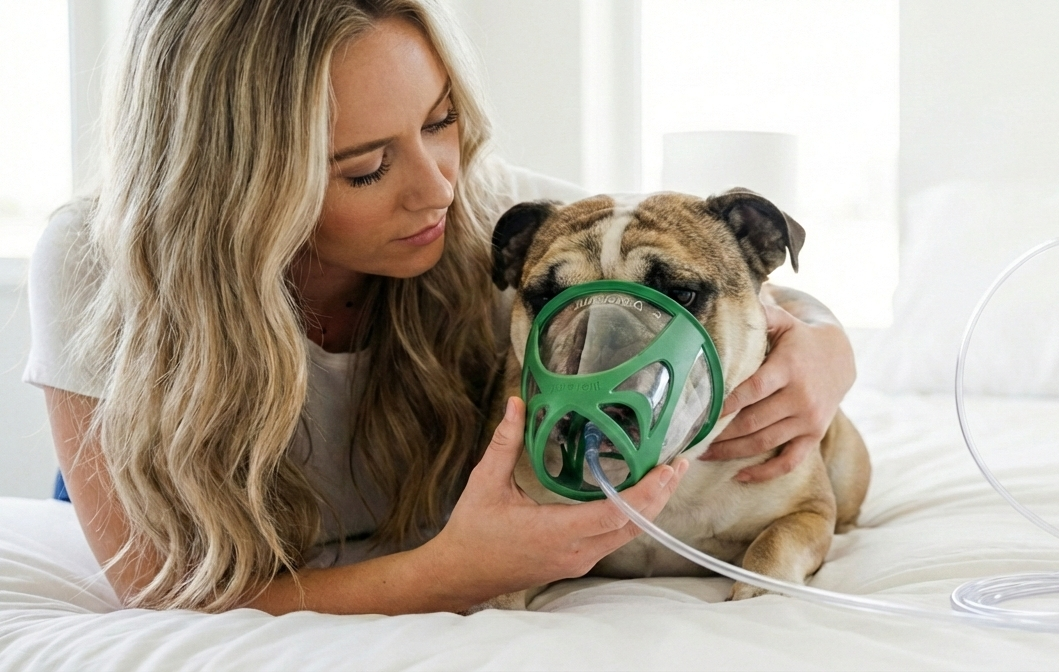
Flat faced dogs like Pugs, Bulldogs, and French Bulldogs are prone to respiratory distress due to their airway structure. Recognizing early warning signs and preventing triggers can help reduce risk, but emergencies can still occur. Oxygen support, such as portable kits or concentrators, can provide critical relief during respiratory distress episodes and help stabilize your pet.
Table of Contents
Flat faced dog breeds, also known as brachycephalic breeds, including Pugs, Bulldogs, and French Bulldogs, are beloved for their unique appearance and personalities. However, their shortened skull structure also makes them especially prone to brachycephalic breathing problems, which can range from mild snoring to life-threatening respiratory distress.
Because these issues can escalate quickly, it’s critical for pet owners to recognize early warning signs and understand how to respond. In this guide, we’ll break down why respiratory distress in flat faced dogs occurs, how to prevent emergencies, and when oxygen support, such as Pawprint Oxygen, may be needed to help stabilize your pet.

Why Brachycephalic Breeds Struggle to Breathe
Brachycephalic breeds are dogs with shortened skulls and compressed facial structures. While their appearance is distinctive, it often comes with significant airway limitations.
Many of these dogs suffer from BOAS (Brachycephalic Obstructive Airway Syndrome), a condition that restricts airflow and makes breathing more difficult, especially during heat, exercise, or stress.
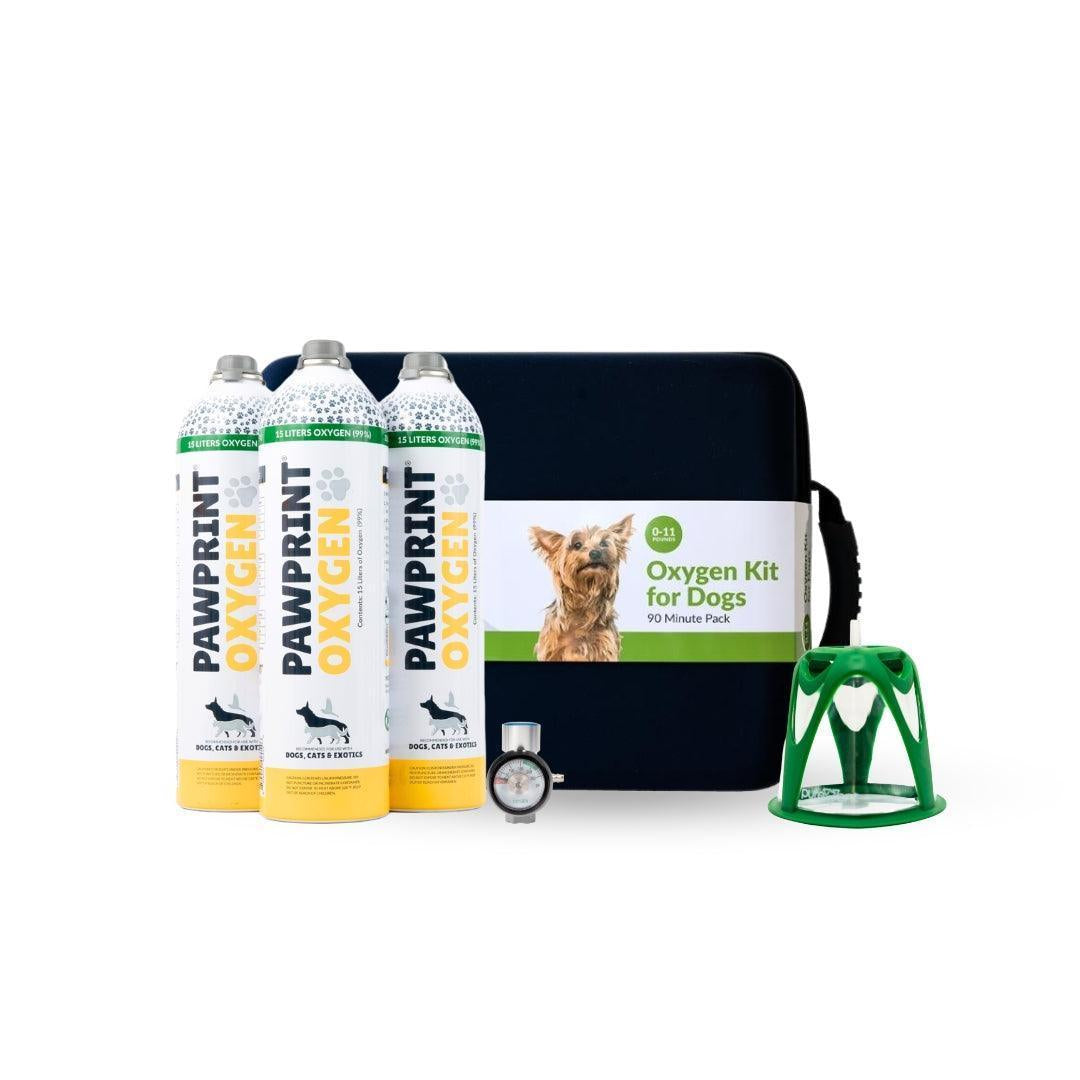
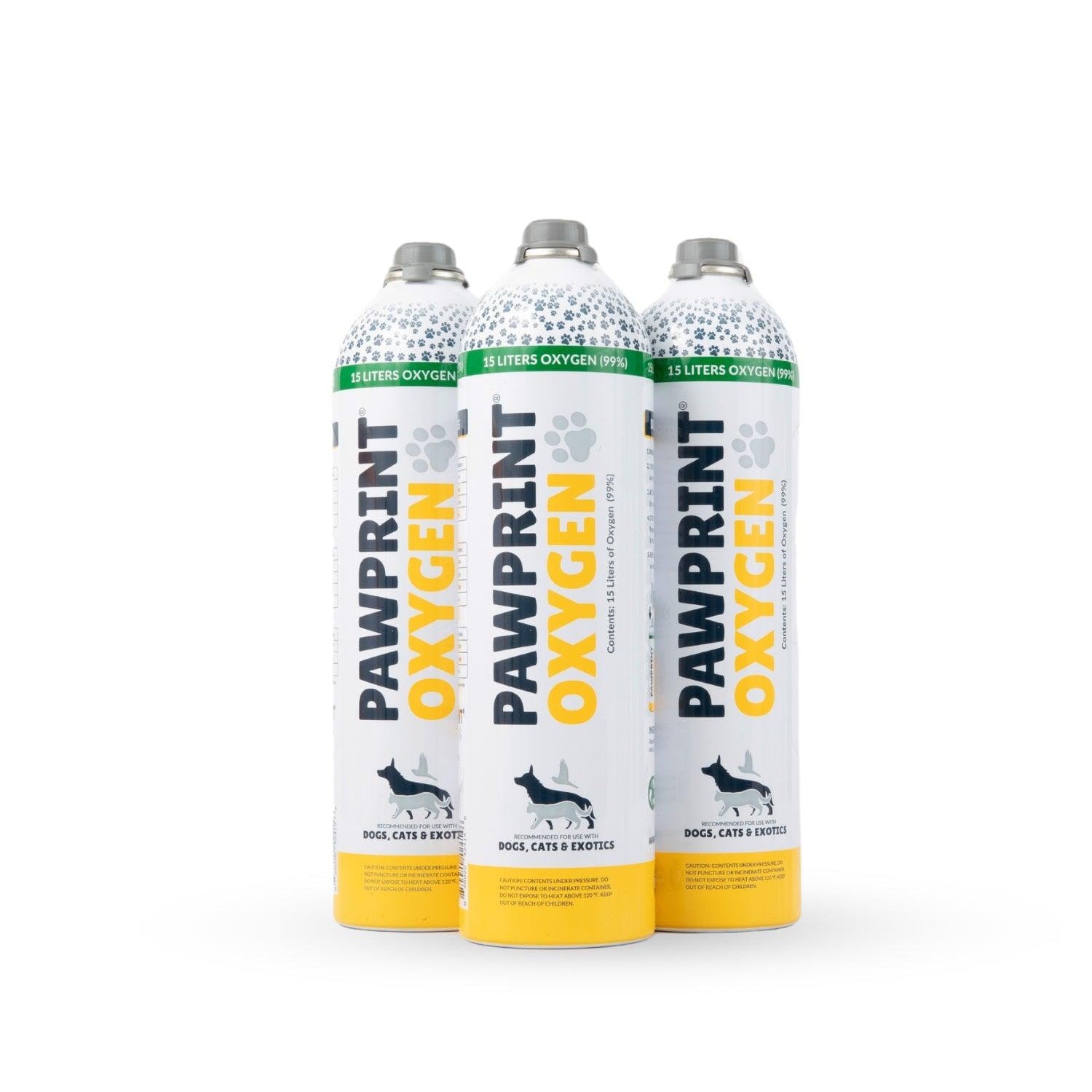
The Portable Oxygen Kit for Dogs can provide immediate respiratory support for brachycephalic breeds during episodes of breathing distress.
By delivering supplemental oxygen, it helps improve oxygen levels when airway obstruction limits normal airflow, making it easier for your dog to breathe. This can be especially valuable during emergencies or transport, helping stabilize your pet while you seek veterinary care.
Common structural challenges include:
- Narrow nostrils (stenotic nares) that limit airflow
- An elongated soft palate that partially blocks the airway
- General airway obstruction leading to restricted oxygen intake
These anatomical traits are the root cause of many flat faced dog respiratory issues. Even normal activities like walking or getting excited can lead to increased effort to breathe, putting these dogs at a higher risk of respiratory compromise.

Common Signs of Respiratory Distress in Flat Faced Dogs
Recognizing the signs of distress early can make a critical difference. Symptoms can progress quickly, so knowing what to look for is essential.
Early Warning Signs:
- Loud breathing, snorting, or snoring
- Heavy breathing after minimal activity
- Frequent panting, even while resting
- Reduced stamina or reluctance to exercise
Emergency Signs
- Labored or open-mouth breathing
- Blue or pale gums (a sign of low oxygen levels)
- Collapse, weakness, or inability to stand
- Signs of overheating (flat faced dog overheating)
If you notice emergency symptoms, your pet requires immediate attention. These situations can escalate rapidly and should never be ignored.
How to Prevent a Respiratory Crisis
While you can’t change your dog’s anatomy, you can take steps to reduce the likelihood of a respiratory emergency.
Prevention Tips
- Avoid heat and humidity, which are major triggers for pug breathing problems
- Limit strenuous exercise, especially during warm weather
- Maintain a healthy weight to reduce strain on the airway
- Use a harness instead of a collar to avoid pressure on the throat
- Keep your dog calm during high-stress or high-excitement situations
Preventative care is extremely important, but it’s equally important to understand that even well-managed dogs can still experience breathing episodes.
When Oxygen Support Is Needed for Respiratory Distress
In cases of respiratory distress, oxygen therapy can play a critical role in stabilizing your pet while you seek veterinary care.
Situations Where Oxygen Can Help
- During acute bulldog respiratory distress episodes
- While transporting your pet to a veterinary clinic or emergency room
- After surgery or during recovery
- During flare-ups of chronic airway disease
Oxygen therapy works by increasing the amount of oxygen available to your pet, helping compensate for restricted airflow. This can:
- Support compromised airways
- Improve oxygen levels in the bloodstream
- Buy critical time in emergency situations
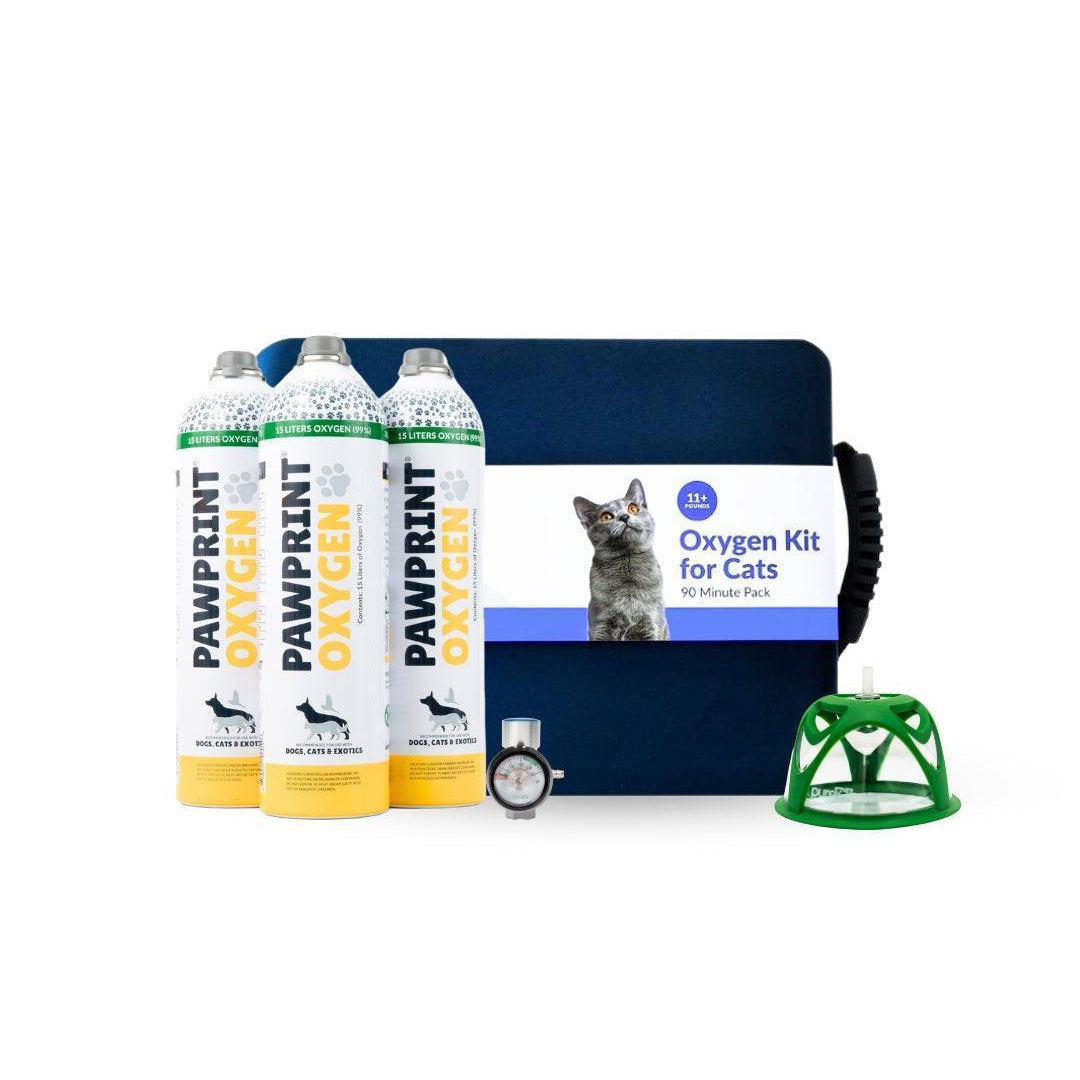
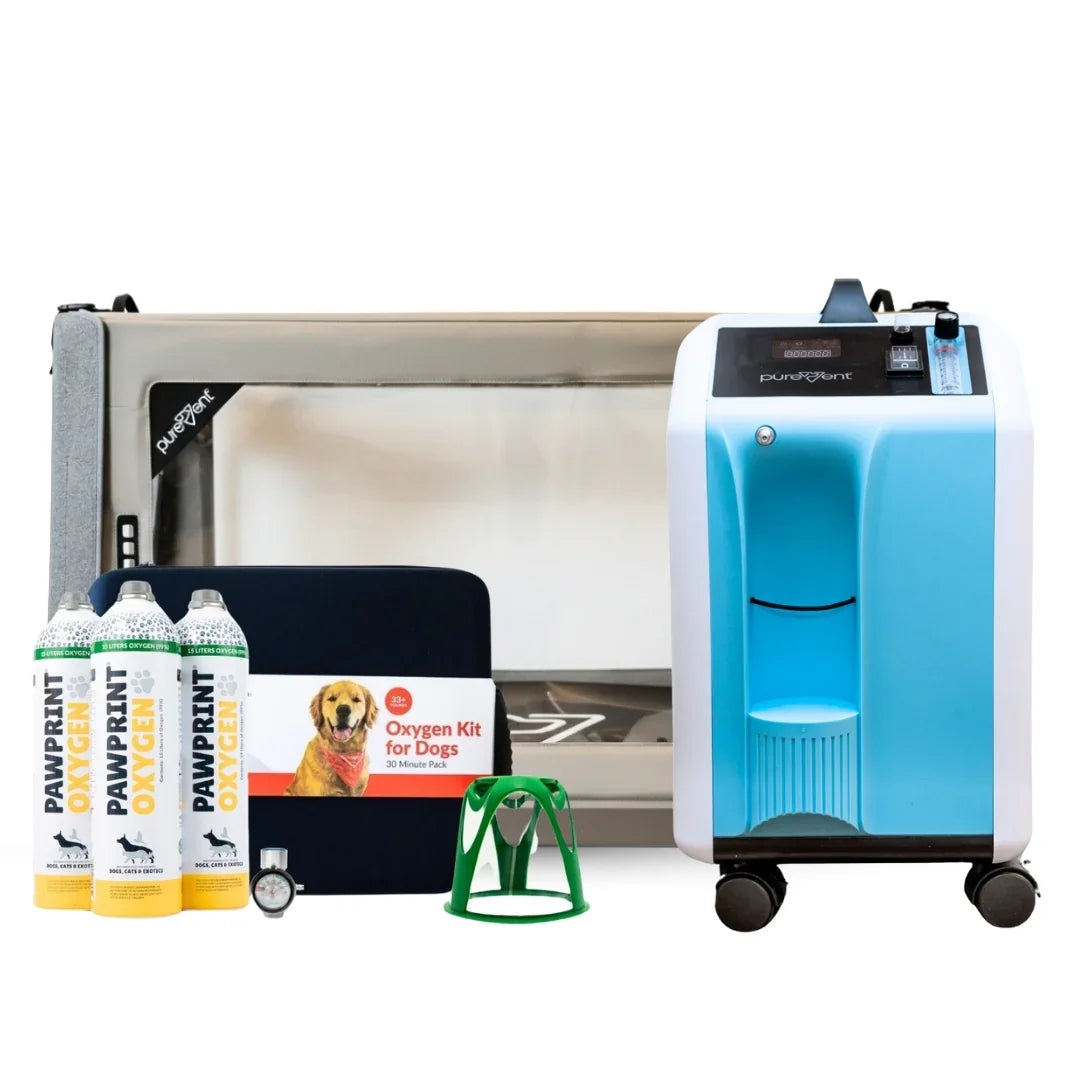
Pawprint Oxygen provides solutions designed specifically for these scenarios. Their portable oxygen kits are lightweight, easy to use, and ideal for emergencies or transport, allowing you to deliver oxygen immediately when your pet needs it most.
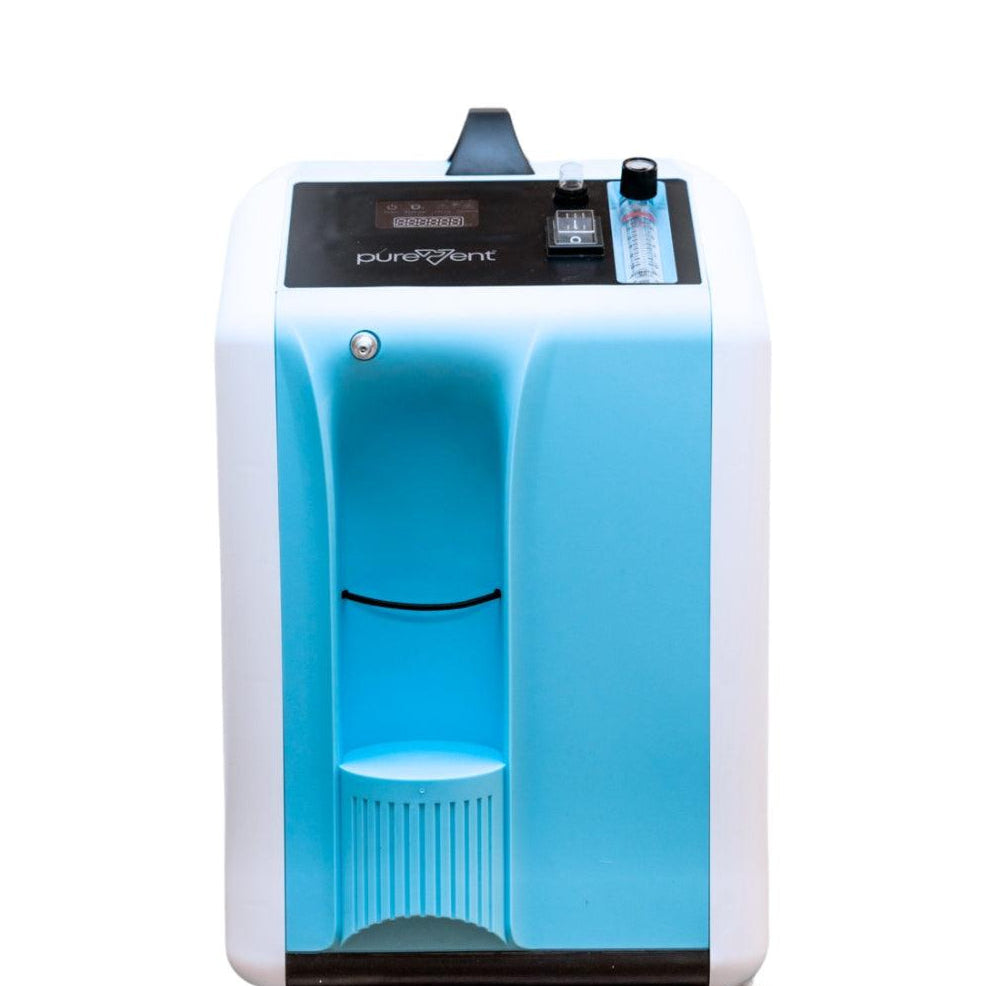
For pets requiring ongoing support, a Pawprint Oxygen concentrator paired with a chamber or pet oxygen mask can provide continuous oxygen therapy at home under veterinary guidance.

Long-Term Care for Flat Faced Dogs
Managing brachycephalic breathing problems is an ongoing process. With the right approach, many dogs can live comfortable and happy lives.
Are brachycephalic respiratory problems normal or dangerous?
Brachycephalic respiratory problems are common in flat-faced breeds, but they are not harmless. While mild symptoms like snoring may seem normal, they can indicate underlying airway obstruction that can worsen over time. In more severe cases, these issues can become dangerous and lead to respiratory distress, especially during heat, exercise, or stress.
How can I tell if my dog’s breathing is getting worse over time?
You may notice your dog’s breathing is getting worse if symptoms become more frequent, more intense, or occur with less activity than before. Signs like increased panting at rest, louder breathing, longer recovery after exercise, or new episodes of respiratory distress can all indicate progression. If these changes are happening, it’s important to consult your veterinarian, as worsening airway obstruction can lead to serious respiratory distress.
What are the early signs of respiratory distress in flat faced dogs?
Early signs of respiratory distress in flat faced dogs can be subtle but often indicate increasing airway obstruction and should be monitored closely. Common early signs include:
- Loud breathing, snorting, or excessive snoring
- Heavy or rapid breathing after mild activity
- Frequent panting, even at rest
- Reduced stamina or reluctance to exercise
How can I help my dog during a respiratory emergency before reaching the vet?
If your dog is experiencing a respiratory emergency, keep them calm, cool, and minimize any stress or movement while preparing to go to the nearest veterinary clinic immediately. If available, administer oxygen using a portable oxygen kit to help improve oxygen levels during transport. Do not delay seeking emergency care as oxygen can help stabilize your pet, but veterinary treatment is critical.
Ongoing Management Strategies
- Schedule regular veterinary checkups to monitor airway health
- Watch for worsening BOAS symptoms over time
- Consider surgical intervention in severe cases
- Maintain a cool, well-ventilated environment at home
- Limit exposure to heat, humidity, and stress
For some pets, oxygen therapy may also become part of a long-term care plan, particularly for those with chronic respiratory compromise. Having access to oxygen at home can provide peace of mind and an added layer of safety.
How to Help a Pug (or Other Flat Faced Dog) Breathe Better
If your dog struggles with breathing, there are several practical steps you can take to support them day-to-day.
Helpful Tips for Better Breathing
- Keep your dog cool and avoid overheating
- Watch closely for early warning signs of distress
- Reduce stress and avoid overexertion
- Have emergency oxygen readily available
- Work closely with your veterinarian to manage symptoms
Being prepared is one of the most important things you can do. Many pet owners keep a portable oxygen kit for pets on hand so they can act quickly if symptoms worsen.

Giving Your Flat Faced Dog the Best Care Possible
Flat faced dogs are at a significantly higher risk for breathing difficulties due to their unique airway structure. Understanding these risks, and how to respond, is essential for keeping your pet safe. While prevention plays a key role, emergencies can still happen. In those moments, oxygen support can be a crucial tool, helping stabilize your pet until professional care is available. By staying informed, working with your veterinarian, and preparing with the right tools, you can take proactive steps to protect your pet and give them the support they need when it matters most.