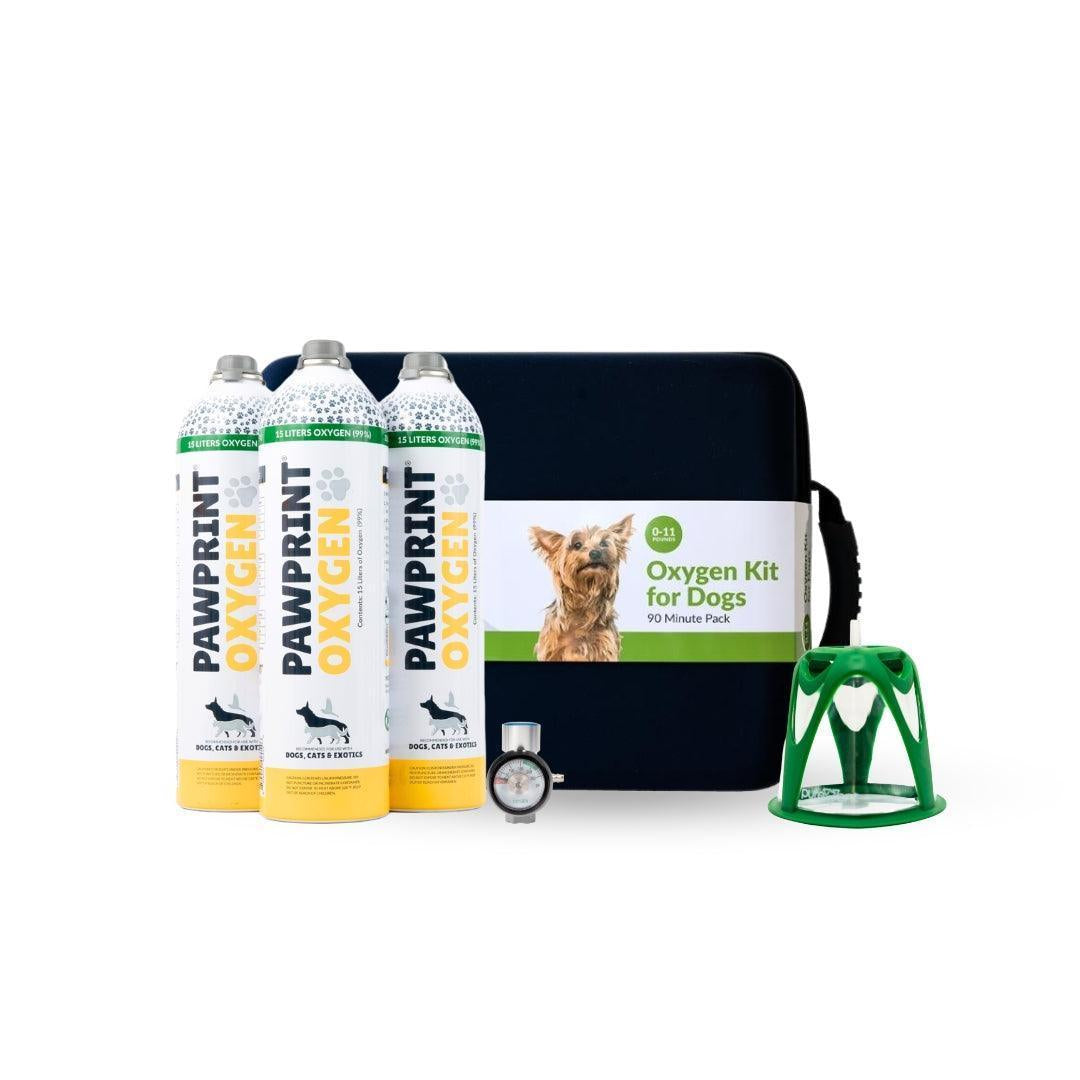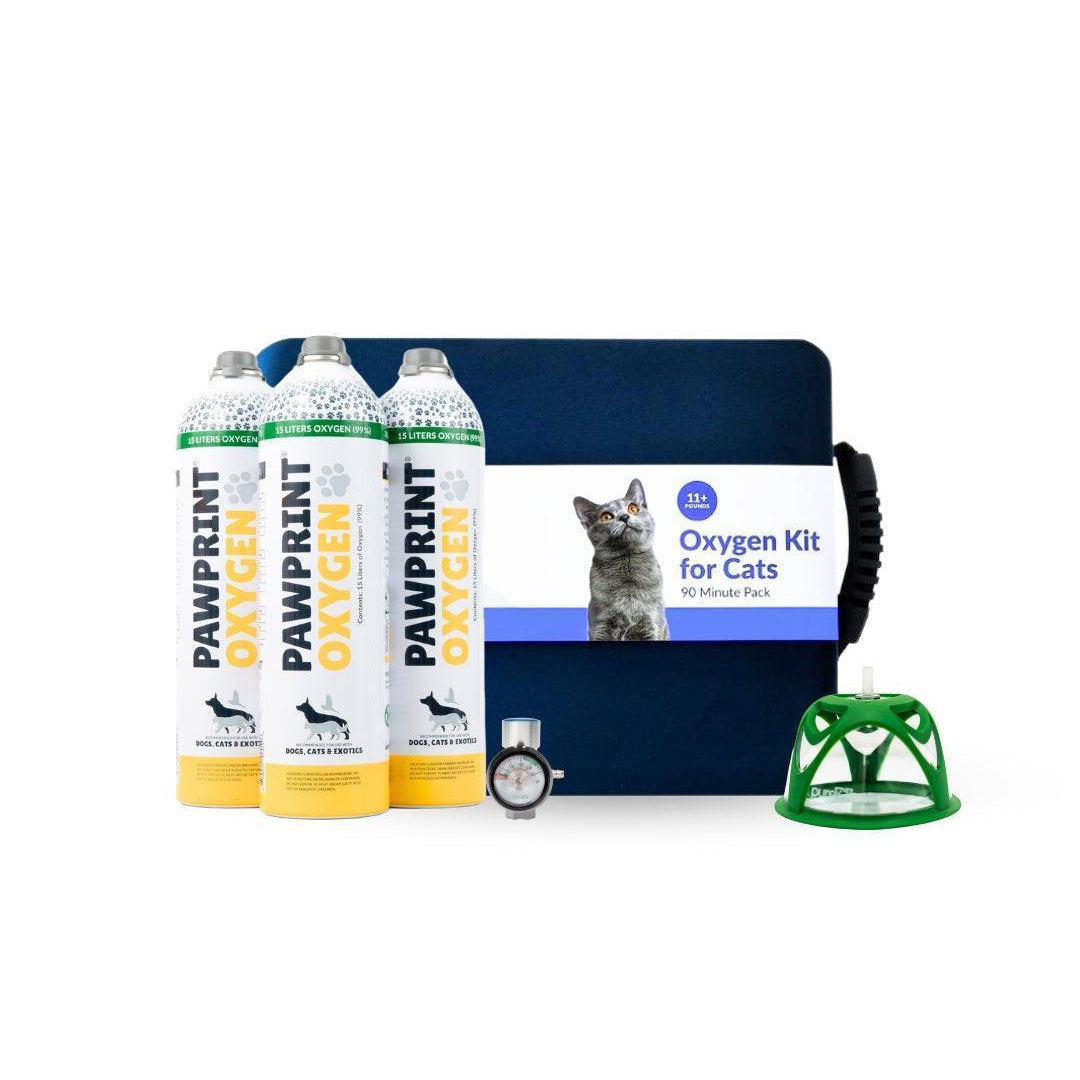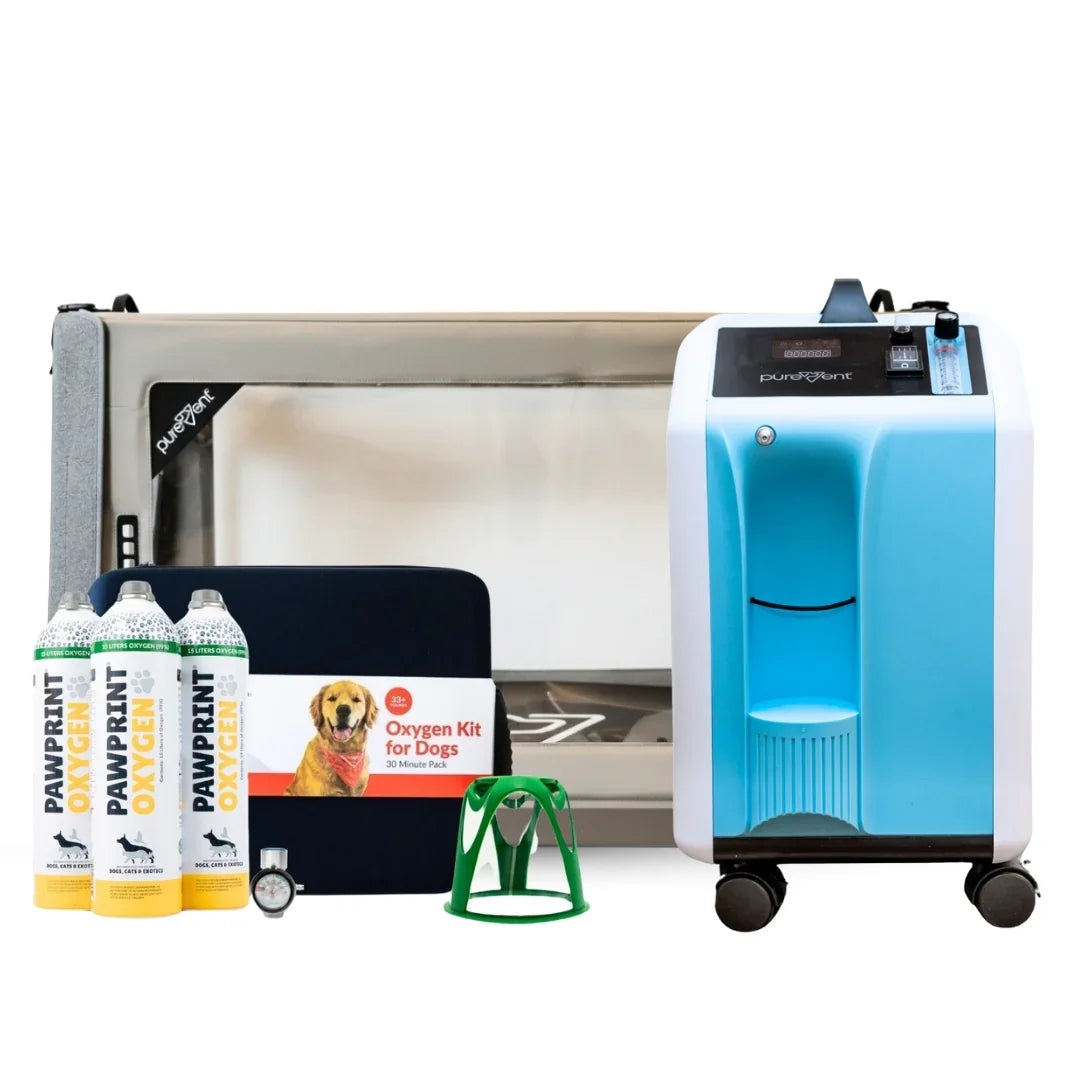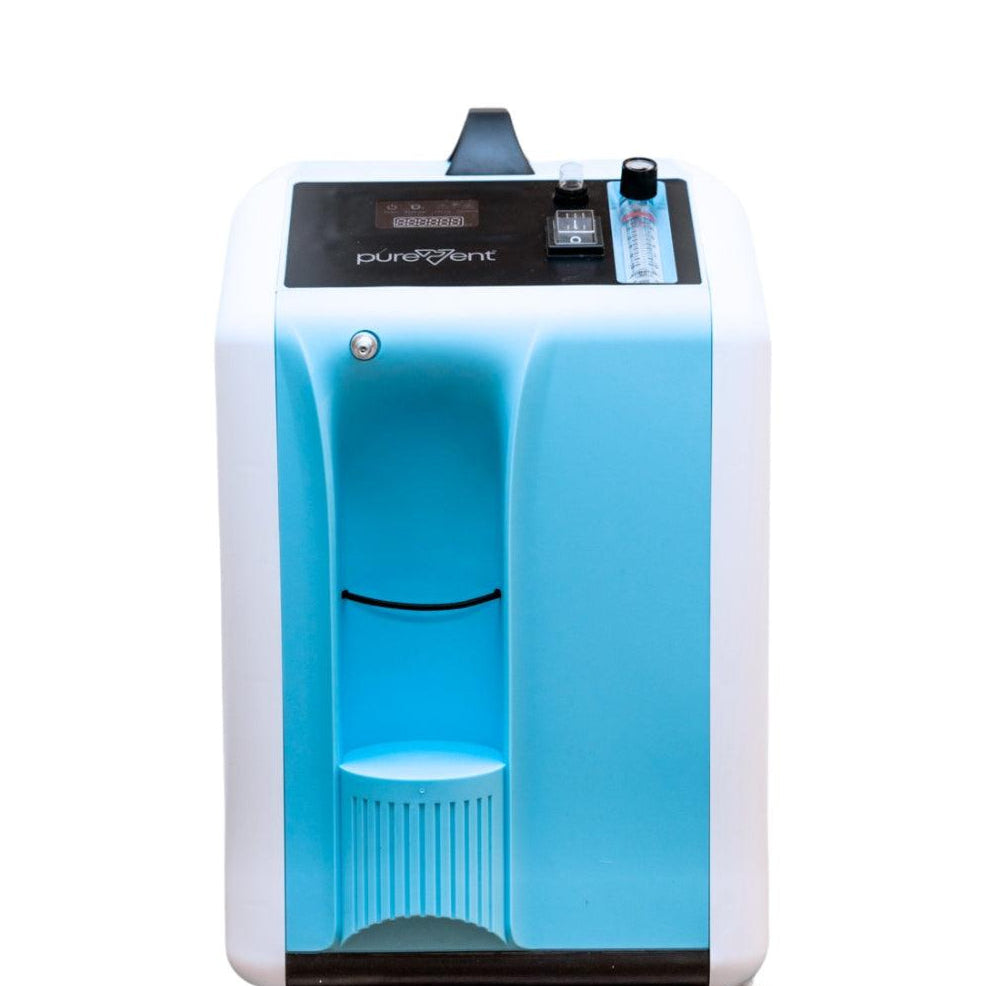
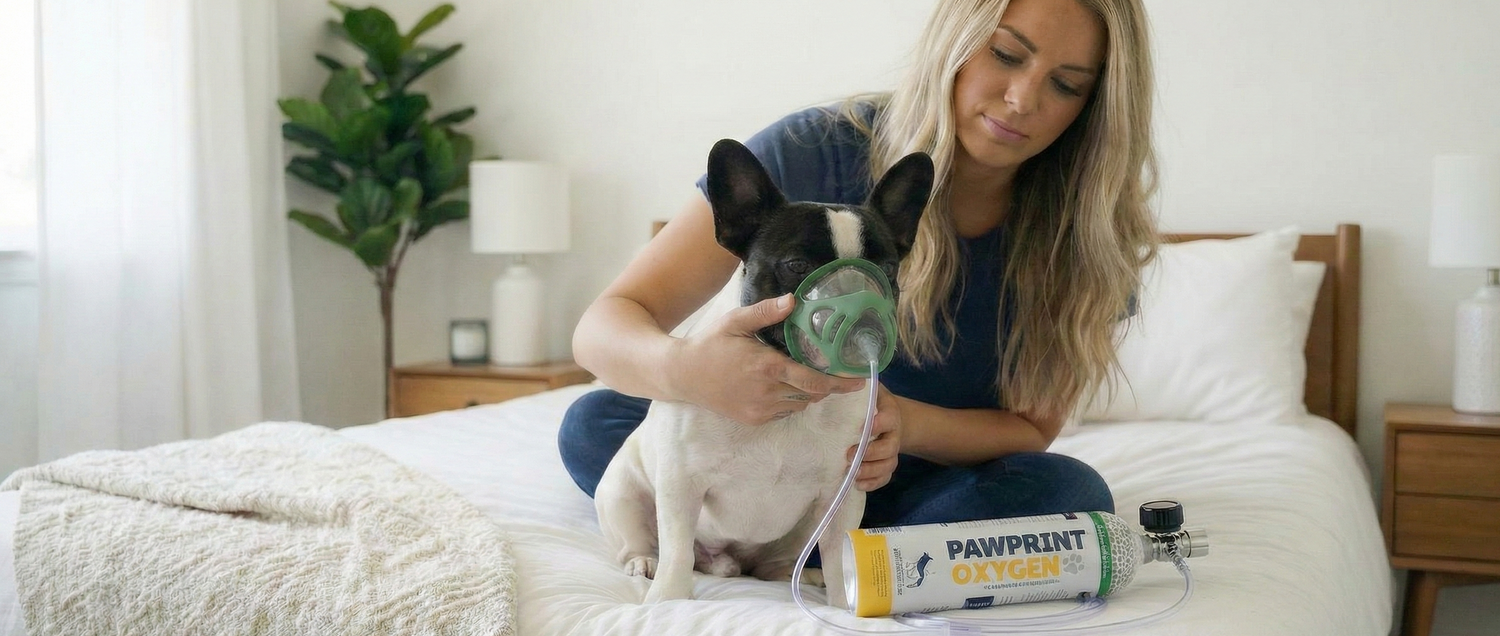
Monitoring your pet during oxygen therapy at home involves tracking key vitals like respiratory rate and oxygen saturation, observing breathing patterns, and using simple pet oxygen monitoring tools to assess progress. By learning how to monitor pet oxygen therapy, pet owners can recognize signs oxygen therapy is working for pets, identify concerning changes, and know when to stop a session or seek veterinary care. Consistent pet oxygen monitoring helps ensure oxygen therapy at home is both safe and effective.
Table of Contents
Learning how to monitor pet oxygen therapy at home is essential to ensure your pet is responding safely and effectively to treatment. While oxygen therapy can provide important respiratory support, it is not a substitute for emergency veterinary care, so recognizing when your pet is improving versus when they need immediate help is critical. This guide will walk you through the key signs to watch for, helping you confidently identify both positive progress and concerning changes.

Why Monitoring Matters During Oxygen Therapy
Monitoring your pet during oxygen therapy allows you to track how well they are responding and quickly identify any changes that may require attention. It also helps prevent over-reliance on oxygen equipment in urgent situations, ensuring you don’t delay seeking emergency veterinary care when it’s needed. With guidance from your veterinarian, this type of monitoring at home empowers you to make safer, more informed decisions about your pet’s respiratory health.
Key Vitals to Check During Oxygen Therapy
Effective pet oxygen monitoring at home starts with tracking a few key vitals that reflect your pet’s respiratory status and overall oxygenation. Watching trends in these measurements, rather than relying on a single reading, can help you better understand whether oxygen therapy is helping or if your pet’s condition is changing.
Respiratory Rate:
- Dogs: typically 10–30 breaths per minute at rest
- Cats: typically 20–30 breaths per minute at rest
- Count one breath as a full rise and fall of the chest
- A consistently elevated or increasing rate may signal distress
Effort of Breathing:
- Normal breathing should appear smooth and relaxed
- Watch for open-mouth breathing (especially in cats), neck extension, or visible abdominal effort
Gum Color (Perfusion Indicator):
- Perfusion refers to the flow of blood through the body’s tissues and organs, delivering oxygen and nutrients while removing waste products. In simple terms, it’s how well blood is reaching different parts of the body.
- Healthy gums should be pink and moist
- Pale, blue, or gray gums may indicate poor oxygenation and require immediate attention
Oxygen Saturation (SpO₂) which is monitored with a pulse oximeter, if available:
- Measures the percentage of oxygen in the blood
- Common targets are typically above 94%, though this varies by condition
- Readings can be inconsistent at home and should always be interpreted alongside other clinical signs
What is a normal resting respiratory rate for dogs?
A healthy, resting adult dog typically has a respiratory rate between 10 and 30 breaths per minute. Smaller breeds or puppies may breathe slightly faster. If a dog's respiratory rate exceeds 40 breaths per minute while resting, it may be a cause for concern, and you should consult a vet
What is a normal respiratory rate for cats?
For cats, the normal resting respiratory rate is between 20 and 30 breaths per minute. It's important to check when your cat is calm and resting, as activity can temporarily raise the rate
How do I measure my pet's respiratory rate?
When should I be concerned about my pet's respiratory rate?
What factors can affect a pet's respiratory rate?

How to Observe Breathing Patterns
Beyond a simple breathing rate check, observing how your pet breathes and behaves provides valuable insight into their respiratory status during oxygen therapy. Effective pet respiratory monitoring includes watching for both physical breathing patterns and subtle behavioral cues that may indicate improvement or distress.
Normal breathing at rest:
- Smooth, quiet, and consistent with minimal effort
Abnormal patterns to watch for:
- Rapid, shallow breathing
- Slow or irregular breathing
- Noisy breathing (wheezing, crackling)
Behavioral cues:
- Restlessness, pacing, or inability to settle
- Preference for standing or sitting upright instead of lying comfortably
Tips for Safe and Effective Monitoring at Home
Creating a calm, controlled environment is key to safely monitoring your pet during oxygen therapy at home. By following your veterinarian’s guidance and staying attentive throughout each session, you can help ensure oxygen therapy is both effective and stress-free for your pet.
1. Follow prescribed settings
Always use veterinarian-recommended flow rates and session durations
2. Keep sessions calm
Minimize noise, movement, and external stressors
3. Limit handling during distress
Avoid excessive interaction if your pet is struggling to breathe
4. Check equipment setup
Ensure proper airflow, secure connections, and consistent oxygen delivery
5. Stay present and observant
Actively watch your pet for any changes throughout the session
Tools for Monitoring Your Pet During Oxygen Therapy
Using simple, reliable pet oxygen monitoring tools can help you stay consistent and confident while tracking your pet’s response to treatment at home. While devices like a pulse oximeter for pets can provide helpful data, they should always be used alongside careful observation and your veterinarian’s guidance.
Timer or Phone: Used to track respiratory rate and oxygen session duration accurately
Pulse Oximeter (Optional Tool):
- Measures oxygen saturation (SpO₂) in the blood
- Common placement areas include the tongue, lip, ear, or paw pad
- Readings can be inconsistent due to movement, skin pigmentation, or poor circulation
Notebook or Tracking App:
- Log respiratory rate, breathing effort, behavior, and session length
- Helps identify trends and subtle changes over time
Visual Checks: Direct observation of breathing, posture, and comfort is often the most reliable indicator of your pet’s condition

What To Look For During Oxygen Therapy
Recognizing how your pet responds during oxygen therapy is one of the most important parts of oxygen therapy at home. By understanding the signs oxygen therapy is working for pets, as well as when to stop pet oxygen therapy, you can make timely, informed decisions that keep your pet safe and supported.
Signs Oxygen Therapy Is Working
- Slower, more relaxed breathing
- Reduced effort (less abdominal push)
- Improved comfort (resting, less anxious)
- Better gum color
- Increased responsiveness or energy
When to Stop a Session
- Pet becomes stressed or agitated
- No improvement after a reasonable session (as directed by vet)
- Equipment concerns (flow interruption, power outage)
When to Call a Veterinarian or Seek Emergency Care
Even when using oxygen therapy at home for pets, it’s critical to recognize when your pet needs immediate veterinary attention to ensure proper pet oxygen therapy safety. Oxygen can provide temporary support, but it should never delay urgent care if your pet’s condition is worsening or not improving.
Immediate escalation signs:
- Open-mouth breathing in cats
- Blue or gray gums
- Collapse or unresponsiveness
Other reasons to contact your veterinarian:
- Oxygen therapy is needed more frequently or for longer durations than usual
- Your pet’s baseline breathing or overall condition is worsening
Important reminder: Oxygen therapy should not delay emergency care
Giving Your Pet the Best Possible Care
Learning to monitor your pet during oxygen therapy can build confidence and help you play an active role in their care. Careful observation remains your most powerful tool, allowing you to recognize both improvement and warning signs early. Most importantly, remember that oxygen therapy is a supportive bridge, not a cure or replacement for emergency care, and works best in close partnership with your veterinarian.