Panting is normal for dogs after exercise, heat, or excitement, but labored breathing is a medical emergency marked by rapid, difficult breathing, abnormal posture, and gum color changes. Knowing the difference helps pet owners recognize respiratory distress early and seek lifesaving care when it matters most.
Table of Contents
Why This Distinction Matters
Panting is one of the most common things dogs do, and in many cases, it’s completely normal. Dogs pant to cool down, release stress, or respond to excitement. Because it’s so familiar, pet owners often assume all heavy breathing is harmless. Unfortunately, that assumption can sometimes delay lifesaving care.
Misinterpreting abnormal dog breathing as simple panting can be dangerous. Labored breathing in dogs, dog breathing fast, and dog heavy breathing can all be signs of serious illness or oxygen deprivation. These changes may indicate heart disease, lung disease, airway obstruction, or a true respiratory distress episode.
Knowing how to tell the difference empowers you to act quickly and confidently when your dog’s breathing suddenly changes.

Normal Panting in Dogs
Panting is a natural cooling mechanism for dogs. Unlike humans, dogs don’t sweat efficiently, so they release heat by breathing rapidly through an open mouth.
Why Dogs Pant
Normal panting may occur due to:
- Heat and exercise
- Excitement or anxiety
- Mild pain or stimulation
What Normal Panting Looks Like
Healthy panting usually appears as:
- Open-mouth breathing
- Tongue hanging out
- Even, steady rhythm
- Relaxed body posture
- Stops with rest, cooling, or hydration
How Long Normal Panting Should Last
After play or a walk, most dogs return to normal breathing within 5–15 minutes once they rest in a cool, calm environment.
Your “Dog Is Panting Too Much”: When It May Be Labored Breathing
Short bursts of heavy panting after excitement, car rides, or warm weather are often harmless. However, if panting continues long after activity stops or happens repeatedly at rest, it deserves closer attention.
What Abnormal Breathing Looks Like
Abnormal breathing means your dog is working harder than normal to move air in and out of their lungs or isn’t getting enough oxygen.
Common Warning Signs
- Rapid breathing at rest (tachypnea)
- Struggling to inhale or exhale (dyspnea)
- Open-mouth breathing while resting
- Neck stretched forward to pull in air
- Elbows held away from the body
- Blue, pale, or gray gums
Sounds to Watch For
- Wheezing
- Gurgling
- High-pitched stridor
- Persistent coughing
Visual Cues
- Rib retractions (sucking inward between ribs)
- Belly pushing hard with each breath
- Flaring nostrils
These signs often indicate airway restriction or a dangerous oxygen deficit and should never be ignored.
How to Distinguish Distress From Normal Panting
If you’re unsure whether your dog is simply panting or truly struggling to breathe, compare behavior and physical cues.

“Is My Dog in Distress?” Quick Checklist
Ask yourself:
✔ Is my dog breathing faster than normal at rest?
✔ Is each breath visibly difficult or forced?
✔ Are their gums pale or bluish?
✔ Are they restless, weak, or collapsing?
If you answer yes to any of these, your dog may be experiencing dyspnea, tachypnea, airway restriction, or an oxygen deficit.
When to Seek Help
Panting becomes an emergency when it reflects oxygen deprivation or physical struggle to breathe.
Seek immediate vet or ER care if:
- Breathing is labored or noisy
- Gums are blue or pale
- Your dog collapses or becomes weak
- Your dog cannot lie down comfortably

Situations That Raise Urgency
Some medical conditions make breathing changes far more dangerous and time-sensitive. If your dog has one of the conditions below, or develops sudden breathing difficulty alongside these risk factors, what looks like “heavy panting” may actually be a life-threatening respiratory emergency.
Heart disease or congestive heart failure (CHF): Fluid can build up in or around the lungs, making oxygen transfer difficult and causing rapid or labored breathing.
Pneumonia: Lung infections like pneumonia inflame the airways and fill air sacs with fluid, reducing oxygen exchange and increasing breathing effort. Signs include rapid breathing, coughing, fever, lethargy, or open-mouth breathing at rest.
Heatstroke: Overheating causes excessive panting, dehydration, and airway swelling. As body temperature rises, normal cooling panting can quickly turn into true respiratory distress.
Collapsed trachea: Common in small breeds, collapsed trachea narrows the airway and restricts airflow, especially during excitement, exercise, or heat. A honking cough, wheezing, or sudden labored breathing are warning signs.
Brachycephalic obstructive airway syndrome (BOAS): Flat-faced breeds have narrowed airways that make breathing inefficient even at baseline. Mild panting can rapidly escalate into respiratory distress, particularly with heat or stress.
Pulmonary hypertension: High blood pressure in the lungs reduces oxygen delivery and increases breathing effort, leading to rapid breathing, weakness, or collapse.
If your dog has any of these conditions, or a history of breathing or heart problems, any sudden change in breathing speed, effort, or posture should be treated as urgent.
If you’re asking yourself, “Why is my dog breathing so hard?” it’s time to act.
Tools That Help Monitor Breathing
Breathing emergencies can escalate quickly, but preparation helps owners stay calm and act fast. Using basic monitoring tools and knowing what to watch for gives you valuable insight into your dog’s respiratory health and helps you respond confidently when something feels wrong.
At-Home Monitoring Strategies
- Track resting respiratory rate (normal: ~15–30 breaths/min)
- Check gum color daily
- Watch posture, energy level, and breathing effort
Click here to learn how to accurately measure your dog's respiratory rate!
Devices and Tools
- Pulse oximeters for dogs
- Digital thermometers
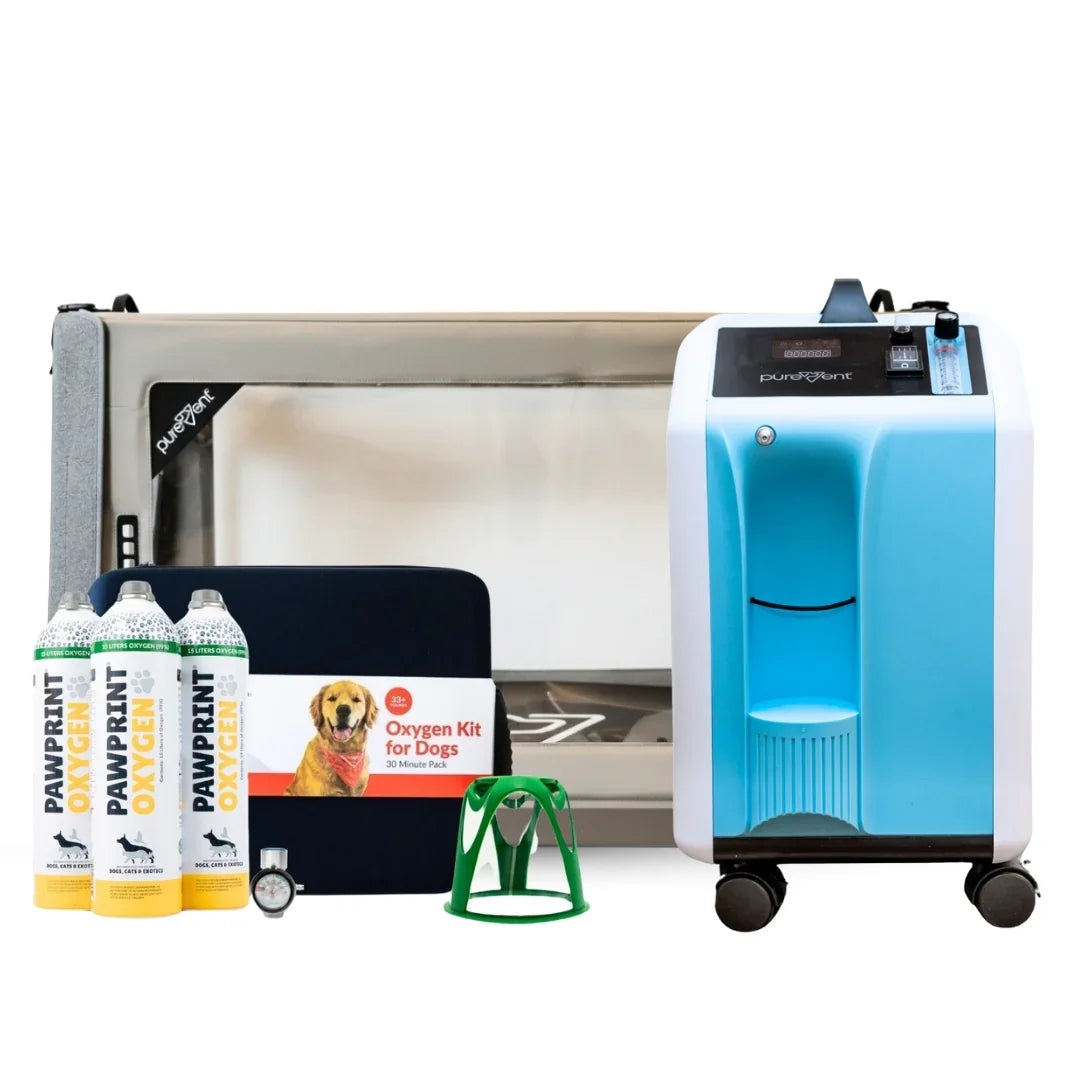
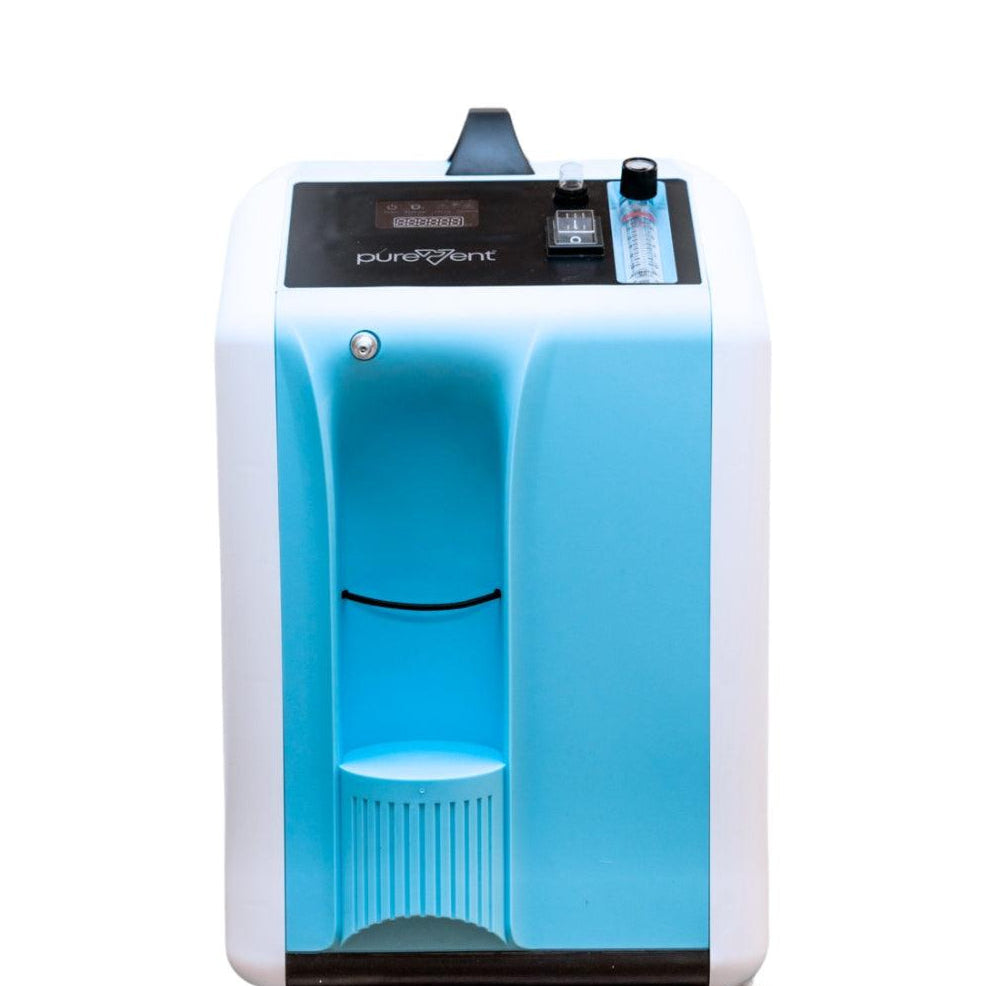
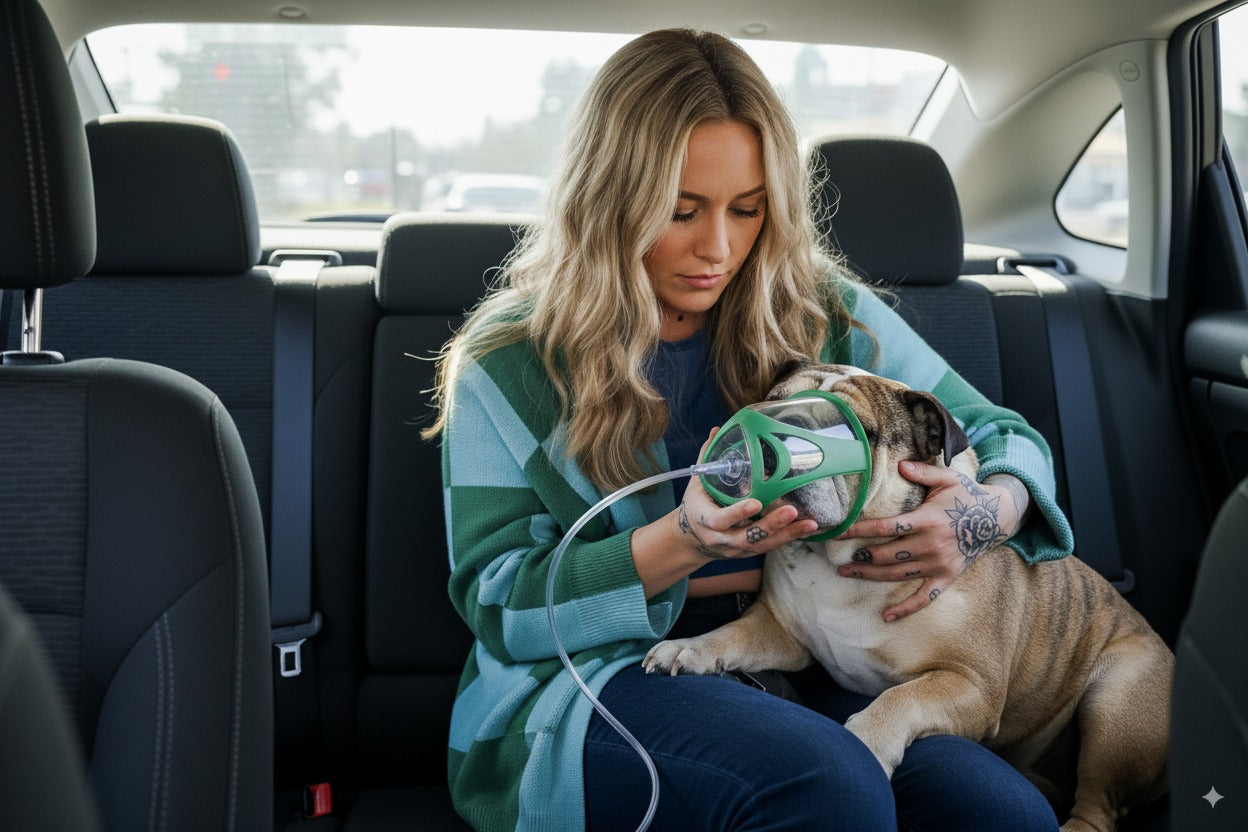
- Oxygen concentrators and chambers for at-home oxygen therapy sessions
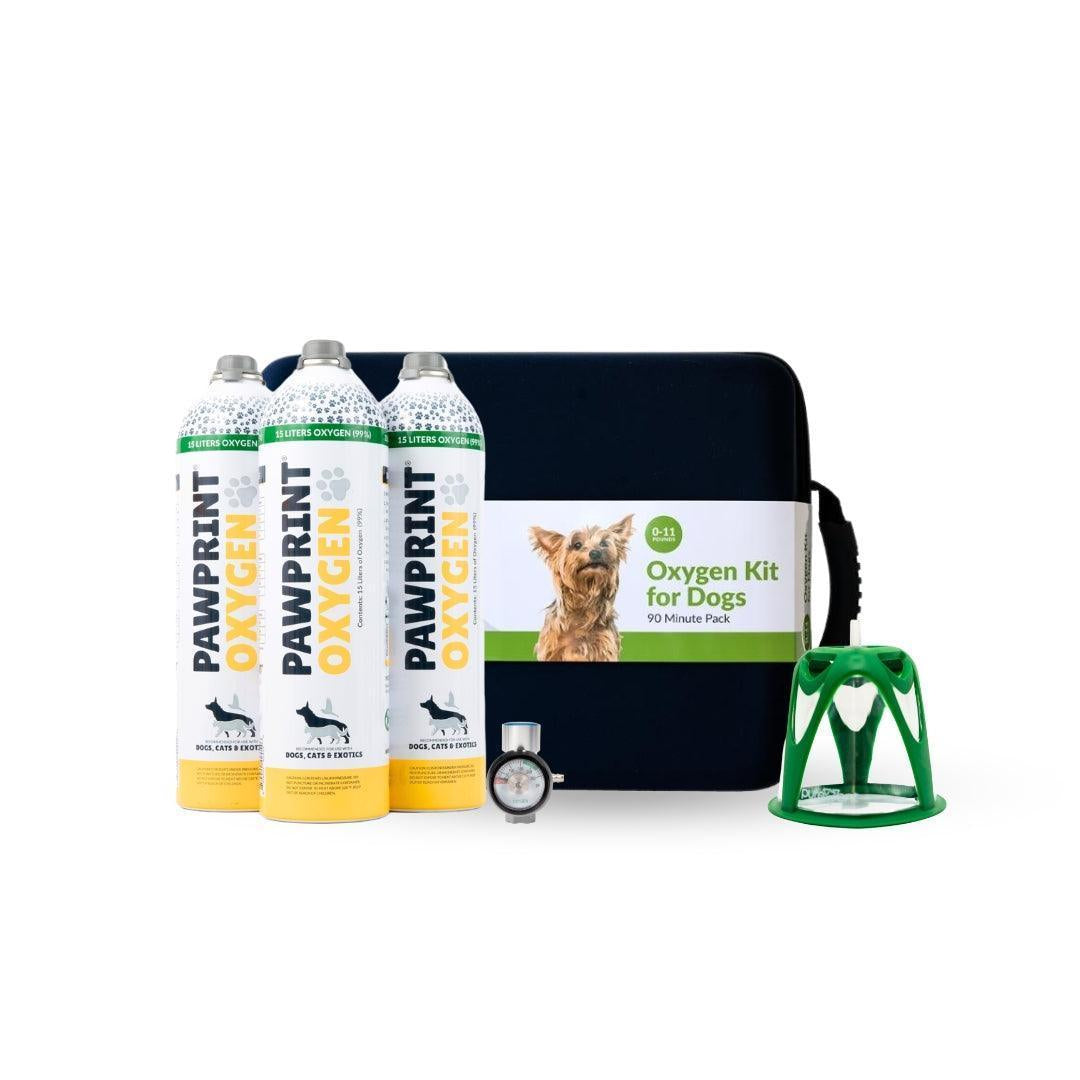
- Portable oxygen kits for on-the-go oxygen therapy

Is panting always normal in dogs?
No, while panting is normal after exercise, heat, or excitement, persistent or heavy panting at rest can signal pain, illness, or respiratory distress.
Can dogs pant from anxiety or pain?
Yes. Stress, fear, and pain can all cause excessive panting, even when a dog hasn’t been active or exposed to heat.
How fast is too fast for dog breathing?
A resting dog should breathe about 15–30 breaths per minute. Consistently breathing faster than this at rest may indicate respiratory distress or low oxygen levels.
Can home oxygen help dogs with breathing trouble?
Yes. At-home oxygen therapy can reduce breathing effort and improve oxygen levels in dogs with respiratory or heart conditions, but it should be used alongside veterinary guidance and not as a replacement for emergency care.
How At-Home Oxygen Therapy Helps
Oxygen therapy supports dogs suffering from:
- Airway restriction
- Chronic lung disease
- Heart disease
- Oxygen deficit
It can reduce breathing effort, relieve anxiety, and stabilize oxygen levels while awaiting or recovering from veterinary care.
⏰Gentle Reminder: Oxygen support can serve as a bridge before or after vet treatment and is an important part of emergency preparedness for respiratory crises.

Trust Your Instincts
Recognizing the signs of abnormal breathing in dogs can save your pet’s life. While panting is often normal, persistent or labored breathing is never something to ignore.
If your dog’s breathing suddenly changes, worsens, or doesn’t improve with rest, trust your instincts and seek help. Early action saves lives, and knowing the difference between panting and respiratory distress empowers you to make better decisions for your dog’s health and safety.