If your cat swallowed something toxic, activated charcoal may buy you time. Given early, it binds many poisons in the gut before they reach the bloodstream. It also fails completely on some of the most dangerous substances a cat can ingest, and knowing which is which changes what you do next.
Cats complicate every part of the decision. There is no safe way to make a cat vomit at home, most cats refuse charcoal outright, and a few common toxins demand a different response entirely.
Keep these numbers where you can find them: ASPCA Animal Poison Control at 888-426-4435 and Pet Poison Helpline at 855-764-7661. Save both now; the step-by-step section below covers when to call.
⏱ 10-minute read | Updated September 2026 | Reviewed by Pawprint Oxygen Veterinary Team | Browse more articles →
Table of Contents
What Activated Charcoal Does in Cats
Activated charcoal, the same material sometimes labeled activated carbon, works by adsorption. It binds toxins in the stomach and intestines so they pass out in stool instead of entering the bloodstream.
Adsorption differs from absorption. The toxin sticks to the charcoal's surface rather than soaking in, and the charcoal itself never enters your cat's circulation. Everything it does, it does inside the gut.
That makes it a decontamination step, not an antidote. It cannot neutralize a toxin chemically, and it does nothing for poison already absorbed or illness already underway. We cover the full mechanism in our guide to activated charcoal for dogs; the short version is that the substance and the clock decide everything.
Cats may receive it in a few forms: an aqueous slurry, a suspension combined with a cathartic called sorbitol, or non-cathartic carbon spheres formulated for home use. Those formats differ in more than packaging, and the differences drive both palatability and side effects.

Which Toxins Charcoal Binds, and Which It Doesn't
Charcoal's usefulness depends entirely on the chemistry of what your cat swallowed. It grabs large organic molecules well, while small polar molecules, alcohols, and metal ions slide past the carbon surface. Veterinary toxicology references group the common exposures like this:
Binds well:
Chocolate (theobromine and caffeine)
Many human medications, including most NSAIDs
Anticoagulant rodenticides (rat bait)
Most plant alkaloids
Marijuana and THC products
Many organic pesticides and insecticides
Binds poorly or not at all:
Ethylene glycol (antifreeze)
Alcohols
Xylitol
Heavy metals: iron, lead, zinc
Lithium
Corrosives: bleach, drain cleaner, battery acid
Petroleum products and essential oils
The second list is the one that changes decisions. A 2026 University of Georgia study tested three charcoal products against a panel of common toxins in simulated stomach and intestinal conditions and found no meaningful adsorption of ethylene glycol or xylitol.
Corrosives and petroleum products deserve a separate warning. There, charcoal adds vomiting and aspiration risk on top of an esophagus and airway that may already be injured. Those exposures go straight to a clinic, no charcoal at all.


Why the Timing Window Decides Everything
Charcoal only works on toxin still sitting in the stomach or intestines. For most substances, that means a window of roughly one to two hours after ingestion. A full stomach, an extended-release medication, or a recirculating toxin can stretch it.
A fast-absorbing liquid can shrink it. And some toxins re-enter the intestines through bile after the liver processes them, which is why a vet may repeat charcoal doses over several hours for certain NSAIDs, marijuana, and some rodenticides. Repeat dosing is a clinic decision with no at-home protocol.
That window is the practical case for keeping a dose at home. Many owners live 30 minutes or more from an emergency clinic, and the window frequently closes during the drive.
Owners often ask how long charcoal takes to work. Binding starts the moment charcoal contacts toxin in the gut. You will see no visible change in your cat, though. Progress is monitored through bloodwork and clinical signs at the clinic, never through anything observable at home.
Vomiting is a separate question, and in cats the answer is short. Hydrogen peroxide can cause severe, sometimes fatal damage to a cat's stomach lining even at standard doses, and no reliable at-home feline emetic exists. If your vet wants your cat's stomach emptied, that happens at the clinic under controlled conditions.
Getting a Cat to Take Charcoal
With cats, whether they will eat it is the whole question. Dogs will swallow a black slurry hidden in peanut butter. Cats, as a rule, will not.
The refusal is layered. Loose charcoal powder is gritty and bitter, cats are strongly neophobic about new textures in food, and most cats tolerate restraint poorly. The "hold them and syringe it" option is off the table with most cats, and should be anyway.
Formulation changes the odds. That is why we built ReadyRESCUE around carbon spheres rather than loose powder: the spheres have a smoother mouthfeel and mix into wet food without turning it to dust. It is sorbitol-free, so there is no cathartic and no sweetener aftertaste, and it comes in pre-portioned vials so you are not doing weight math mid-crisis. No prescription is needed; you can see which Pawprint products do and don't require one on our FAQ page.
Be honest with yourself about what a successful dose means, though. Success means your cat eats it voluntarily. A cat that sniffs the bowl and walks away has not been dosed.
Human charcoal capsules and food-grade powder remain a poor substitute. Drugstore capsules typically hold about 250 milligrams each, far below the weight-based range veterinarians calculate from (commonly cited starting at 1 to 2 grams per kilogram), and as supplements their efficacy and safety have never been formally evaluated. Emptying capsules into food also produces exactly the dusty slurry cats reject.
And the hard line: a cat who will not take charcoal voluntarily does not get force-dosed. Syringing a struggling cat is how charcoal reaches the airway. That cat goes to the clinic, where sedation and airway protection are available.

Side Effects and Complications, and What Actually Causes Them
Sorting side effects by cause makes them useful, because "charcoal side effects" lumps together several different risks with different owners. Five to know:
1) Expected with any charcoal
Jet-black stool for 24 to 48 hours, mild constipation, and sometimes brief GI upset. All of it is benign and self-limiting. Black stool is only a concern if it persists past a couple of days.
2) Electrolyte risks belong to the cathartic
Sorbitol, added to clinic formulations to move charcoal through the gut, pulls water into the intestines. That fluid shift can dehydrate a patient and raise blood sodium.
In one study of healthy dogs given a high charcoal-sorbitol dose with water withheld for 12 hours, sodium rose significantly and two dogs became hypernatremic.
In clinical patients with free water access and IV fluids, a later study found no hypernatremia at any timepoint. The mechanism is real and belongs to sorbitol, hydration determines whether it bites, and this is why sorbitol-containing products are given under veterinary monitoring. A sorbitol-free formulation does not carry the mechanism.
Both studies were in dogs; no feline incidence data exists, which is one more reason cathartic products stay a clinic tool.
3) Aspiration belongs to force-dosing and compromised airways
Charcoal given to a cat who is seizing, sedated, disoriented, or unable to swallow can end up in the lungs, and so can charcoal syringed into a resisting cat. It gets its own section below.
4) Charcoal binds medications too
One risk applies to all charcoal regardless of formulation: it can bind other medications given by mouth in the same window, including an orally administered antidote or your cat's daily prescriptions. Your vet manages this by separating dosing times, so tell the clinic exactly what your cat received and when.
5) What to watch after any dose
Hydration, appetite, and stool, plus breathing rate and effort over the following 24 to 48 hours.
Aspiration Pneumonia: The Risk That Outlasts the Poisoning

Charcoal in the airway behaves unlike anything else a cat might inhale. The particles are inert, the lungs cannot clear them, and the result combines chemical injury with physical obstruction.
1) The damage is documented
In one published veterinary case, a dog dosed after a suspected medication ingestion developed chronic aspiration pneumonia severe enough that two lung lobes were surgically removed, with charcoal debris found throughout the tissue. The case authors describe aspiration pneumonia as the main complication of charcoal administration.
2) It follows the scenario ruled out above
Forcing charcoal into a resisting cat, or dosing one who cannot protect their airway. It is also why the voluntary-only rule holds even when the poison feels urgent.
3) Watch for the warning signs
In the days after any decontamination: an elevated breathing rate at rest, open-mouth breathing, effortful or abdominal breathing, coughing, lethargy, or blue-tinged gums. Open-mouth breathing in a cat is an emergency on its own. Our guide to recognizing respiratory distress in cats covers the full picture.
4) Know your cat's baseline
A resting or sleeping cat normally takes 15 to 30 breaths per minute. Count chest rises for 30 seconds while your cat is asleep and not purring, then double the number. Treat this as knowing your cat's normal, and see a vet on any of the signs above regardless of the count.
5) Recovery may include vet-directed oxygen
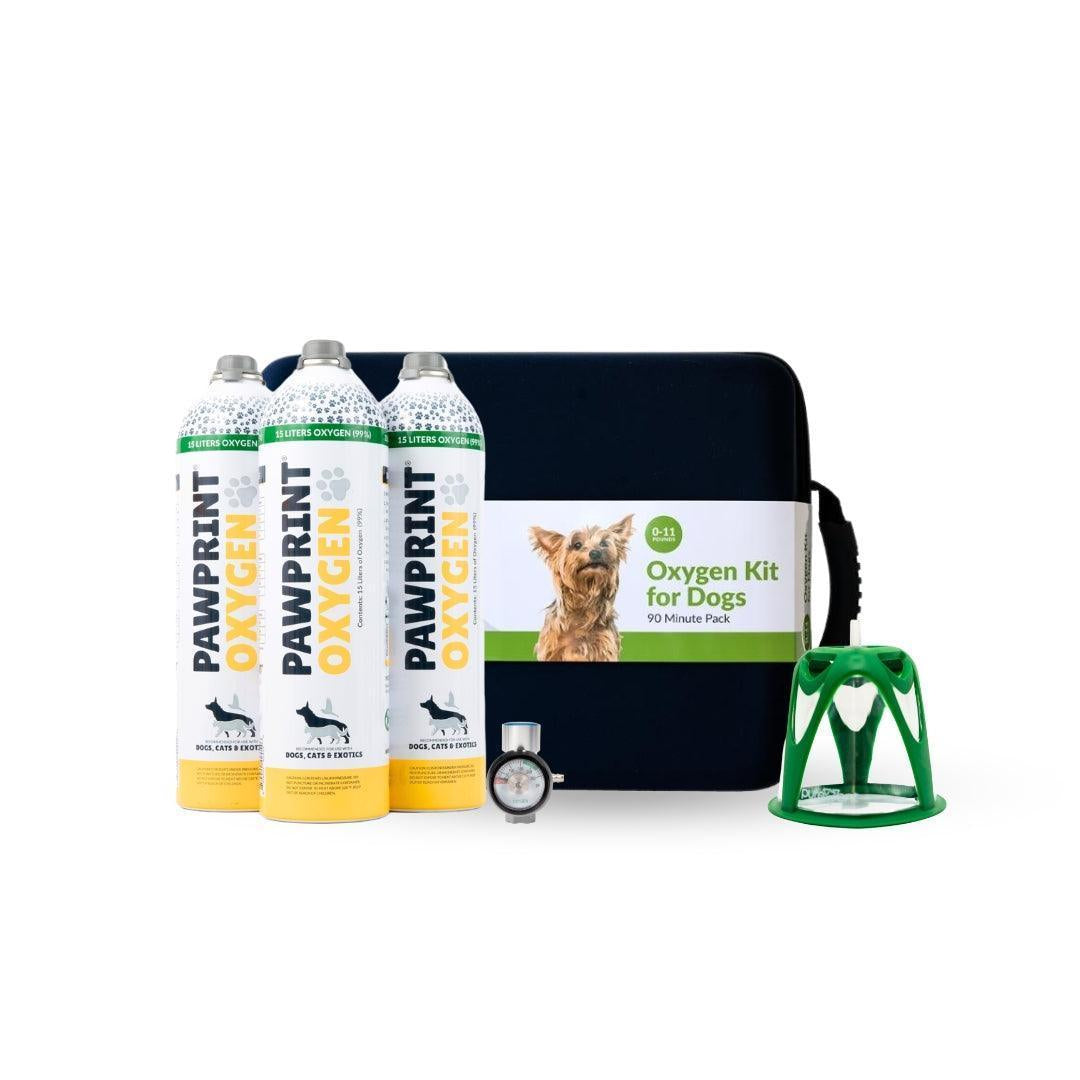
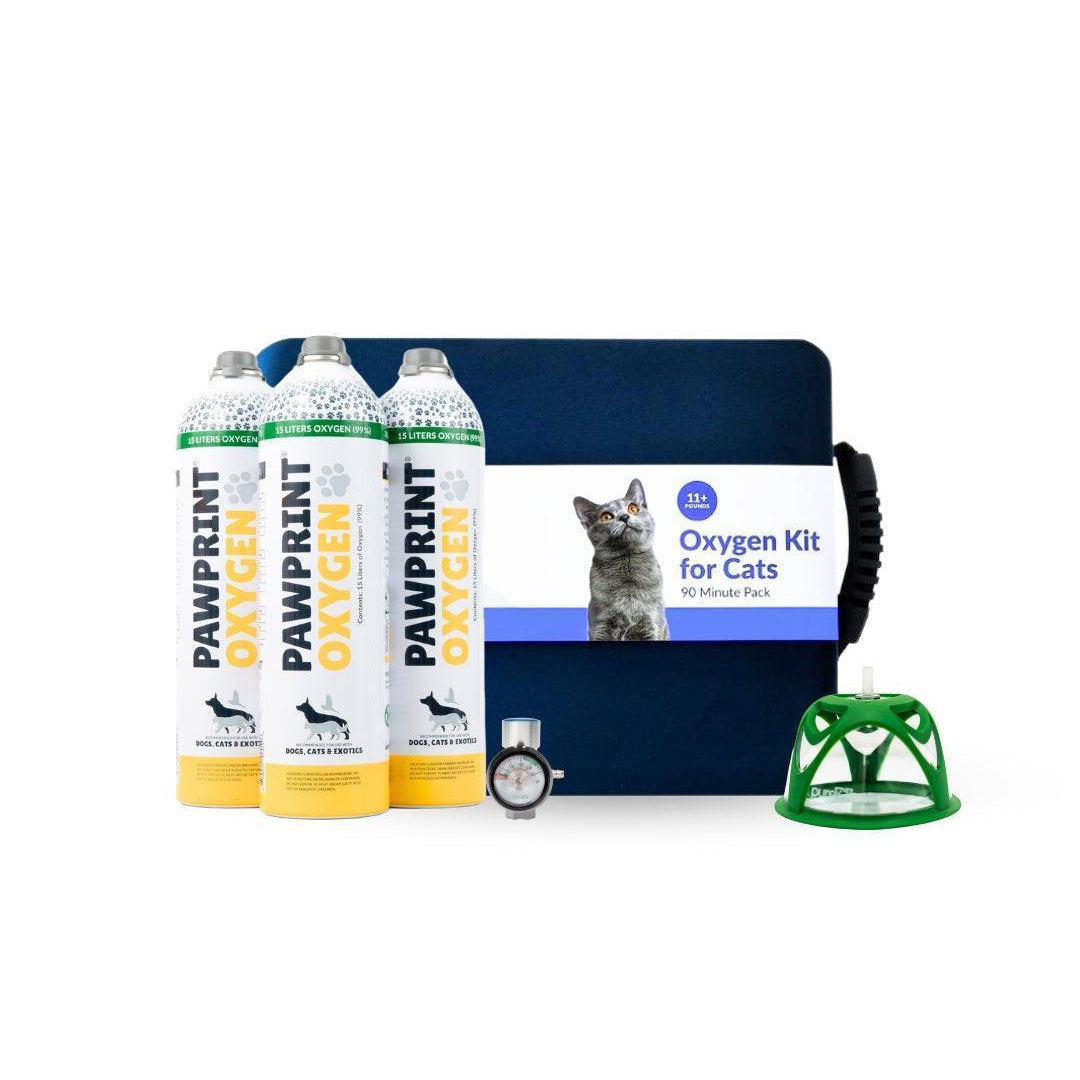
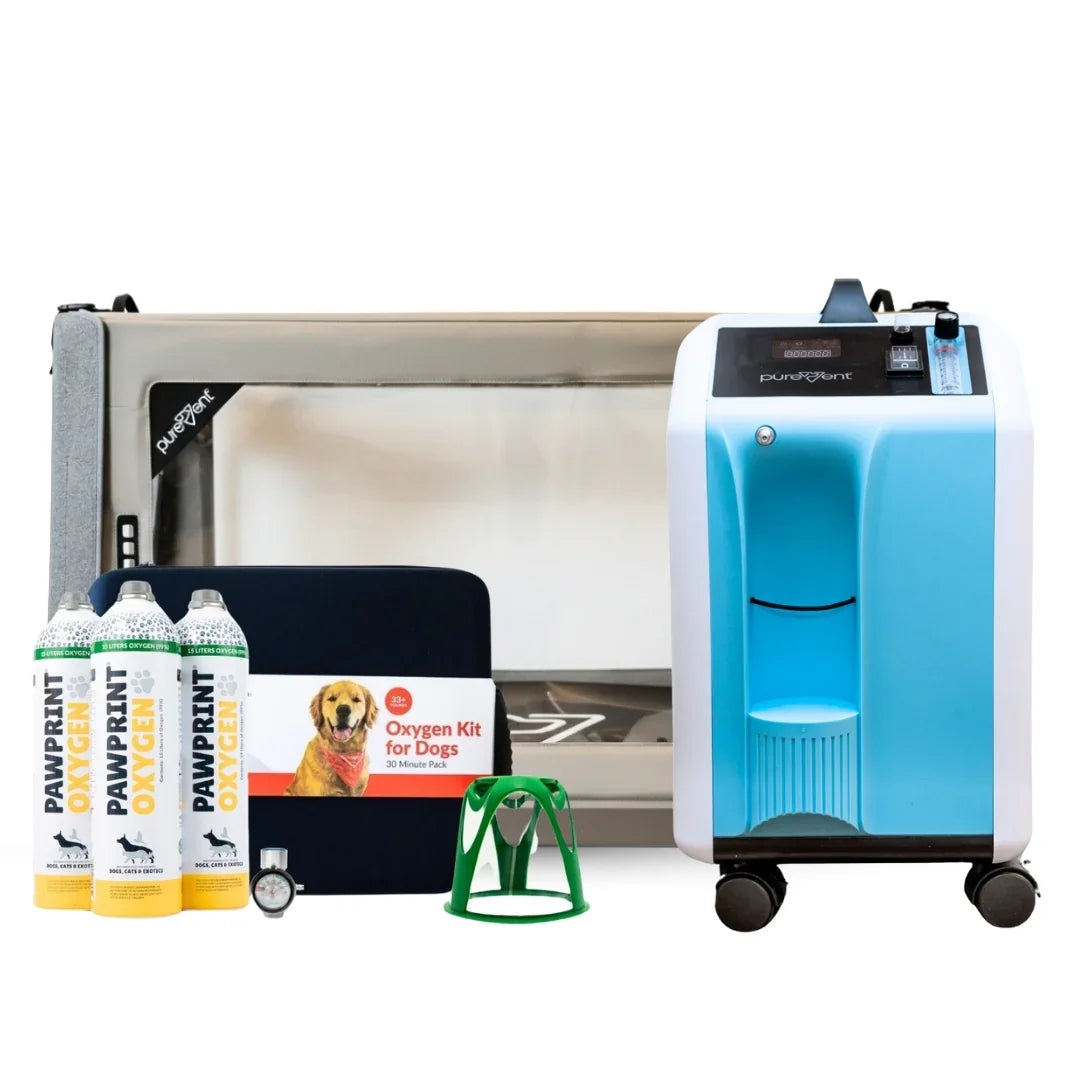
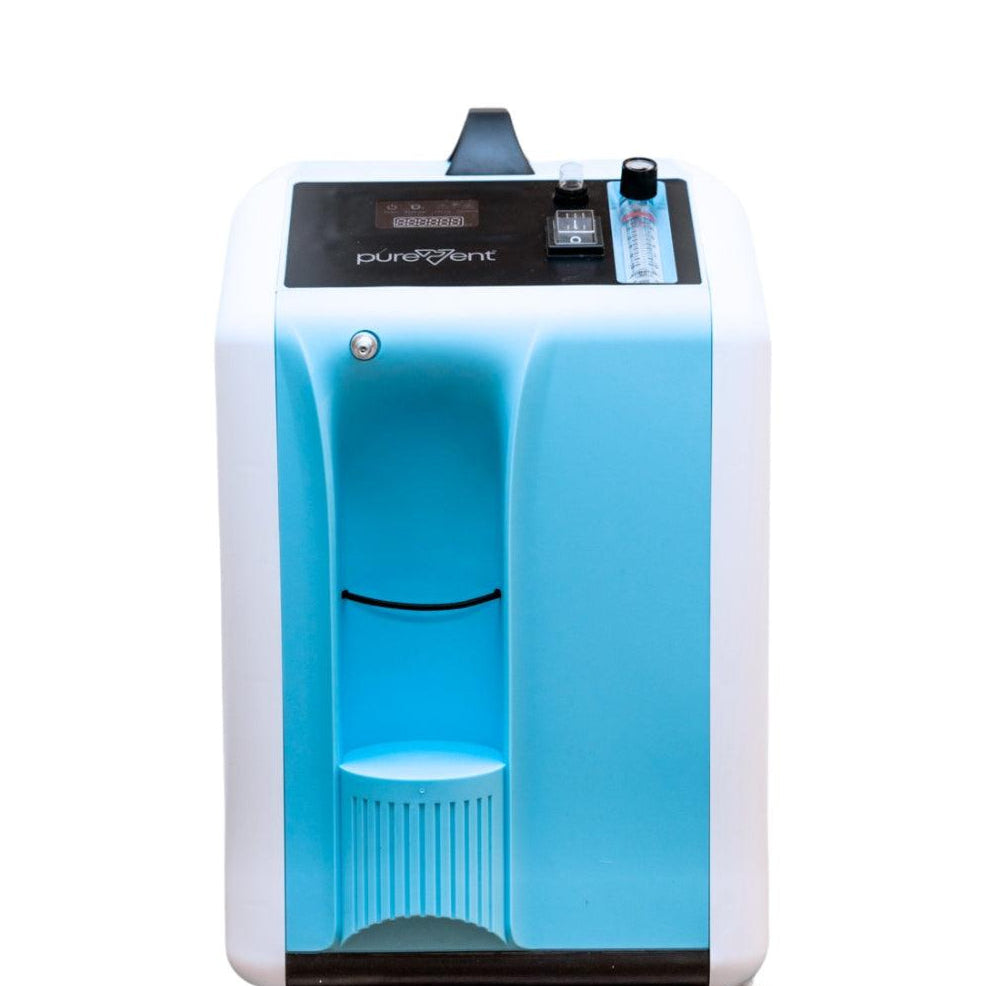
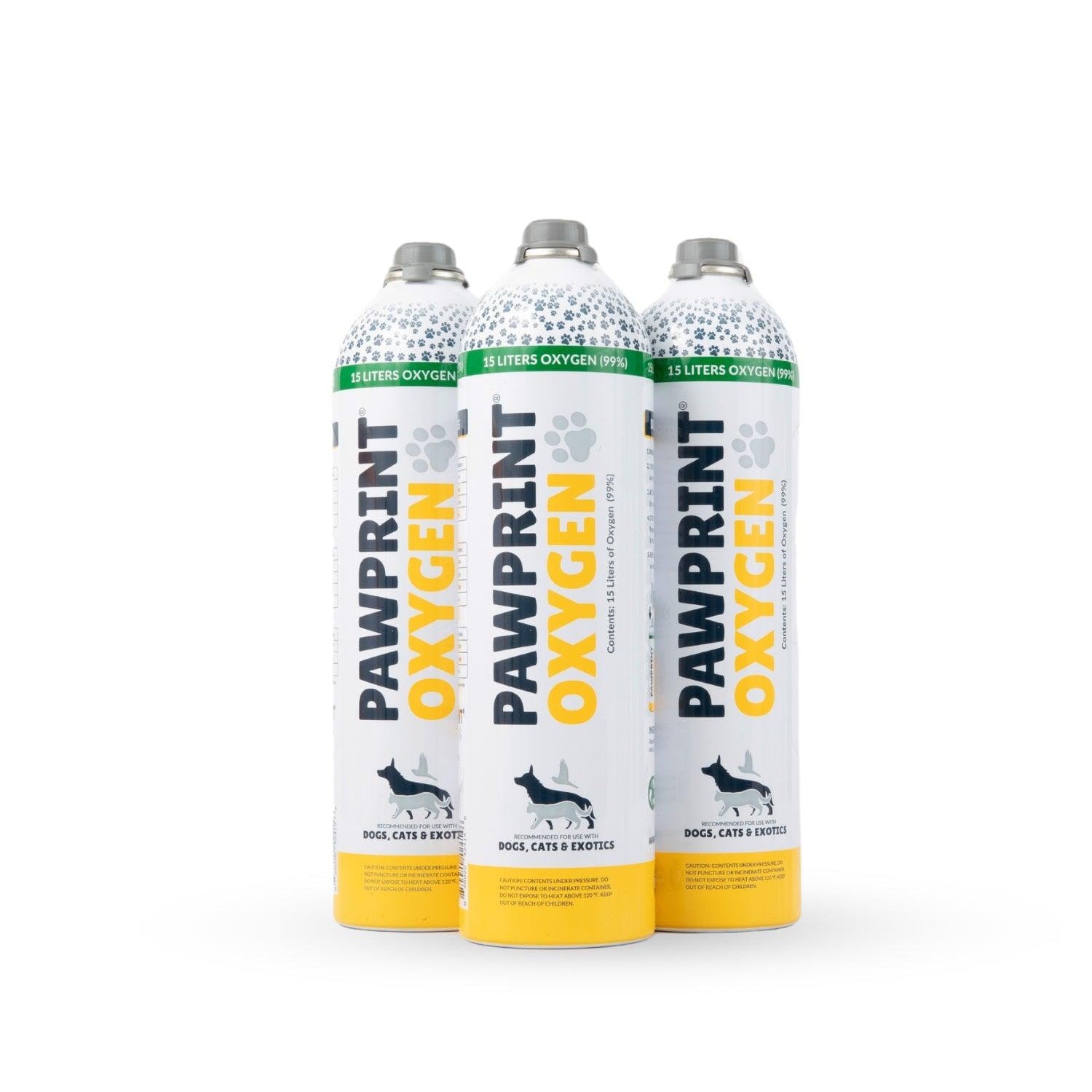
When a cat comes home after aspiration-related lung injury, some discharge plans include supplemental oxygen. A Cat Rescue Oxygen Kit delivers portable oxygen during a breathing episode or on the drive to the clinic, and an at-home chamber like the PureVent Pet Oxygen Chamber, part of our veterinary-grade oxygen chamber line, supports longer recoveries.
Both are supportive tools used under your veterinarian's direction, and neither replaces emergency care.
Toxins Where Oxygen and Antidotes Matter More Than Charcoal
A few exposures follow a different treatment pathway entirely, and reaching for charcoal first can cost time these cases do not have.
Acetaminophen (Tylenol) is the clearest example. Cats lack the liver's glucuronidation capacity to process it, so ingestion triggers methemoglobinemia: the blood loses its ability to carry oxygen even though the lungs work fine, and gums turn brown or muddy rather than pink.
Treatment centers on the antidote N-acetylcysteine, and cats whose red blood cells cannot carry oxygen may need supplemental oxygen under veterinary care while it takes effect. Charcoal is an adjunct at best, and only very early.
Smoke inhalation and carbon monoxide leave nothing in the gut to bind; veterinary treatment there runs on oxygen. It is the same reason at-home oxygen bundles appear in preparedness plans for households in wildfire regions, always as vet-directed support on the way to care.
With antifreeze, delay is the danger. Charcoal binds ethylene glycol poorly, and treatment depends on early intervention with an antidote, fomepizole or ethanol, which only a vet can administer. The longer your cat waits for that first dose, the worse the odds.
Permethrin, the insecticide in many dog flea products, poisons cats through skin contact, so there is usually nothing in the gut for charcoal to bind. Affected cats tremor and seizure, and treatment runs on decontamination bathing, seizure control, and supportive care at the clinic. Never apply a dog flea product to a cat.
Lilies are an emergency for cats on contact with any part of the plant, pollen included. Treatment runs on 48 hours of aggressive IV fluids with kidney and electrolyte monitoring, and speed drives the outcome, whatever else is done.
The pattern across all five is the same: identify the substance first, because the substance determines whether charcoal belongs anywhere in the plan.
What to Actually Do in the First Thirty Minutes
Move in this order. The sequence exists because the charcoal window closes fast, and because the checklist in step two prevents the one mistake that outlasts the poisoning.
1) Identify the substance, amount, and time of ingestion
Keep the packaging or photograph the plant. The treating vet and poison control build the entire plan from these three facts.
2) Run the do-not-give checklist
Skip charcoal entirely if your cat is seizing, collapsed, disoriented, vomiting, or unable to swallow. Skip it for corrosives, bleach, drain cleaner, petroleum products, and essential oils. Never give hydrogen peroxide, in any scenario. And skip the folk remedies: milk, oil, butter, and bread bind nothing and delay transport.
3) If the checklist clears and the ingestion is recent, offer the dose in food
Voluntary only. Offer it while you dial, since the binding window is usually closing while you wait on hold, and let the toxicologist adjust the plan from there.
4) Call poison control or your veterinarian
ASPCA Animal Poison Control (888-426-4435) or Pet Poison Helpline (855-764-7661). Both charge a consultation fee. Pay it: the case number gives the treating vet a toxicologist's plan to work from. Report exactly what was ingested and exactly what you gave.
5) Transport if directed
Bring the packaging, note your times, and call ahead so the clinic can prepare.
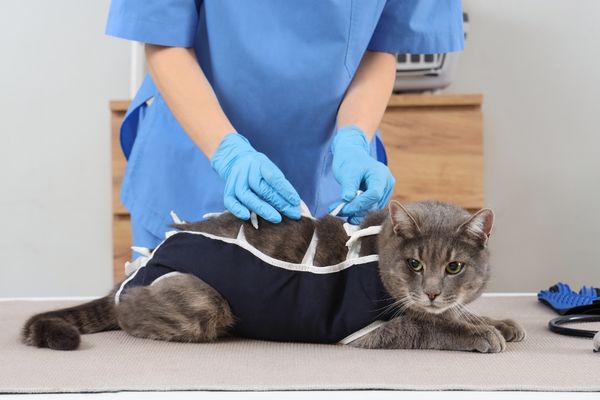
On arrival, expect triage first, then decisions that require a clinic: possible sedation, emesis or gastric lavage, additional charcoal, IV fluids, bloodwork, and sometimes overnight hospitalization.
The cost math deserves plain statement, since it is the real reason many owners search for a home option. Charcoal is the cheap part. The emergency exam, fluids, bloodwork, and nursing are the bill, and a home dose keeps the clinic in the plan either way. What it protects is the window while you get there.
That preparedness logic scales with the household. A stocked pet poison first-aid kit covers most homes, and families with working dogs or several animals sometimes build up to the K9 first aid and trauma kits we supply to first responders.
For a cat household, the charcoal dose and the phone numbers are the core.


Charcoal Products That Aren't Emergency Treatment
A meaningful share of shopping around "activated charcoal for cats" is for products with no connection to poisoning. Charcoal cat litter uses the same adsorption chemistry on odor molecules; its one health consideration is dust, which matters for cats with existing airway disease.
Charcoal treats, supplements, and "detox" products have no evidence base for routine feline use, and "just in case" daily dosing is a question for your vet, never a supplement label.
Charcoal air filters and deodorizers are environmental products with no ingestion pathway at all. None of these stands in for veterinary-grade activated carbon in an emergency, and none needs to.
Questions Cat Owners Ask
Can I give activated charcoal to my cat?
Sometimes, and the conditions matter more than the yes. The substance must be one charcoal binds, the ingestion recent, your cat alert and able to swallow, and the dose taken voluntarily in food. A sorbitol-free product formulated for palatability makes the voluntary part realistic. When any condition fails, the answer is the clinic.
How long does activated charcoal take to work in a cat?
Immediately, in the sense that matters: it binds on contact in the gut. Whether it worked shows up in your vet's bloodwork and your cat's condition over the next day or two, not in anything you can watch for at home.
Do vets recommend activated charcoal?
Yes, situationally. Veterinarians use it regularly for recent ingestions of substances it binds, in patients who can protect their airway. The substance, the timing, and the cat's condition define the situation. It is one decontamination tool inside a larger veterinary plan.
Can I put activated charcoal in my cat's litter box?
Charcoal litter and litter additives are a different product for a different job: odor control. They have no role in a poisoning, and emergency charcoal has no role in the litter box.

The Three Calls You're Equipped to Make
A poisoning scare compresses everything into a few minutes, and this piece comes down to three decisions. Does the substance bind to charcoal, or is it on the list that goes straight to the clinic? Can your cat safely take a dose, meaning alert, able to swallow, and willing to eat it? And are you inside the window?
Get those three right and charcoal does its one job: holding the toxin in the gut while you and your veterinarian handle everything else. Keep the poison control numbers saved and a dose where you can find it, and let the clinic take it from there.