Pet Emergency Preparedness · Updated 2026
Most pet poisoning deaths happen during the drive to the vet — not at the vet. Here's the complete at-home first-aid kit: what to include, where to store it, and how to use it.
Ask any emergency vet which cases have the best outcomes, and you'll get the same answer: the ones where the owner acted in the first 30 minutes. The kit in your kitchen drawer matters more than the hospital 45 minutes away — because the bridge between ingestion and professional care is where most pets are lost.
This is the complete, veterinary-informed checklist for an at-home pet poison first-aid kit. Build it before you need it. Because you won't have time once you do.
Quick Answer
A proper at-home pet first-aid kit should include ReadyRESCUE™ Activated Carbon for toxin decontamination, rescue oxygen for respiratory emergencies, basic wound care supplies, and 24/7 poison control numbers. Build it before you need it — because you won't have time once you do.
A proper at-home pet first-aid kit should include ReadyRESCUE™ Activated Carbon for toxin decontamination, rescue oxygen for respiratory emergencies, basic wound care supplies, and 24/7 poison control numbers. Build it before you need it — because you won't have time once you do.
Why Most Pet Owners Are Under-Prepared
Vet ERs are typically 30–60 minutes away. Add intake, triage, and workup, and you're easily at 90 minutes before active treatment begins. For fast-acting toxins like xylitol, chocolate, or grapes, that's the difference between "a scary story we tell" and "a loss we grieve."
90 minutes Typical gap between ingestion and active vet treatment. A real first-aid kit closes that gap.
A real pet first-aid kit isn't decorative. It's the bridge.
The Core Kit: What Every Home Should Have
🧪 Activated Carbon
The single highest-impact item. Binds chocolate, grapes, meds, THC, and more before they hit the bloodstream.
🫁 Rescue Oxygen
For respiratory distress, smoke inhalation, severe allergic reaction, and post-anesthetic recovery at home.
🩹 Wound Care
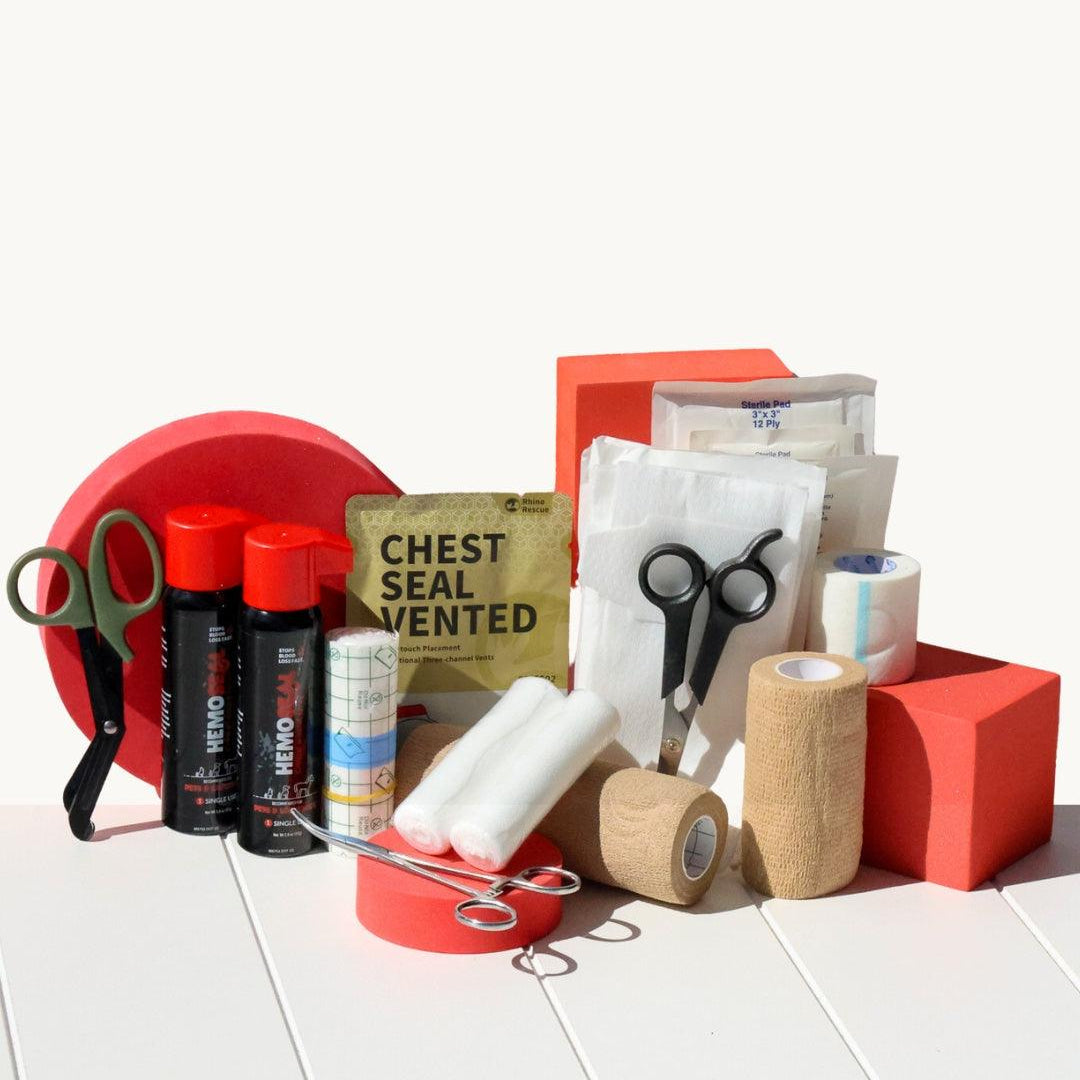
Vet wrap, gauze, sterile saline, styptic powder, blunt-tip scissors — the basics for cuts and nail bleeds.
1. Activated Carbon for Toxin Decontamination
The single highest-impact item in your kit. Activated carbon binds a huge range of common household toxins — chocolate, grapes, onions, garlic, human medications, THC, rodenticides, cleaning chemicals — before they reach the bloodstream.
ReadyRESCUE™ is veterinary-grade, sorbitol-free, and designed for at-home use. It mixes into food, passes harmlessly if no toxin is present, and dose-scales by weight. See our full guide on how activated charcoal for dogs works.
Replace: annually (check expiration date on the vial).

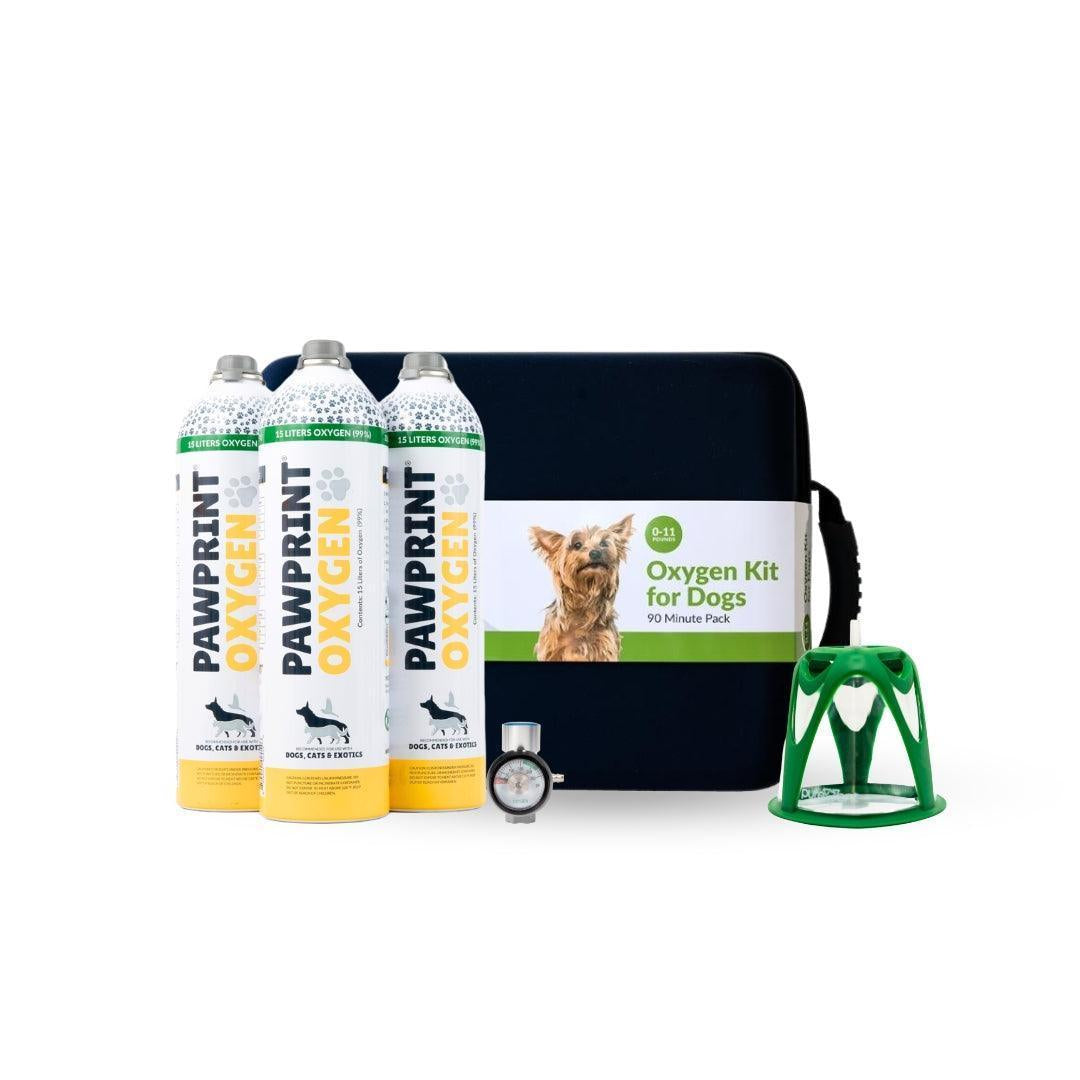
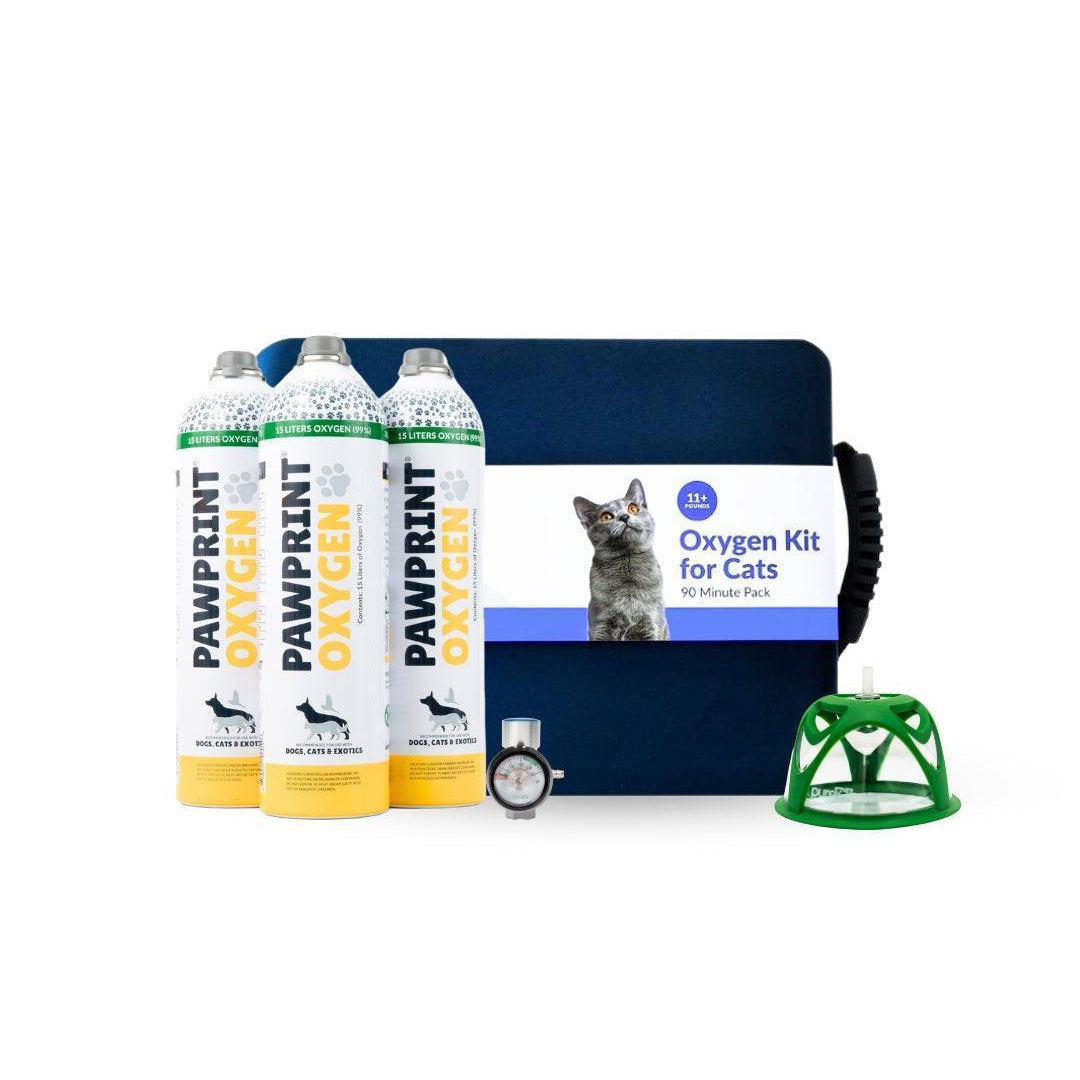
2. Rescue Oxygen
Respiratory distress is the other big killer before you reach the vet — from smoke inhalation, collapsed airway, severe allergic reaction, congestive heart failure flare-ups, and post-anesthetic recovery at home. A portable pet oxygen canister delivers medical-grade O₂ through a pet-specific mask.
Replace: check pressure gauge monthly; replace canisters as needed.
3. Bandaging and Wound Care
- Self-adhering bandage wrap (vet wrap) in multiple widths
- Non-stick gauze pads
- Sterile saline for flushing wounds and eyes
- Styptic powder for nail bleeds
- Blunt-tip bandage scissors
- Cotton balls and Q-tips
4. Tools
- Digital rectal thermometer (normal dog/cat temp: 100.5–102.5°F)
- Water-based lubricant for the thermometer
- Tweezers and tick remover
- Muzzle sized for your pet (even the sweetest dog may bite when in pain)
- Syringe (no needle) for oral medications or flushing
5. Medications and Supplements (vet-approved only)
- Pet-safe antihistamine (diphenhydramine) — dose per your vet
- Saline eye wash
- Hydrogen peroxide 3% — only for vet-directed emesis; never self-administer without a call first
- Pet-specific antiseptic spray
- Any chronic medications your pet takes, with at least a week's backup supply
6. Documents
- Copies of vaccination records
- List of current medications and dosages
- Your regular vet's phone number
- Your nearest 24-hour ER vet's address and phone
- ASPCA Animal Poison Control: (888) 426-4435
- Pet Poison Helpline: (855) 764-7661
7. Comfort and Transport
- A clean towel or small blanket
- Spare leash and collar
- Soft-sided carrier (for cats and small dogs)
- Treats for distraction
Where to Store It
One central, accessible location — not spread across three drawers. A clearly labeled plastic tote near your pet's food area works well. Make sure every member of your household knows where it is and what's in it.
🎒
Build a "go bag" too. A smaller travel version of your kit for the car — especially if you travel with your pet, hike, or have a large home where the main kit might be far from the emergency.
Get the full comprehensive kit today
How to Build Kit-Use Muscle Memory
Owning the tools isn't enough — you need to know how to use them under stress.
- Do a dry run. Once a year, walk through each item and remind yourself what it's for.
- Program poison control into your phone as a contact, not a bookmark.
- Know your pet's weight (update every 6 months).
- Take a pet first-aid class. The American Red Cross offers online modules.
- Talk to your vet about pre-authorized at-home actions — some vets will pre-approve hydrogen peroxide dosing or activated carbon so you don't waste time when a real emergency hits.
Common Emergencies Your Kit Should Handle
| Scenario | Primary Tool |
|---|---|
| Ate chocolate, grapes, onions, or medications | ReadyRESCUE™ Activated Carbon |
| Ate xylitol | ReadyRESCUE™ + call vet immediately |
| Respiratory distress / collapse | Rescue Oxygen + ER |
| Cut paw pad | Saline + gauze + vet wrap |
| Nail cut too short | Styptic powder |
| Minor allergic reaction | Diphenhydramine (vet-approved dose) |
| Tick bite | Tick remover + antiseptic |
| Bee sting | Remove stinger + cold compress + diphenhydramine |
| Burn | Cool water + saline + vet visit |
Severe versions of all of these still need a vet. The kit makes sure they survive the trip.
What NOT to Put in Your Pet Kit
⚠️
Skip these items. Human medications (unless vet-approved) — acetaminophen, ibuprofen, aspirin, Pepto-Bismol, Imodium, and many cold meds are toxic to pets. See the AVMA household hazards list. Also skip tourniquets (cause more harm than good without training), expired items, and random "natural detox" supplements.
- No human meds unless specifically vet-approved
- No expired items — run a quarterly check
- No tourniquets without formal training
- No random supplements or "natural detox" products — stick to evidence-based tools
"A pet first-aid kit isn't a luxury. It's the bridge between the moment something goes wrong and the moment a veterinarian can take over."
Frequently Asked Questions
How often should I refresh the kit?
Do a full inventory and expiration check every 6 months. Replace activated carbon and rescue oxygen canisters per manufacturer dates.
Is ReadyRESCUE™ safe for cats?
Do I still need to go to the vet if I use my kit?
Almost always, yes. At-home tools buy time; they don't replace professional care.
Can I bring ReadyRESCUE™ on a plane?
Yes — it's a non-aerosol, non-liquid powder in a sealed vial. Check your airline's specific policies.
What's the one thing I should add first?
If you're starting from zero, ReadyRESCUE™ Activated Carbon. Poisoning is the most common pet emergency and the one where minutes matter most.
The Bottom Line
A pet first-aid kit isn't a luxury — it's the bridge between the moment something goes wrong and the moment a veterinarian can take over. Stock it with ReadyRESCUE™ Activated Carbon, rescue oxygen, and the basics above. Store it where you can find it blindfolded. And hope you never need any of it.
Start Your Kit with the Highest-Impact Item
ReadyRESCUE™ is 99.9% pure veterinary-grade activated carbon — sorbitol-free, mixes into food, ready for the moment you hope never comes.
Related Resources from Pawprint Oxygen
- My Dog Ate Chocolate — What to Do Right Now
- My Dog Ate Grapes or Raisins
- Xylitol Poisoning in Dogs
- Activated Charcoal for Dogs: How It Works
- Pawprint Oxygen FAQ
Sources & Further Reading
ASPCA Animal Poison Control Center
Pet Poison Helpline
AVMA — Household Hazards for Pets
American Red Cross — Pet First Aid
Pet First Aid Emergency Kit Pet Safety ReadyRESCUE Activated Carbon Rescue Oxygen Poison Control Dog Health Cat Health
Important: This article is educational and does not replace veterinary advice. Always contact your veterinarian or a pet poison control center in an emergency.