
Yes. A vaccinated dog can still get kennel cough. The bordetella vaccine covers the most common causes of the illness, not every organism that can trigger it, so protection is strong but not absolute. What the vaccine reliably does is make the illness milder, shorter, and less likely to spread to other dogs.
That gap catches a lot of owners off guard, especially when a dog comes home coughing a few days after a boarding stay. Kennel cough, known more formally as canine infectious respiratory disease complex (CIRDC), is one of the most common respiratory illnesses in dogs, and it moves quickly through daycares, kennels, groomers, and dog parks.
Here is what the bordetella vaccine actually protects against, how the intranasal, oral, and injectable versions differ, how often your dog needs it, which side effects are normal afterward, and when a cough stops being routine and needs your veterinarian.
Table of Contents

What Is Kennel Cough?
Kennel cough is a contagious, multifactorial respiratory infection affecting the upper airway. It falls under a broader classification called canine infectious respiratory disease complex (CIRDC), which involves a mix of viral and bacterial pathogens rather than one single organism. That detail matters, because it is the main reason a vaccinated dog can still get sick.
Common symptoms include:
| Dry, honking cough | Often sounds like a goose honk |
| Retching or gagging | May resemble vomiting |
| Sneezing or nasal discharge | Mild, clear mucus is common |
| Mild fever | Sometimes present |
| Loss of appetite | Especially in more severe cases |
How it spreads:
Kennel cough is highly contagious. It transmits through airborne droplets, direct nose-to-nose contact, and contaminated surfaces like shared toys, water bowls, or bedding. Signs usually appear 2 to 14 days after exposure, which is why a dog often starts coughing well after the boarding stay or daycare visit that caused it.
For a fuller breakdown of the illness itself, see our guide to what kennel cough is in dogs. If you are not sure whether what you are hearing is kennel cough, read how to tell if it's kennel cough or something more serious.
What the Bordetella Vaccine Protects Against
The bordetella vaccine, commonly called the kennel cough vaccine, comes in three forms. Your veterinarian picks one based on your dog's age, health, and how much exposure they get.
Types of vaccines:
- Intranasal: Delivers immunity quickly, often preferred in high-risk environments.
- Injectable: Common and convenient, but may take longer to take effect.
- Oral: Less common, but easy to administer.
The intranasal and oral versions work at the mucous membranes where the bacteria first take hold, and protection typically begins within about 3 to 5 days. The injectable version goes under the skin and requires two doses 2 to 4 weeks apart the first time, with full protection developing a week or two after that second dose. Whichever form your dog gets, immunity lasts roughly 12 months.
Common pathogens covered:
- Bordetella bronchiseptica – the main bacterial cause of kennel cough.
- Parainfluenza virus – one of the viral contributors.
CIRDC can also involve canine adenovirus type 2, canine influenza virus (H3N2 and H3N8), and Mycoplasma, and no single kennel cough vaccine covers all of them. Protecting against the two most common causes lowers the odds substantially. It does not make infection impossible.
Why Dogs Can Still Get Kennel Cough After Vaccination
Even if your dog is vaccinated, there are several reasons why they may still get kennel cough.
Multiple Pathogens Involved: Vaccines don't protect against all strains or organisms.
Varying Immune Response: Just like in people, some dogs develop better immunity than others.
High Exposure Risk: Overcrowded kennels or poor ventilation can overwhelm even a vaccinated dog's immune system.
Timing: It takes time (usually 3-10 days) for the vaccine to become effective. If your dog was exposed before or shortly after vaccination, they may still get sick.
Waning Immunity: Immunity fades over time. If your dog's last booster was more than a year ago, protection may be reduced.
How Vaccination Helps Even If It Doesn’t Prevent Infection
When a vaccinated dog does catch kennel cough, the illness is usually far milder and shorter than it would be in an unvaccinated dog. This is the same kind of partial protection you get from a human flu shot. It is not a wall, it is a buffer.
Benefits of vaccination:
- Shortens duration of illness
- Reduces severity of symptoms
- Decreases risk of complications like pneumonia
- Minimizes transmission to other dogs, especially important in shelters or group housing
- Supports community-level protection (herd immunity)
This is why boarding facilities, daycares, groomers, and veterinary hospitals routinely require proof of bordetella vaccination. It also means a vaccinated dog with a mild cough can still shed the bacteria and infect other dogs, so keep them home until your veterinarian confirms the contagious window has passed.
How Often Does Your Dog Need the Bordetella Vaccine?
Most dogs get the bordetella vaccine once a year. Dogs with heavy exposure, meaning regular boarding, daycare, grooming, dog parks, or shelter time, are often moved to a six-month schedule instead. Plenty of boarding facilities require a booster within the last six months regardless of what your own schedule looks like.
Puppies can start earlier than most owners expect. Depending on the formulation, the first dose is given somewhere between 3 and 8 weeks of age, and the injectable version needs a second dose a few weeks after that.
The timing detail worth writing down is this: give the vaccine at least 5 to 7 days before boarding, and closer to two weeks if your dog is getting the injectable version for the first time. A vaccine given the morning of drop-off has not had time to do anything yet, which is one of the more common reasons a dog comes home coughing from a stay their paperwork said they were covered for.
Your veterinarian will set the right interval based on your dog's lifestyle and risk level.
Side Effects of the Bordetella Vaccine
Most dogs handle the bordetella vaccine easily. The side effects that do show up are usually mild and resolve on their own within a few days.
After the intranasal or oral version, some dogs sneeze, develop a runny nose, or cough a little for two or three days. That happens because those versions use a modified live organism delivered straight to the tissues where a real infection would begin. After the injectable version, the more typical reactions are soreness at the injection site, a quiet day or two, and occasionally a low-grade fever.
This is where a lot of owners ask whether the vaccine gave their dog kennel cough. In almost every case, it did not. A mild post-vaccine cough shows up within a day or two and fades quickly, while a true infection tends to arrive later, sound harsher, and keep going. If the cough is worsening after three or four days, lasts more than a week, or comes alongside lethargy or appetite loss, treat it as an infection and call your veterinarian.
Serious allergic reactions are rare. Facial swelling, hives, vomiting, or trouble breathing shortly after any vaccine is an emergency and needs immediate veterinary care.
How to Further Protect Your Dog from Kennel Cough
Vaccination is one layer of protection. These habits cover the gaps it leaves:
- Stay current on vaccines – especially Bordetella, canine influenza, and parainfluenza.
- Avoid crowded pet areas during known outbreaks.
- Ensure proper ventilation in kennels and indoor dog spaces.
- Disinfect shared items and surfaces like toys, water bowls, and leashes.
- Isolate symptomatic dogs immediately and monitor for worsening signs.
If your dog does start coughing, keep them away from other dogs until your veterinarian confirms they are no longer contagious. Our guide to treating kennel cough at home covers what actually helps during recovery.

When To See the Vet
Most cases of kennel cough resolve on their own, but you should call your veterinarian if your dog experiences:
Persistent coughing (more than 7–10 days)
Lethargy or weakness
Loss of appetite
Fever
Trouble breathing or wheezing
Young puppies, senior dogs, and dogs with compromised immune systems are more vulnerable to complications like bacterial pneumonia.
What causes kennel cough—bacteria, viruses, or both?
Kennel cough is caused by both bacteria and viruses. It’s a highly contagious illness that often spreads in environments where dogs are in close contact, such as kennels, doggy daycares, and shelters. The most common bacterial culprit is Bordetella bronchiseptica, while viral contributors can include canine parainfluenza virus, canine adenovirus type 2, and canine influenza virus, among others.
These pathogens can act alone or in combination to compromise the respiratory tract, making dogs more vulnerable to secondary infections. This is why kennel cough can vary in severity—from a mild cough to more serious symptoms like lethargy, loss of appetite, and fever. Vaccinations and good hygiene practices are key to reducing the risk of infection.
Is kennel cough the same as a dog cold or flu?
Kennel cough is similar to a dog cold or flu in that it affects the respiratory system and can cause symptoms like coughing, sneezing, nasal discharge, and lethargy. However, kennel cough is not exactly the same—it’s a specific illness often caused by a combination of viruses and bacteria, most commonly Bordetella bronchiseptica and canine parainfluenza virus . It's highly contagious and typically spreads in places where dogs congregate.
In contrast, the term "dog cold" is a more general way to describe mild respiratory symptoms, while "dog flu" usually refers to a specific viral infection caused by canine influenza viruses like H3N8 or H3N2 . So while the symptoms can overlap, kennel cough is its own distinct condition within the broader category of canine respiratory illnesses.
How long is a vaccinated dog contagious?
Signs typically appear 2 to 14 days after exposure, and a dog is contagious during that incubation window as well as while symptoms are present. Most dogs stop shedding within about two weeks of recovering, though Bordetella bronchiseptica can persist longer in some dogs. Vaccination shortens the illness and reduces how much your dog sheds, but it does not eliminate shedding. Plan to keep a coughing dog away from other dogs, and away from boarding, daycare, and the dog park, until your veterinarian tells you the contagious period has passed.
Can a vaccinated dog spread kennel cough to other dogs?
Yes. The bordetella vaccine produces what is called non-sterilizing immunity, meaning it reduces illness rather than blocking infection outright. A vaccinated dog with a mild cough, or even no visible symptoms at all, can still carry and pass on the organisms behind kennel cough. This is why an entire daycare can see an outbreak despite every dog being current on vaccines, and why isolating a coughing dog matters even when the case looks minor.Is the bordetella vaccine necessary if my dog doesn't board?
Is the bordetella vaccine necessary if my dog doesn't board?
That is a conversation for your veterinarian, but exposure is broader than most owners assume. Grooming appointments, training classes, veterinary waiting rooms, dog parks, and even a sidewalk greeting with a neighbor's dog all carry some risk, and kennel cough spreads through the air as well as by direct contact. Dogs who genuinely never encounter other dogs are lower risk. For most household pets, annual vaccination is the simpler call.

Treatment Options for Kennel Cough
Mild Cases |
Rest, hydration, and supportive care at home |
Veterinary Care |
May include: |
| - Antibiotics for secondary bacterial infections | |
| - Cough suppressants or anti-inflammatories | |
| - Nebulizers or bronchodilators in severe cases | |
Severe Cases |
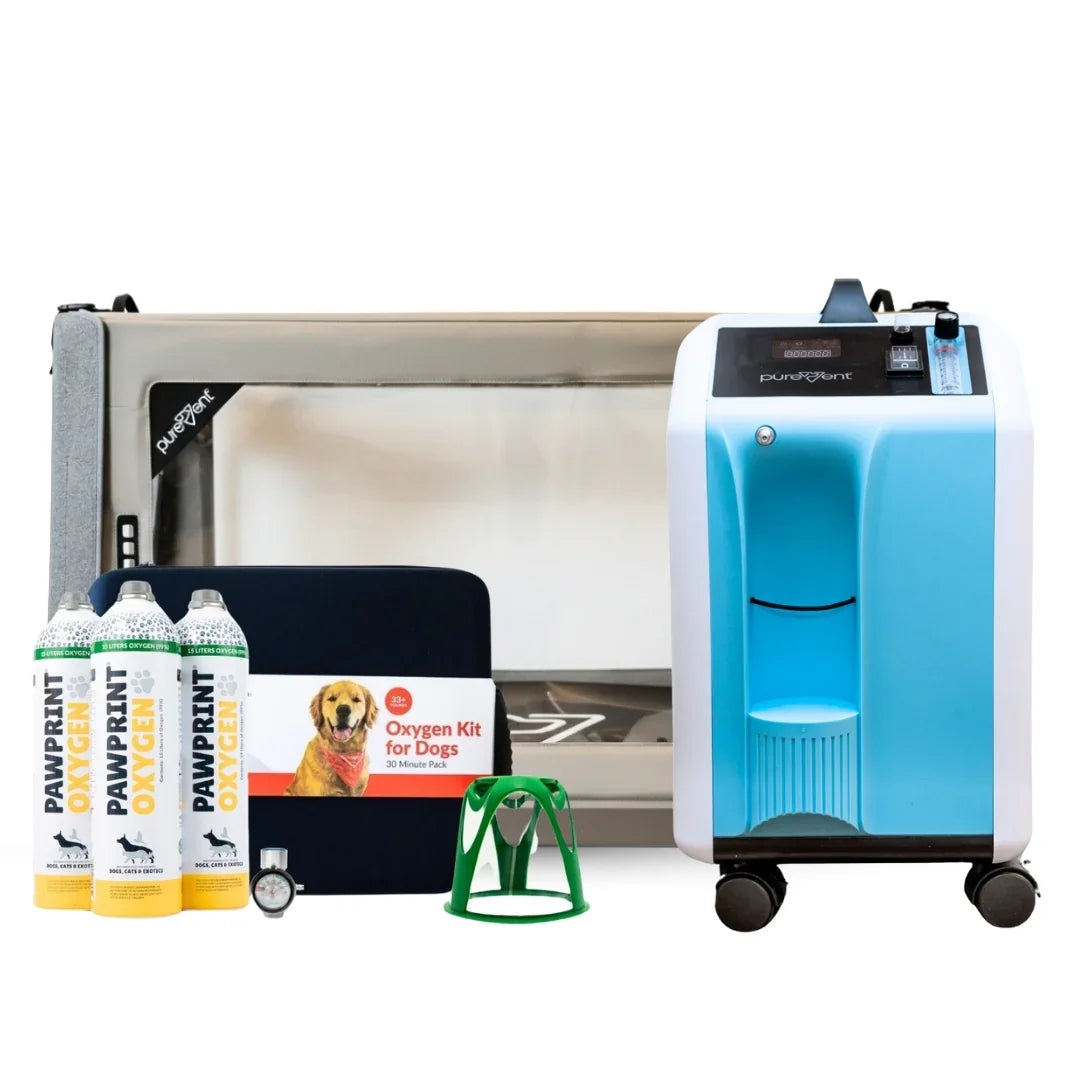
May require supplemental oxygen therapy at home hospitalization, or IV fluids |
Two small things help more than owners expect during recovery. Switch from a collar to a harness so the leash stops pressing on an already irritated windpipe, and run a hot shower and sit with your dog in the steamy bathroom for 10 to 15 minutes to loosen things up. If symptoms are not improving within 10 days, or worsen at any point, call your veterinarian.
When a Kennel Cough Case Needs Oxygen Support
Most dogs with kennel cough never need oxygen. It becomes relevant in the small share of cases that progress to pneumonia or genuine respiratory distress, where a dog is working hard to breathe and is not moving enough oxygen into the bloodstream. In those situations supplemental oxygen does not treat the infection. It eases the strain on your dog's respiratory system and buys time while your veterinarian treats the underlying cause.
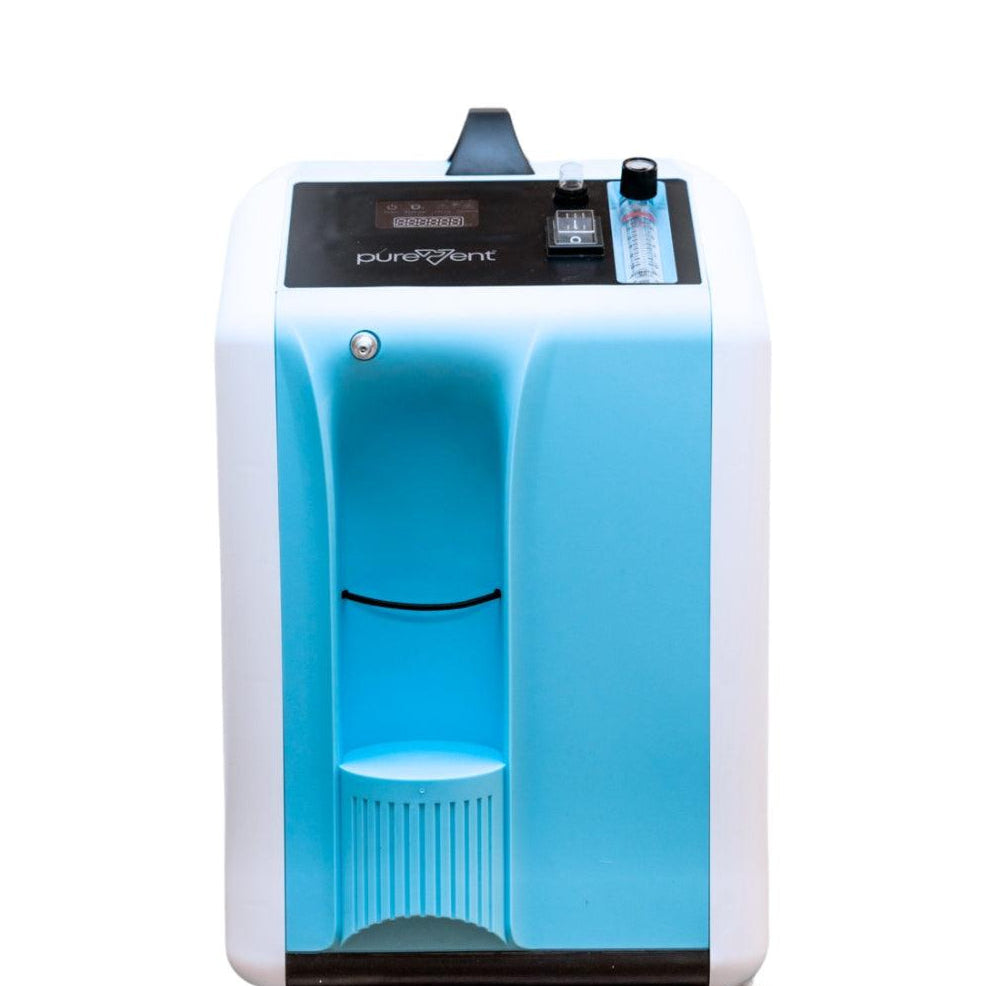
If your dog is in a higher-risk group, or has already had one pneumonia scare, ask your veterinarian whether at-home oxygen support belongs in your plan. That decision is theirs to make, including whether it is appropriate at all and how it would be used. Oxygen concentrators require a prescription; masks, chambers, and rescue kits do not. Our guide to helping a dog with pneumonia covers what recovery support usually looks like.

Staying Proactive
The bordetella vaccine is worth giving. It is not a guarantee against kennel cough, and it was never built to be one. It covers the most common causes, blunts the illness when something gets through, and reduces the chance your dog passes it to every other dog in the building.
If your vaccinated dog is coughing right now, the odds strongly favor a mild case that resolves with rest, hydration, and a week or two of patience. Keep them away from other dogs, watch their breathing rather than just their cough, and use the thresholds above to decide when it is time to call.
For the full picture on the illness itself, our complete kennel cough FAQ covers diagnosis, treatment, and recovery in more depth.