A pet oxygen concentrator and a portable oxygen kit serve different but complementary roles in providing oxygen for pets. Concentrators provide continuous, long-term oxygen support for chronic conditions and recovery, while portable kits are best for emergencies and transport. The right choice depends on your pet’s needs, but many pet owners benefit from having both for complete coverage.
Table of Contents
When a pet is struggling to breathe, having access to oxygen therapy can make a critical difference. From acute respiratory distress to post-surgical recovery and chronic conditions like heart disease or collapsing trachea, oxygen support is often recommended by veterinarians to stabilize and support your pet.
Pet owners today typically have two main options: a pet oxygen concentrator or a portable oxygen kit for pets. While both deliver oxygen, they are designed for very different situations. This guide will walk you through the key differences so you can confidently choose the right oxygen device for pets based on your pet’s medical needs.

What Is a Pet Oxygen Concentrator?
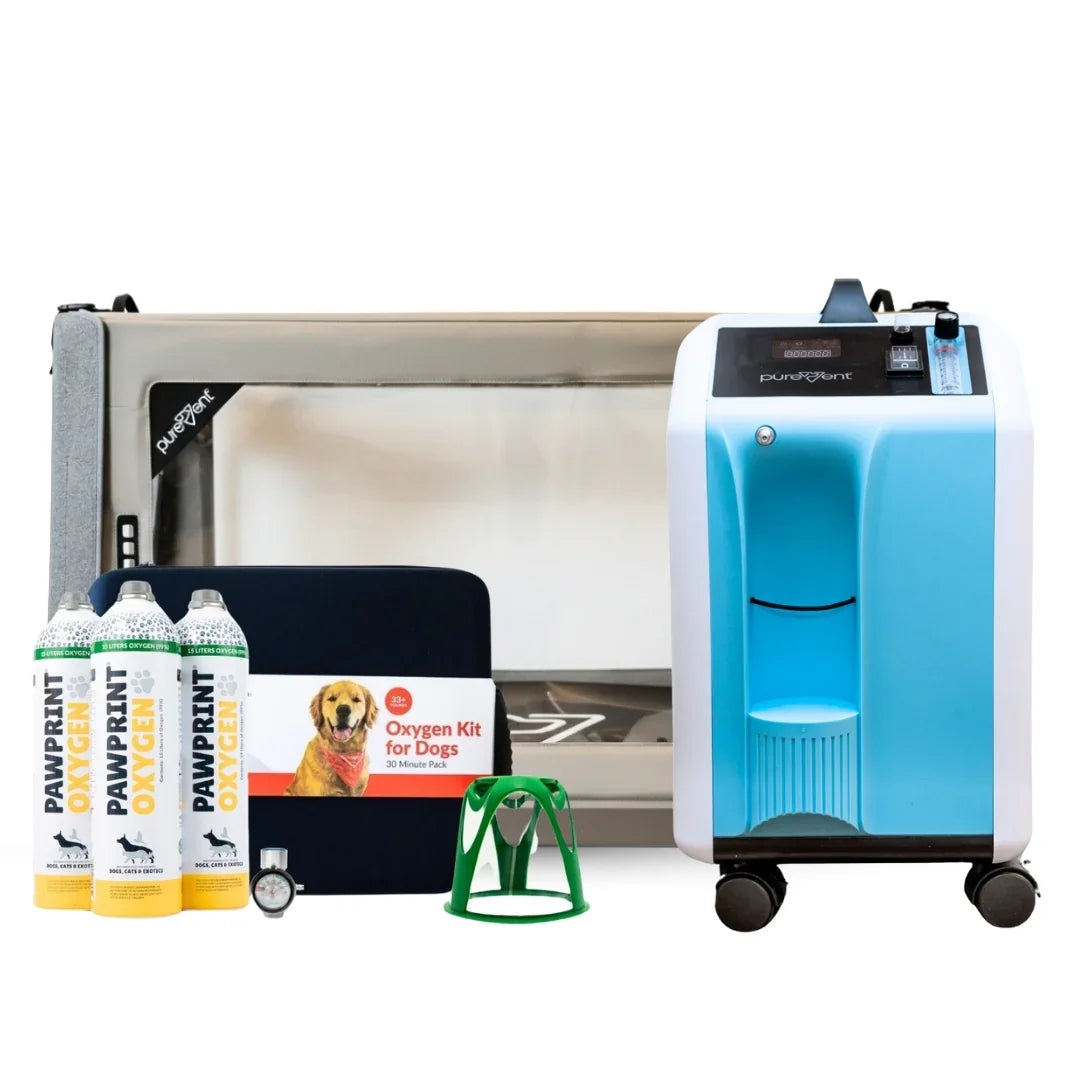
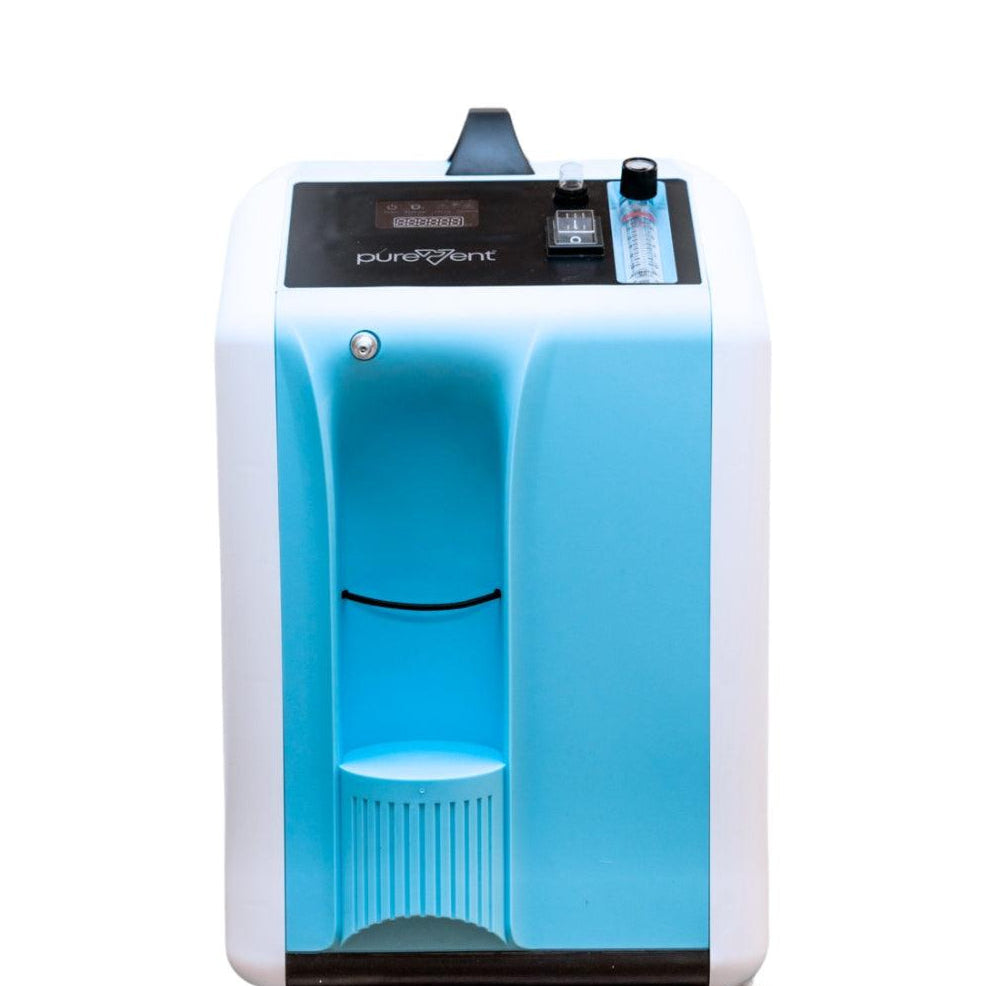
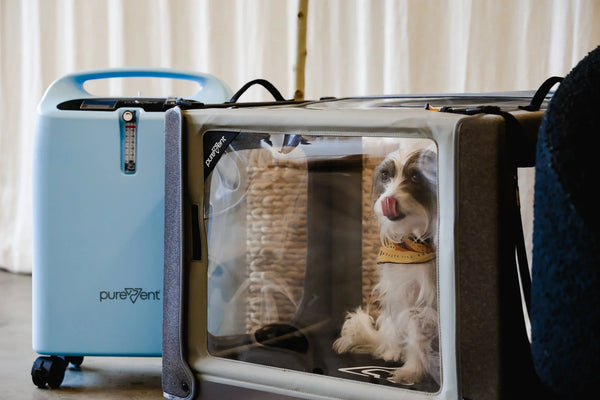
A pet oxygen concentrator is a medical-grade device that pulls in room air, removes nitrogen and other gases, and delivers concentrated oxygen through a continuous flow. Medical-grade oxygen concentrators like the PureVent Pet Oxygen Concentrator, are commonly used in both veterinary clinics and at home for pets requiring ongoing oxygen therapy.
These systems are typically paired with oxygen chambers or masks and are best described as a continuous oxygen delivery system, meaning they can run for extended periods without interruption.
Key Features of a Pet Oxygen Concentrator:
- Continuous flow oxygen output
- Adjustable flow rate control for precise oxygen delivery
- No refills required (creates oxygen from the ambient air)
- Requires electricity to operate
Because of their reliability and consistency, concentrators are the go-to option for long-term oxygen therapy.
What Is a Portable Oxygen Kit for Pets?
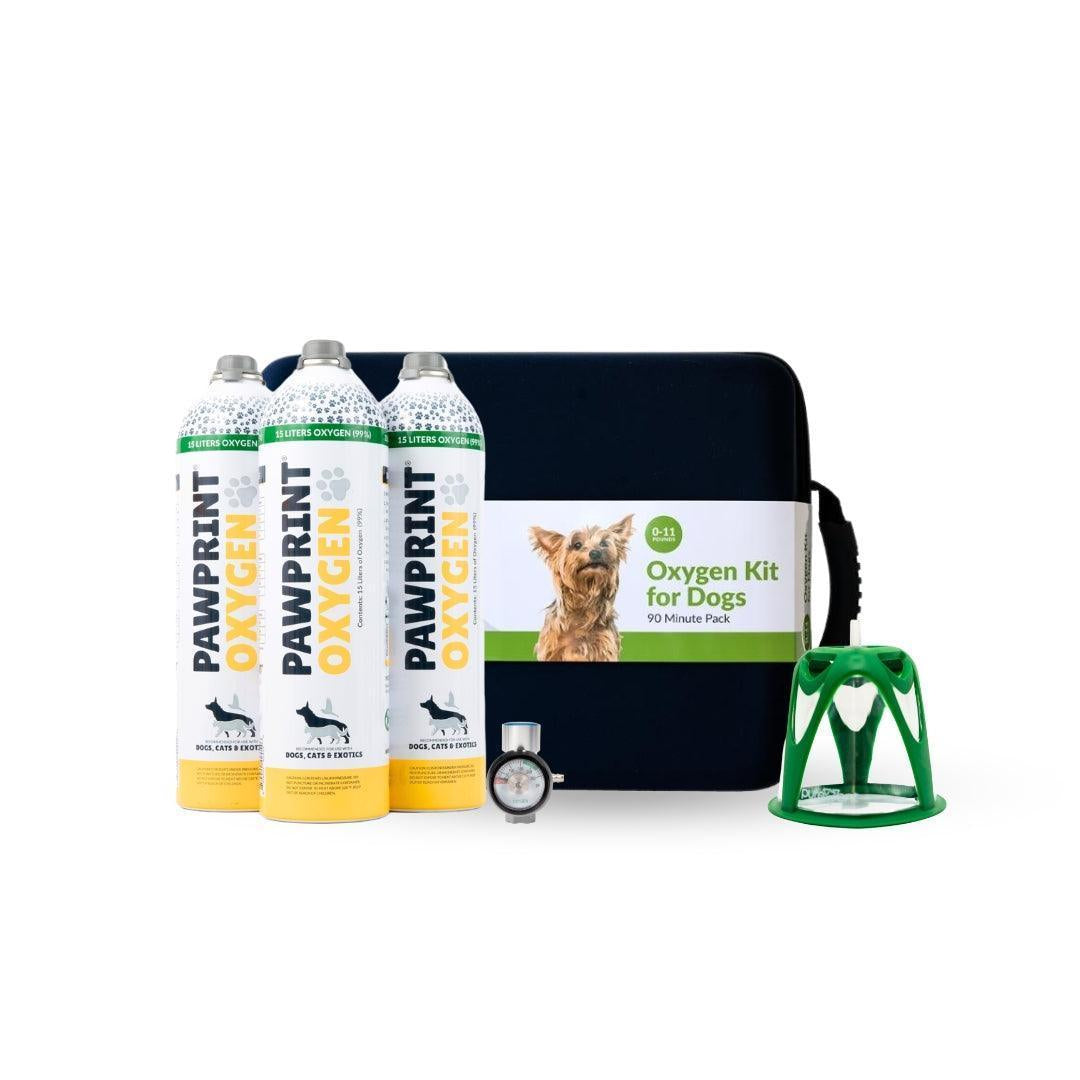
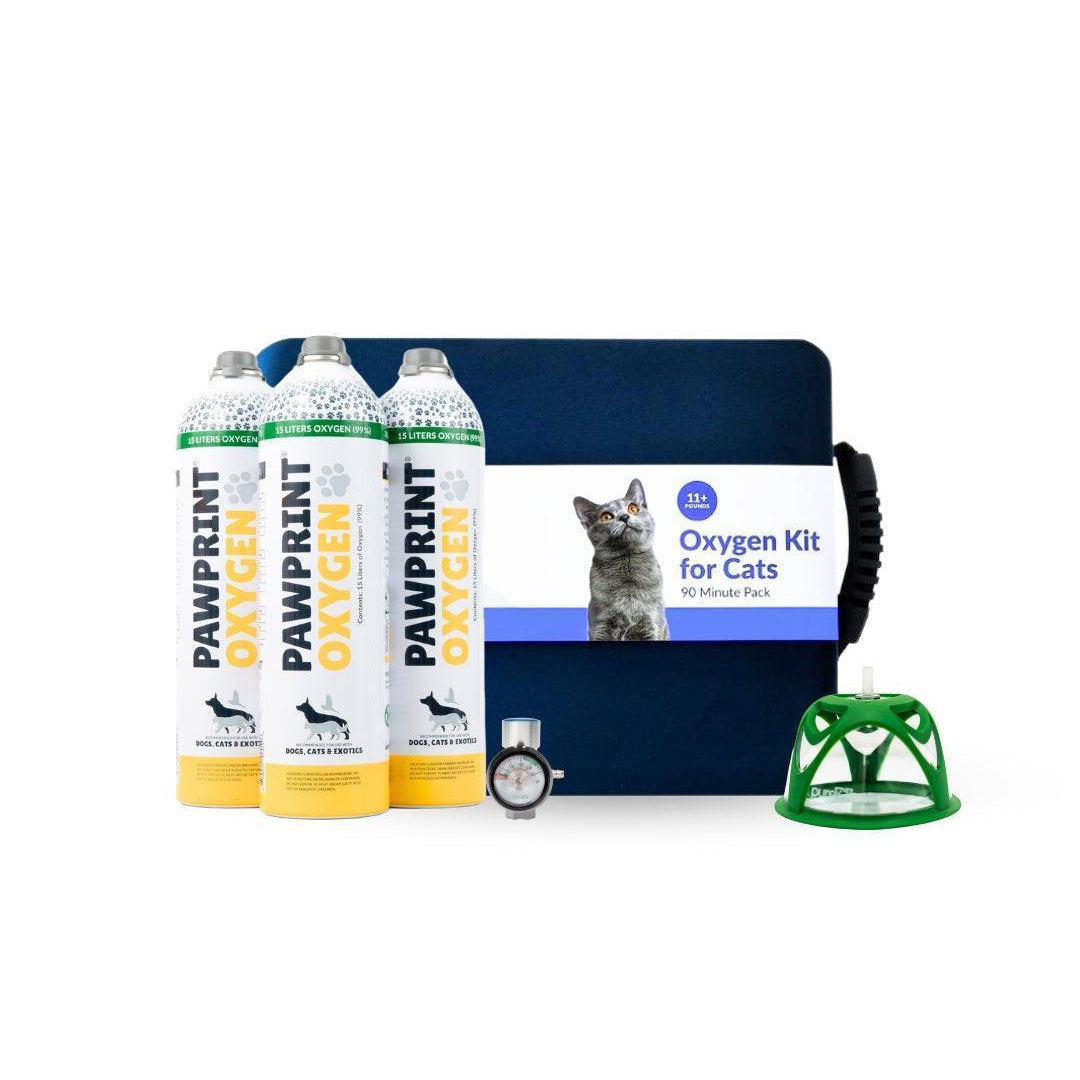
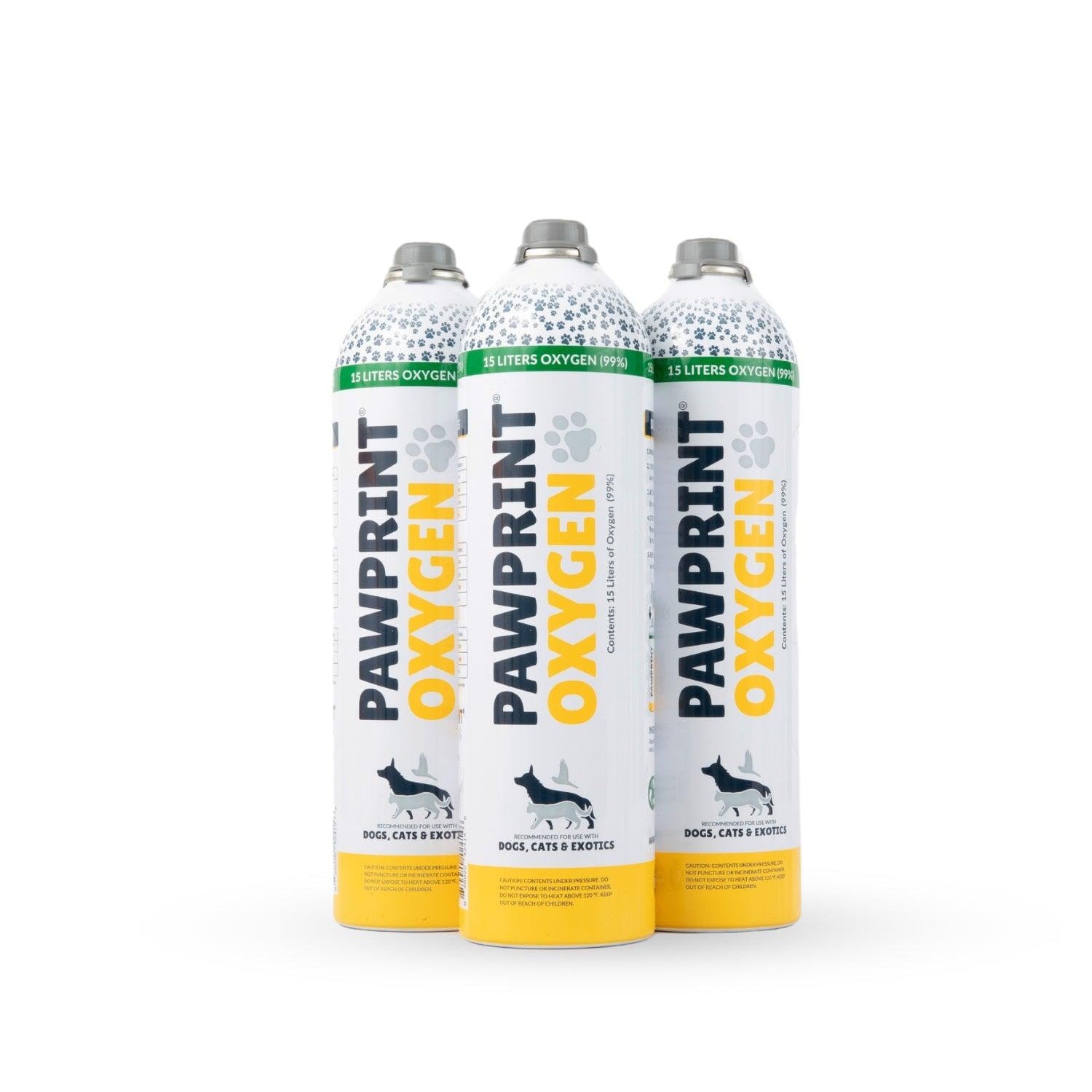
The Pawprint Oxygen Portable Oxygen Kit for Pets, often referred to as a portable oxygen tank for pets or dog oxygen kit, is a compact, ready-to-use system that delivers oxygen from pre-filled canisters.
These kits include a regulator and oxygen mask, allowing pet owners or veterinary staff to administer oxygen quickly in urgent situations. Unlike concentrators, they do not require electricity to operate, so they are perfect for on-the-go.
Key Features of a Portable Oxygen Kit for Pets
- Lightweight and easy to transport
- Preset flow rates based on pet size
- Finite oxygen supply per canister
- No power source required
Portable kits are designed for mobility and rapid response, making them an essential tool for emergencies.
Key Differences: Concentrator vs Portable Oxygen for Pets
Understanding the differences between these two systems is essential when deciding which is best for your pet.
Core differences include:
- Continuous flow vs intermittent use: Concentrators provide continuous oxygen, while portable kits deliver a limited supply and are typically reserved for acute respiratory distress.
- Duration of use: Concentrators can run for hours at a time; portable kits are designed for short-term use.
- Setup and ease of use: Portable kits are simpler and faster to deploy; concentrators require setup and power.
- Mobility vs stationary use: Portable kits are ideal for transport; concentrators are best for stationary use at home or in-clinic.
In short, concentrators are built for endurance, while portable kits are built for speed and flexibility.
Pet Oxygen Concentrator (Best For:)
- Long-term oxygen therapy
- Chronic respiratory conditions (CHF, bronchitis, pulmonary hypertension, feline asthma)
- Post-surgical recovery
- In-home stationary use
Portable Oxygen Kit for Pets (Best For:)
- Emergencies and first response
- Transport to a veterinary clinic or ER
- Short-term oxygen support
- Backup oxygen supply for the concentrator in case of power outages or equipment failure
Pros and Cons of a Concentrator vs a Portable Kit: Oxygen for Pets
Pet Oxygen Concentrator
Pros:
- Unlimited oxygen supply
- Precise flow rate control
- Ideal for extended therapy sessions
- Cost-effective over time
Cons:
- Requires a power source
- Less portable than other options
- Higher upfront cost (though rental options, such as through Pawprint Oxygen, can reduce initial investment)

Portable Oxygen Kit for Pets
Pros:
- Highly portable and lightweight
- Easy to use immediately, even in stressful situations
- No electricity required
- Ideal for emergencies and transport
Cons:
- Limited oxygen duration per canister
- Requires replacement canisters for continued use
Cost and Maintenance Comparison
Pet Oxygen Concentrator
- Higher upfront investment
- Minimal ongoing costs after purchase
- Occasional maintenance required:
- Monthly cleaning with a damp cloth
- Replacement of the box filter approximately every 5,000 hours of use
Portable Oxygen Kit for Pets
- Lower initial cost
- Ongoing cost for replacement canisters
- No technical maintenance required
When evaluating cost, it’s important to consider how often you’ll need oxygen therapy. For long-term use, a concentrator is typically more economical over time.
How can I find out what oxygen equipment is right for my pet?
Speaking with your veterinarian is the best way to find out which option is best for your pet's specific medical needs.
What medical conditions does portable oxygen help treat?
Portable oxygen can help with respiratory distress caused from a number of medical conditions. These are some of the most common:
Congestive Heart Failure (CHF)
Collapsing Trachea
Chronic Bronchitis
Feline Asthma
Brachycephalic Obstructive Airway Syndrome (BOAS)
Hypertrophic Cardiomyopathy (HCM)
Laryngeal Paralysis
Pneumonia
Degenerative Valve Disorder
MMVD
Hospice and Palliative Care
Pulmonary Edema
Does my pet need both portable oxygen and an oxygen concentrator?
Many pets benefit from having both forms of oxygen equipment on hand, especially for pets who have a degenerative condition, like congestive heart failure. The oxygen concentrator is best for long-term oxygen therapy at home, but having a portable oxygen kit on hand can give pet owner's peace of mind that if there is an emergency, they will have access to oxygen therapy to use while getting to the ER.
Which Situations Require Which Device?
Use a Pet Oxygen Concentrator When:
- Your pet requires ongoing oxygen therapy
- You are managing a chronic respiratory condition at home
- You need consistent oxygen output for extended periods
Use a Portable Oxygen Kit When:
- Your pet is experiencing acute respiratory distress
- You need oxygen support during transport
- You want to be prepared for emergencies
- You need a backup system alongside a concentrator
Can You Use Both Together?
In many cases, the best solution isn’t choosing one; it’s using both.
A portable oxygen kit for pets provides immediate support during emergencies or transport, while a pet oxygen concentrator delivers continuous oxygen for recovery and long-term care. Together, they form a complete oxygen strategy.
Many pet owners and veterinary clinics rely on both systems as complementary pet oxygen equipment to ensure they’re prepared for any situation.

How to Choose the Best Oxygen Device for Your Pet
Choosing the right system depends on your pet’s unique needs. Consider the following:
- Duration of oxygen needs: Short-term vs ongoing therapy
- Severity of condition: Emergency stabilization vs chronic management
- Mobility requirements: At home vs on-the-go support
- Budget considerations: Upfront cost vs long-term value
Most importantly, always consult your veterinarian. They can guide you toward the safest and most effective option based on your pet’s medical condition.
Making a Confident Decision
Both oxygen delivery systems play an important role in supporting pets with breathing difficulties, but they serve very different purposes. There’s no one-size-fits-all solution. The best choice depends on your pet’s condition, lifestyle, and level of care needed. By understanding how each system works, you can make a confident decision and ensure your pet has the oxygen support they need when they need it most.