
This article explains the best at home oxygen options for pets with chronic respiratory disease, outlining how oxygen therapy supports breathing, comfort, and quality of life. It compares pet oxygen concentrators and portable oxygen kits, explaining when each is most effective based on disease severity, frequency of use, and lifestyle needs. By working with a veterinarian to choose the right setup, pet owners can safely provide long-term oxygen support that helps their pets breathe easier at home.
Table of Contents
Chronic respiratory disease in pets includes long-term or recurring conditions that interfere with normal breathing and oxygen exchange, often bringing daily stress and unpredictable flare-ups for both pets and their families. Symptoms like chronic coughing, exercise intolerance, and respiratory distress can significantly reduce quality of life, which is why veterinarians often recommend at home oxygen for pets as supportive care. While not a cure, home oxygen for dogs and cats is one of the most effective forms of oxygen support for chronic respiratory disease and can improve comfort and stability. This guide explains the best at home oxygen options for pets and how to choose the right setup for long-term support.

Overview of Chronic Respiratory Conditions in Pets
“Chronic respiratory disease” describes breathing disorders that are ongoing, progressive, or prone to repeated flare-ups. These conditions often involve airway obstruction, inflammation, or reduced lung function.
Pet owners may notice long-term symptoms such as:
- Persistent or harsh coughing
- Reduced stamina or exercise intolerance
- Labored or noisy breathing
- Sensitivity to heat, humidity, or stress
- Episodic respiratory flare-ups
Because these problems reduce how efficiently oxygen moves into the bloodstream, many pets benefit from long term oxygen therapy delivered at home between veterinary visits.
Why Oxygen Support Helps in Chronic Disease
Supplemental oxygen increases the concentration of oxygen your pet breathes in, which helps raise blood oxygen levels (oxygen saturation). When more oxygen is available with each breath, the body does not have to work as hard to meet its needs.
For pets with chronic respiratory disease, oxygen therapy can:
- Reduce breathing effort
- Decrease respiratory muscle fatigue
- Improve comfort during flare-ups
- Support recovery after exertion or stress
- Stabilize pets during bad breathing days
It’s important to understand that oxygen is supportive care, not a cure. It works best when used alongside veterinarian-directed treatment such as medications, weight management, and environmental control. Still, the right oxygen solution for chronic breathing problems can significantly improve day-to-day quality of life.
Is at home oxygen therapy safe for my pet?
Yes, when used under veterinary guidance with proper flow rates and pet-specific equipment, at home oxygen therapy is safe and well tolerated by most pets.
How do I know if my pet needs oxygen at home?
Pets with chronic respiratory disease, heart disease, or recurring breathing distress may benefit from home oxygen, especially if symptoms worsen between veterinary visits.
How long should each oxygen session last?
Session length varies by condition and severity, but many pets receive oxygen in short sessions during flare-ups or longer, scheduled sessions for chronic support as directed by a veterinarian.
Should I choose a concentrator or portable oxygen kit?
Concentrators are best for regular, long-term use at home, while portable oxygen kits are ideal for emergencies, travel, or as backup support.
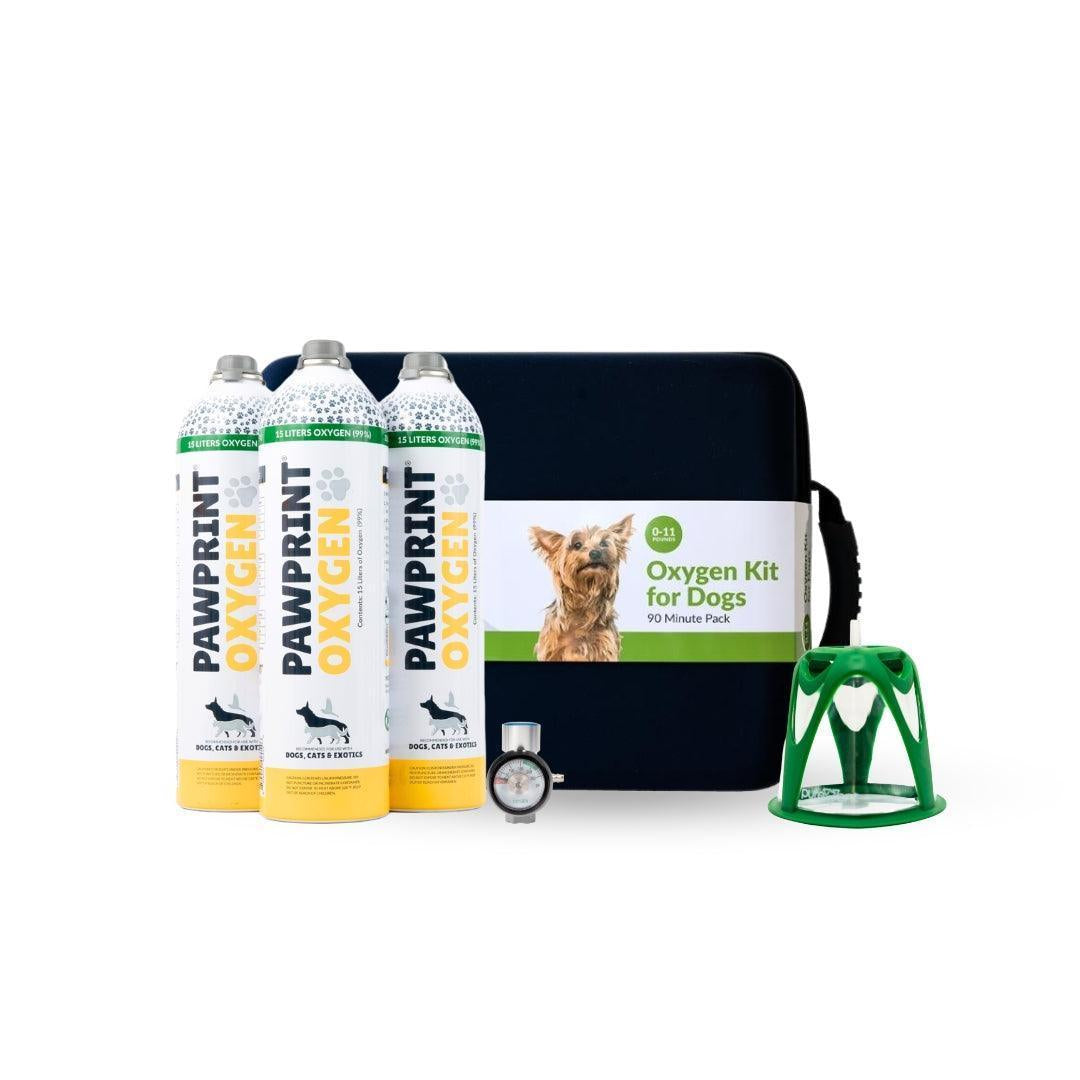
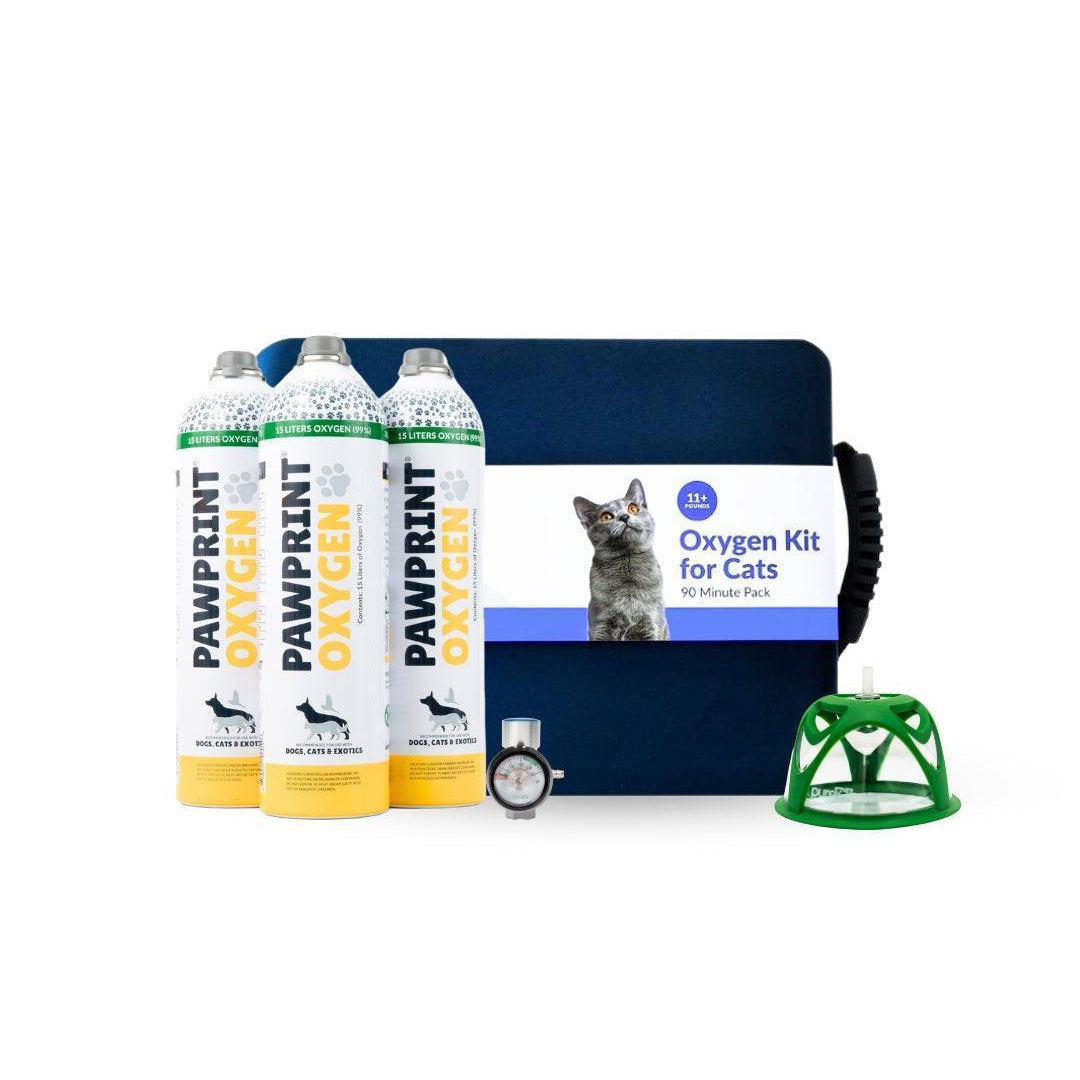
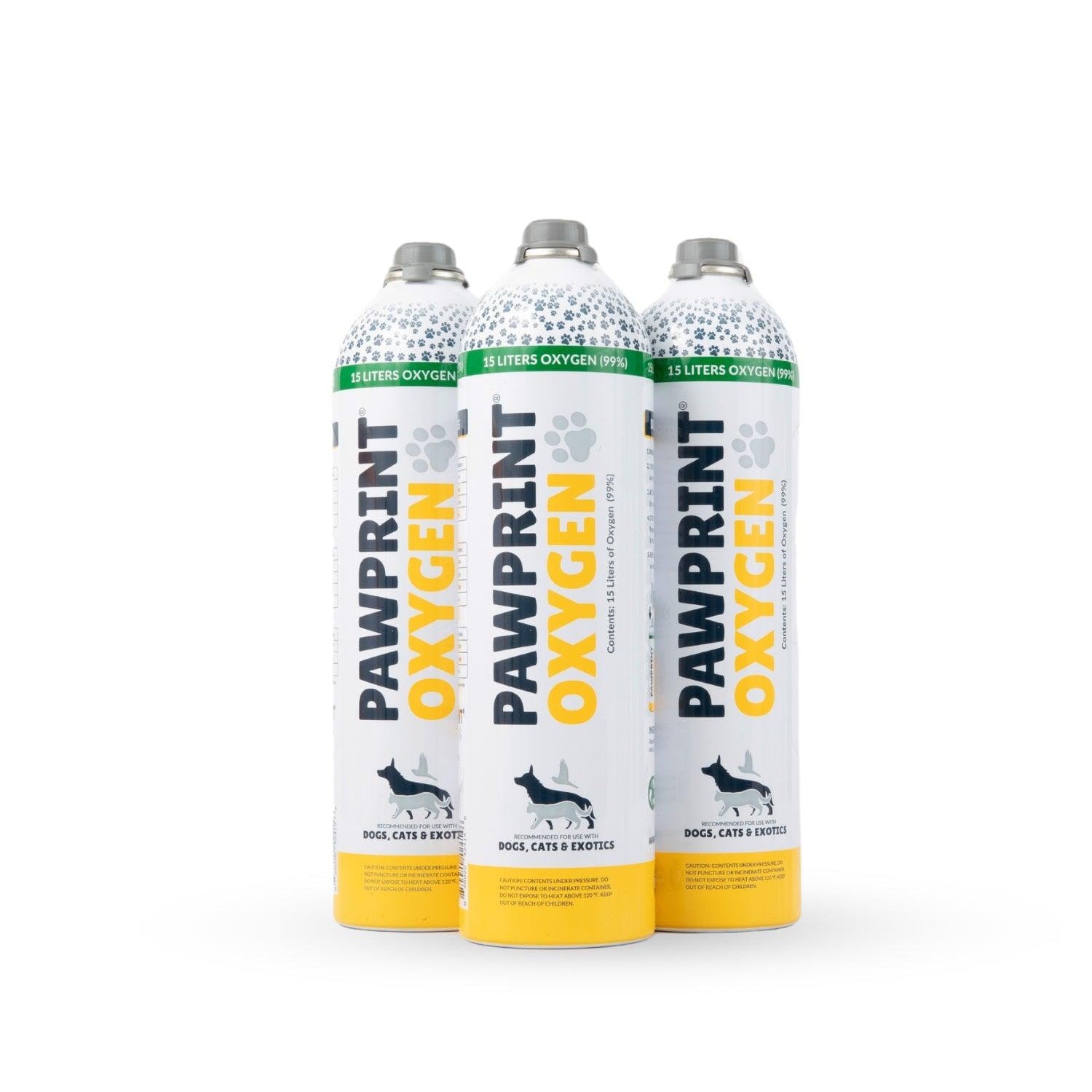
The Portable Oxygen Kits for Cats are an ideal solution for cat owners who want to be prepared for emergency situations, during transportation to a care facility or when administering oxygen to their cat at home for a health condition.
The kits contain everything you need to administer oxygen on the spot to your cat. Just select their weight range for their weight class, and you'll receive exactly what your cat needs.
This product is available for purchase without the need for a prescription.

Main Equipment Types: Concentrators vs Portable Kits
When evaluating home oxygen options for dogs and cats, most at-home setups fall into two categories: at-home oxygen concentrators and portable oxygen kits.
Pet Oxygen Concentrators (Best for Long-Term Home Use)
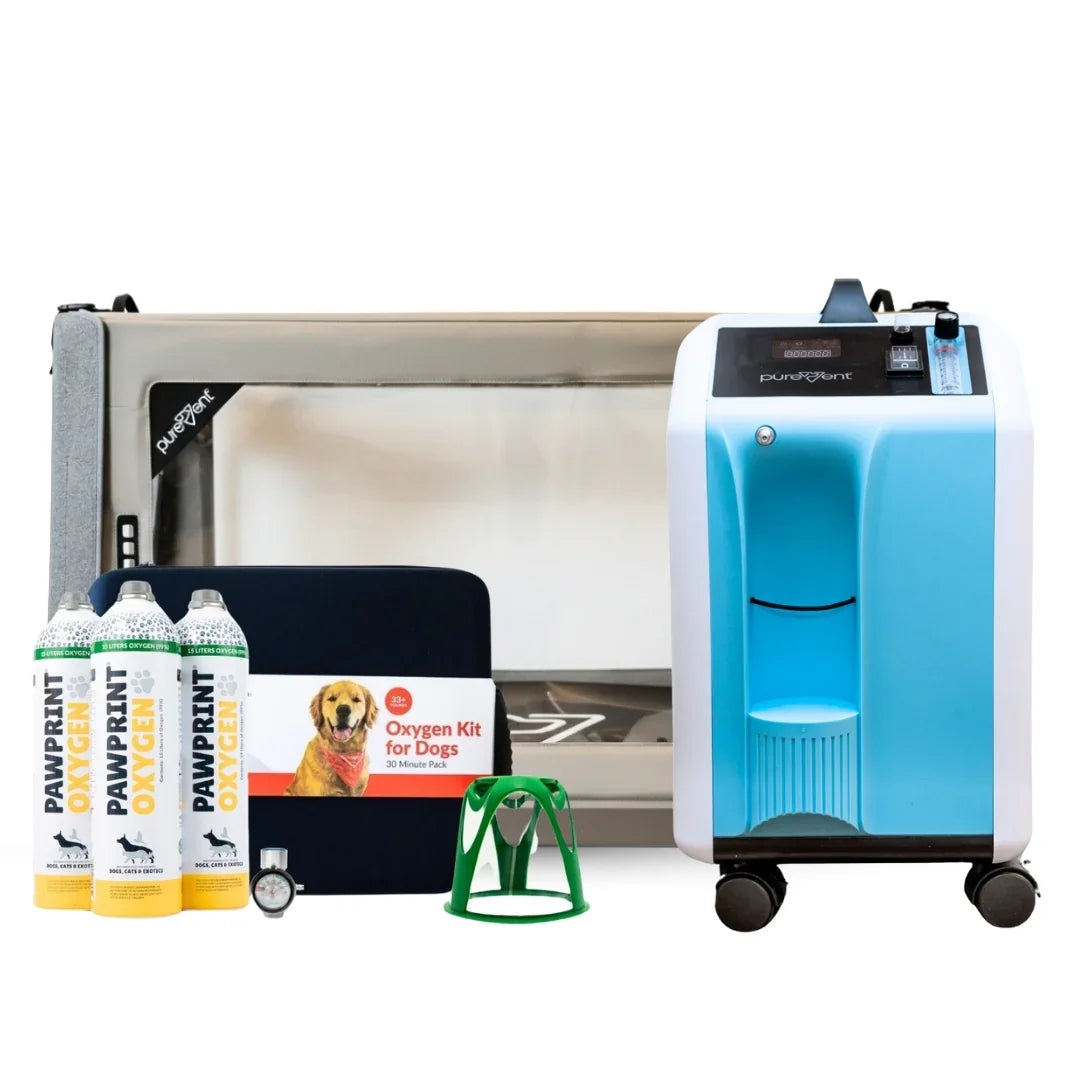
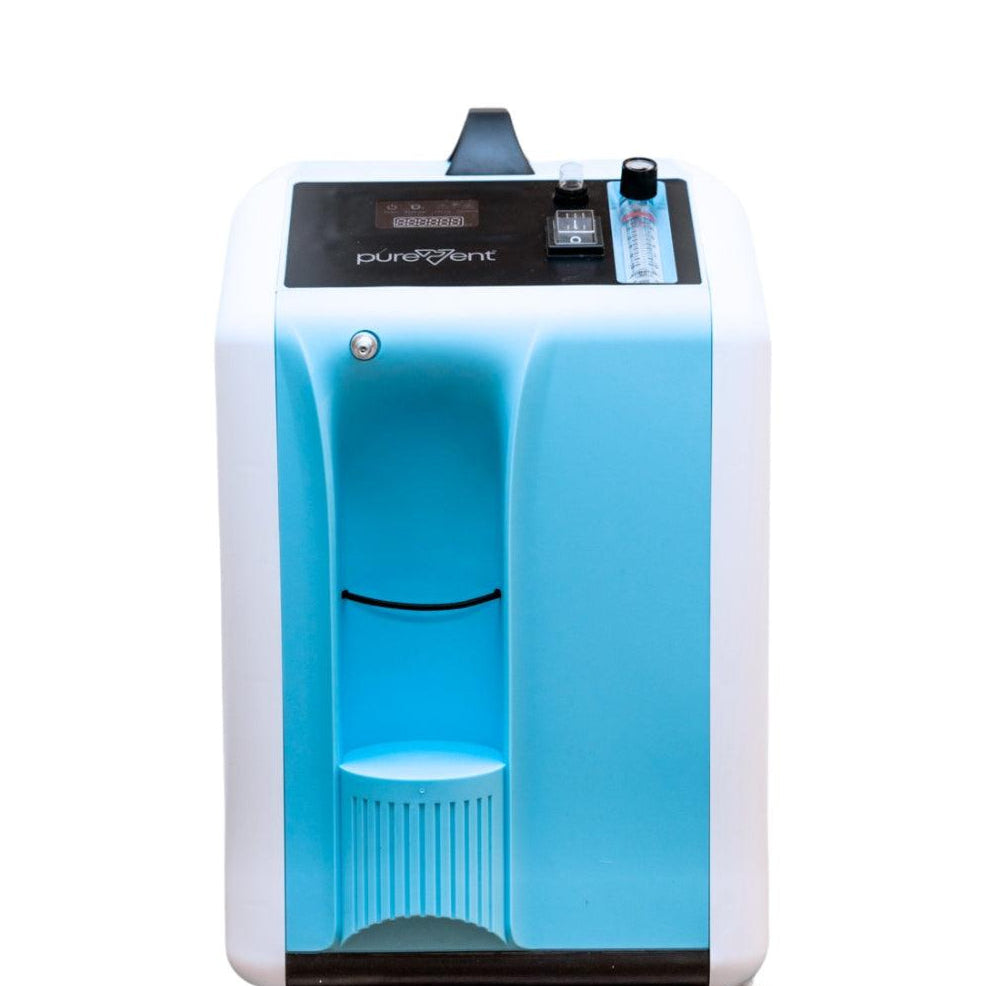
A pet oxygen concentrator is an electric device that pulls in room air and concentrates the oxygen, delivering a steady flow through tubing to a mask or oxygen chamber. Pawprint Oxygen offers medical-grade oxygen concentrators and compatible accessories designed specifically for safe animal use.
Advantages of Using an Oxygen Concentrator
- Continuous oxygen supply (never need refills!)
- Ideal for chronic conditions that require frequent or long therapy sessions
- Lower long-term operating cost than repeated portable oxygen canister replacement
- Works with both pet oxygen masks and oxygen chambers
- Suitable for daily or repeated sessions
Considerations:
- Requires a standard 120-volt outlet
- Higher upfront investment
- Not a portable option
✅ Best fit: Pets who need dog long term oxygen therapy or frequent scheduled sessions at home.
Portable Oxygen for Pets (Best for Backup & Travel)
Portable oxygen kits for pets use pre-filled oxygen canisters paired with a regulator, mask, and tubing. Pawprint Oxygen’s portable kits are designed for emergency use, transport, and short therapy sessions.
Advantages of Using a Portable Oxygen Kit:
- Ready to use immediately
- No electricity required
- Grab-and-go for emergencies
- Excellent for travel and car transport
- Critical backup for the oxygen concentrator during power outages
- Simple to operate
Limitations:
- Finite oxygen supply per canister
- Not cost-effective as the only long-term source
- Best for intermittent use
✅ Best fit: Emergency support, flare-ups, and backup alongside a concentrator system.

Safety and Setup at Home
Before starting at home oxygen for pets, work closely with your veterinarian to determine the correct flow rates and delivery method, as proper setup is essential for both safety and effectiveness. Always follow prescribed oxygen levels, use pet-appropriate masks or chambers, and position your pet comfortably while monitoring their breathing response during each session.
Oxygen should be treated as a fire accelerant, so avoid smoking or using near open flames. Keep equipment in a well-ventilated area, and secure tubing to prevent tangling or kinking. To reduce stress, introduce oxygen equipment gradually in a calm, quiet space, begin with short sessions, and pair therapy with gentle reassurance. Together, these steps help create the best oxygen setup for pets with chronic respiratory issues while keeping them safe and comfortable.
When To Use Each Option
Use a Concentrator when:
- Your pet needs oxygen regularly
- Sessions are long or frequent
- Disease is chronic but stable
- Your vet recommends long-term oxygen therapy
Use Portable Oxygen when:
- Symptoms are intermittent but severe
- You need emergency readiness
- You travel with your pet
- You want backup for outages or equipment downtime
✅ Best practice: Many chronic cases benefit from both a concentrator for routine care and a portable kit for emergencies.
Choosing the Best Oxygen Solution for Your Pet
The right oxygen equipment can greatly improve your pet’s comfort and quality of life. When choosing at home oxygen for pets, consider how often oxygen is needed, session length, disease severity, your home setup, and mobility needs. With veterinarian guidance and pet-specific equipment, the best oxygen setup for pets with chronic respiratory issues can help your pet breathe easier at home.