Dogs that tire unusually quickly may be showing signs of underlying health issues such as heart disease, respiratory conditions, anemia, or metabolic disorders. While occasional sleepiness is normal, persistent lethargy or exercise intolerance should prompt a veterinary evaluation to uncover the cause and begin appropriate treatment. With early intervention, supportive care, and tools like oxygen therapy, many dogs can regain their energy and return to a happy, active life.
Table of Contents
It’s normal for dogs to have a lazy day now and then, but if your dog seems unusually tired, struggles to keep up on walks, or loses energy quickly, it could be a sign of something more serious. As a pet parent, you’re often the first to notice subtle changes, and knowing when to pay attention can make all the difference.
In this article, we’ll explore common causes of lethargy, when to contact your veterinarian, and how supplemental oxygen therapy can help support your dog’s comfort, breathing, and overall energy.

Understanding Lethargy in Dogs
Lethargy is more than sleepiness. It’s a noticeable and ongoing decrease in energy, motivation, and activity, even during favorite routines. Exercise intolerance occurs when a dog becomes fatigued unusually quickly or struggles to maintain normal activity like walking, playing, or climbing stairs. These symptoms often indicate reduced oxygen delivery to muscles and vital organs, hinting at an underlying heart, lung, or metabolic condition.
Conditions That Cause Dogs to Tire Easily
When dogs tire easily, it may be linked to hidden health issues affecting oxygen circulation, energy production, or overall body function. Recognizing these categories can help you understand what might be going on.
- Heart Disease: Conditions like congestive heart failure or arrhythmias reduce blood flow, leading to weakness and fatigue.
- Respiratory Conditions: Chronic bronchitis, pneumonia, or tracheal collapse limit oxygen intake due to inflammation or airway obstruction.
- Anemia or Blood Disorders: Fewer red blood cells mean less oxygen is carried to tissues and organs.
- Metabolic or Hormonal Issues: Hypothyroidism, diabetes, or Cushing’s disease can slow metabolism and cause sluggishness.
- Pain, Infection, or Fever: Illness, discomfort, or systemic inflammation can drain energy and reduce activity.
Diagnostic Tools Vets Use
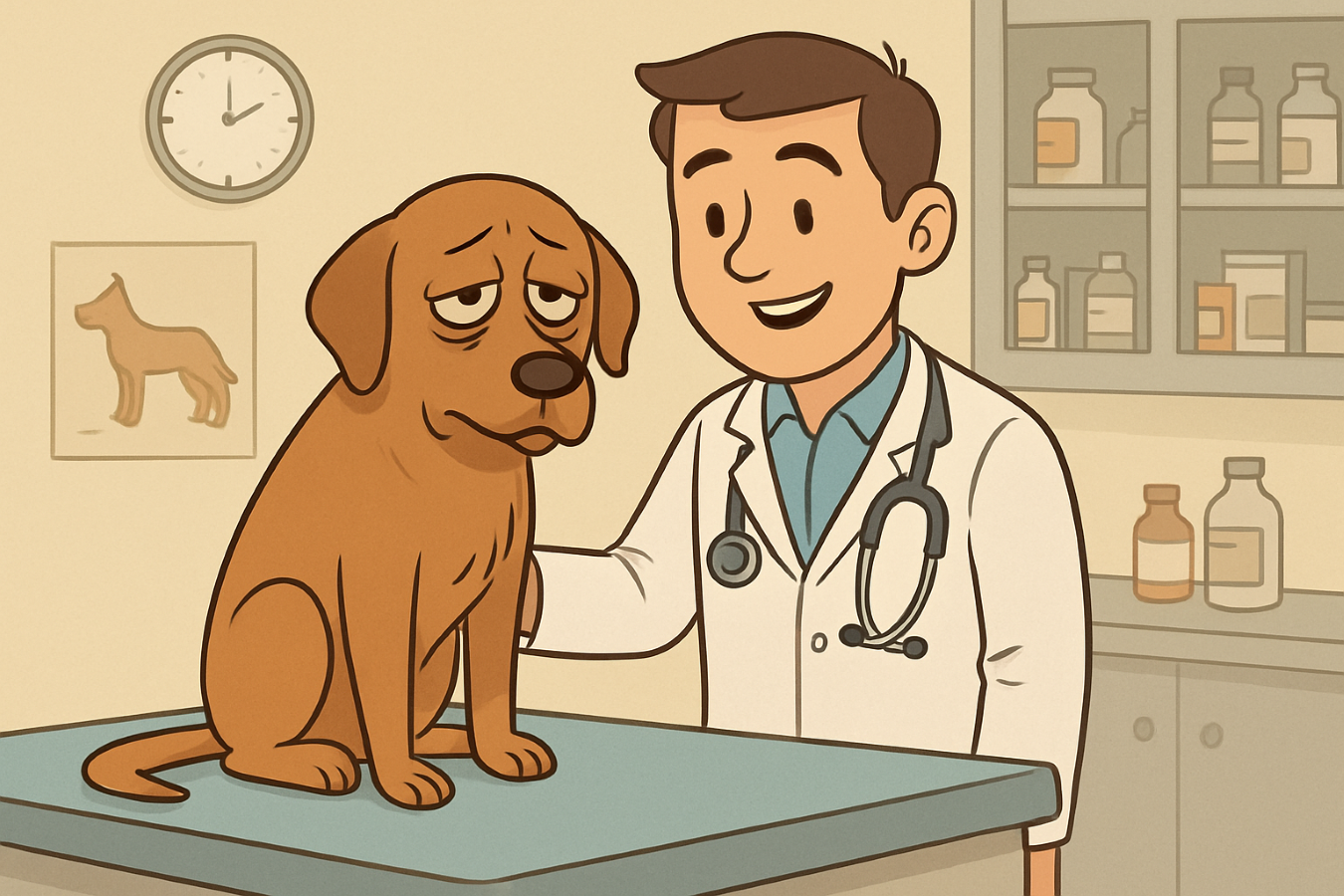
To uncover why your dog tires easily, veterinarians use exams, diagnostic tests, and imaging to evaluate heart, lung, and blood function. Early diagnosis can prevent serious complications and improve the outcome.
- Physical exam, including listening to the heart and lungs
- Bloodwork (CBC, thyroid, electrolytes) to assess internal health
- Chest X-rays or echocardiogram to evaluate heart and lung structures
- Oxygen saturation testing using pulse oximetry or arterial blood gas

Treatment and Home Support
Treatment focuses on improving oxygen delivery, reducing inflammation, and addressing any underlying conditions like infection, heart disease, or hormonal imbalances. Your vet may prescribe medications, recommend oxygen therapy, or suggest long-term management strategies. At home, lifestyle changes can make a big difference—maintaining a healthy weight, providing moderate exercise, reducing stress, and avoiding smoke or other irritants all help boost your dog’s comfort and energy.
What is a normal resting respiratory rate for dogs?
A healthy, resting adult dog typically has a respiratory rate between 10 and 35 breaths per minute. Smaller breeds or puppies may breathe slightly faster. If a dog's respiratory rate exceeds 40 breaths per minute while resting, it may be a cause for concern, and you should consult a vet.
How do I measure my dog's respiratory rate?
When should I be concerned about my dog's respiratory rate?
What factors can affect a dog's respiratory rate?
Supplemental Oxygen for Dogs with Heart or Lung Conditions
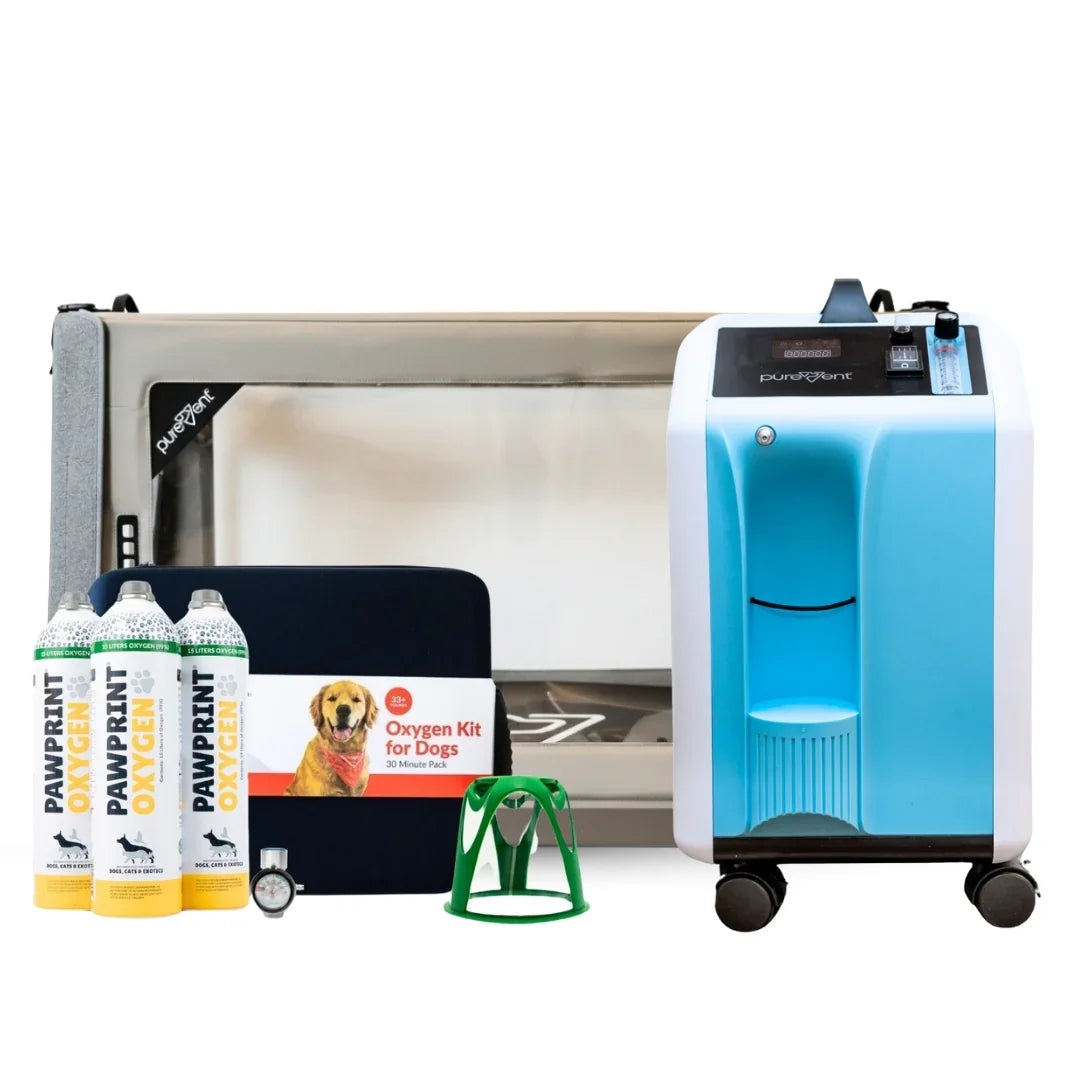
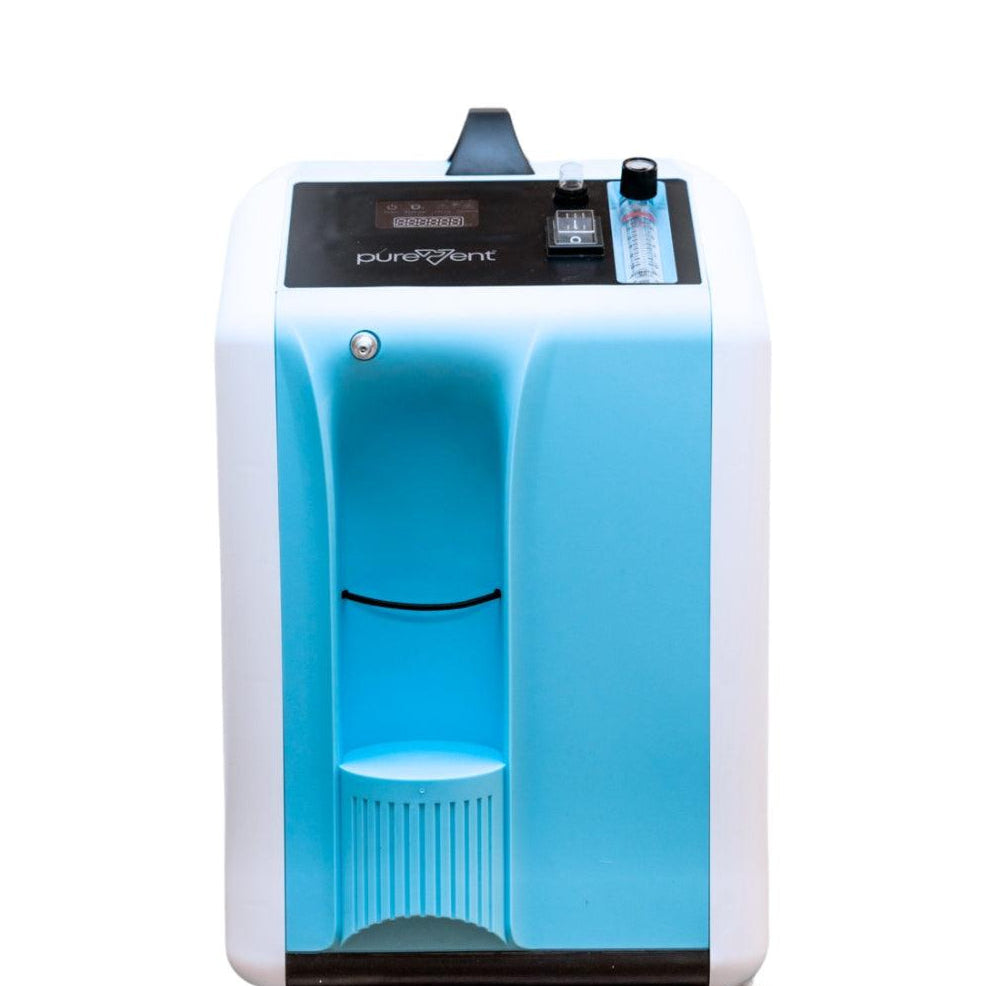
For pets with chronic respiratory or cardiac issues, at-home oxygen therapy is a valuable support option that helps them breathe easier and feel more energized. By increasing oxygen saturation, relieving shortness of breath, and reducing stress on the heart and lungs, oxygen therapy helps dogs recover more comfortably and regain their spark. Products like the PureVent Oxygen Concentrator and Chamber and portable Pawprint Oxygen Kits offer safe, pet-friendly oxygen solutions for both emergency use and ongoing home care.
Oxygen support may help during:
- Flare-ups of chronic bronchitis or congestive heart failure
- Recovery after exertion, heat exposure, illness, or surgery
- Times when your dog seems unusually fatigued or anxious due to breathing effort

When to Call Your Veterinarian
If your dog’s tiredness feels unusual, lasts more than a day or two, or comes with coughing, breathing difficulty, fainting, or reluctance to move, contact your veterinarian. You know your dog best, and trusting your instincts can help detect serious conditions early. Prompt evaluation and supportive therapies like oxygen treatment can significantly improve your dog’s comfort, energy, and quality of life.
Giving Your Dog Many Active Days to Come
While occasional tiredness is normal, persistent lethargy or exercise intolerance is a sign your dog may need extra care. The good news is that early action, guidance from your veterinarian, and tools like oxygen therapy can help your dog feel more comfortable, energetic, and happy. With the right support, many dogs regain their spark and enjoy brighter, more active days ahead.