
Xylitol Poisoning in Dogs: Symptoms, Treatment & Prevention
Pet Poison Emergency · Updated 2026 Xylitol is the fastest-acting common household toxin for dogs — blood sugar can crash in minutes, and liver failure can follow days later. Here's where ...
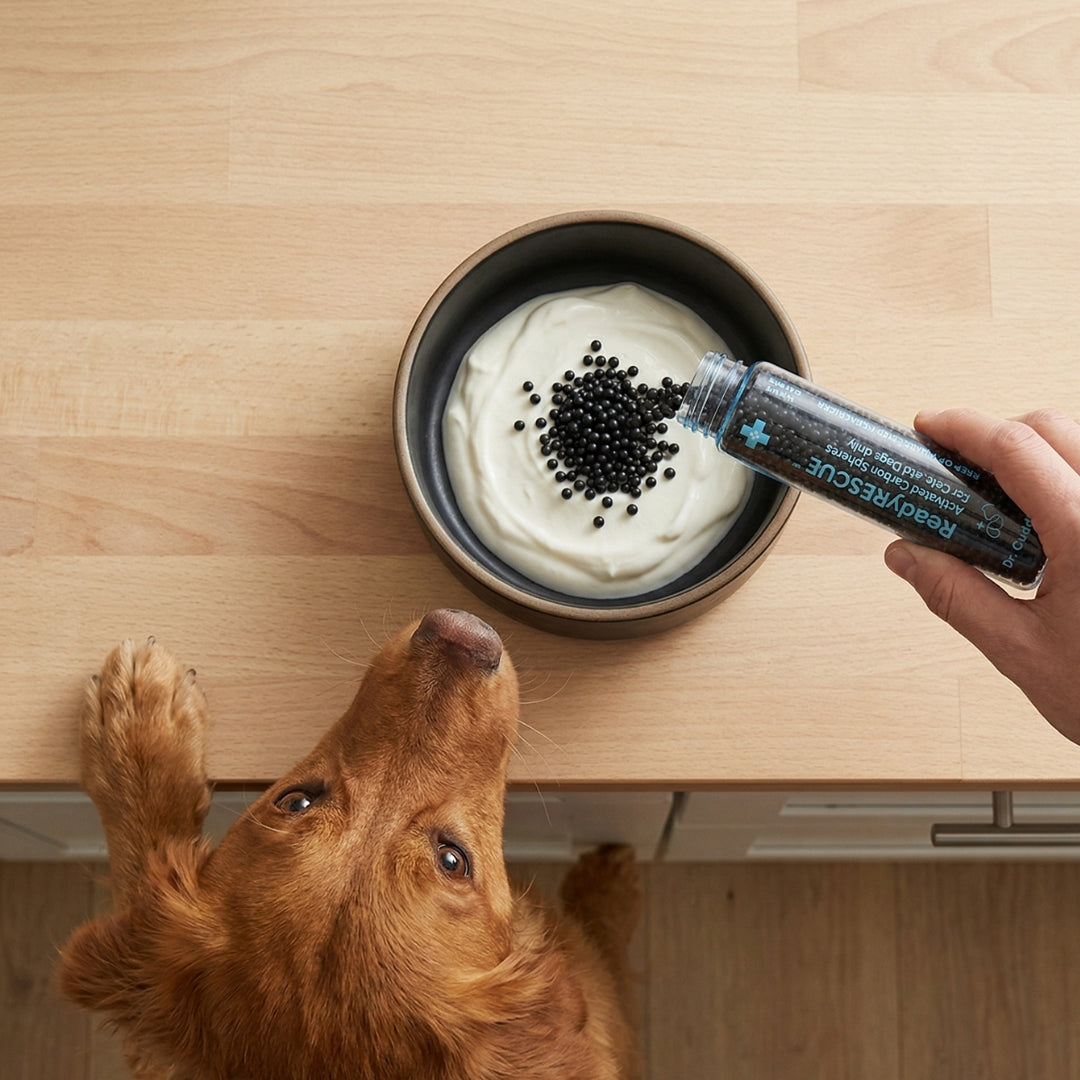
My Dog Ate Chocolate — What to Do Right Now
Chocolate toxicity is time-sensitive. Here's exactly what to do in the first 60 minutes, how much is dangerous by dog weight, and how at-home activated carbon can help before you reach the vet.

The Complete Pet Poison First-Aid Kit: What Every Dog and Cat Owner Needs at Home
Build a pet first-aid kit that actually saves lives. Full checklist with activated carbon, rescue oxygen, wound care, and the emergency numbers you need.

My Dog Ate Grapes or Raisins — What to Do?
Even one grape can cause kidney failure in dogs. Here's the 2-hour action plan, symptoms to watch for, and how ReadyRESCUE activated carbon can help before the vet.
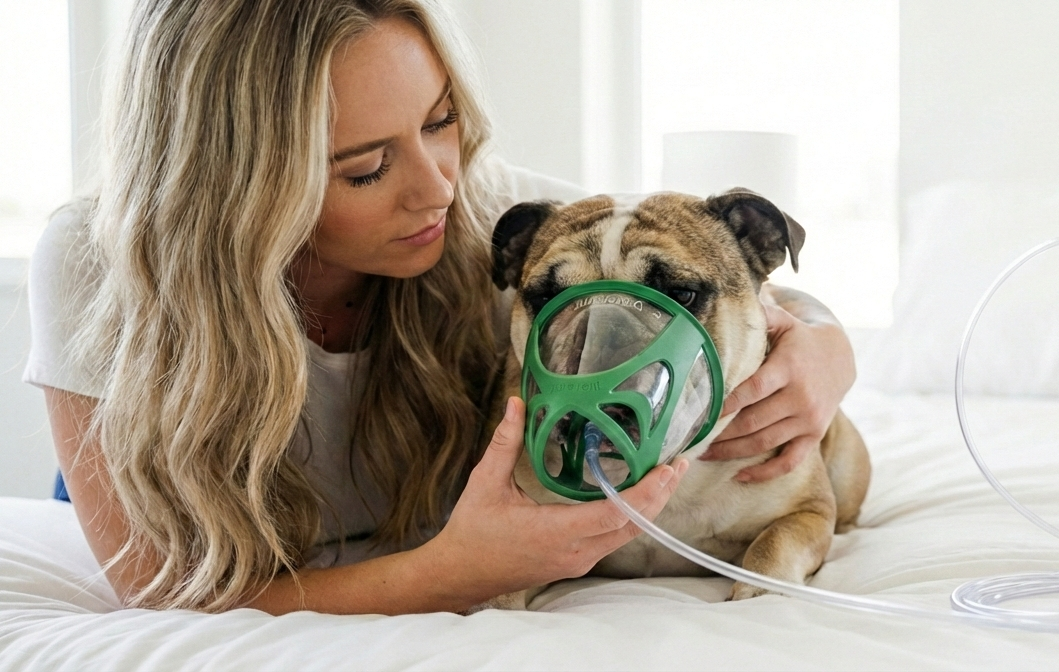
Flat Face Dogs & Respiratory Distress: What You Should Know
Learn how to recognize respiratory distress in flat faced dogs and when to use oxygen support to help manage brachycephalic breathing problems.

Concentrator vs Portable Oxygen for Pets
Compare pet oxygen concentrators vs portable oxygen kits to find the best option for your pet’s needs, from emergency use to long-term oxygen therapy.
Recent Blog posts

Oxygen Therapy for Your Exotic Pets
We'll go over the top exotic pets using oxygen therapy. Pet owners will learn when and why most exotic pets utilize oxygen therapy and the products used to administer oxygen.

Anaphylaxis in Dogs and Cats: Recognizing a Severe Allergic Reaction Before It Becomes an Emergency
Anaphylaxis in pets can escalate in minutes, and dogs and cats show it differently. Learn the warning signs by species, what emergency vets do, and how a Rescue Oxygen Kit helps on the way there.

Dog Hit by Car: The Hidden Lung Injury That Shows Up Hours Later
A dog hit by a car can look fine and still be in danger. Learn the hidden signs of pulmonary contusion, what to do in the first minutes, and why oxygen support matters in the 24–48 hours after.