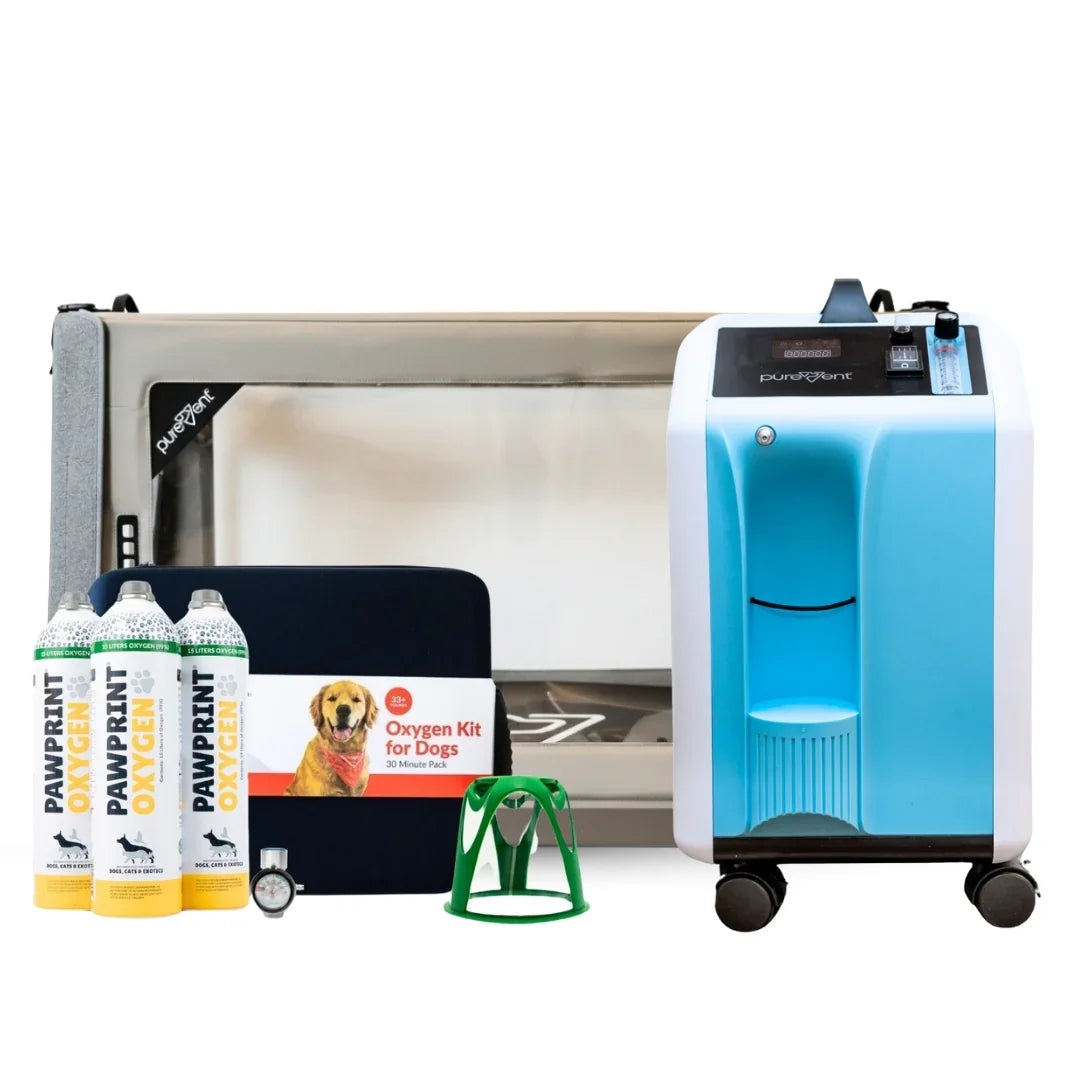
There is no single set time for how long a dog can stay on oxygen, as the duration depends on the dog’s condition, severity of symptoms, and response to therapy. Oxygen is typically used in short, intermittent sessions or longer monitored periods, always guided by veterinary recommendations. When used correctly and with proper monitoring, oxygen therapy is a safe and effective way to support dogs with breathing difficulties.
Table of Contents
Oxygen therapy can be a safe and effective way to support dogs with breathing difficulties, but many pet owners wonder how long it can be used. The answer depends on your dog’s condition, the type of oxygen being delivered, and your veterinarian’s recommendations. In this article, we’ll break down what’s considered a safe oxygen duration for dogs and how to use oxygen therapy responsibly at home.

Variables That Affect How Long a Dog Can Stay on Oxygen
There isn’t a one-size-fits-all answer for how long a dog should stay on oxygen. The duration depends on several important factors, all of which help veterinarians (and pet owners at home) determine what is both safe and effective.
Underlying Medical Condition
- Acute conditions (like pneumonia, trauma, or post-surgical recovery) may require short-term, higher-support oxygen sessions
- Chronic conditions (such as heart disease, collapsing trachea, or pulmonary hypertension) may need ongoing or intermittent dog oxygen therapy
- Some dogs only need oxygen during flare-ups, while others benefit from more routine support
Severity of Symptoms and Response to Oxygen
- Dogs with severe breathing distress may need longer or more frequent sessions initially
- As breathing becomes easier and comfort improves, oxygen time is often reduced
- Focus on overall improvement trends and not just how many minutes your dog has been on oxygen
Dog Oxygen Saturation and Clinical Monitoring
- Oxygen saturation (SpO₂) measures how much oxygen is in your dog’s blood and is a key guide for therapy duration
- Veterinarians typically check this using a pulse oximeter, along with monitoring breathing rate, effort, and gum color
- The goal is improved dog oxygen levels and easier breathing, not simply reaching a set time limit
Oxygen Delivery Method and Equipment
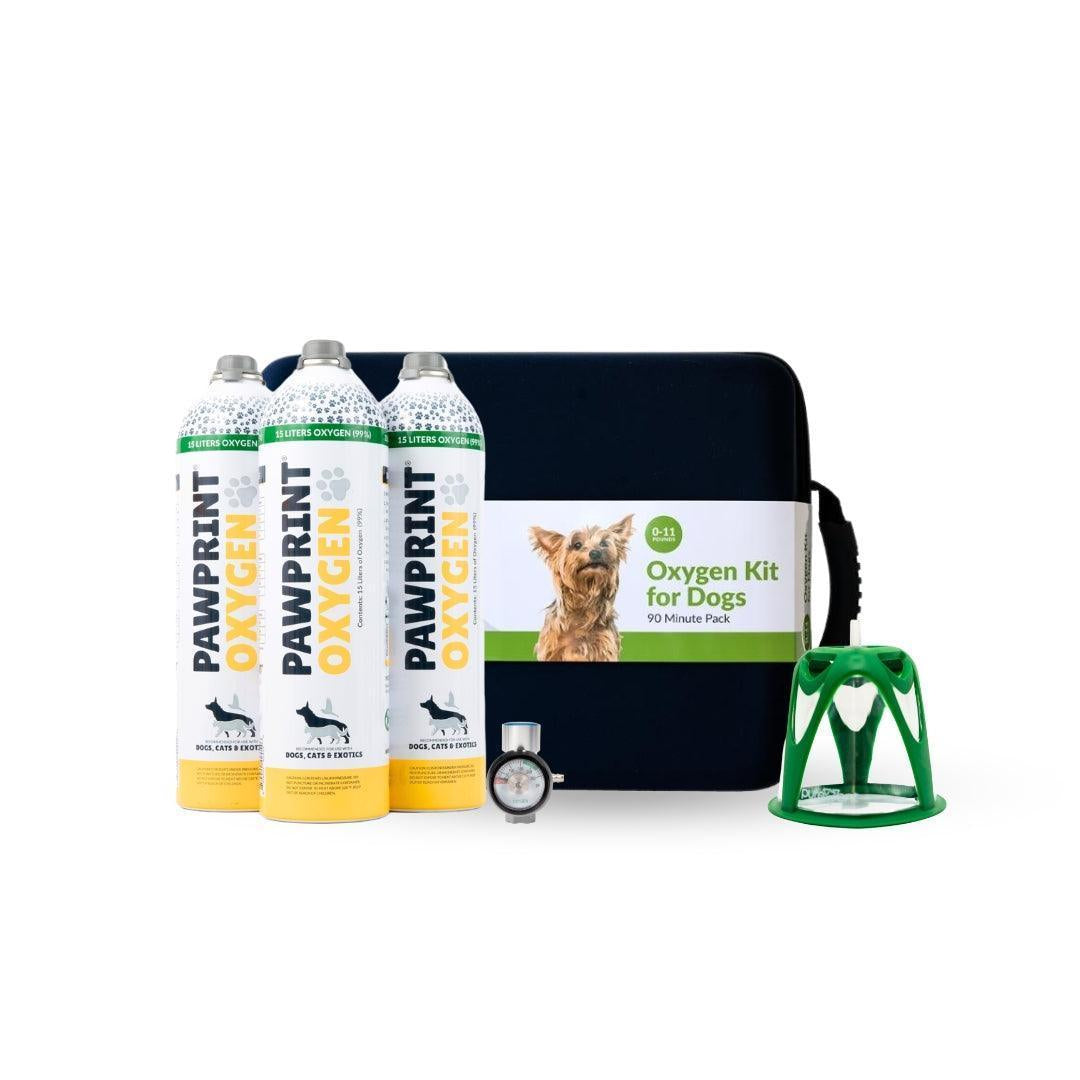
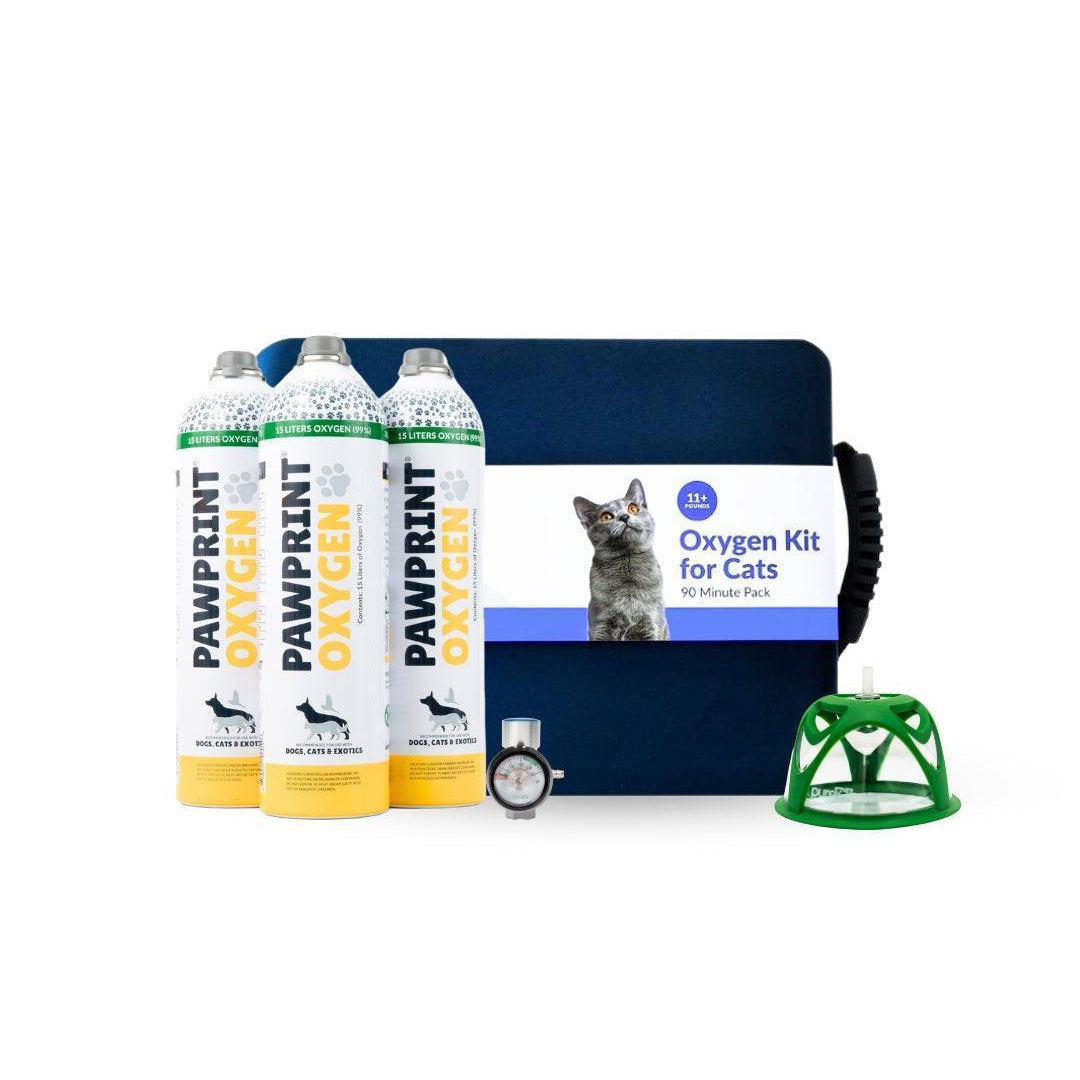
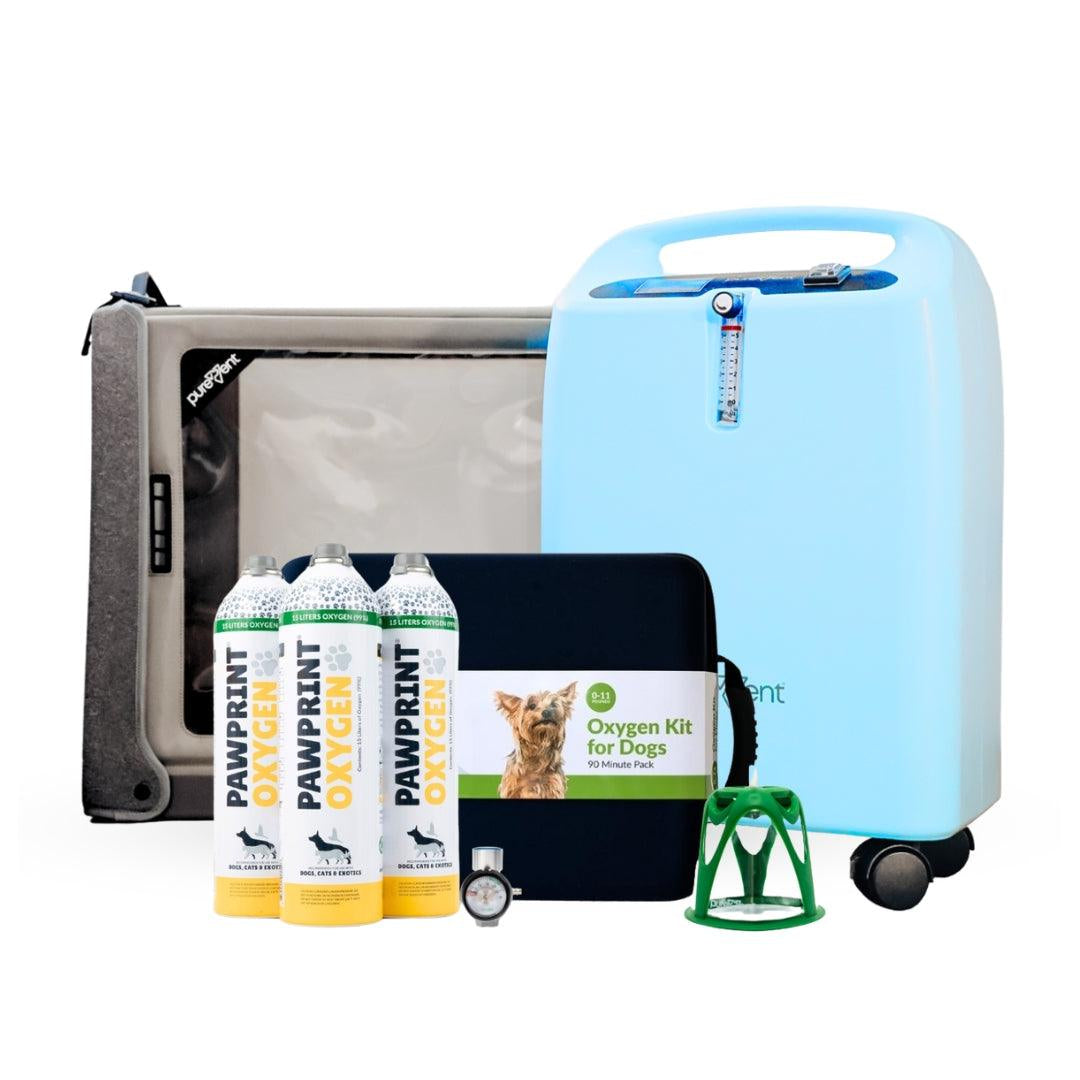
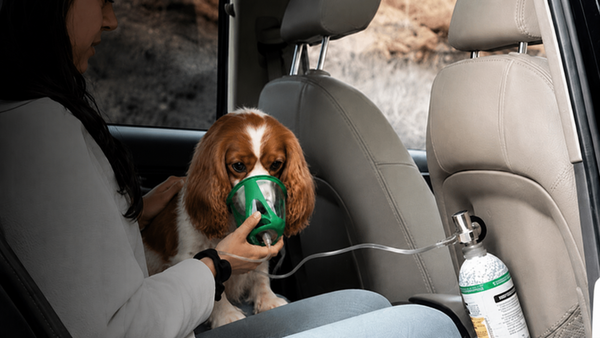
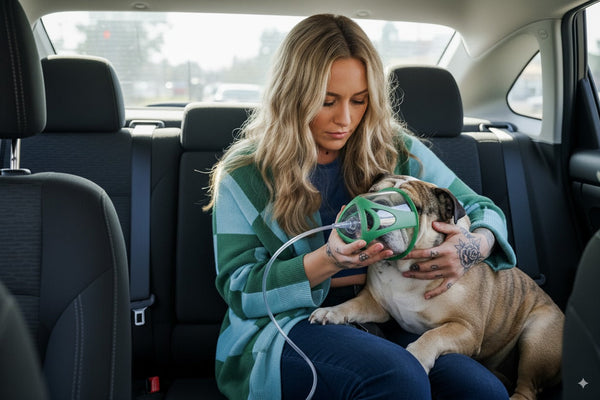
- Portable dog oxygen kits are ideal for short, targeted support during episodes of distress
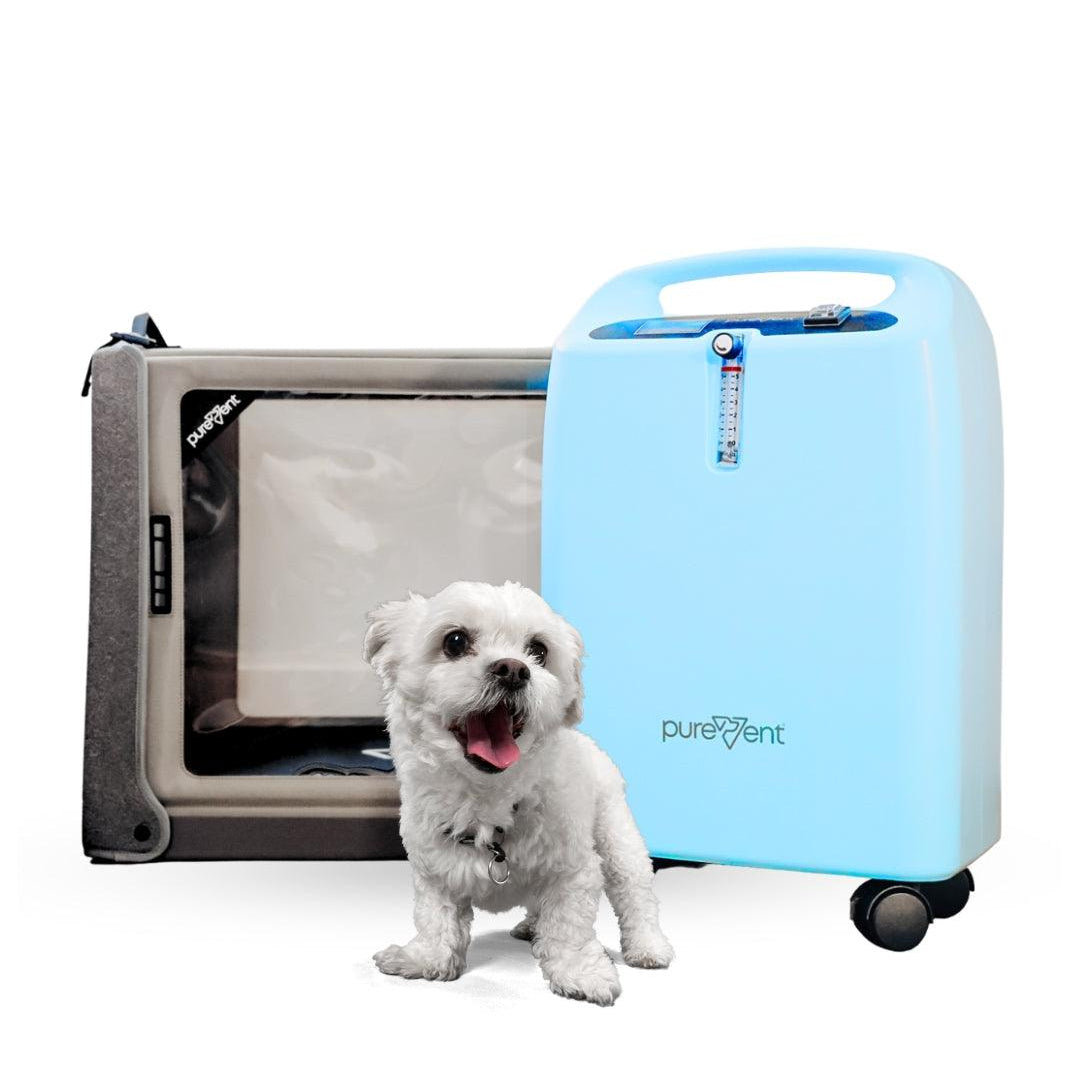
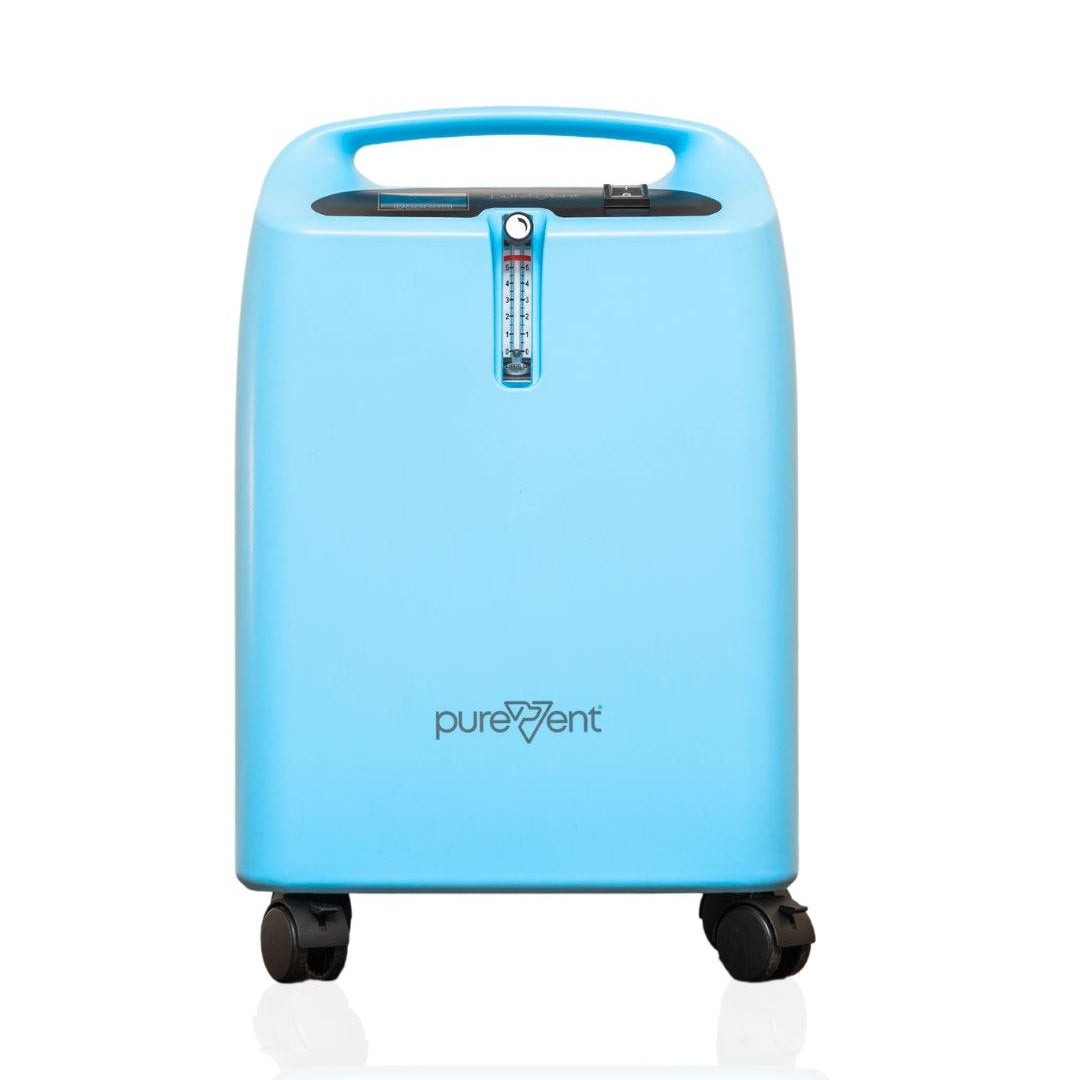
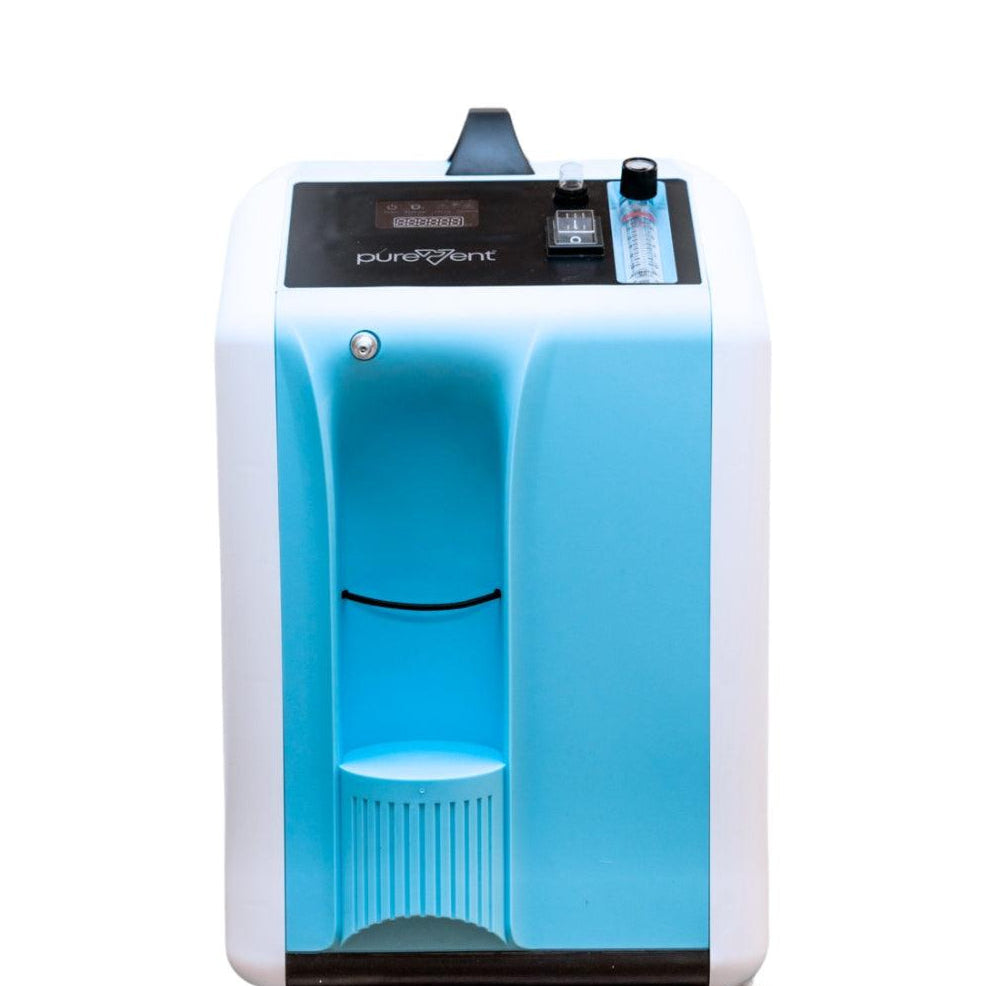
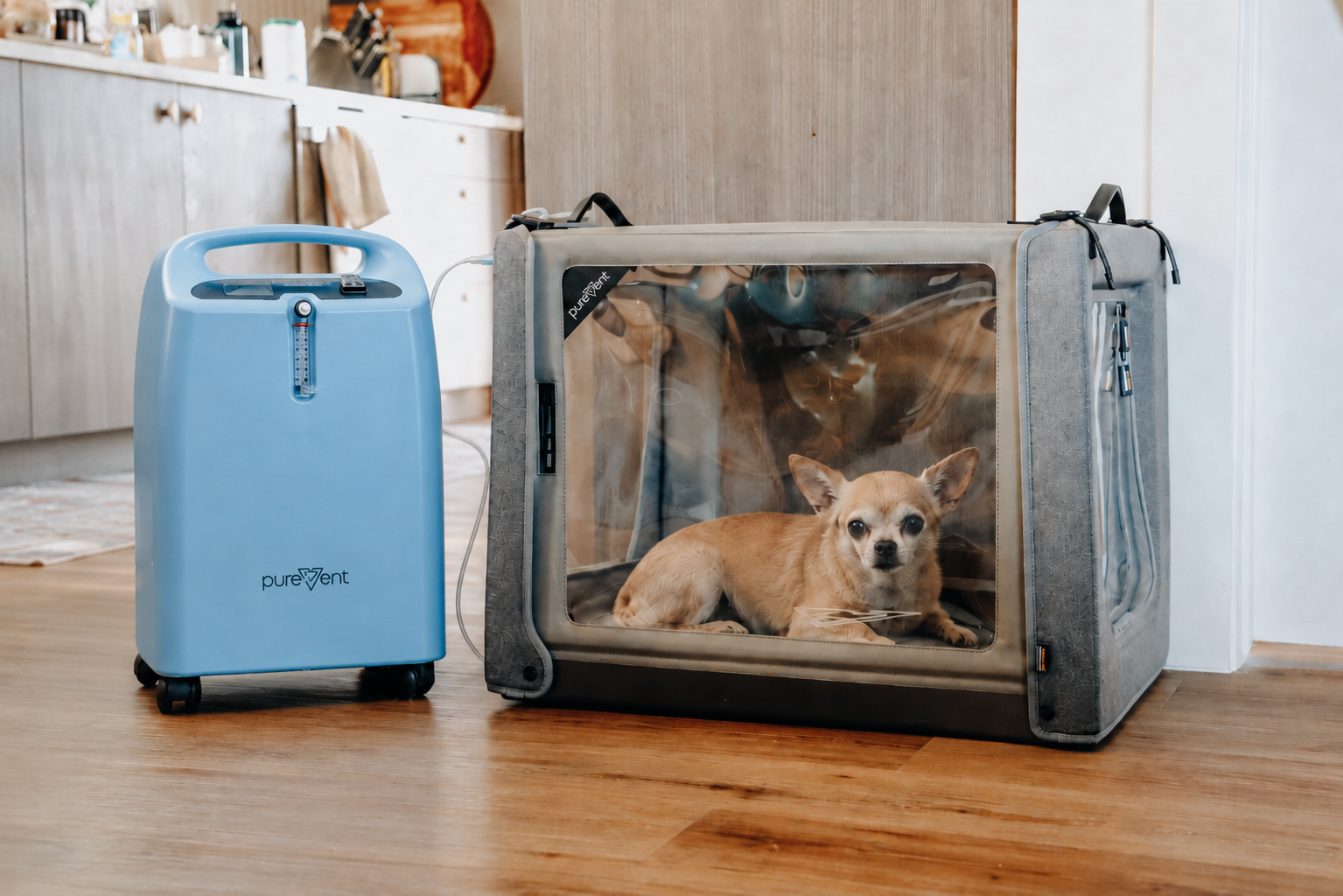
- At-home dog oxygen concentrators allow for longer, controlled therapy sessions
- Veterinary hospital systems can deliver continuous, highly regulated oxygen when needed
- The type of equipment being used directly impacts how long oxygen can be safely administered
Flow Rate and Therapy Intervals
- A safe flow rate ensures your dog is receiving enough oxygen without under- or over-delivery
- Flow rate is typically selected based on your dog’s weight, medical condition, and veterinary guidance
- Higher or lower flow rates can influence how long each session lasts and how often sessions are needed
- Dog oxygen therapy is often given in intervals, especially at home, rather than continuously
Understanding these variables helps explain why oxygen therapy is tailored to each individual dog, ensuring both safety and effectiveness at every stage of care.

Veterinary Guidelines for Safe Oxygen Use
Dog oxygen therapy is a valuable tool, but it should always be used with clear guidance from a veterinarian to ensure both safety and effectiveness.
Why Veterinary Guidance Is Essential
- In-clinic oxygen therapy is used for pets that are unstable and need continuous monitoring and rapid adjustments
- At-home oxygen therapy is typically reserved for stable pets who need occasional or ongoing support
- Oxygen should always follow a veterinarian-directed plan tailored to your dog’s condition
- It’s important to remember that oxygen supports breathing, but does not treat the underlying disease causing the issue
What Vets Typically Consider When Recommending Frequency and Duration
- Severity of the condition and how much support is needed
- Target oxygen saturation (SpO₂) levels
- Flow rate and delivery method (mask, chamber, nasal cannula, etc.)
- Expected response timeline, including how quickly your dog improves with therapy
Oxygen Treatment Guidelines for Home Use
- Use dog oxygen as supportive care, not a replacement for veterinary treatment or follow-up
- Follow prescribed flow rates and session timing carefully
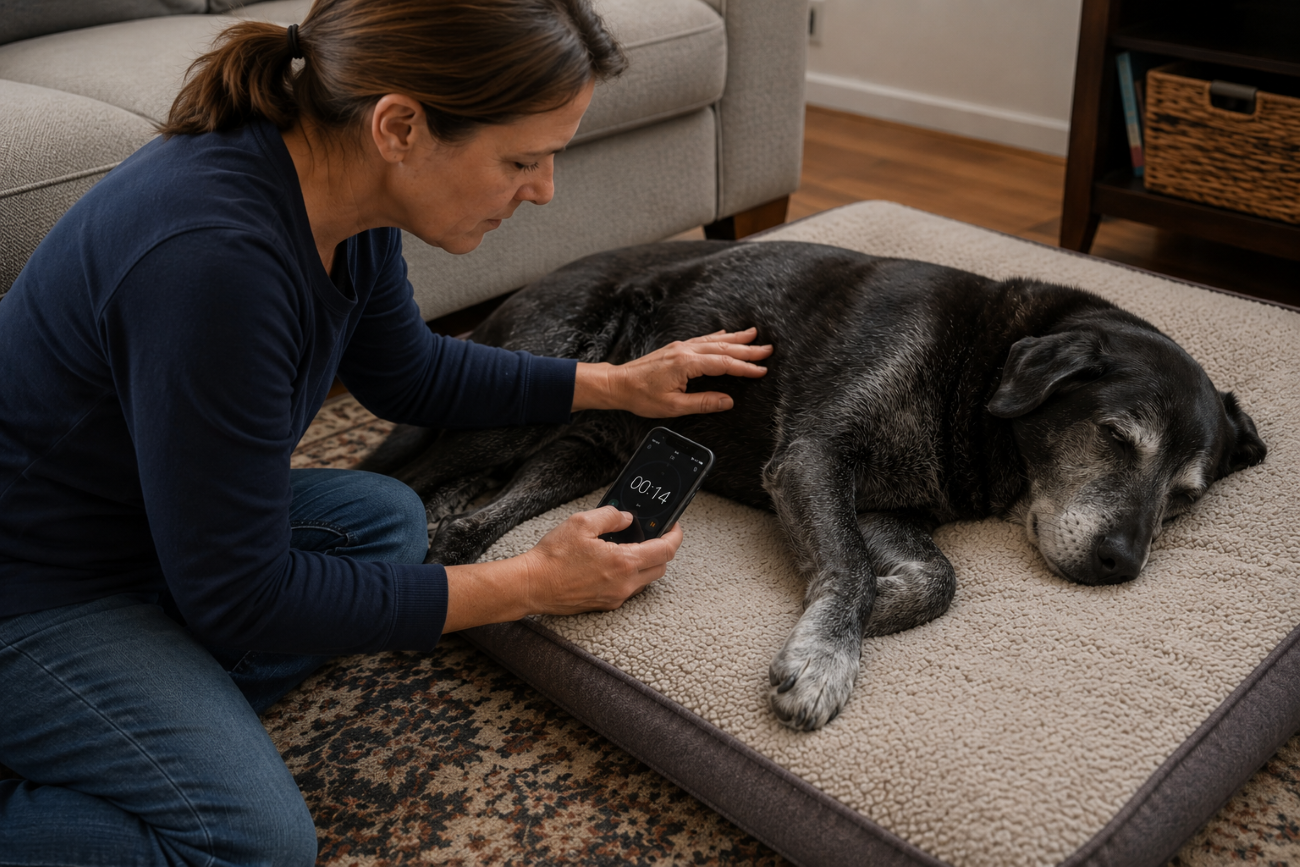
- Monitor your dog’s breathing, comfort level, and overall behavior during and after sessions
- If your dog needs longer or more frequent sessions over time, this may signal the need for veterinary reassessment
By following veterinary guidance and monitoring your dog closely, oxygen therapy can be used safely and effectively as part of a broader care plan.

Continuous vs. Intermittent Oxygen Therapy for Dogs
Most dogs use intermittent oxygen therapy, meaning short sessions during flare-ups or times of increased breathing effort, which helps keep dog oxygen session times safe and effective. In more advanced cases, long-term or continuous oxygen use may be recommended, but this requires closer veterinary monitoring to ensure proper balance.
- Intermittent use: Most common; given as needed during stress, activity, or breathing episodes
- Long-term use: For chronic or severe conditions; may involve longer or more frequent sessions under veterinary guidance
- Hyperoxia (too much oxygen): Rare but possible with improper use. This is why following prescribed flow rates and duration is essential
- Balance matters: Both too little and too much oxygen can be harmful, so always follow your veterinarian’s instructions closely
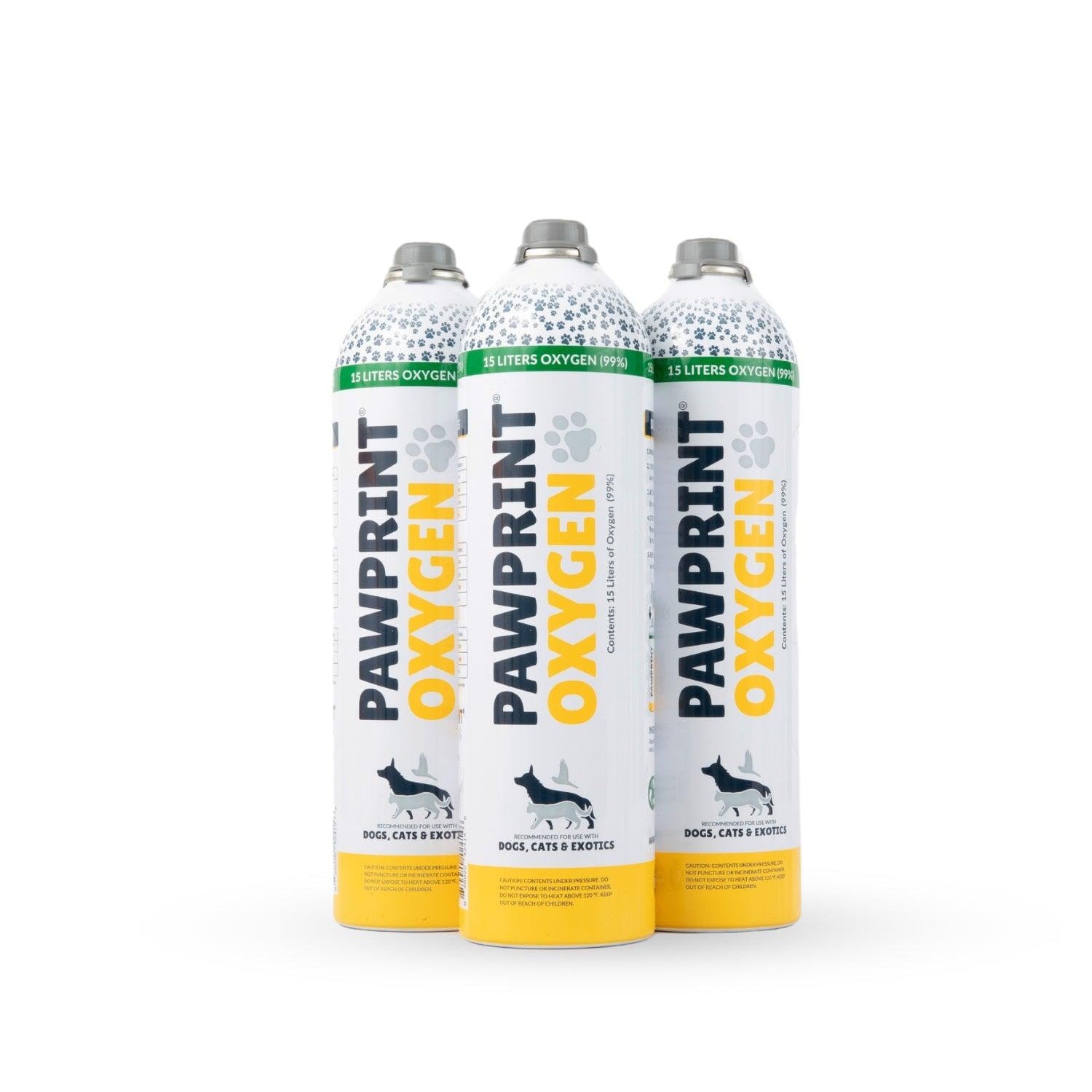
Can I refill my canister after use?
Oxygen canisters cannot be refilled. Please recycle your empty canisters. You can reorder canisters at any time!
What is the shelf life on the oxygen canisters?
We have a two-year shelf life on our Oxygen Canisters. This shelf life is for the seal on the Oxygen Canister itself, not the oxygen.
Store canisters in a cool, dry place and if the seal is not tampered with, the oxygen will stay in the canister.
Does the oxygen concentrator ever run out of oxygen?
No, the oxygen concentrator does not run out of oxygen. Since it pulls room air in and concentrates the oxygen down from the room air, it will provide a never-ending source of oxygen without the need for refills. The average lifespan of a PureVent Pet Oxygen Chamber is 30,000 hours, which is 4 years of 24/7 run time!
Realistic At-Home Expectations for Dog Oxygen Therapy
At home, oxygen use varies widely based on your dog’s condition, but most plans focus on short, targeted sessions or longer controlled therapy periods, rather than a fixed time limit. Frequency and duration should always be adjusted based on how your dog responds, with increasing need often signaling it’s time to check in with your veterinarian.
- Session length examples: Portable dog oxygen kits are often used for short bursts (about 3–5 minutes) during flare-ups, while concentrators with chambers may be used for longer sessions (30 minutes to 2 hours) in more advanced cases
- How often: Some dogs need occasional support, while others may require repeated sessions throughout the day depending on stability
- Signs it’s helping: Slower, easier breathing, reduced effort, improved comfort, and calmer behavior
- Signs it’s not helping: Continued distress, rapid breathing, blue or pale gums, or needing oxygen more frequently than usual; these warrant veterinary attention.
Safety Monitoring During Dog Oxygen Therapy
During every oxygen session, it’s important to closely watch your dog’s breathing rate and effort, overall comfort, gum color, alertness, and stress level to ensure the therapy is helping. Most pet owners rely on careful visual observation, while some may use tools like pulse oximeters (with limitations) and simple tracking of session timing and response to guide care. Always keep your dog comfortable, follow prescribed flow rates and durations, and never leave your pet unattended during oxygen therapy.
When to Seek Veterinary Care Immediately
While dog oxygen therapy can provide important support, certain signs mean your dog needs immediate veterinary attention rather than continued at-home care. If your dog’s condition is not improving or is getting worse, seek help right away.
- Worsening breathing effort (labored, rapid, or strained breathing)
- No improvement with oxygen therapy
- Blue or pale gums (a sign of low oxygen levels)
- Collapse or extreme lethargy
- Increasing dependence on oxygen to stay stable

Tailored Treatment for Your Dog's Oxygen
There is no single answer to how long a dog can stay on oxygen, as the safest duration depends on your dog’s condition, response to therapy, and ongoing monitoring. When used correctly and under veterinary guidance, oxygen therapy is a safe and highly effective way to support dogs with breathing difficulties. By working closely with your veterinarian, you can ensure your pet receives the right amount of oxygen at the right time for their specific needs.