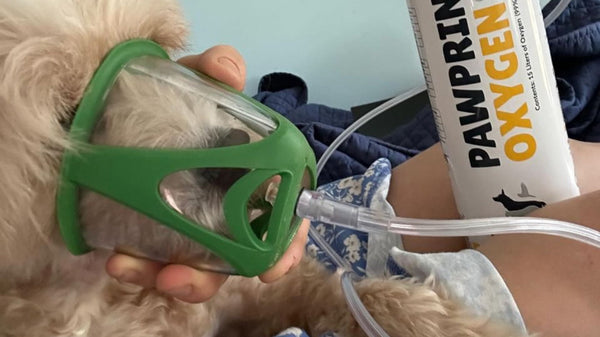
This article explains the six key signs that indicate a dog’s pneumonia is improving, including easier breathing, increased energy, improved appetite, and healthier oxygen levels. It also highlights how supportive care, including at-home supplemental oxygen therapy, can help dogs stay comfortable and heal more effectively during recovery. Together, these signs can reassure pet owners that their dog is moving in the right direction while continuing veterinary care.
Table of Contents
A pneumonia diagnosis can be overwhelming for any dog owner. Watching your dog struggle to breathe, lose energy, or refuse food can leave you constantly wondering whether they’re getting better or worse. The good news is that recovery does happen for many dogs, often gradually and sometimes in small, easy-to-miss steps. Understanding what improvement looks like can help you feel more confident as you support your dog through the healing process.
Below are six common signs that your dog’s pneumonia may be improving, along with guidance on how supportive care, including at-home supplemental oxygen therapy, can play a role in recovery.

What Pneumonia Recovery Typically Looks Like
Pneumonia causes inflammation and fluid buildup in the lungs, making it harder for oxygen to move into the bloodstream. Because of this, dogs often appear extremely tired and short of breath during the early stages of illness. Recovery timelines vary depending on the cause of pneumonia, how severe it was at diagnosis, and your dog’s age and overall health.
It’s also important to remember that recovery is not always linear. Some days may look better than others, even when your dog is heading in the right direction. Always follow your veterinarian’s instructions closely and complete all prescribed medications, even if your dog seems to be improving.
6 Signs Your Dog’s Pneumonia Is Improving
-
Breathing Becomes Easier: One of the earliest and most encouraging signs is improved breathing. You may notice your dog’s breathing rate slowing at rest or requiring less effort from the chest and abdomen. Flaring nostrils, open-mouth breathing, or exaggerated belly movement often become less noticeable as the lungs heal.
-
Energy Levels Slowly Return: As oxygen delivery improves, many dogs begin to show small increases in energy. Your dog may seem more alert, respond more quickly to your voice, or show interest in their surroundings again. While they may still need plenty of rest, short periods of gentle movement may no longer leave them completely exhausted.
Appetite and Hydration Improve: Dogs that are struggling to breathe often have little interest in eating or drinking. An improving appetite is a positive sign that your dog is feeling more comfortable. You may notice them eating more consistently, drinking water on their own, or showing interest in favorite treats again.

-
Coughing and Nasal Discharge Decrease: Many dogs with pneumonia cough frequently as their body tries to clear fluid and inflammation from the lungs. As healing progresses, coughing often becomes less frequent or less intense. Nasal discharge may decrease or clear entirely. Occasional coughing can still occur during recovery and doesn’t always mean the pneumonia is worsening.
-
Temperature and Overall Comfort Normalize: Fever is common in dogs with pneumonia. As your dog improves, their body temperature may return to normal, and signs of discomfort, such as shivering, restlessness, or constant repositioning, may lessen. A more relaxed resting posture is often a reassuring change.
Healthier Gum Color and Oxygenation: Healthy gums should appear pink. Pale or bluish gums can indicate low oxygen levels. As your dog’s oxygenation improves, gum color may look healthier, and your dog may pant less at rest or recover more quickly after gentle activity.
How At-Home Supplemental Oxygen Therapy Can Support Recovery
Pneumonia limits how effectively the lungs exchange oxygen, which can make recovery more difficult, especially for senior dogs or those with underlying heart or lung conditions. Supplemental oxygen therapy can help reduce the workload on the lungs and improve overall comfort during healing.
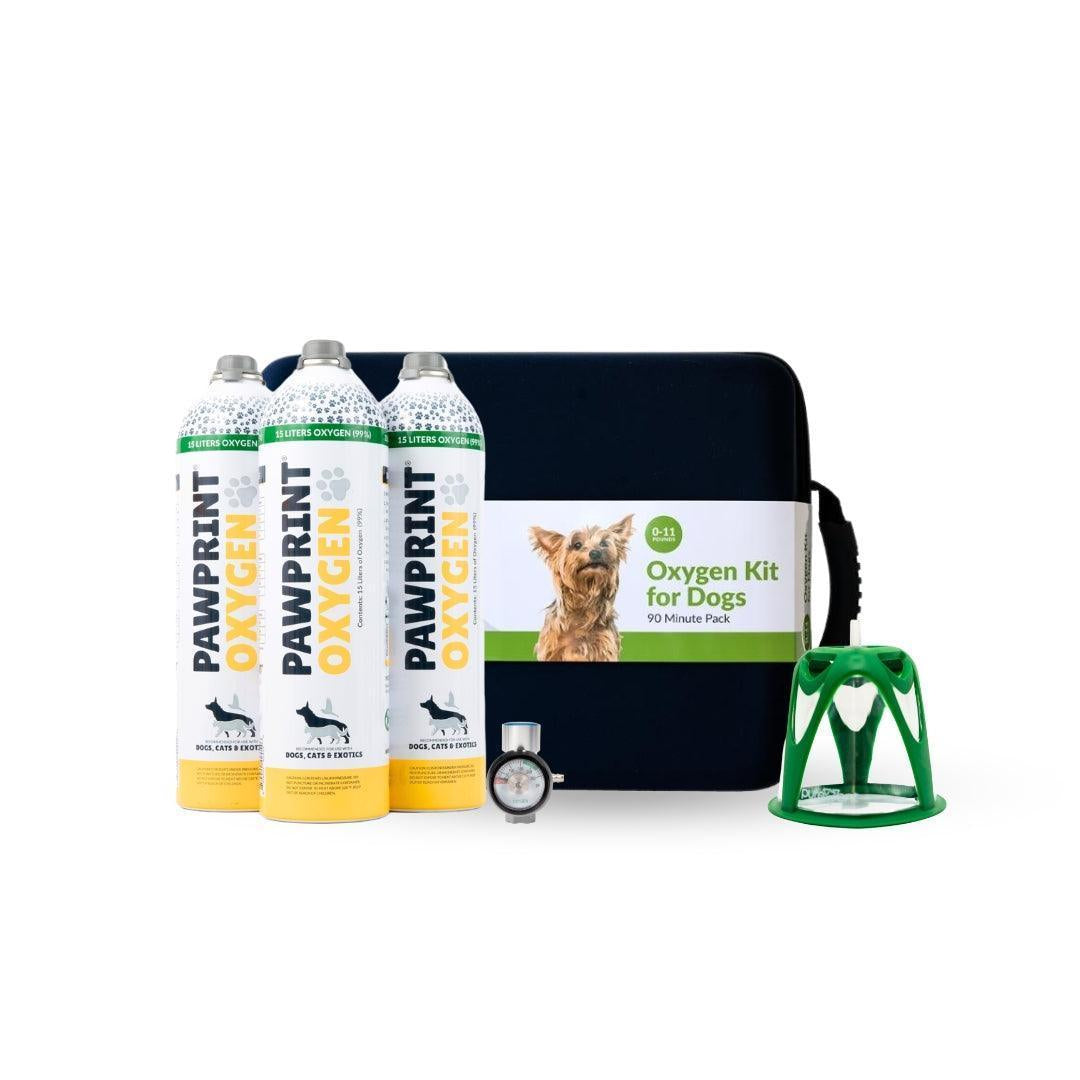
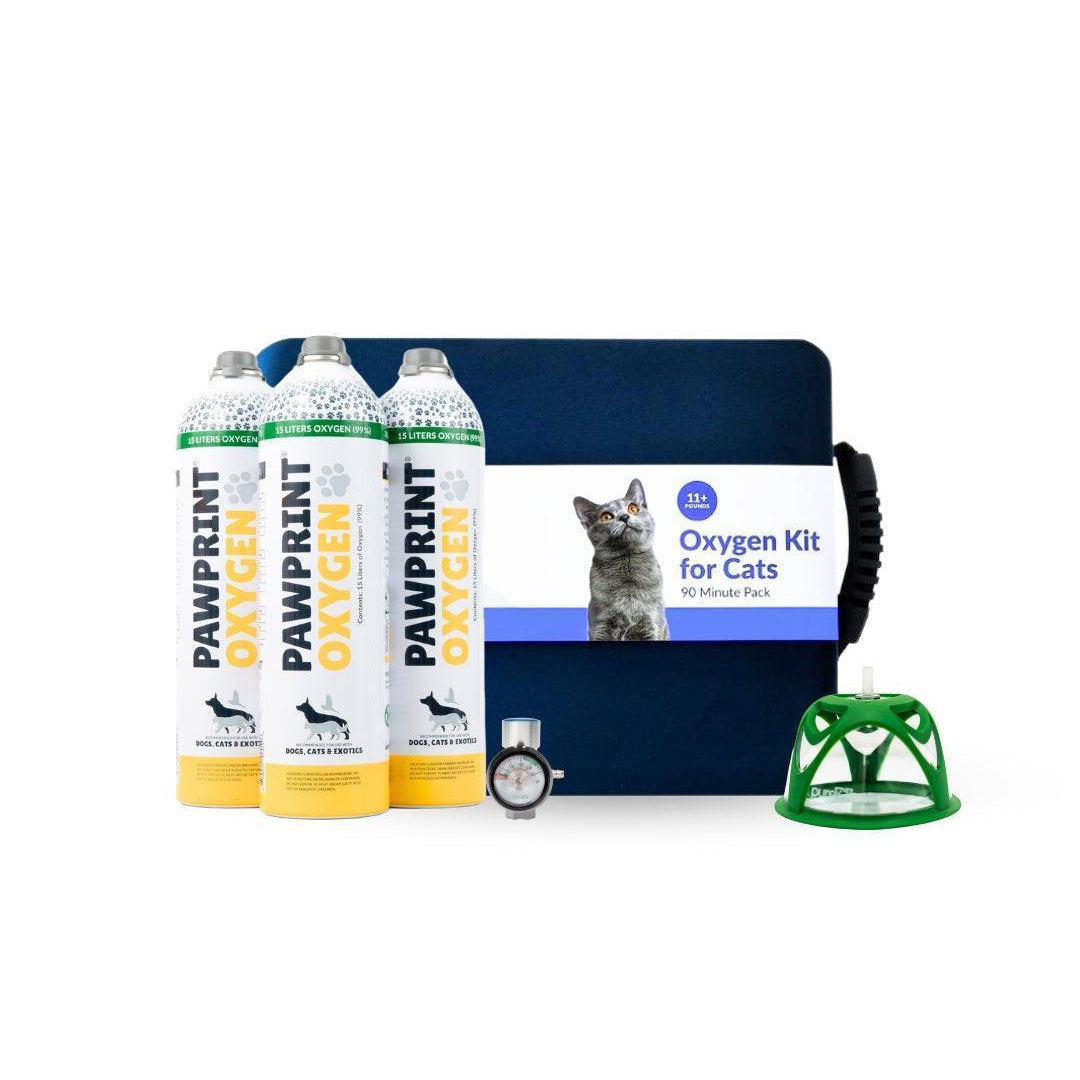
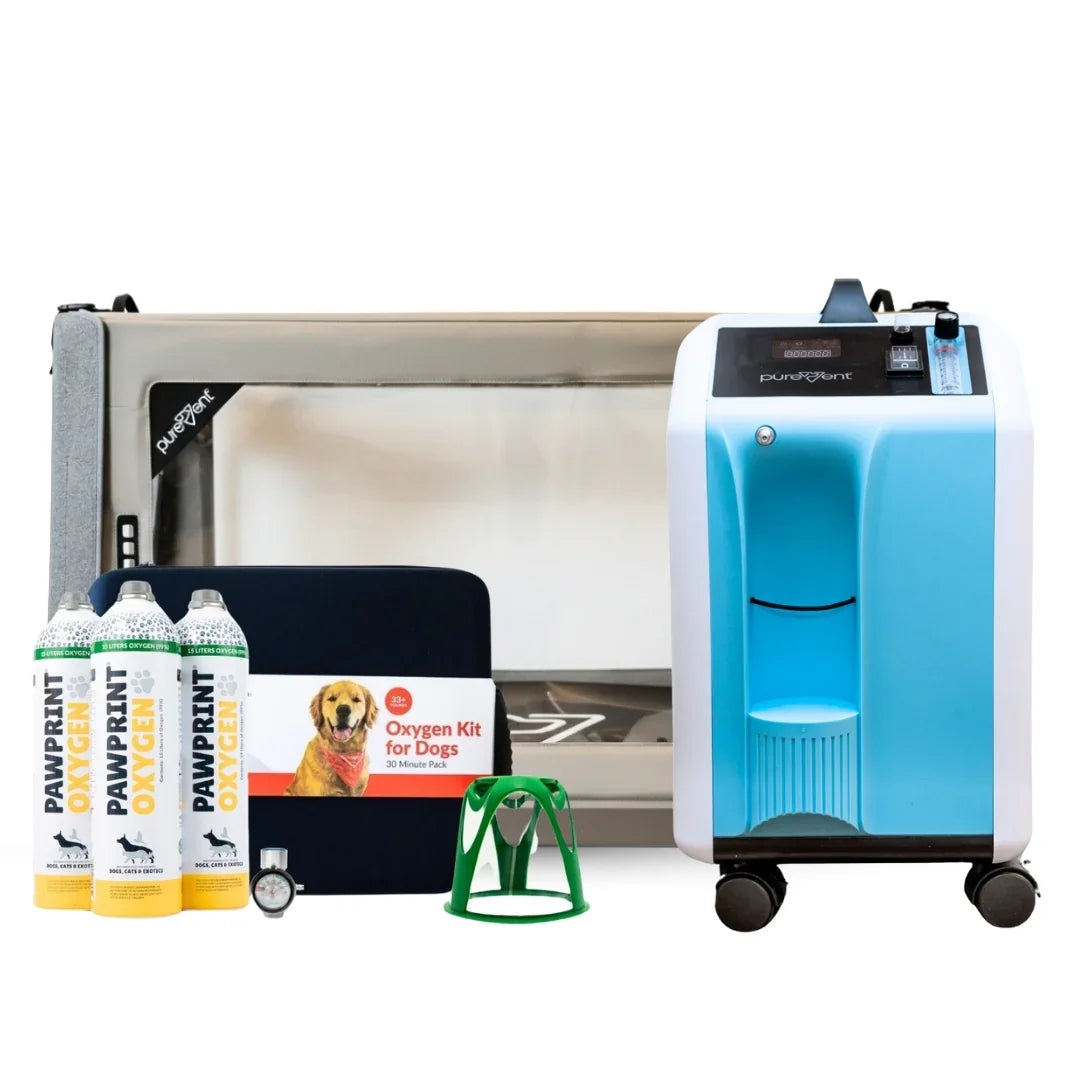
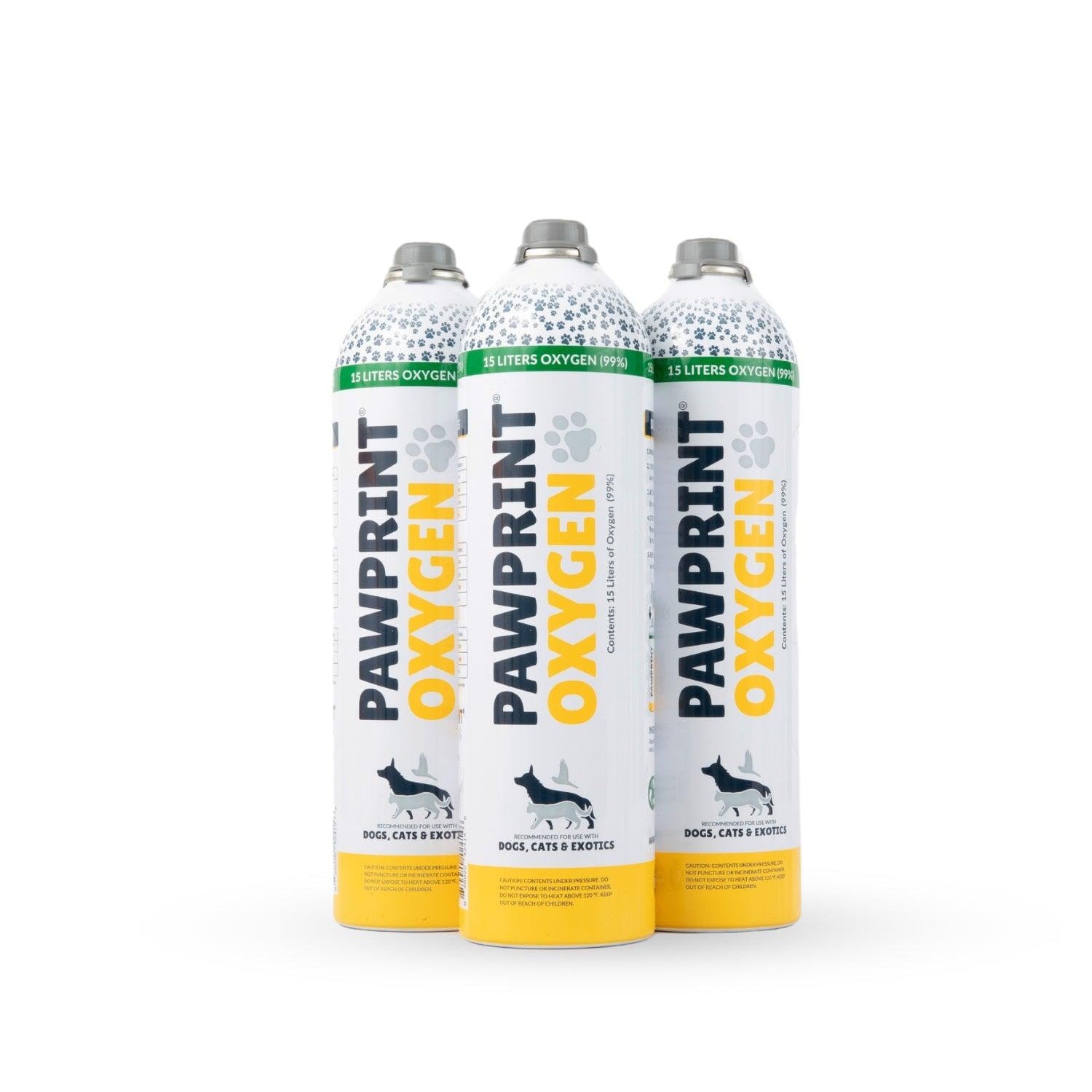
Portable oxygen kits are often used for short-term support, such as during emergency situations or transporting a dog to the veterinarian. These kits can provide immediate oxygen when a dog is struggling to breathe and help stabilize them until professional care is available.
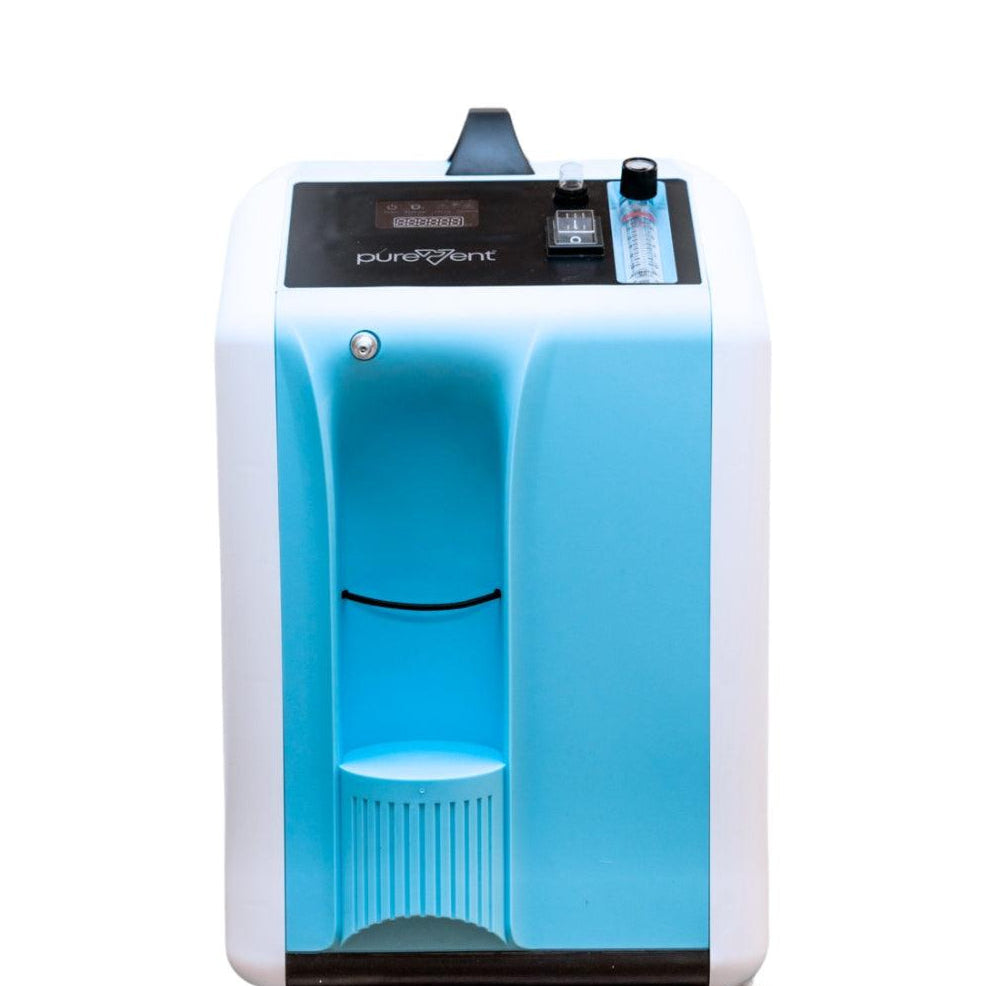
For longer periods of therapy, veterinarians may recommend oxygen concentrators or oxygen chambers for use at home. These systems can deliver a steady supply of oxygen over extended sessions, helping maintain healthier oxygen levels while your dog rests and recovers. Chambers can be especially helpful for dogs that become stressed by masks or need consistent oxygen support.
It’s important to remember that oxygen therapy is a supportive tool, not a cure. Flow rates and session lengths should always be guided by your veterinarian to ensure safe and effective use.
How do veterinarians diagnose your dog with pneumonia?
Veterinarians will perform a physical exam and use a combination of diagnostic tests to diagnose your dog with pneumonia. X-rays, bloodwork, and cultures are some common diagnostic tests veterinarians may utilize.
What kinds of dogs can get pneumonia?
Pneumonia can affect all breeds and ages of dog.
How do dogs get pneumonia?
There are several causes of pneumonia, from bacterial, viral, or fungal to inhaling particles (called aspiration pneumonia). Treatments may differ between the different kinds of pneumonia, so veterinarians will work to try to pinpoint the cause before starting medications for your dog with pneumonia.
When to Call Your Veterinarian
Even during recovery, it’s important to stay alert for warning signs that may require immediate veterinary attention. Contact your veterinarian or seek emergency care right away if your dog shows any of the following:
Increased breathing effort or labored breathing
Blue, gray, or pale gums
Sudden weakness, lethargy, or collapse
Refusal to eat or drink
While setbacks can happen during the healing process, recognizing these signs early and acting quickly can make a critical difference in your dog’s outcome.

Small Improvements Matter
Recovering from pneumonia takes time, patience, and close monitoring. Small improvements, like easier breathing, better appetite, or a wagging tail, can be meaningful signs that your dog is healing. By working closely with your veterinarian and using supportive therapies when recommended, you can help give your dog the best chance at a comfortable and successful recovery.