The Best Anesthesia and Oxygen Concentrator Options For Veterinarians
Selecting the right anesthesia and oxygen concentrator equipment requires a deep understanding of both your veterinary practice's needs and patient priorities. This article helps veterinarian to de...
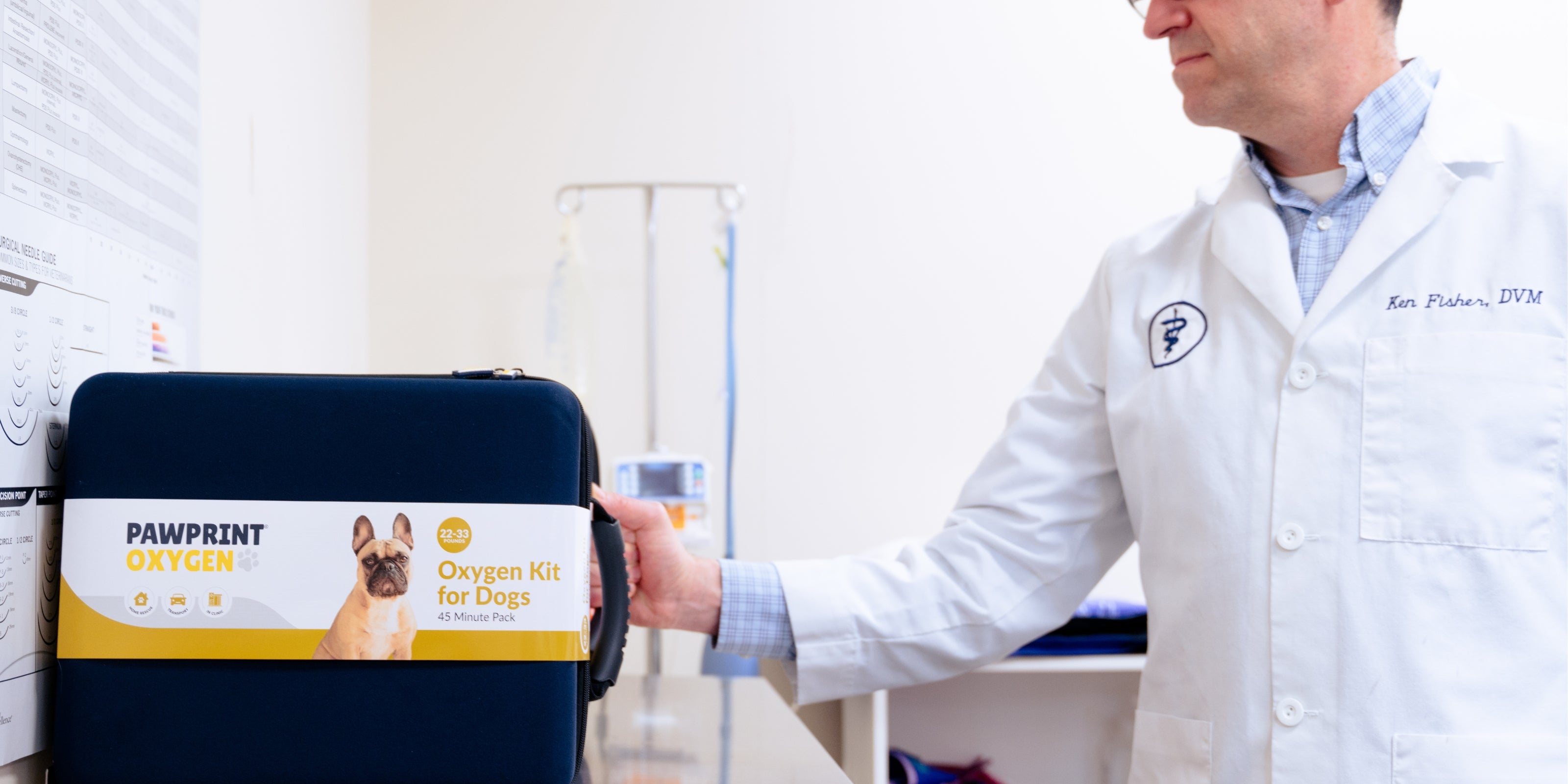
Portable Oxygen Solutions for Veterinarians
In this article, we'll explore portable oxygen solutions for veterinarians, including their applications, benefits, and considerations for use. We'll discuss how portable oxygen canisters have enha...
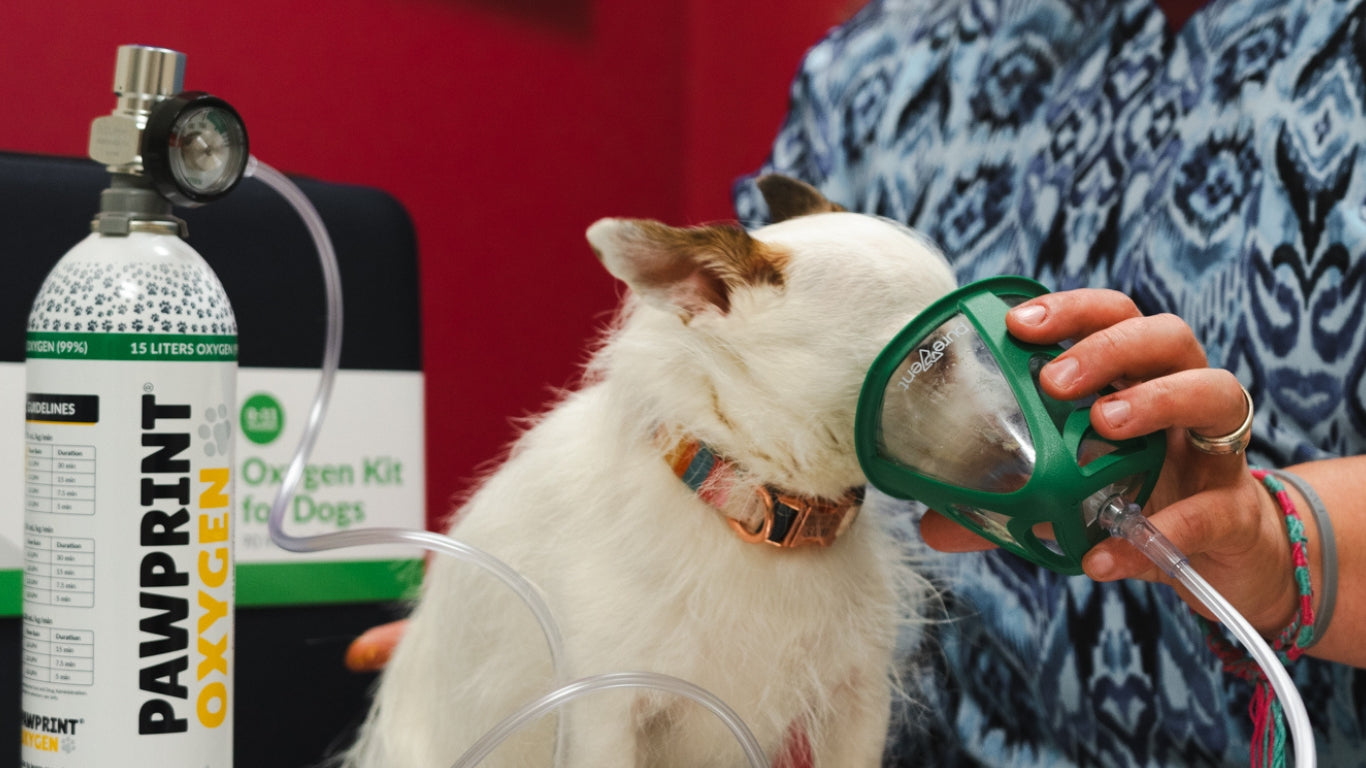
Veterinarian’s Guide: How to Refer Pawprint Oxygen to Your Patient
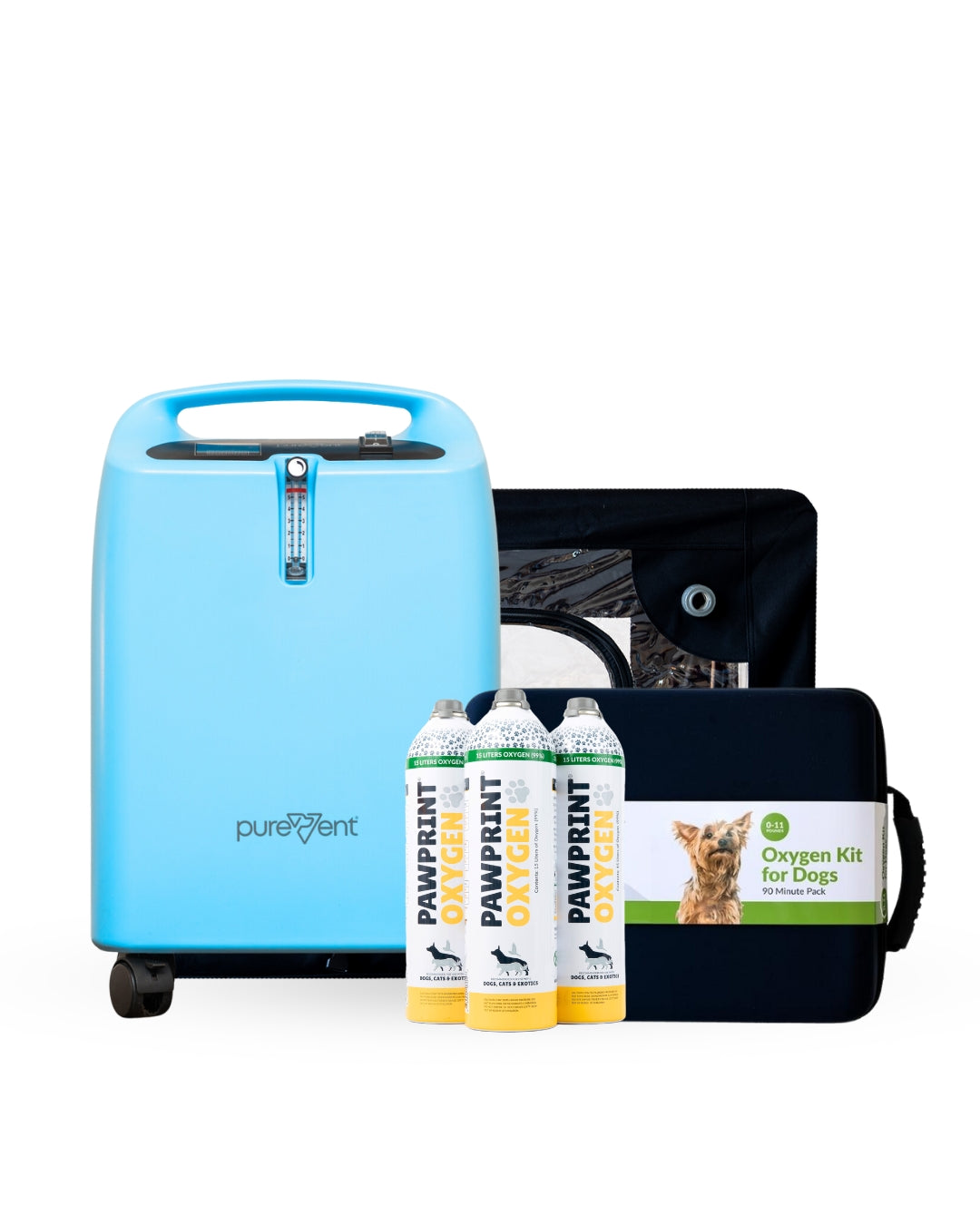
Using Pawprint Oyxgen's Rescue Kits are quick and easy to refer to and dispense to your clients. These kits are premade and provide just the right flow rate for 30-90 minutes of oxygen supply.
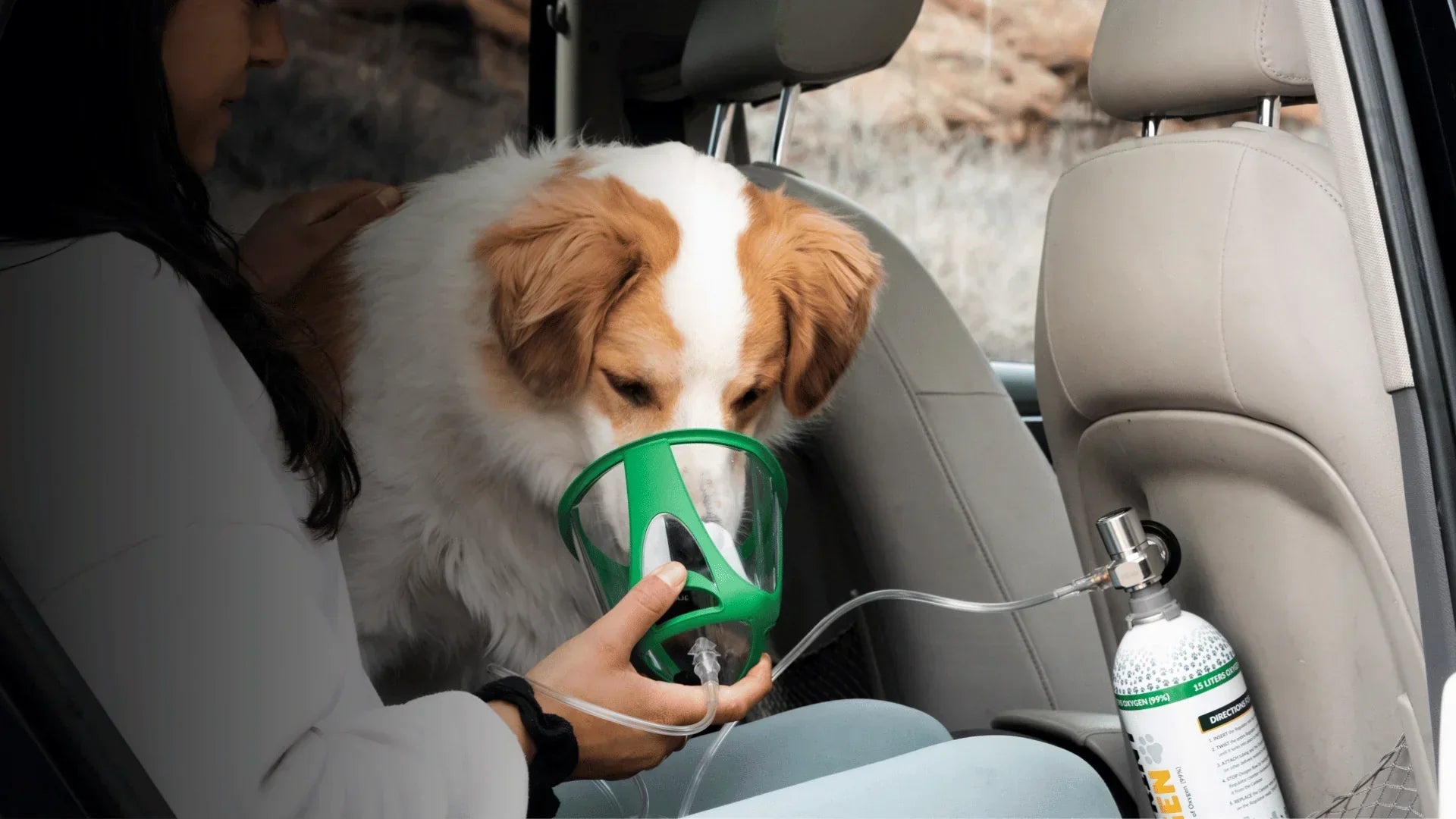
Methods of Oxygen Administration for Pets
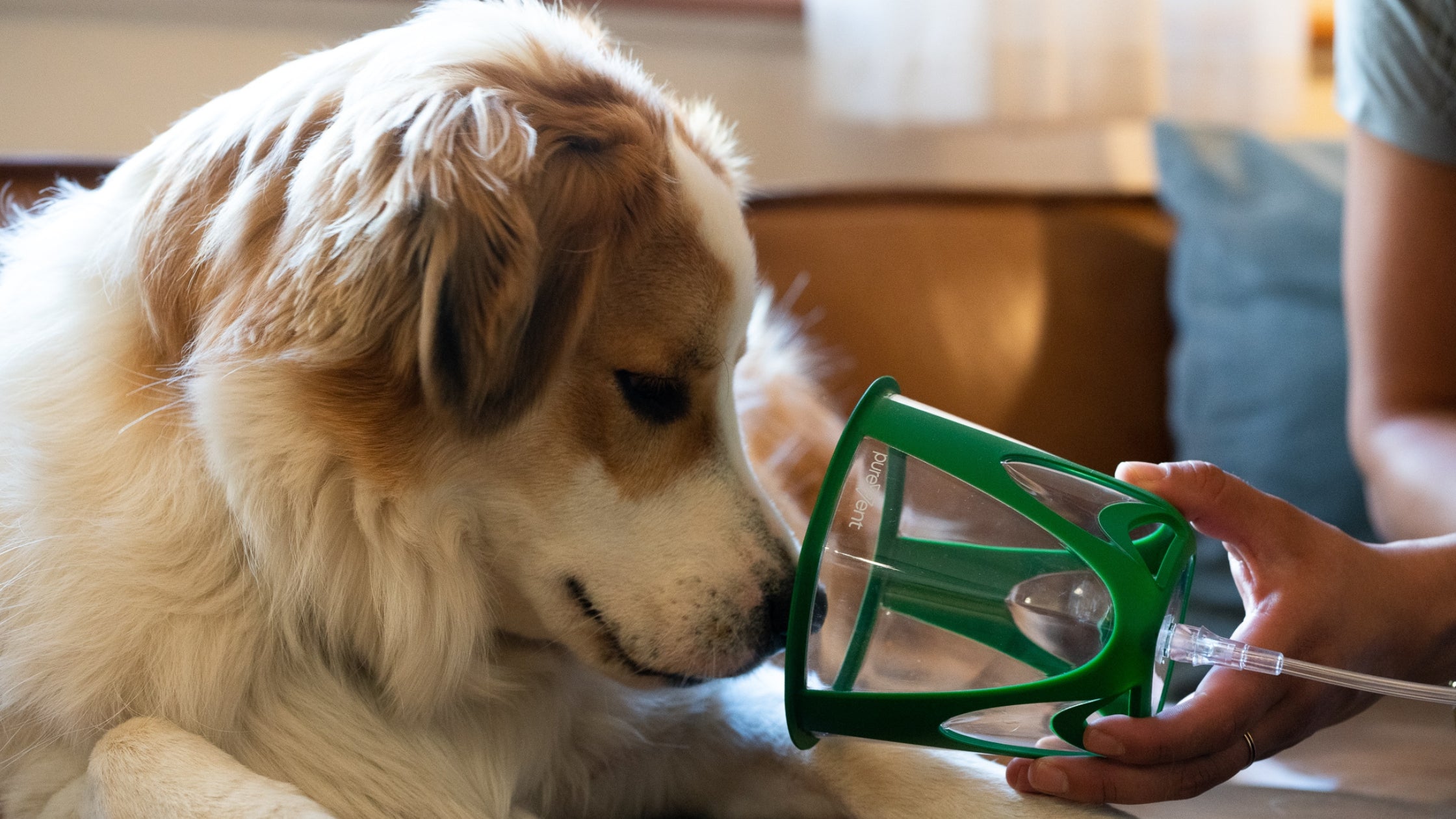
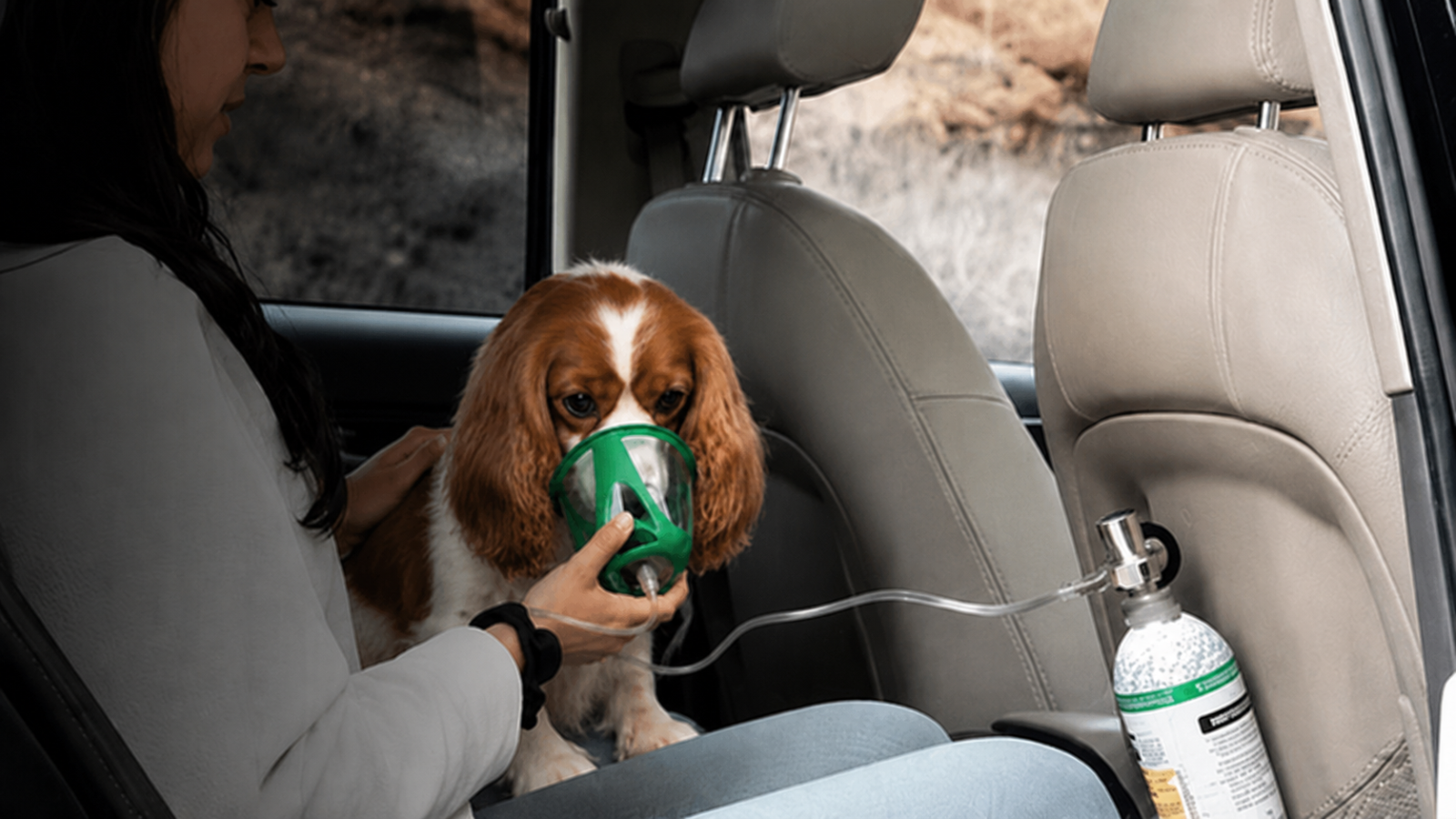
The Pet Oxygen Mask is the most practical option for at- home use. It is available in three different sizes to accommodate the patient’s snout and is exceptio...
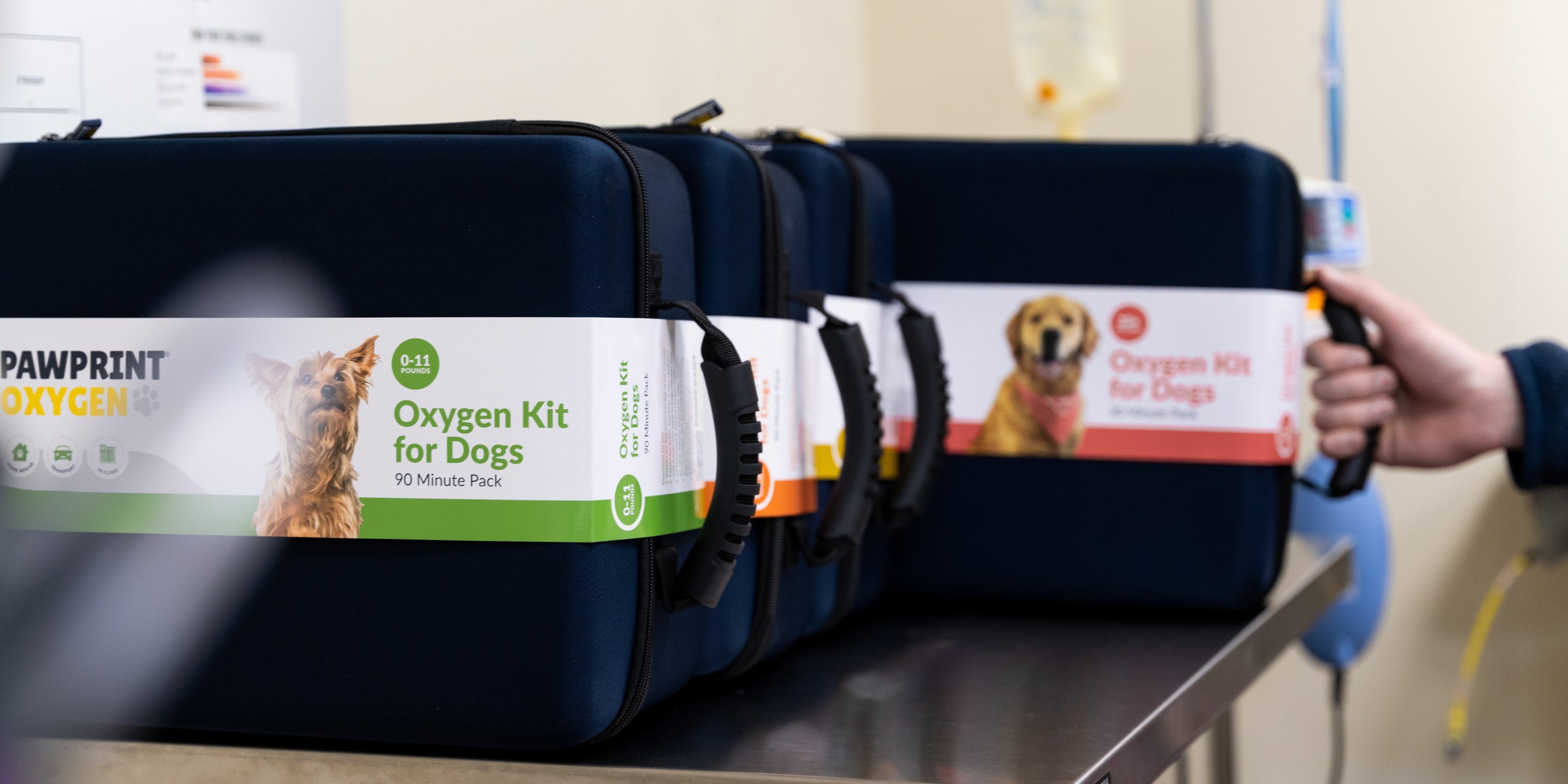
Rescue Oxygen for Veterinary Transport
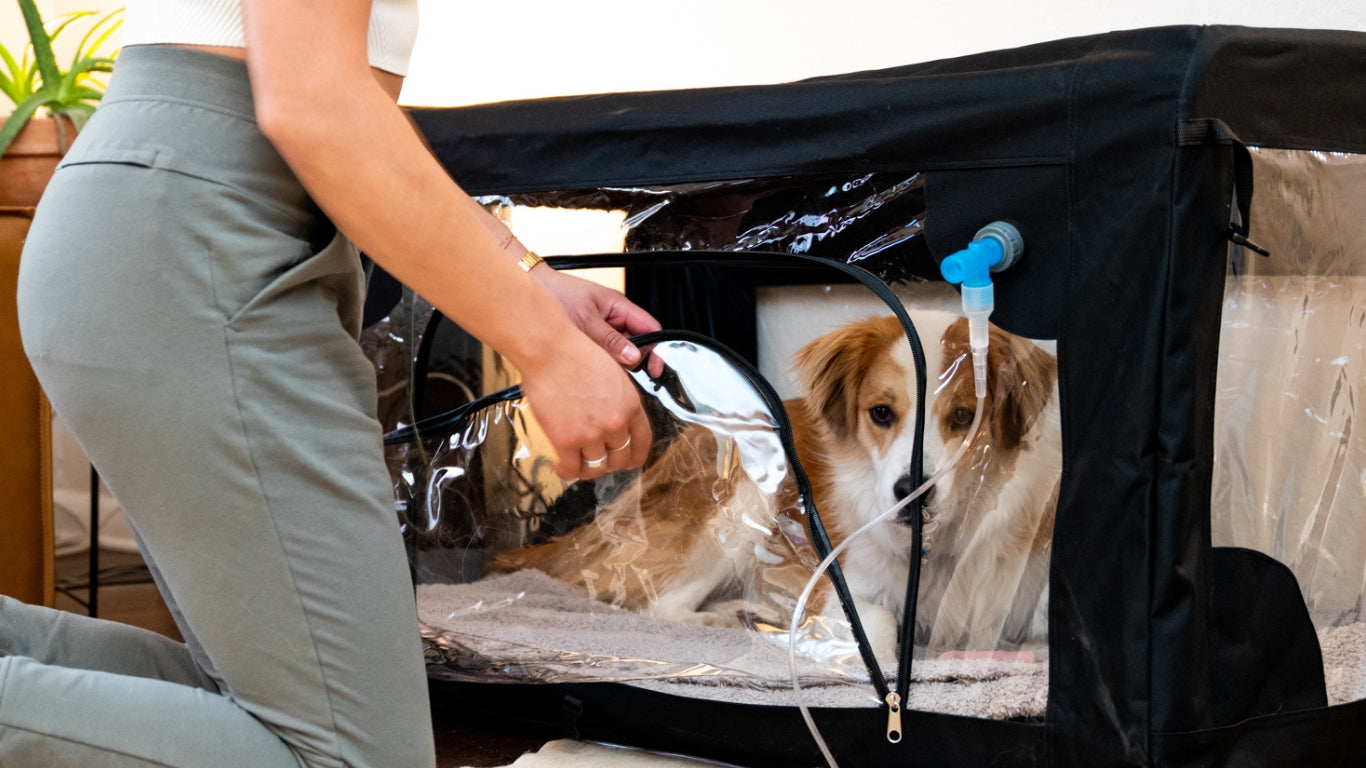
Until veterinary pre-hospital services become commonplace, pet parents are called upon to initially treat and then transport their pets from home to the veter...
Recent Blog posts

Fireworks Anxiety and Your Pet: When Noise Anxiety Becomes a Breathing Emergency
July 4th is the most dangerous night of the year for pets. Learn how fireworks anxiety can spiral into respiratory distress and how an at-home pet oxygen kit can help you respond.
Brachycephalic Breeds and Breathing Emergencies: Why Flat-Faced Dogs Need an Oxygen Kit at Home
Pugs, Frenchies, and bulldogs are wired for breathing emergencies. Learn the warning signs of a brachycephalic crisis and how an at-home pet oxygen kit can buy you critical minutes.
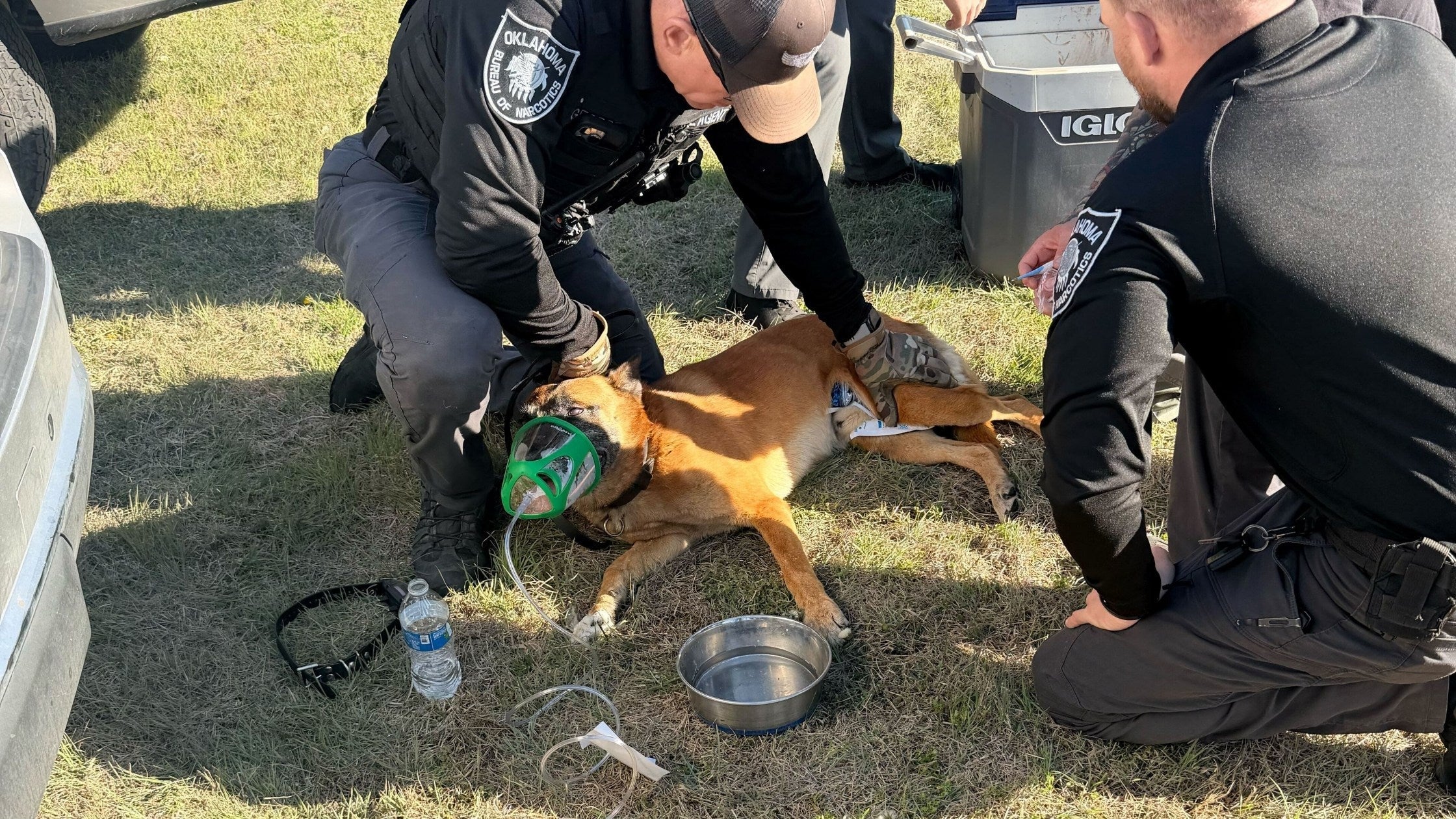
Heatstroke in Dogs: Emergency First Aid, Warning Signs, and Why Oxygen Matters
Heatstroke can kill a dog in under an hour. Learn the warning signs, the right way to cool your pet, and why on-hand oxygen with a Rescue Oxygen Kit can save a life this summer.