
What Dog Breeds Are Using Oxygen Therapy The Most?
This article is about which dogs commonly require oxygen therapy, common respiratory conditions, signs of distress, and how oxygen can improve their lives.

Everything You Need to Know About Pawprint Oxygen: An FAQ Guide
This comprehensive FAQ guide covers essential information about Pawprint Oxygen's pet oxygen therapy products and services. It addresses product selection, prescriptions, ordering, and shipping.
How Can I Use Oxygen Therapy for My Dog with Congestive Heart Failure?
Learn how to use oxygen therapy for dogs with congestive heart failure (CHF). Discover benefits, administration methods & tips for starting therapy.
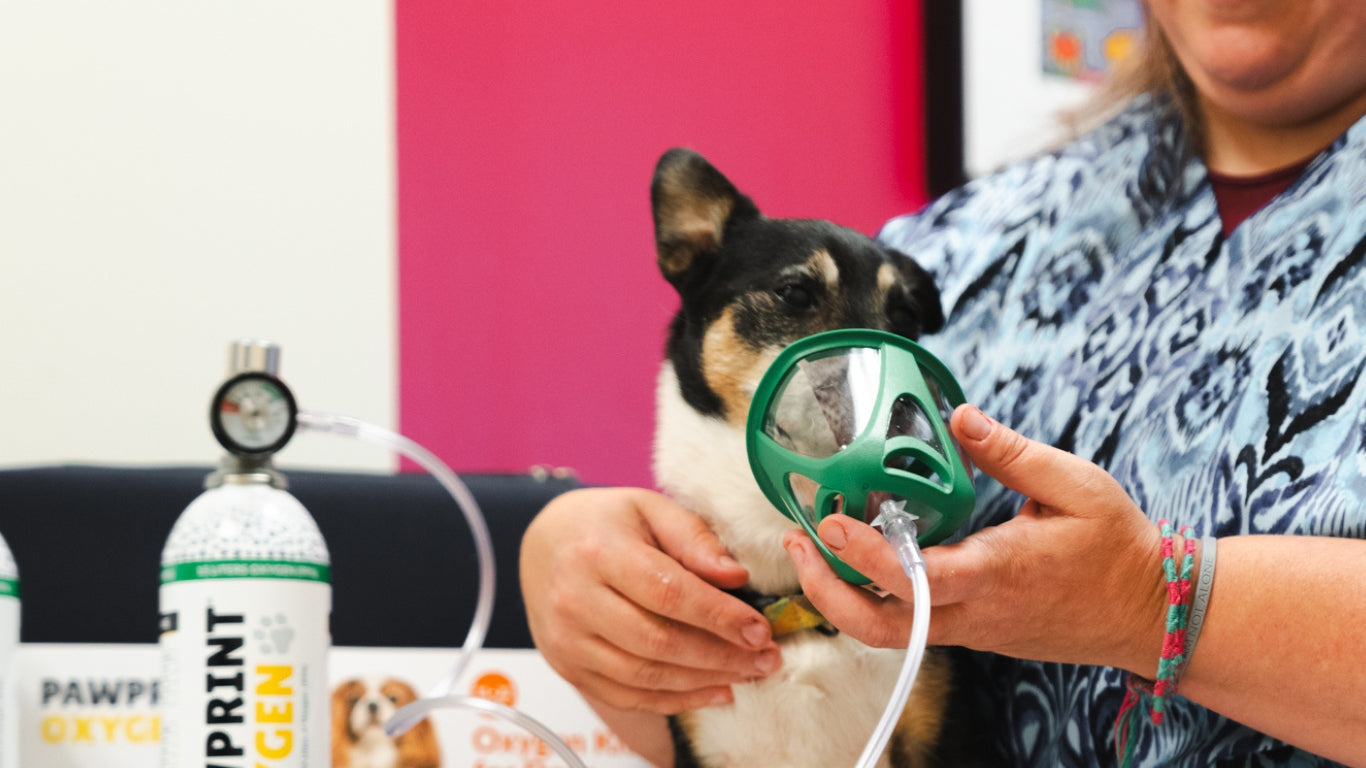
How To Soothe a Dog Suffering with Collapsed Trachea
In this article, we’ll explore practical tips and strategies to soothe and manage a dog suffering from a collapsed trachea. Whether you’re dealing with this condition for the first time or looking...

Revolutionizing Veterinary Transport: MWI's Oxygen Supplies for Veterinarians
This article explores MWI Animal Health's partnership with Pawprint Oxygen, which revolutionizes veterinary transport through innovative oxygen supplies.
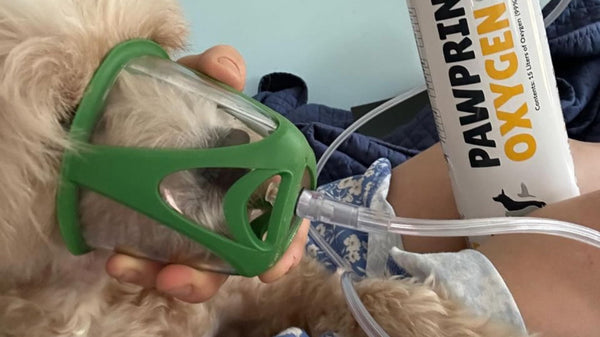
How to Comfort a Dog with Congestive Heart Failure
Managing CHF in your dog demands a comprehensive approach, combining medical treatment, home care, and monitoring. This article gives owners practical tips.
Recent Blog posts

Oxygen Therapy for Your Exotic Pets
We'll go over the top exotic pets using oxygen therapy. Pet owners will learn when and why most exotic pets utilize oxygen therapy and the products used to administer oxygen.

Anaphylaxis in Dogs and Cats: Recognizing a Severe Allergic Reaction Before It Becomes an Emergency
Anaphylaxis in pets can escalate in minutes, and dogs and cats show it differently. Learn the warning signs by species, what emergency vets do, and how a Rescue Oxygen Kit helps on the way there.

Dog Hit by Car: The Hidden Lung Injury That Shows Up Hours Later
A dog hit by a car can look fine and still be in danger. Learn the hidden signs of pulmonary contusion, what to do in the first minutes, and why oxygen support matters in the 24–48 hours after.