
Mitral Valve Disease in Dogs: Everything You Need to Know
This article helps dog owners understand the causes, symptoms and treatments for mitral valve disease in dogs. The article also includes information on which dogs may be prone to the disease.
What are the Causes and Treatments for Seizures in Pets?
Seizures in pets can be a frightening experience for both the pet and their owner. These episodes, which involve sudden, uncontrolled bursts of electrical act...
What is Syncope in Dogs: Diagnosing & Treating the Condition
Syncope in dogs is a brief loss of consciousness caused by a sudden drop in blood flow, and therefore oxygen, to the brain. Most episodes are short. Your dog goes limp or stiffens, collapses...
Natural Treatments for Pulmonary Hypertension in Dogs
Pulmonary hypertension in dogs occurs when there is abnormally high blood pressure in the arteries of the lungs. Pet owners can adopt a more holistic approach.

The Benefits of Portable Pet Oxygen Kits for Emergencies
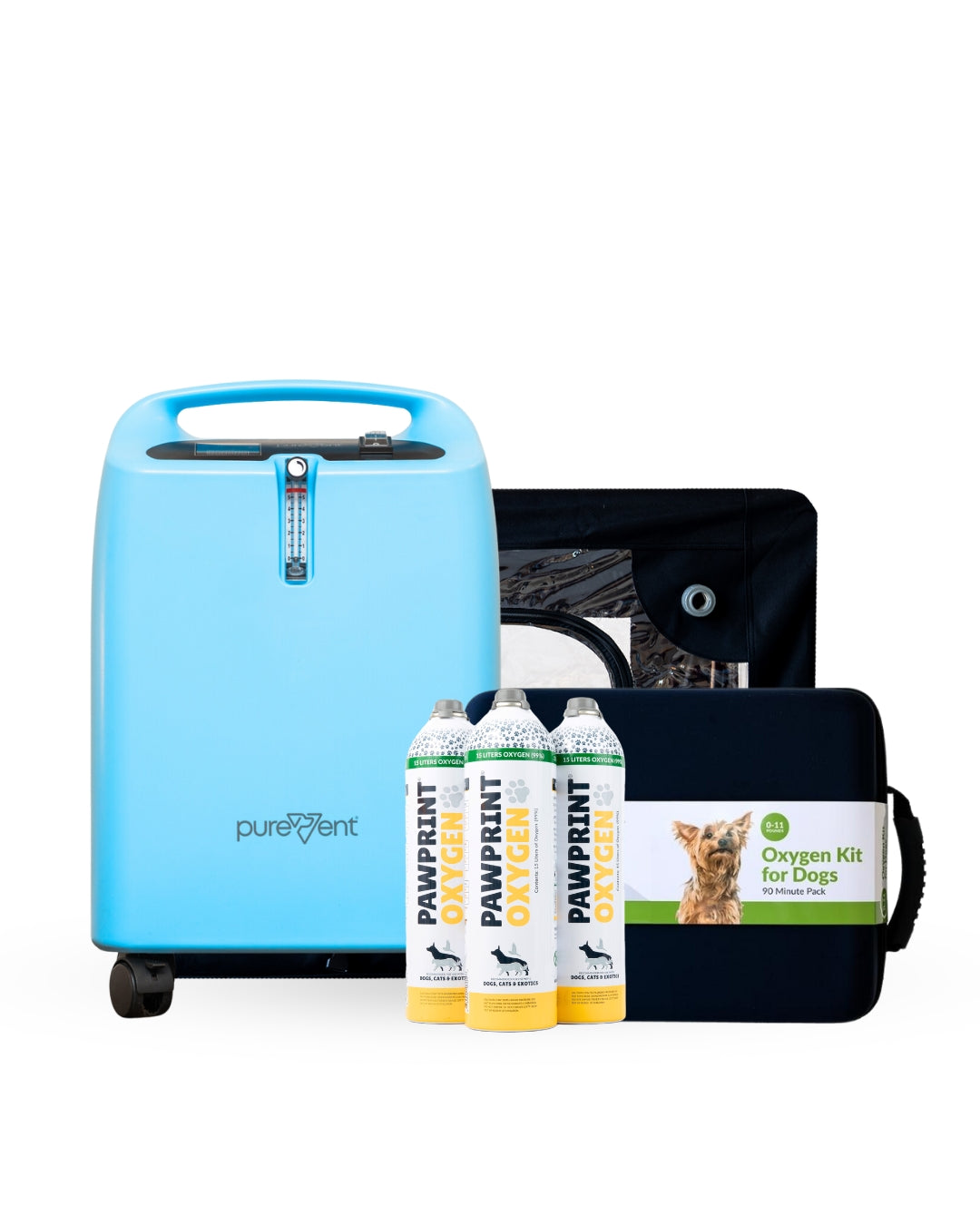
Portable pet oxygen kits are specifically designed to provide a swift and efficient means of delivering oxygen to pets in distress.

How To Help Your Dog With Pneumonia: 5 At-Home Treatments
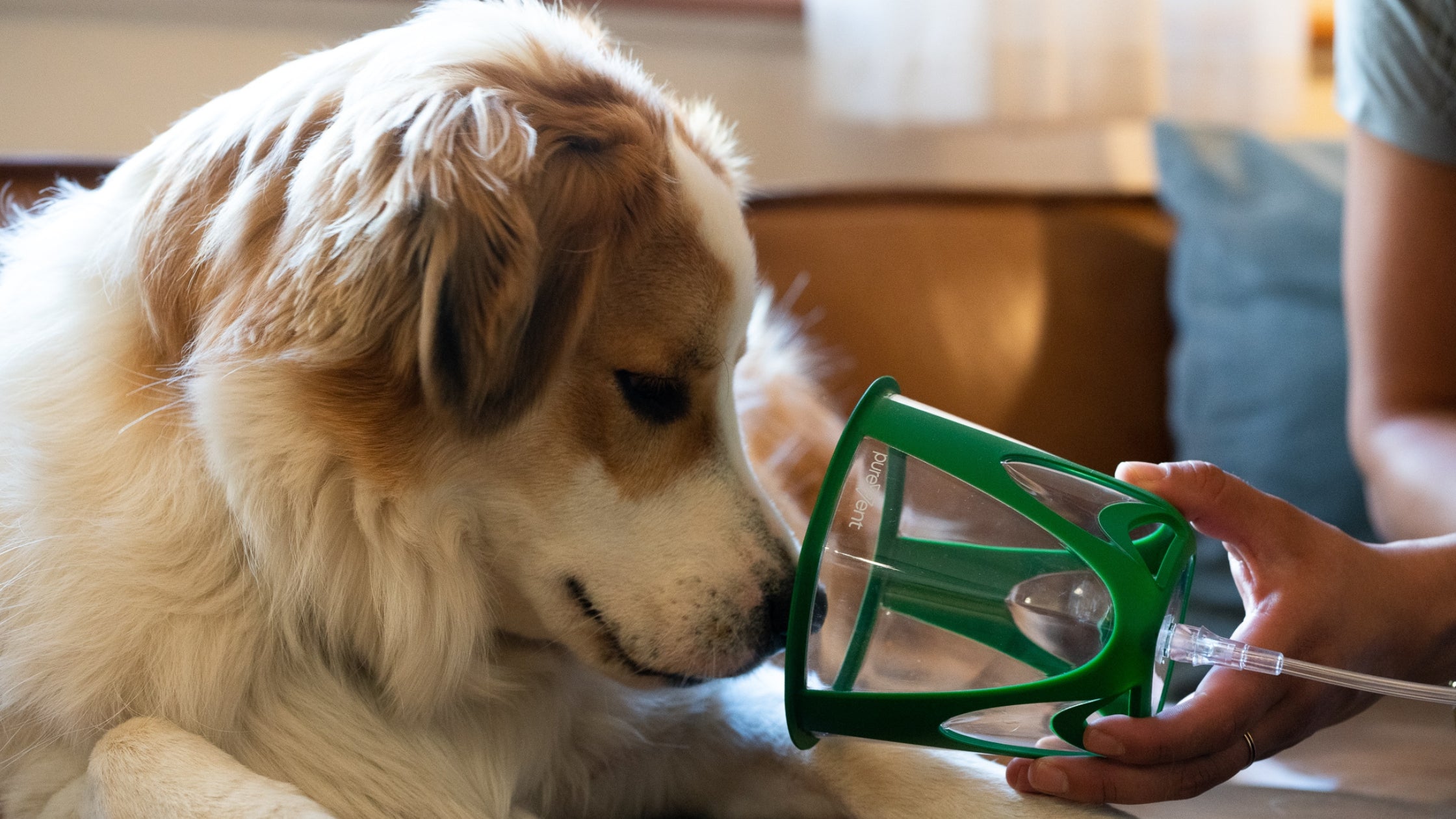
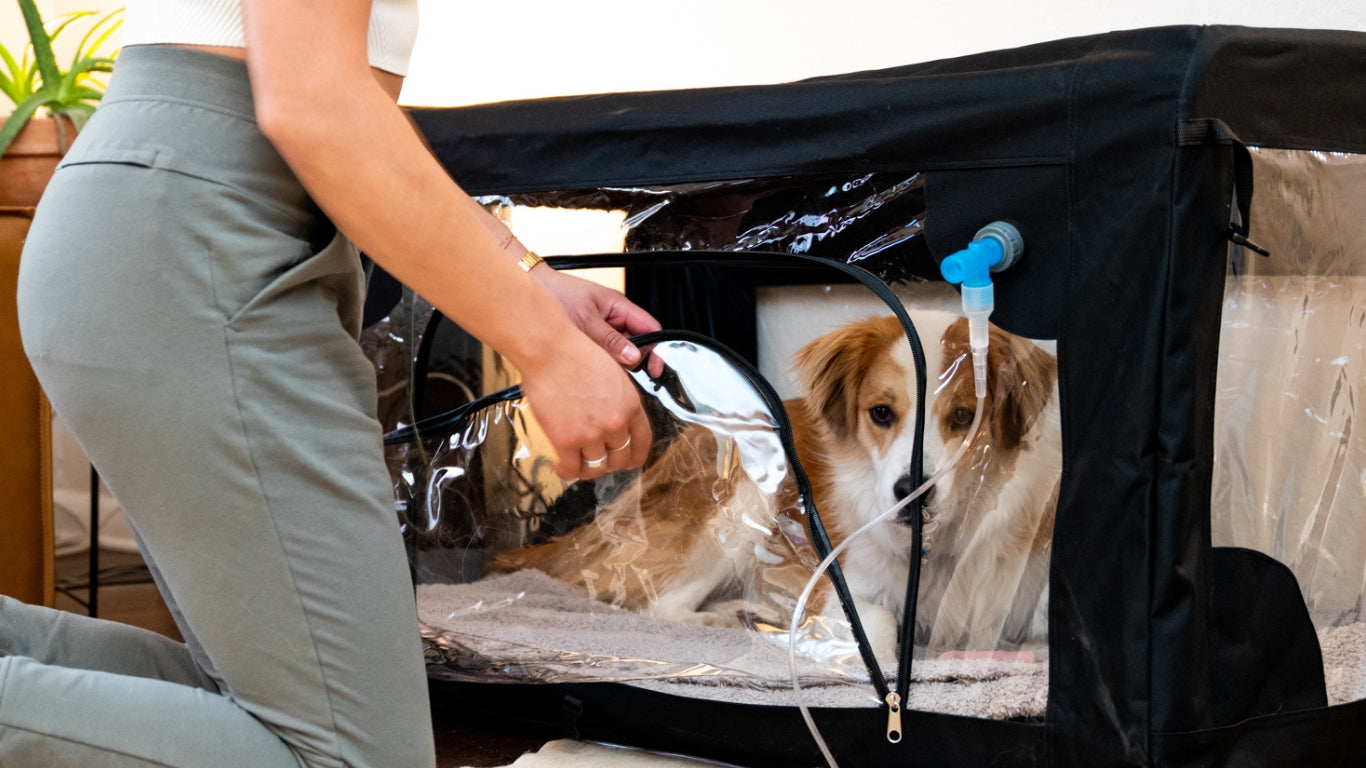
This article provides five at-home treatments for your dog with pneumonia, including oxygen therapy, hydration, humidity, rest, and medication administration.
Recent Blog posts

Oxygen Therapy for Your Exotic Pets
We'll go over the top exotic pets using oxygen therapy. Pet owners will learn when and why most exotic pets utilize oxygen therapy and the products used to administer oxygen.

Anaphylaxis in Dogs and Cats: Recognizing a Severe Allergic Reaction Before It Becomes an Emergency
Anaphylaxis in pets can escalate in minutes, and dogs and cats show it differently. Learn the warning signs by species, what emergency vets do, and how a Rescue Oxygen Kit helps on the way there.

Dog Hit by Car: The Hidden Lung Injury That Shows Up Hours Later
A dog hit by a car can look fine and still be in danger. Learn the hidden signs of pulmonary contusion, what to do in the first minutes, and why oxygen support matters in the 24–48 hours after.