
Heart Murmurs in Pets: Everything You Need To Know
In this article, we’ll walk you through everything you need to know about heart murmurs in pets, so you can feel informed and confident caring for your pets.
How Can I Treat Seizures in Dogs at Home?
This article explores effective methods for treating your dog's seizures at home, focusing on creating a safe space, what to do during a seizure, and supportive aftercare.
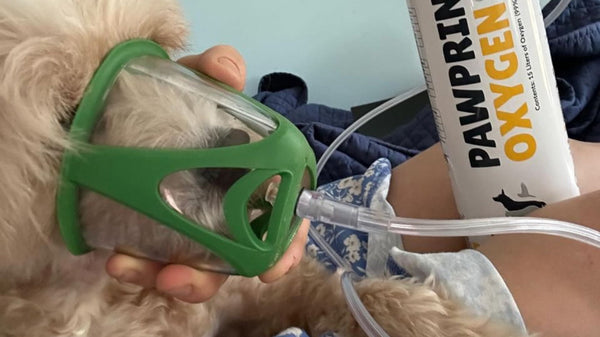
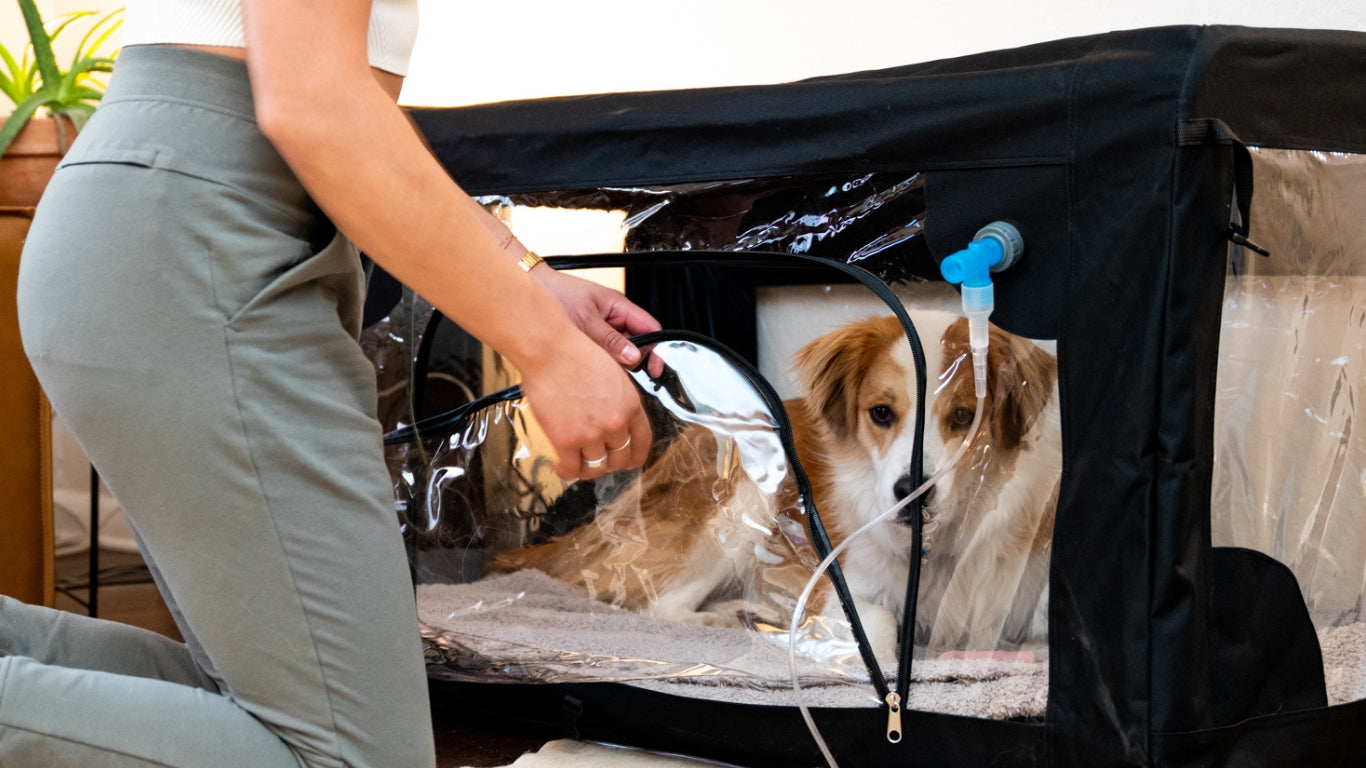
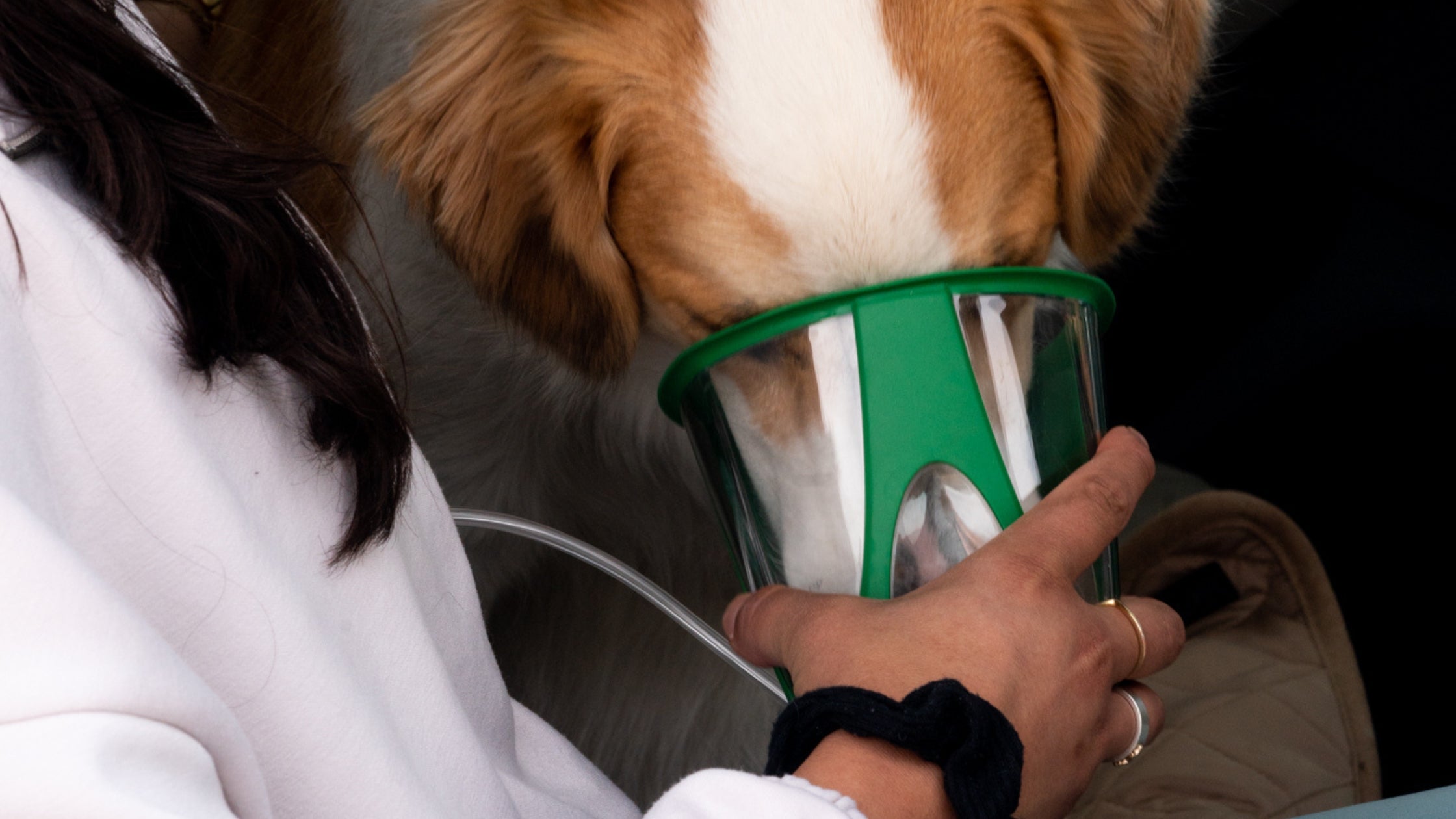
Oxygen Chamber vs Pet Oxygen Mask: Which is Best for Your Pet?
This article helps owners understand the difference between oxygen chambers and oxygen masks and will help determine which option is best suited for their pets.

Seizures in Dogs: Symptoms, Causes, and What to Do
A seizure is an abnormal surge of electrical activity in a dog’s brain that disrupts normal function. The sudden disturbance can affect the brain and body. This article explains the symptoms, cause...
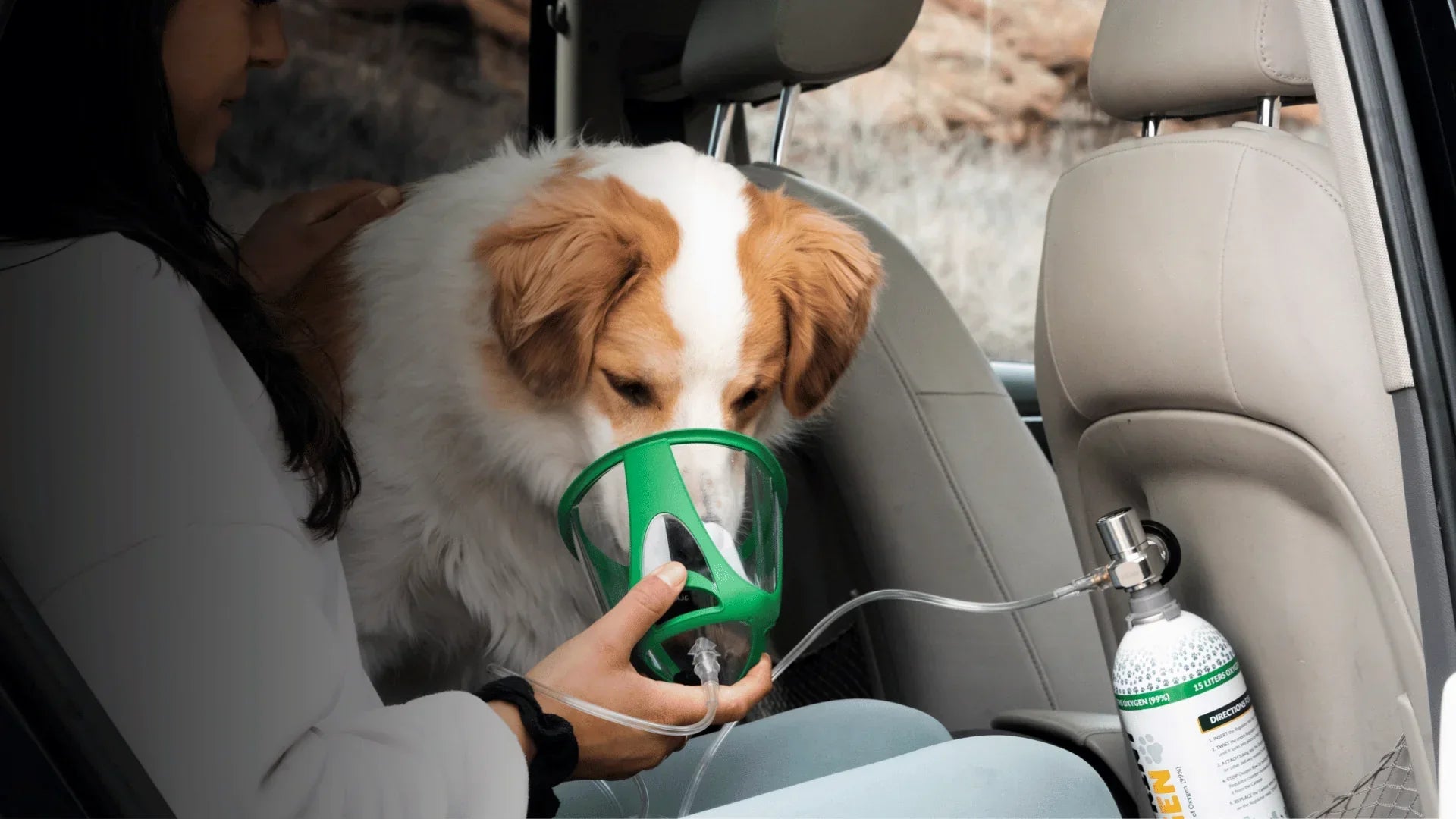
October 2024: Update on the Outbreak of aCIRD in Dogs
The recent outbreak of aCIRD has garnered attention across multiple states, raising concerns among pet owners and veterinarians alike. This article provides an update on the outbreak and provides ...

10 Natural Home Treatments for Collapsed Trachea in Dogs
Natural treatments offer a gentle, non-invasive approach to managing collapsed trachea symptoms. This article explores several natural, non-invasive treatments.
Recent Blog posts

Oxygen Therapy for Your Exotic Pets
We'll go over the top exotic pets using oxygen therapy. Pet owners will learn when and why most exotic pets utilize oxygen therapy and the products used to administer oxygen.

Anaphylaxis in Dogs and Cats: Recognizing a Severe Allergic Reaction Before It Becomes an Emergency
Anaphylaxis in pets can escalate in minutes, and dogs and cats show it differently. Learn the warning signs by species, what emergency vets do, and how a Rescue Oxygen Kit helps on the way there.

Dog Hit by Car: The Hidden Lung Injury That Shows Up Hours Later
A dog hit by a car can look fine and still be in danger. Learn the hidden signs of pulmonary contusion, what to do in the first minutes, and why oxygen support matters in the 24–48 hours after.