
Table of Contents
If you have ever noticed your pet’s gums or tongue turning blue or purple, you know how frightening that moment can feel. This color change is called cyanosis. It is a serious warning sign that your dog or cat is not getting enough oxygen.
Cyanosis in dogs and cats is not a disease on its own. It is a symptom of a deeper problem that needs urgent medical care. When it appears, it often means your pet’s body is struggling to deliver oxygen to vital organs.
Veterinarians commonly link cyanosis to hypoxia, which means dangerously low oxygen levels in the blood. In many cases, cyanosis signals a medical emergency. This guide explains what cyanosis is, why it occurs, and what steps to take if you notice it.
You will also learn where supportive tools, such as supplemental oxygen from Pawprint Oxygen, can be beneficial. These tools can help support a pet during transport or short-term care at home when guided by a veterinarian. They are not a substitute for treatment and should never replace professional veterinary care.
Why is My Dog’s Tongue Turning Purple? Understanding Cyanosis
Cyanosis occurs when there is not enough oxygen moving through your pet’s bloodstream. Oxygen-rich blood is bright red. Blood with low oxygen levels becomes darker and takes on a bluish tone.
When this darker blood flows near the surface of the skin, it becomes visible. This is why cyanosis is most often seen on the gums, tongue, lips, or thin skin on the belly.
Low oxygen levels mean the body’s tissues are not receiving what they need to function properly. The brain, heart, and lungs are especially sensitive. Cyanosis is the body’s way of signaling that something critical is not working properly.
This problem usually involves the lungs, heart, or blood circulation. In some cases, more than one system is affected at the same time.
The Warning Signs: What Cyanosis Looks Like in Your Pet
Early recognition can make a real difference. Pet owners often notice one or more of the following signs:
- Purple or blue gums in dogs Healthy gums should be a soft, bubblegum pink. Any blue or purple tint is abnormal.
- Purple or blue tongue in cats This is always a serious warning sign in cats.
- Fast, labored, or noisy breathing Your pet may appear to be working hard just to breathe.
- Open-mouth breathing in cats Cats do not normally breathe with their mouths open. This requires immediate veterinary care.
- Weakness or collapse Low oxygen affects muscle strength and balance.
- Anxiety or restlessness Pets may pace, panic, or seem unable to get comfortable.
Some pets naturally have dark pigment on their gums. If you are unsure, gently press on a pink area of the gum. It should turn white, then return to pink within two seconds. Slow color return or a bluish tone is a reason to seek help right away.
Beyond the Blue: Common Reasons for Cyanosis in Pets
A purple tongue or blue gums indicates that oxygen isn't being transported from the air into the bloodstream properly. Veterinarians may investigate several categories of causes:
- Pet Respiratory Distress Symptoms: Issues that prevent oxygen from entering the lungs. This includes airway obstructions (like a stuck object), severe asthma in cats, pneumonia, or trauma to the chest.
- Cardiac (Heart) Problems: Congenital heart disease and dog cyanosis are closely linked. When the heart cannot pump oxygen-rich blood effectively, oxygen levels drop, causing blue or purple discoloration of the gums, tongue, or skin.
- Circulation or Blood Issues: Problems with the blood's ability to carry oxygen, such as from certain toxins or severe anemia.
- Other causes of cyanotic gums in cats and dogs: Severe trauma, exposure to smoke, or extreme low body temperature (hypothermia).
Every Second Counts: Is Cyanosis in Pets an Emergency?
Yes. Cyanosis is a life-threatening emergency. Oxygen deprivation damages vital organs like the brain and heart very quickly. Minutes matter.
Seek immediate veterinary care if you see ANY blue or purple discoloration, especially if accompanied by labored breathing or weakness.
Do not wait to see if it gets better. Do not try to diagnose or treat it yourself at home.

How Veterinarians Diagnose Low Oxygen Levels in Pets (Hypoxia)
At the veterinary clinic or hospital, the team will act quickly to assess your pet. The process typically involves:
- Immediate Physical Exam: Checking gum color, listening to the heart and lungs, and assessing overall stability.
- Measuring Oxygen Saturation: Using a device called a pulse oximeter to get a numeric reading of the oxygen in the blood.
- Diagnostic Tests: To find the root cause, your vet may recommend chest X-rays, an echocardiogram (heart ultrasound), or bloodwork.
Treatment for Oxygen Deprivation in Pets: What to Expect
Treatment typically focuses on two goals simultaneously. The first is restoring oxygen levels. The second is treating the cause of the problem.
- Oxygen Supplementation: Your pet will likely be placed in an oxygen cage or given oxygen via a mask or nasal line to rapidly increase blood oxygen levels.
- Stabilization: Vets may administer medications to support heart function, reduce airway inflammation, or address pain and anxiety.
- Addressing the Root Cause: This could involve surgery for an obstruction, diuretics for heart failure, or antibiotics for pneumonia. The specific treatment depends entirely on the diagnosis.
- Crucial Reminder: Supplemental oxygen support is a stabilizing and supportive measure. It does not diagnose, treat, cure, or prevent any disease. All medical decisions must be made in consultation with a licensed veterinarian.
Bridging the Critical Gap: The Role of Emergency Oxygen Supply
There is a critical, often terrifying, gap between recognizing a crisis at home and getting your pet to the emergency vet. Pets can deteriorate rapidly during car rides, and emergency clinics can be distant.
This real-world need is why Pawprint Oxygen exists. Our company was founded in collaboration with a veterinarian who witnessed firsthand the dangers of pets in respiratory distress traveling without oxygen support. The idea was to create a safe and portable way to provide veterinarian-guided oxygen support during the vulnerable transport window or for short-term stabilization at home, while following a veterinarian's specific instructions.
About Pawprint Oxygen
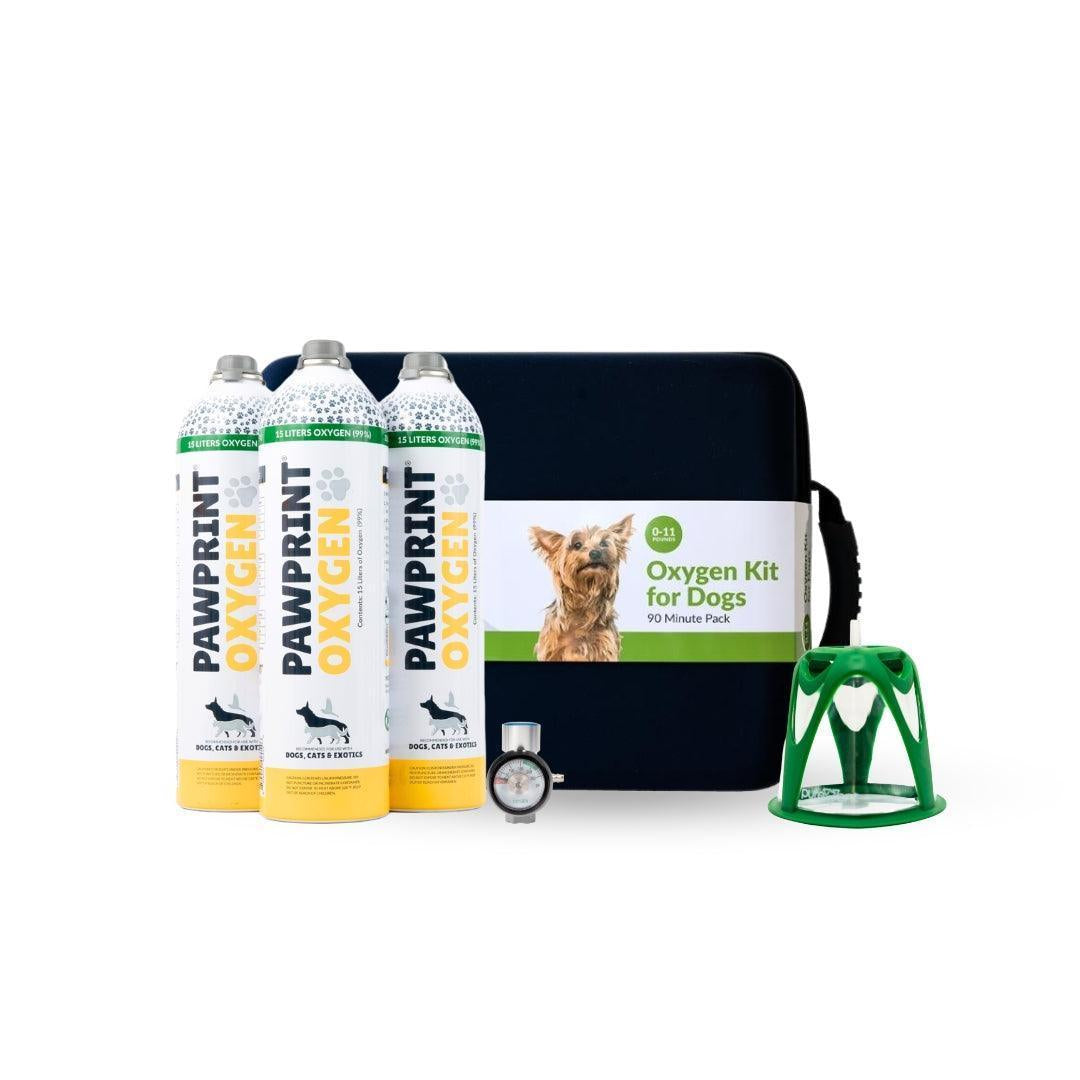
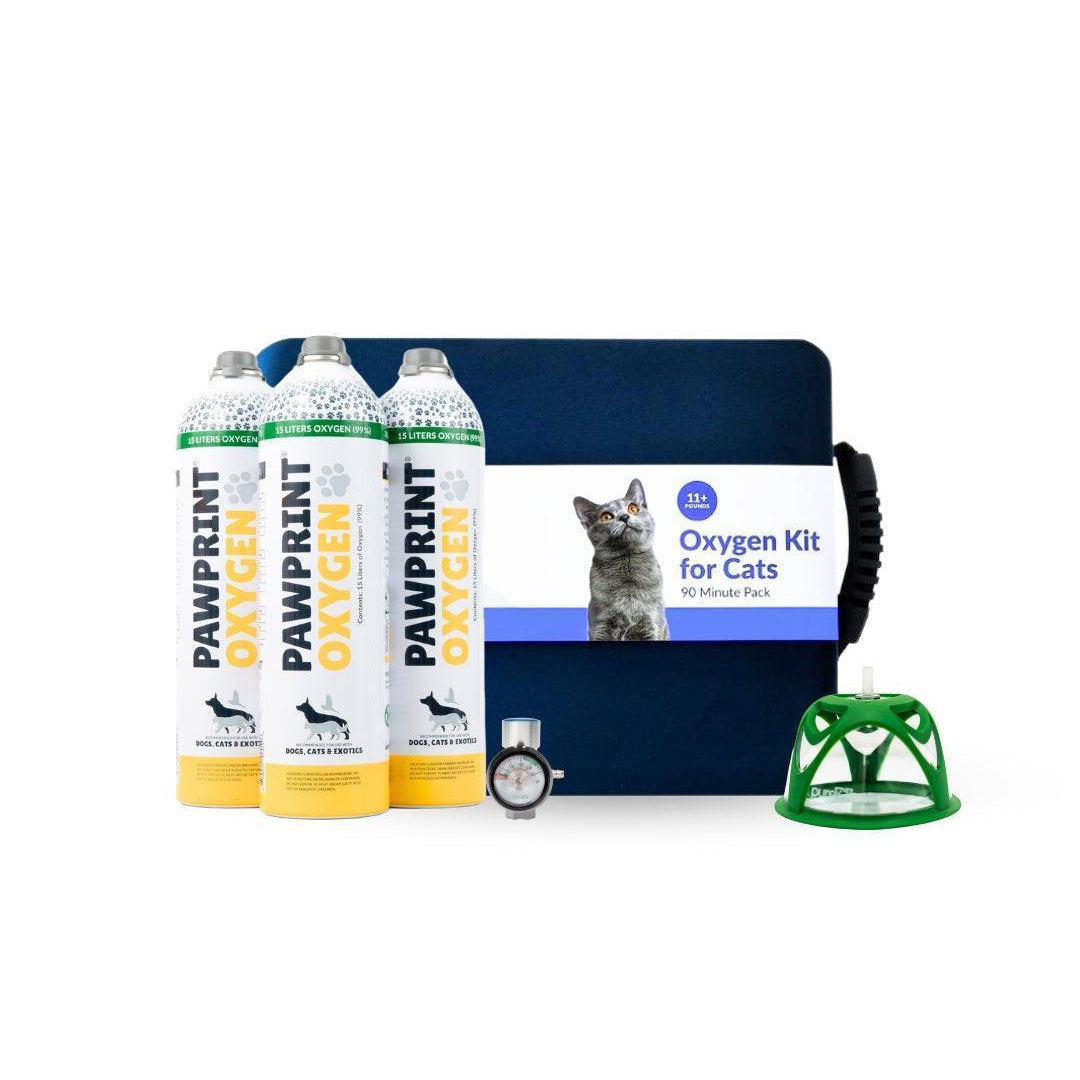
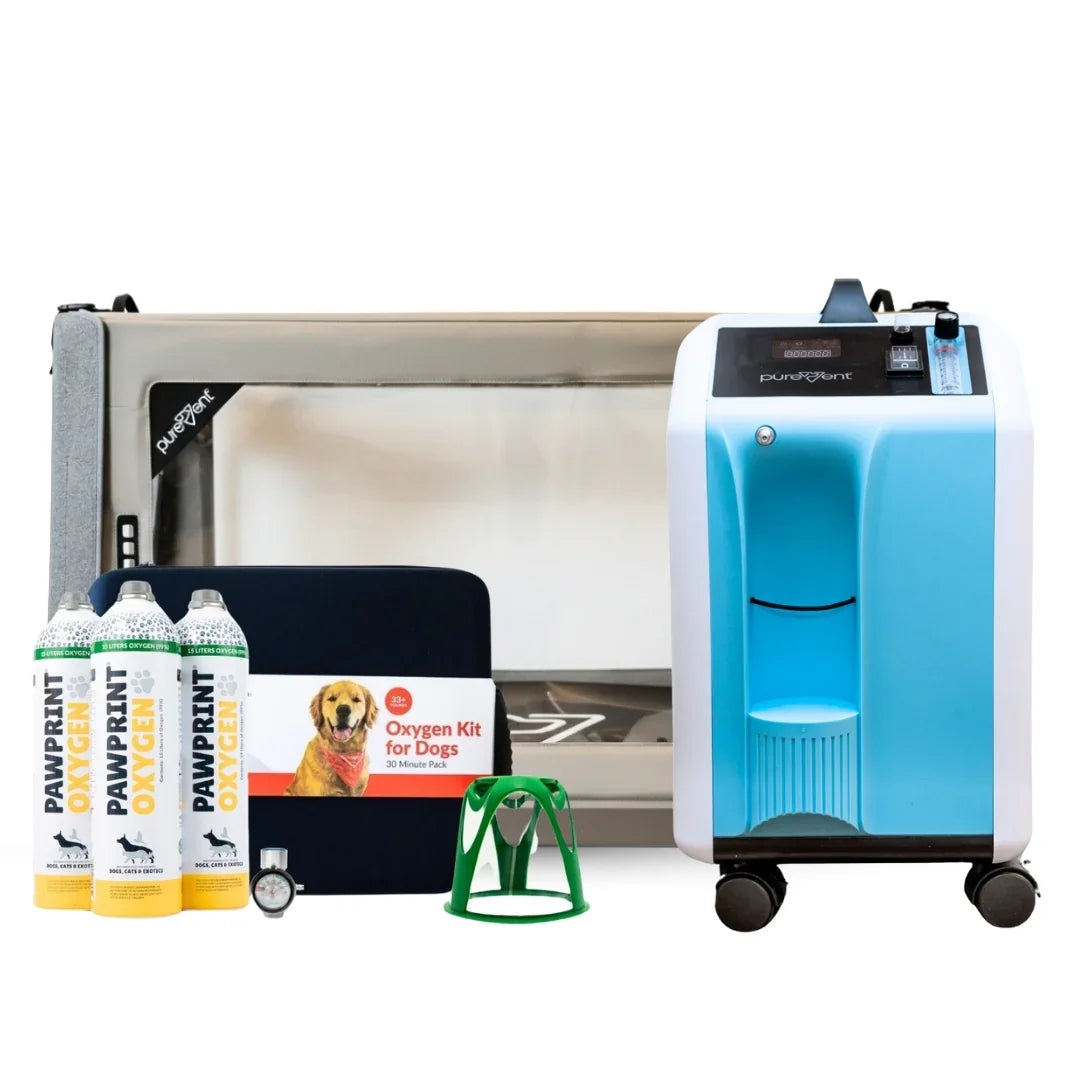
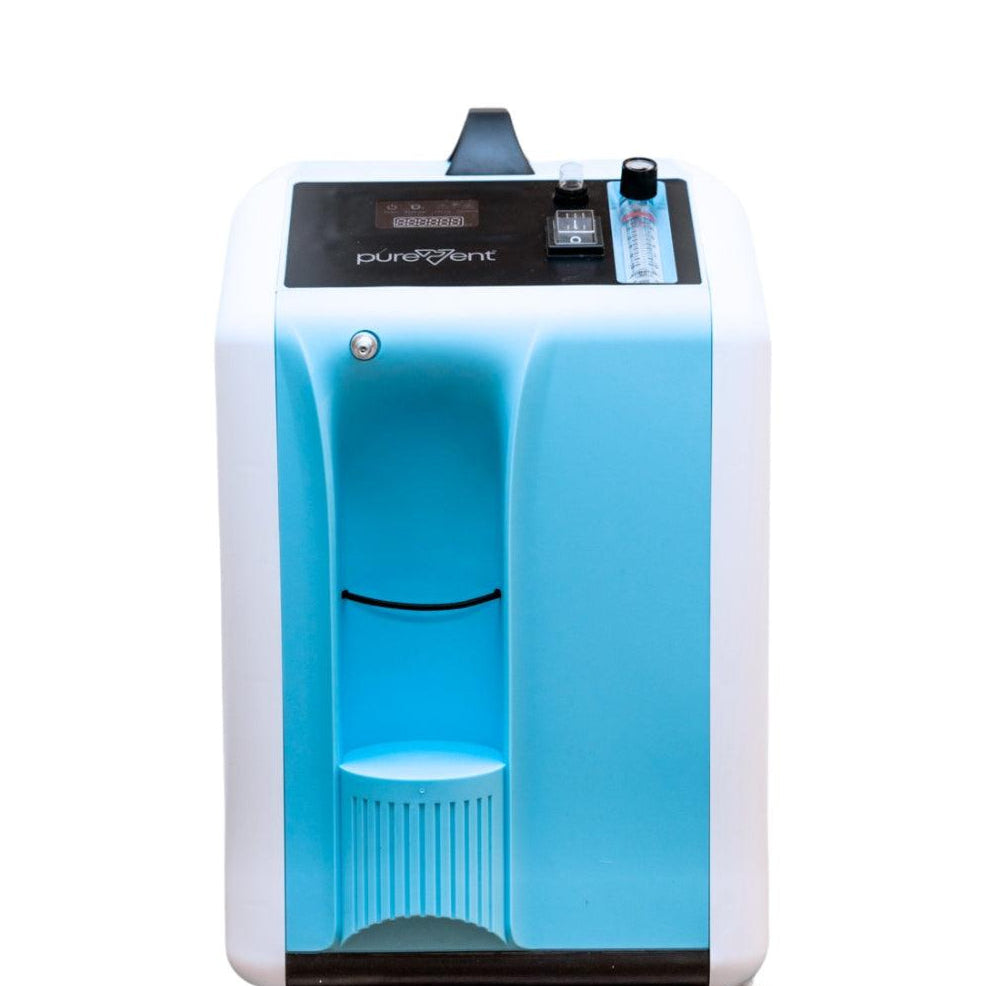
Pawprint Oxygen creates oxygen products designed specifically for pets. These include portable rescue kits and oxygen chamber systems. They are intended for use at home or during emergency transport under veterinary guidance. We closely align with veterinary best practices to support pets and their families in times of need.
Pawprint Oxygen products are supportive tools only. They do not diagnose, treat, cure, or prevent any disease. This article is for educational purposes and is not a substitute for professional veterinary advice. Cyanosis is a medical emergency and requires immediate care from a licensed veterinarian. Always consult your veterinarian regarding your pet’s health.
Can oxygen help my pet before reaching the vet?
When used under veterinary guidance, oxygen can support pets during transport. It is a first-aid measure, not a cure.
How do I tell cyanosis from normal gum color?
Press on a pink area of the gum. It should turn white, then pink again within one to two seconds. Slow return or blue coloring is concerning.
Can pets use oxygen at home?
Yes, but only with a veterinarian’s instructions. Some chronic conditions may require supervised oxygen support.
How quickly does oxygen deprivation become dangerous?
Very quickly. Organ damage can begin within minutes. Cyanosis requires immediate veterinary care.