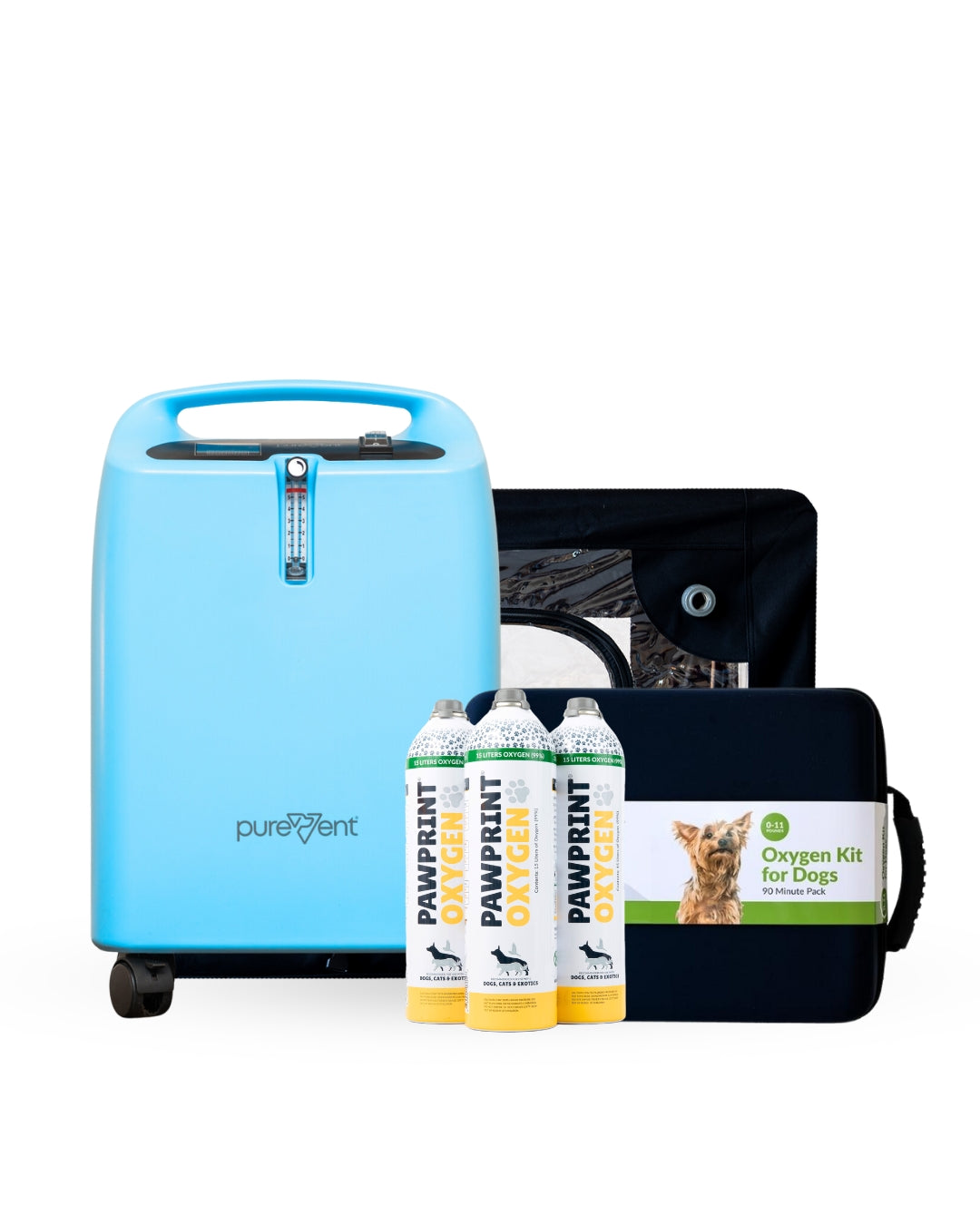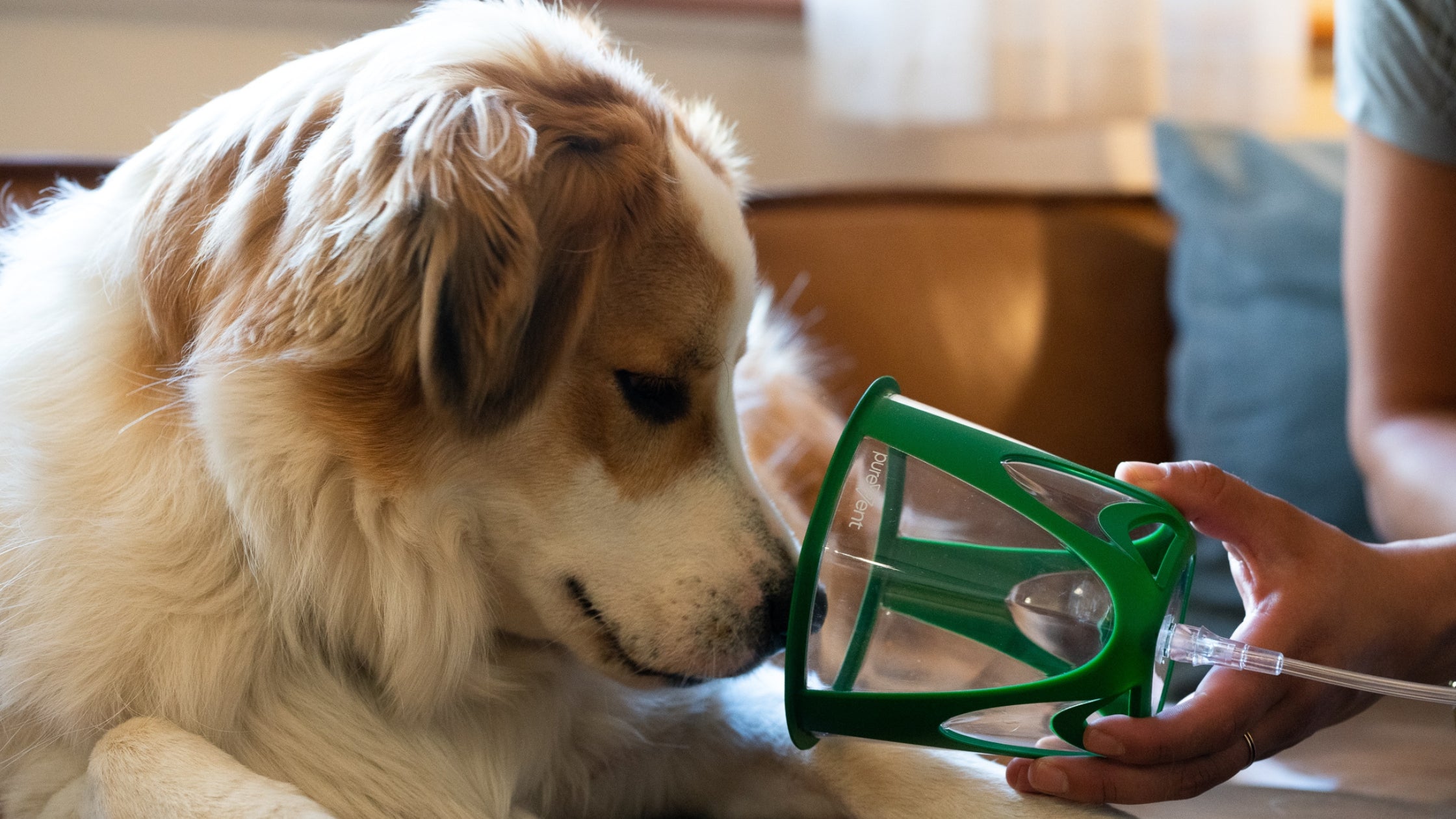

How and When to Use Your Pawprint Oxygen Rescue Kit
Learn how to set up and administer oxygen from your new pet oxygen kit. We'll cover how to use your new canisters, connect your mask and even maintaining your kit.
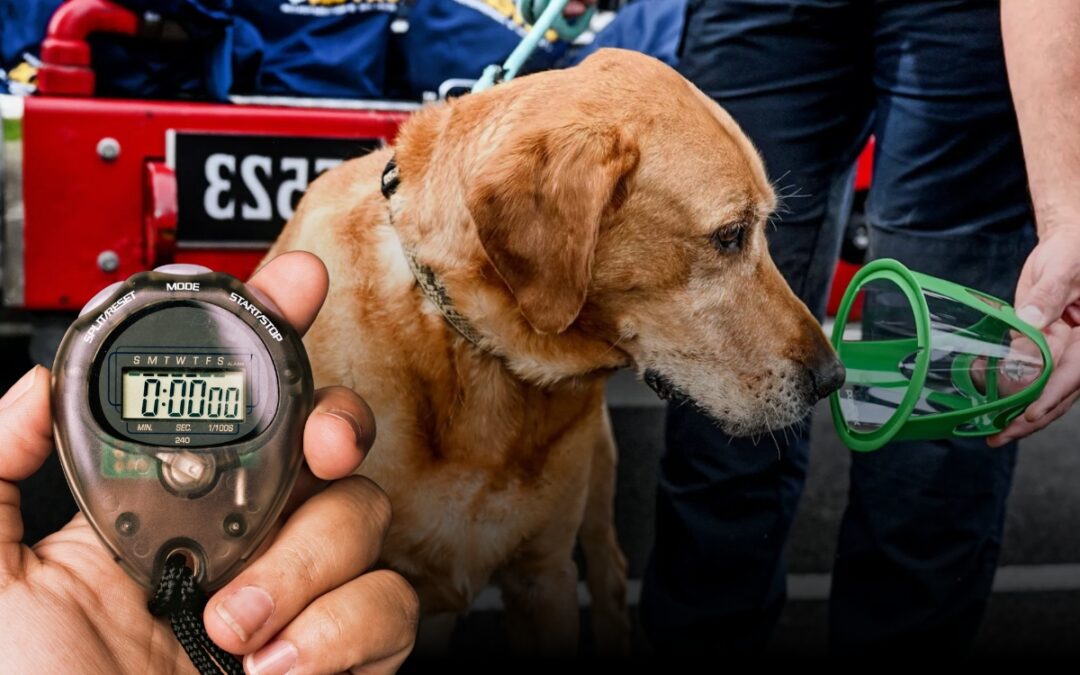
How to Accurately Measure Your Pet's Respiratory Rate
This article will demonstrate the correct method for measuring your pet's breathing rate, providing a baseline for monitoring its health. We'll also cover normal respiratory rates and when to see m...

Cat Health Conditions That Benefit From Oxygen
Oxygen therapy can effectively manage various health conditions in cats, such as asthma and pneumonia. It improves respiratory function, restores energy levels, and is well-tolerated by most cats.
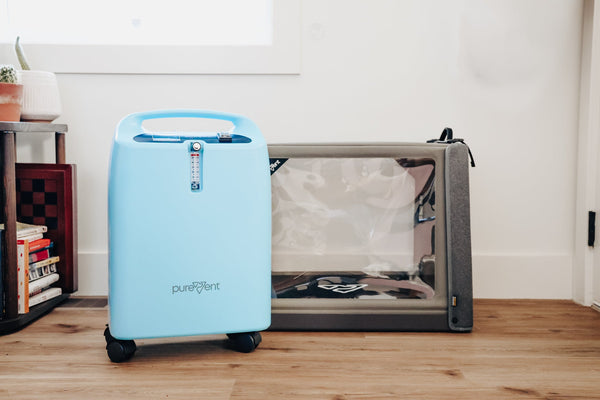
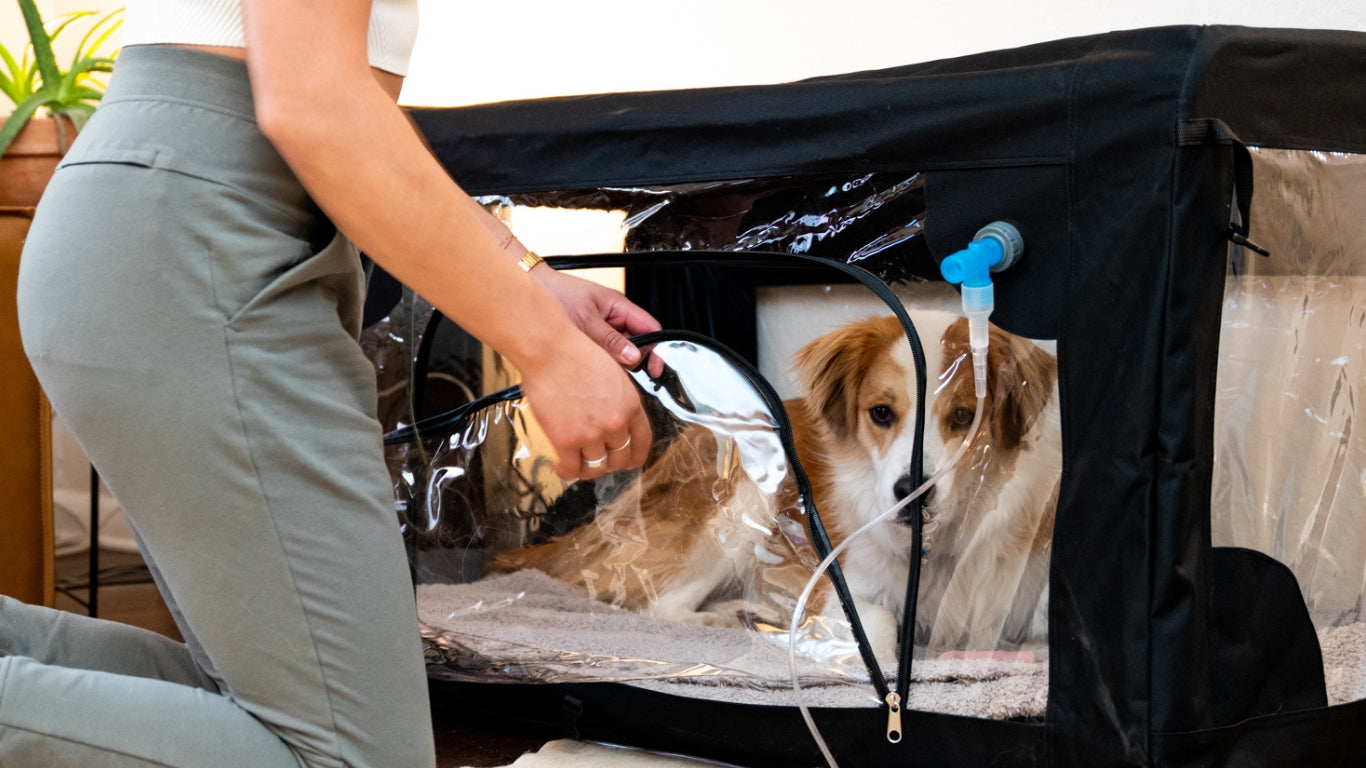
Pet Oxygen Chambers: What To Look For Before You Buy
Looking to purchase an oxygen chamber for your pet? In this article we'll go over what to look for before you buy can oxygen chamber, what features matter, and how to best keep your pet safe.

Pet Seizures: Help Your Pet with Oxygen Therapy
This article will teach you the 3 stages of pet seizures and detail why oxygen therapy can be one of the most beneficial therapies to give your pet, post-seizure.

Collapsed Trachea in Dogs: Treatment Options
In this article, we will explore the fundamentals of collapsed trachea, including its symptoms, treatment options, and more, for your dog. Read along as we cover every option about this desease.
Recent Blog posts

Oxygen Therapy for Your Exotic Pets
We'll go over the top exotic pets using oxygen therapy. Pet owners will learn when and why most exotic pets utilize oxygen therapy and the products used to administer oxygen.

Anaphylaxis in Dogs and Cats: Recognizing a Severe Allergic Reaction Before It Becomes an Emergency
Anaphylaxis in pets can escalate in minutes, and dogs and cats show it differently. Learn the warning signs by species, what emergency vets do, and how a Rescue Oxygen Kit helps on the way there.

Dog Hit by Car: The Hidden Lung Injury That Shows Up Hours Later
A dog hit by a car can look fine and still be in danger. Learn the hidden signs of pulmonary contusion, what to do in the first minutes, and why oxygen support matters in the 24–48 hours after.