
6 Natural Treatments for Pet Seizures At Home
In this article, we’ll explore six natural treatments that may help support pets with seizures at home to enhance your pet’s quality of life.
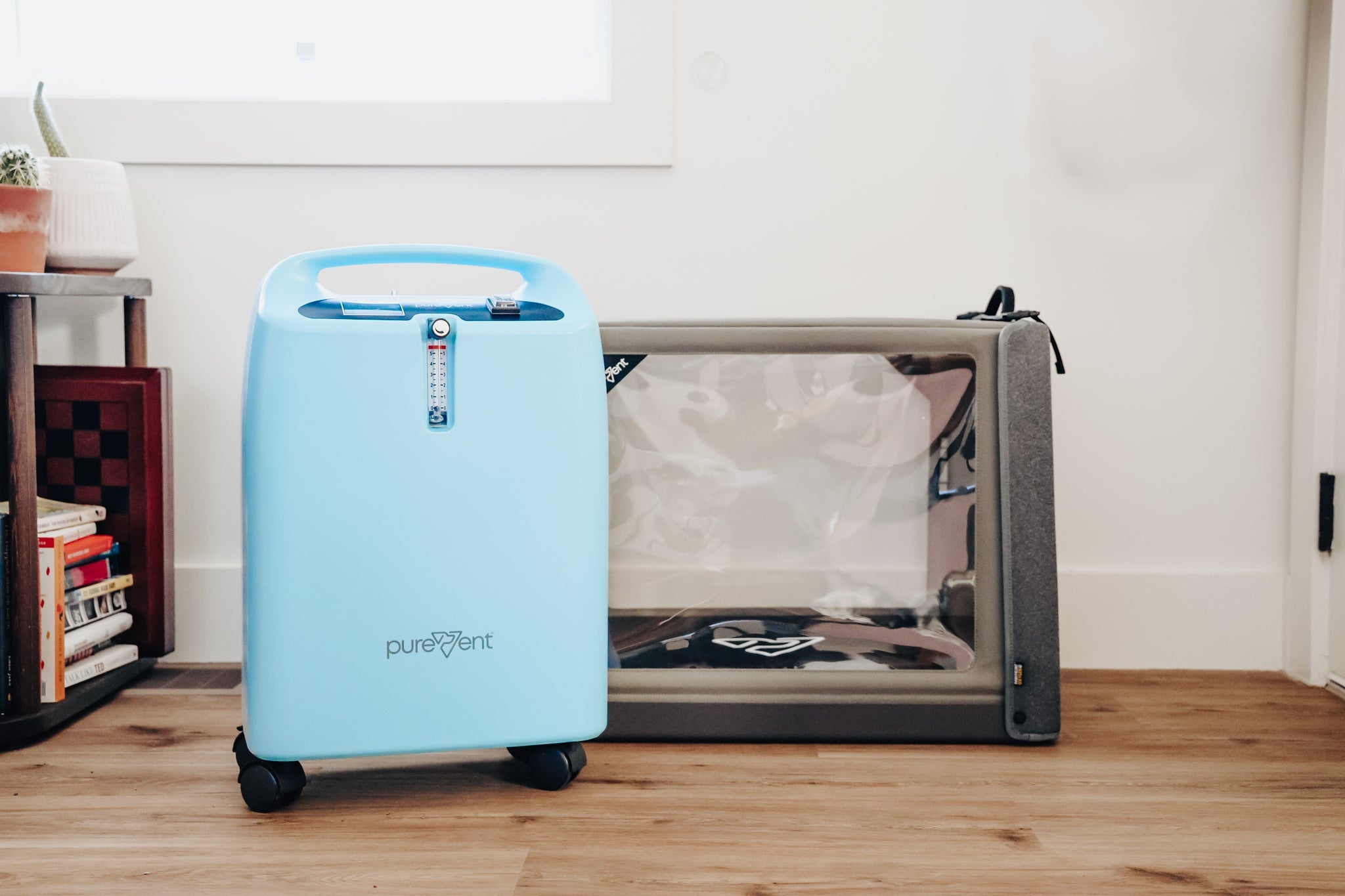
Introducing the All-New PureVent Pet Oxygen Chamber
In this article, we’ll explore what makes the PureVent Pet Oxygen Chamber a game-changer in pet respiratory care and how it can benefit the pets in your life.

My dog's cough sounds like a goose: Is it collapsed trachea?
In this article, we’ll explore everything you need to know about a collapsed trachea, including its symptoms, causes, diagnosis, and management strategies.

California Wildfires and Pets: Be Prepared with Pet Oxygen Masks
This article examines the wildfires’ impact on pets, preparation strategies, and how initiatives like the Pawprint Oxygen mask drive are making a difference.

Oxygen Therapy for Birds: Treating Respiratory Illnesses
Respiratory health is vital to the overall well-being of birds, as their highly efficient but delicate respiratory systems play a critical role in maintaining their energy levels and quality of lif...
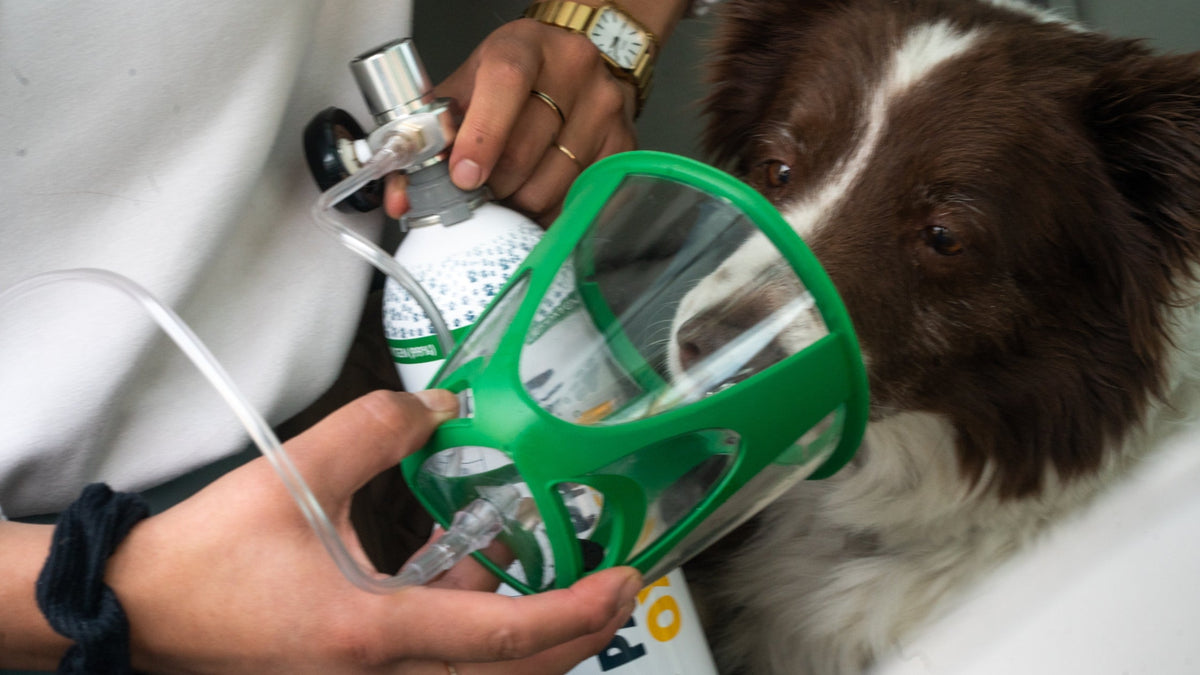
DCM in Dogs (Enlarged Heart): Symptoms, Causes, and Treatment
Dilated cardiomyopathy (DCM) is a serious and often progressive heart condition that affects dogs, particularly large and giant breeds. Early detection and diagnosis are essential for managing DCM...
Recent Blog posts

Oxygen Therapy for Your Exotic Pets
We'll go over the top exotic pets using oxygen therapy. Pet owners will learn when and why most exotic pets utilize oxygen therapy and the products used to administer oxygen.

Anaphylaxis in Dogs and Cats: Recognizing a Severe Allergic Reaction Before It Becomes an Emergency
Anaphylaxis in pets can escalate in minutes, and dogs and cats show it differently. Learn the warning signs by species, what emergency vets do, and how a Rescue Oxygen Kit helps on the way there.

Dog Hit by Car: The Hidden Lung Injury That Shows Up Hours Later
A dog hit by a car can look fine and still be in danger. Learn the hidden signs of pulmonary contusion, what to do in the first minutes, and why oxygen support matters in the 24–48 hours after.