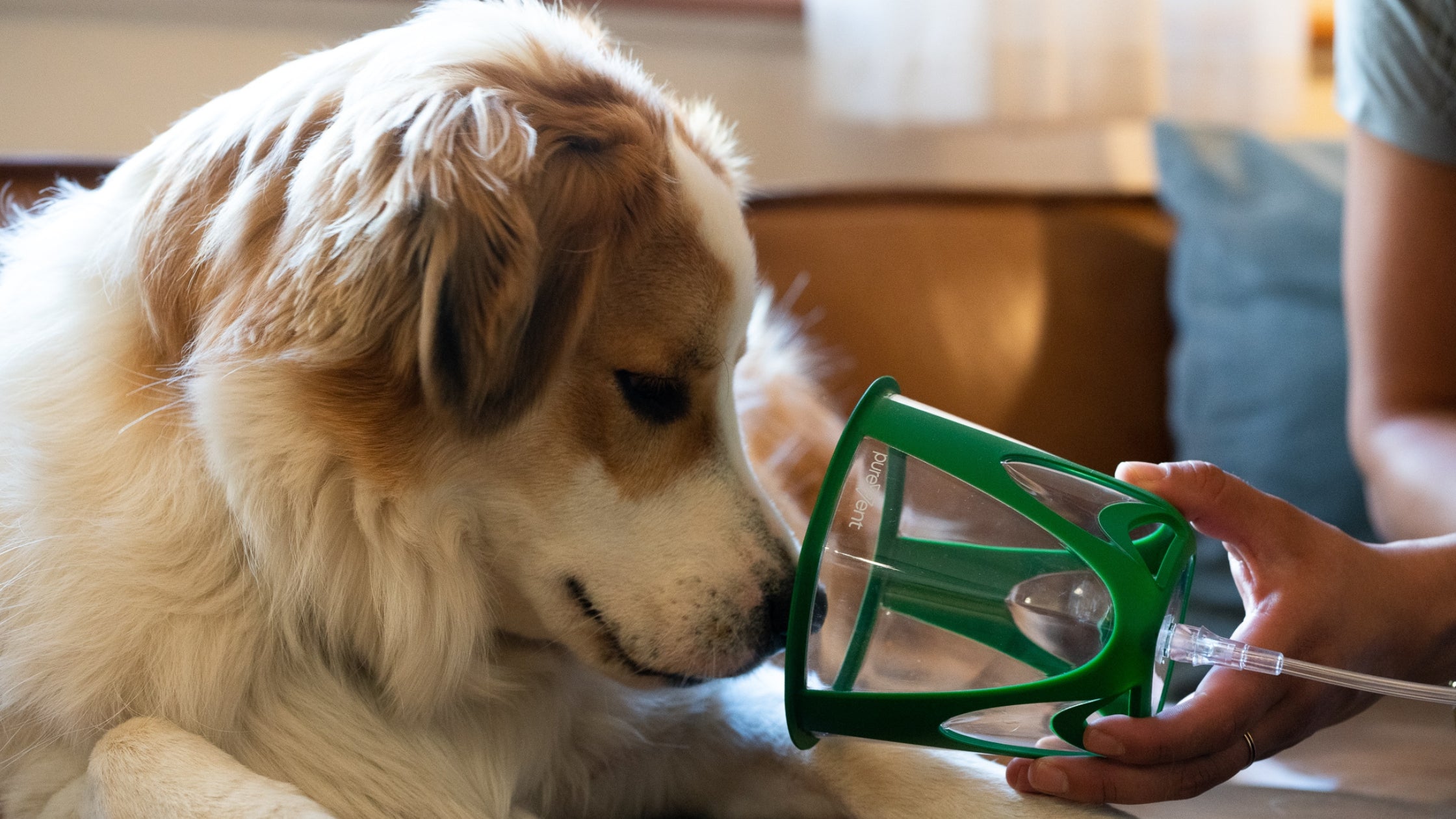

7 Tips to Prevent Kennel Cough and Other Dog Respiratory Illnesses
Just like humans, dogs are vulnerable to a variety of respiratory illnesses like kennel cough. In this article, we’ll share 7 practical tips to help you keep your dog healthy and breathing easy.

Can My Pet Fully Recover from Pneumonia?
In this article, we’ll walk you through what causes pneumonia in pets, the treatment options available, and what factors can influence your pet’s recovery.
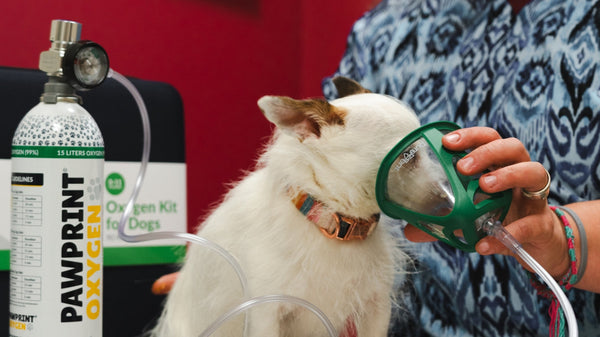
Heart Murmur in Dogs: Causes and Grades
Learn what the heart murmur grades mean, what they indicate about your dog’s heart health, and get guidance on next steps including when to consider treatment.

How Oxygen Therapy Helps Pets During Extreme Heat
Learn how oxygen therapy supports pets during extreme heat, improves breathing, prevents heatstroke, and offers lifesaving care at home or on the go.
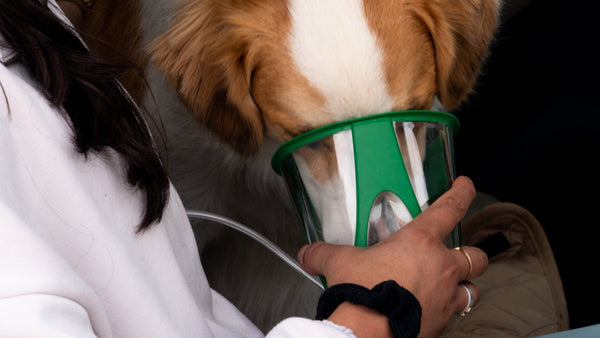
What Is Kennel Cough in Dogs? Understanding Symptoms, Risks, and Treatment
Kennel cough, also known as Canine Infectious Respiratory Disease Complex (CIRDC), is a highly contagious respiratory illness that affects dogs. While most cases are mild and resolve on their own, ...
6 Common Signs of Congestive Heart Failure (CHF) in Cats Every Pet Owner Should Know
Worried your cat might have heart problems? Learn to recognize the 6 most common signs of CHF in cats, how it’s diagnosed, and how you can help.
Recent Blog posts

Oxygen Therapy for Your Exotic Pets
We'll go over the top exotic pets using oxygen therapy. Pet owners will learn when and why most exotic pets utilize oxygen therapy and the products used to administer oxygen.

Anaphylaxis in Dogs and Cats: Recognizing a Severe Allergic Reaction Before It Becomes an Emergency
Anaphylaxis in pets can escalate in minutes, and dogs and cats show it differently. Learn the warning signs by species, what emergency vets do, and how a Rescue Oxygen Kit helps on the way there.

Dog Hit by Car: The Hidden Lung Injury That Shows Up Hours Later
A dog hit by a car can look fine and still be in danger. Learn the hidden signs of pulmonary contusion, what to do in the first minutes, and why oxygen support matters in the 24–48 hours after.